
how to track cheetahs like a professional guide starts with understanding the animal’s behavior and environment. When you follow the right methods, you’ll read signs, use technology, and interpret movement patterns like field trackers from top wildlife research programs.
how to track cheetahs like a professional guide : Understanding Cheetah Behavior
Tracking big cats begins with knowing how they think. Cheetahs are diurnal hunters and often rest in shaded spots during heat. Recognizing resting behavior helps you predict where to look.
Scientific organizations like World Wildlife Fund explain that cheetah movement is linked to prey behavior and cover availability.
how to track cheetahs like a professional guide : Reading Tracks and Scat
Being able to interpret footprints is a core skill. Look for claw marks—cheetahs often leave shallow prints without deep claws, unlike other large cats. Guides trained by institutions like the Smithsonian Conservation Biology Institute teach this in field courses.
Examining Footprints
Footprints should be assessed for size, direction, and stride length. These factors reveal speed and intent. You can compare prints using field guides from the National Geographic tracking resource.
how to track cheetahs like a professional guide : Recognizing Scat Patterns
Scat location and contents show what prey cheetahs are feeding on. This helps predict future movement. Trackers use scat analysis in cooperation with research from the Cheetah Conservation Fund.
how to track cheetahs like a professional guide : Observing Habitat and Landscape Cues
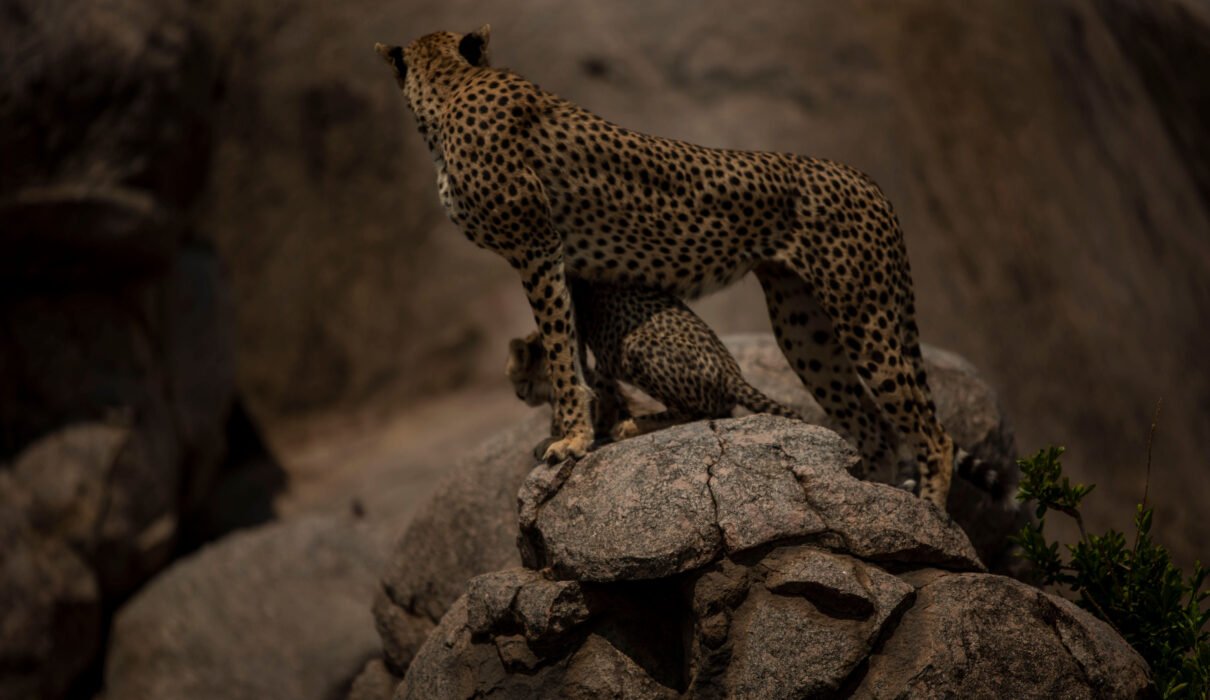
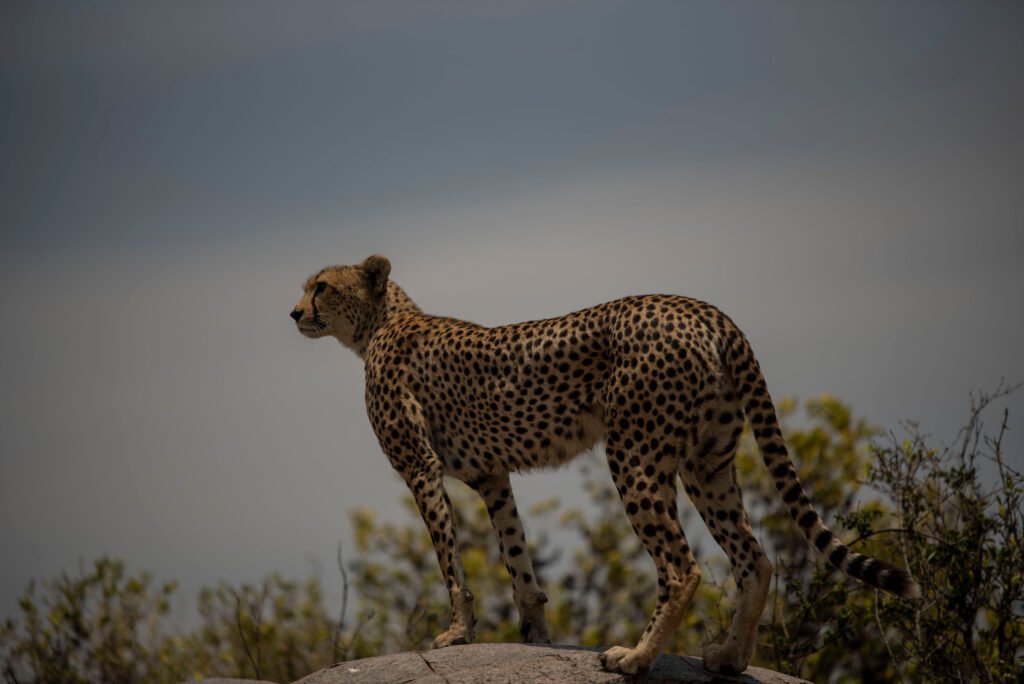
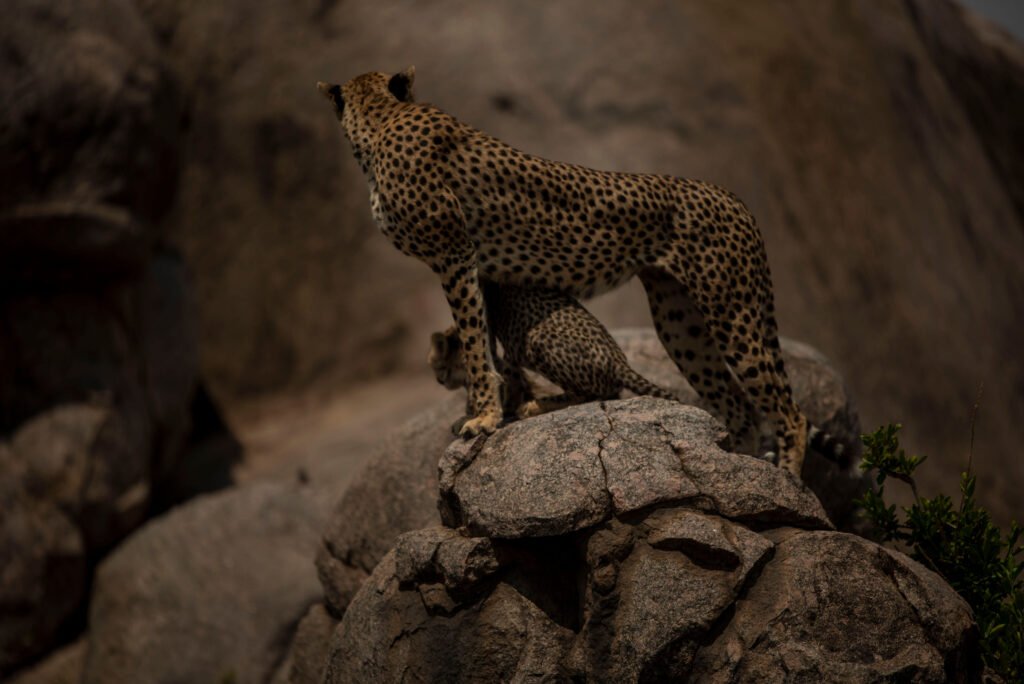
Cheetahs prefer open grasslands and savannahs where they can run fast. Look for elevated vantage points like termite mounds or rocky outcrops where cheetahs scan for prey.
You can learn habitat interpretation skills through educational materials from the Nature Conservancy.
Using Modern Tracking Technology
Professional trackers combine traditional skills with tech tools. GPS collars help monitor individual cheetahs. Research projects by the Big Cat Rescue share insights on how collars help link behavior with location data.
GPS and Satellite Tracking
GPS units give precise location data. Scientists use this information to map territories and movement corridors, which is also documented by the Springer Nature research community on animal movement studies.
Drones and Aerial Surveys
Drones offer another perspective. They allow you to spot cheetahs from above without disturbing them. Many wildlife monitoring teams, such as those connected with the Defenders of Wildlife, use drones safely to improve tracking outcomes.
Tracking Through Prey Movement
Cheetahs follow prey like gazelles. If you can read the signs of grazing and fleeing herds, you can anticipate where cheetahs might be. Research by the Journal of Mammalogy details predator-prey spatial links that help trackers.
Working With Local Knowledge
Local trackers and community rangers hold key knowledge. Their experience, often supported by partnerships with organizations like the African Wildlife Rangers, teaches you subtle environmental cues that textbooks don’t cover.
Tracking Safety and Ethics
Your safety comes first. Always maintain respectful distance. Observing wildlife codes of conduct from the International Union for Conservation of Nature ensures minimal disturbance to the animal.
Respecting Wildlife Limits
Cheetahs can be stressed by close human presence. Ethical standards shared by the Conservation International help you set boundaries that protect both you and the cat.
Recording Data and Reporting Observations
Tracking is not just following signs. It’s also collecting data for long-term understanding. Use field logs and share your findings with research networks such as the Wildlife Society.
Tracking as a Continuous Learning Process
Every expedition teaches something new. Learning from conservation publications like the Journal of Conservation Physiology keeps your tracking methods evolving.
Integrating Tracking Skills into Tours
If you guide wildlife tours, teaching guests how to read signs and understand animal ecology adds value. Use insights from the Wiley Online Library’s ecology collections to inform your narrative.
Empowering Local Conservation Through Tracking
Skilled trackers contribute to conservation. Sharing tracking knowledge supports community programs linked with partners like Panthera in large carnivore protection.
Final Tips From Professionals
Combine patience, observation, and tools. Respect local communities and follow wildlife protection standards from NGOs like Humane Society International. This ensures tracking is ethical and effective.