
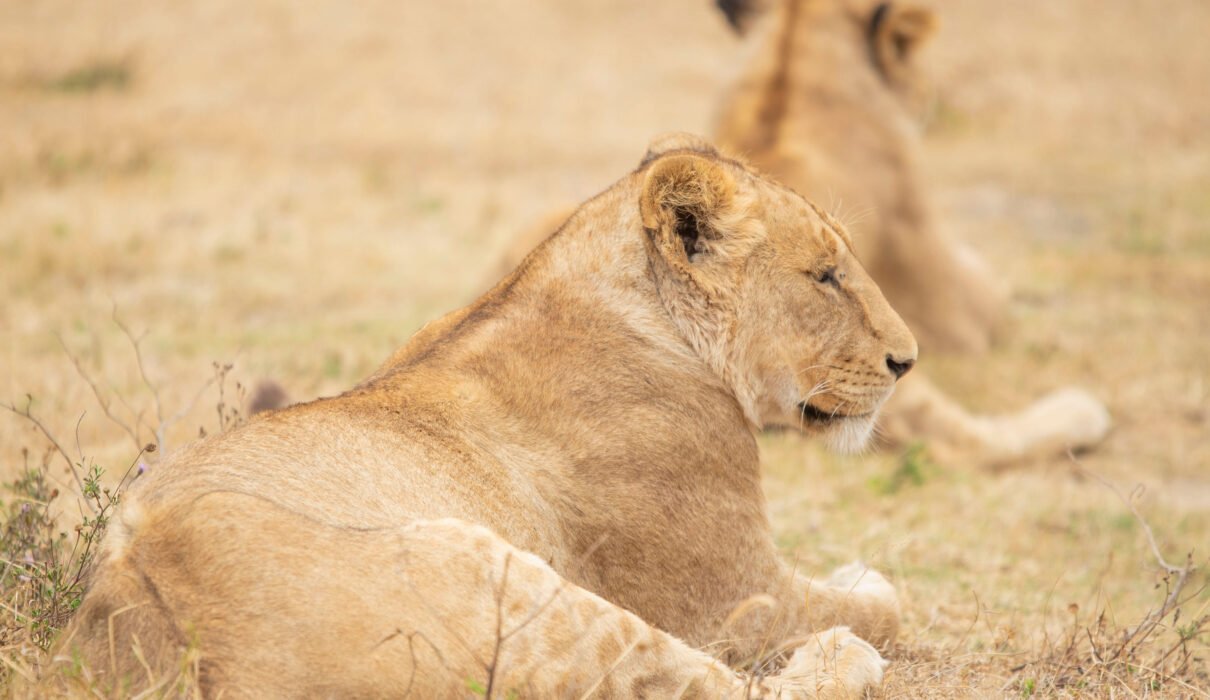
Tanzania Wildlife Guide: From Big Five to Whales is a complete and inspiring look at one of the few countries in the world where travellers can experience world-class land safaris and remarkable marine wildlife in a single journey, while also supporting conservation, community livelihoods, and responsible tourism that protects animals and natural habitats for the future.
This guide is written for travellers who want more than just photographs. It is for people who want to understand where wildlife comes from, how it survives, and how their travel choices can make a real difference for nature and for the communities living beside national parks, marine reserves, and protected coastal areas.
Tanzania Wildlife Guide: From Big Five to Whales and the heart of African conservation
Tanzania remains one of Africa’s most important wildlife strongholds because of its vast protected areas and long-standing conservation partnerships. International conservation frameworks supported by the International Union for Conservation of Nature and global environmental leadership from the United Nations Environment Programme continue to guide how protected landscapes and marine zones are managed across the country, helping ensure that wildlife tourism supports conservation rather than putting pressure on fragile ecosystems.
On the ground, research and protection programmes coordinated by the Wildlife Conservation Society, habitat connectivity work led by the African Wildlife Foundation, and biodiversity initiatives supported by Conservation International strengthen wildlife corridors, protect breeding grounds, and improve monitoring of threatened species across savannahs, forests, and coastal waters.
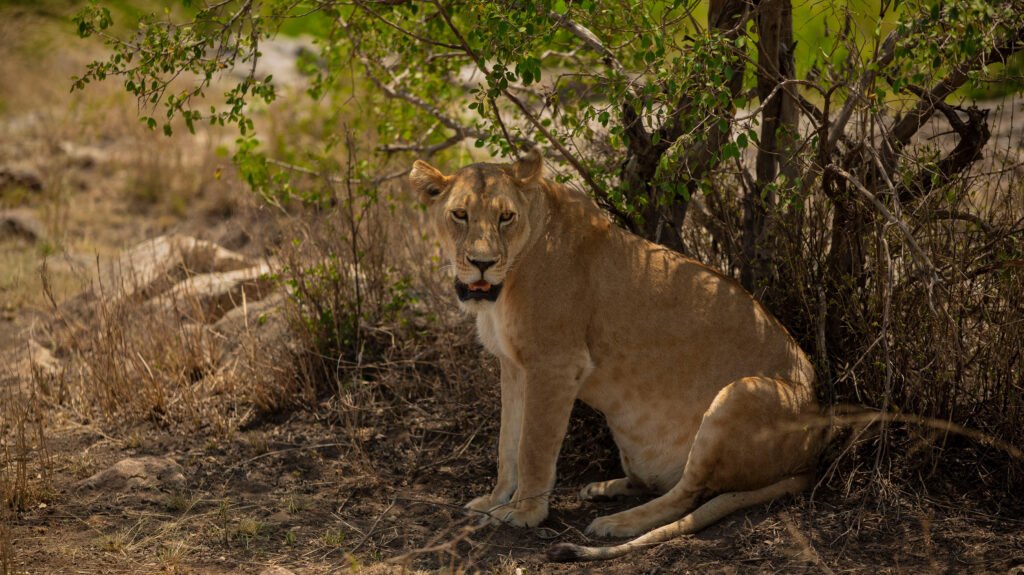
Tanzania Wildlife Guide: From Big Five to Whales and the famous Big Five experience
The Big Five – lion, leopard, elephant, buffalo and rhinoceros – remain the most recognised wildlife icons in Tanzania, yet their survival depends on much more than tourism alone. Large mammal research and species monitoring published through the Global Biodiversity Information Facility provides critical information on population trends, while targeted protection for big cats is supported by Panthera, an organisation dedicated to securing the future of wild felines across Africa.
Elephant and landscape protection strategies promoted by the African Wildlife Foundation and scientific studies coordinated by The Nature Conservancy show that large, connected ecosystems are essential for long-term survival of wide-ranging species. These conservation approaches allow travellers to experience healthy wildlife behaviour and natural predator-prey interactions instead of crowded or artificial viewing conditions.
Tanzania Wildlife Guide: From Big Five to Whales and birdlife diversity
Beyond the large mammals, Tanzania is one of Africa’s most rewarding destinations for birdwatching and wetland conservation. Habitat protection and bird monitoring coordinated by BirdLife International help safeguard key breeding and migration sites across lakes, grasslands and coastal ecosystems, ensuring that migratory and endemic species continue to thrive alongside growing tourism activity.
Scientific observations published through ScienceDirect further support sustainable tourism planning by showing how human presence can be managed without disturbing sensitive nesting and feeding grounds.
Tanzania Wildlife Guide: From Big Five to Whales and marine life along the Indian Ocean
Tanzania’s wildlife story does not end on land. Its Indian Ocean coastline and surrounding islands host dolphins, turtles, reef fish, and seasonal whale movements that are increasingly recognised for their global conservation importance. Marine ecosystem protection promoted by UN Environment and ocean conservation strategies supported by the International Union for Conservation of Nature help strengthen marine protected areas and fisheries management along the coast.
Marine species research coordinated by the Wildlife Conservation Society and coastal biodiversity programmes supported by Conservation International contribute to healthier coral reefs and safer habitats for whales, dolphins and sea turtles, giving visitors responsible opportunities to observe ocean wildlife without disturbing sensitive ecosystems.
Tanzania Wildlife Guide: From Big Five to Whales and climate challenges facing wildlife
Climate change is now one of the biggest challenges facing both land and marine wildlife. Climate assessments published by the Intergovernmental Panel on Climate Change confirm that East African ecosystems are vulnerable to rainfall changes, temperature rise and habitat shifts, while biodiversity risk analysis coordinated by the Intergovernmental Science-Policy Platform on Biodiversity and Ecosystem Services highlights how species loss can accelerate when ecosystems become fragmented.
Forest and landscape resilience studies by the Center for International Forestry Research and ecosystem mapping supported by the UN Environment Programme World Conservation Monitoring Centre now play an important role in guiding tourism development and conservation investment around protected areas.
Tanzania Wildlife Guide: From Big Five to Whales and community conservation success
Wildlife conservation in Tanzania works best when local communities benefit directly from tourism. Development research published by the World Bank shows that nature-based tourism improves household income and supports education and healthcare in rural areas, while fair labour standards promoted by the International Labour Organization strengthen working conditions for guides, drivers, cooks and porters.
Cultural and heritage protection supported by UNESCO and community development strategies coordinated by the UN Department of Economic and Social Affairs help preserve traditional knowledge that often contributes to wildlife stewardship and land management around national parks and marine reserves.
Tanzania Wildlife Guide: From Big Five to Whales and safe travel for nature explorers
Health and safety are essential for responsible wildlife travel. Guidance from the World Health Organization supports health preparedness for safari and marine travel, while food safety and environmental hygiene standards developed by the Food and Agriculture Organization help improve camp operations in remote wildlife regions.
Emergency preparedness and disaster response frameworks promoted by the American Red Cross also support safer operations for wildlife viewing and mountain activities, especially in protected landscapes where access to medical services can be limited.
Tanzania Wildlife Guide: From Big Five to Whales and responsible safari planning
Travellers who wish to experience Tanzania’s wildlife in a responsible and meaningful way often begin by exploring professionally designed safari and wildlife programmes through Eddy Tours and Safaris official safari services, where itineraries are created to respect wildlife movement, minimise environmental impact and support local conservation initiatives.
For travellers interested in combining wildlife safaris with cultural encounters and community experiences, many choose customised journeys through tailor-made travel programmes in Tanzania, allowing them to design trips that match their personal interests while supporting sustainable tourism values.
Tanzania Wildlife Guide: From Big Five to Whales and the ocean-to-savannah journey
Few destinations offer the possibility of observing elephants and lions on open plains and then travelling to the coast to encounter dolphins and whales in protected waters. Guests interested in this unique combination often plan multi-experience journeys using professional wildlife and beach travel services, ensuring that both land and marine activities follow ethical wildlife viewing guidelines and environmental best practice.
Those who prefer fully customised wildlife routes frequently rely on private safari planning support to organise seamless travel between national parks, marine reserves and cultural destinations.
Tanzania Wildlife Guide: From Big Five to Whales and the future of wildlife tourism
The future of wildlife tourism in Tanzania is strongly connected to science-based conservation and responsible visitor management. Protected-area governance frameworks promoted by the Convention on Biological Diversity and long-term ecosystem resilience strategies developed by The Nature Conservancy continue to shape how national parks and marine reserves are managed for both wildlife protection and visitor experience.
Regional research partnerships led by the Wildlife Conservation Society and international conservation collaboration coordinated by International Union for Conservation of Nature further strengthen conservation planning across East Africa.
In simple terms, Tanzania Wildlife Guide: From Big Five to Whales shows that wildlife travel in Tanzania is not only about seeing animals. It is about protecting habitats, supporting communities, respecting culture and choosing travel partners who genuinely care about the future of nature. When travellers book responsible journeys, they become part of a global effort to protect one of the most extraordinary wildlife destinations on Earth.