
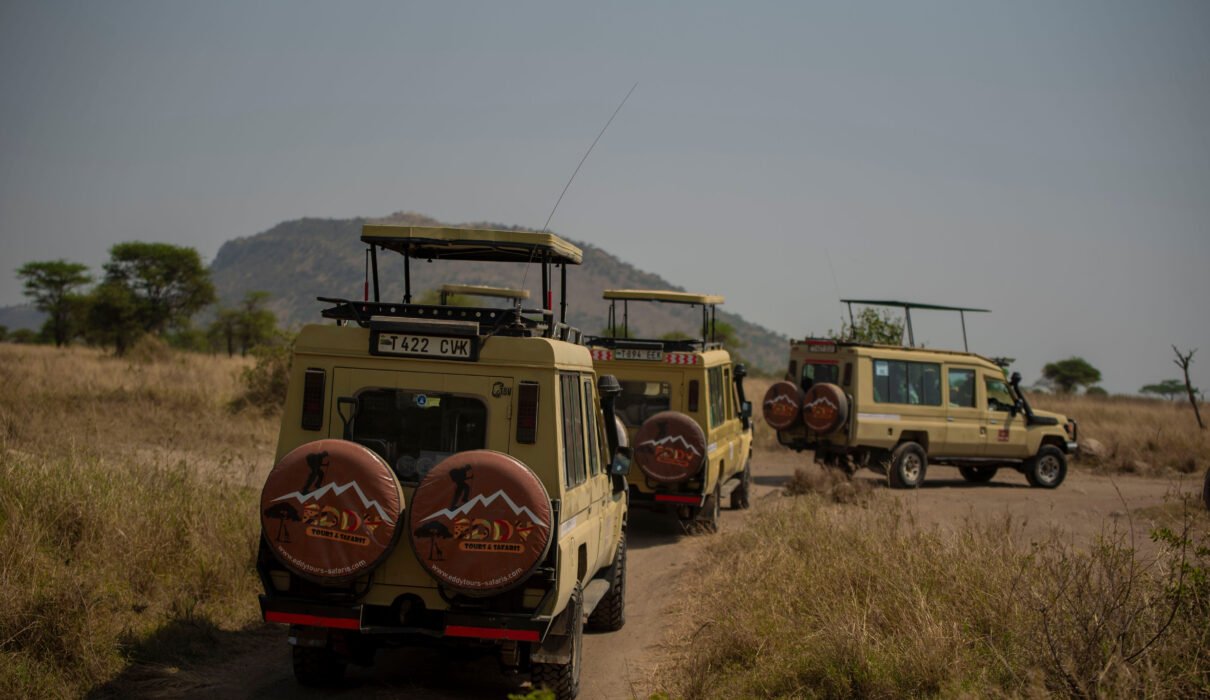
7 Fascinating Facts About Africa opens a gentle window into a continent that is often spoken about in headlines, but rarely understood in its true beauty, diversity and human depth, where ancient landscapes, living cultures and powerful conservation work come together to create experiences that stay in the heart long after a journey ends.
Africa is not one single story. It is thousands of communities, languages, ecosystems and traditions, shaped by rivers, mountains, forests and wildlife that support both people and nature every day. These facts are not just interesting details. They explain why responsible travel, conservation and community support now matter more than ever for anyone who wishes to explore the continent with respect and real understanding.
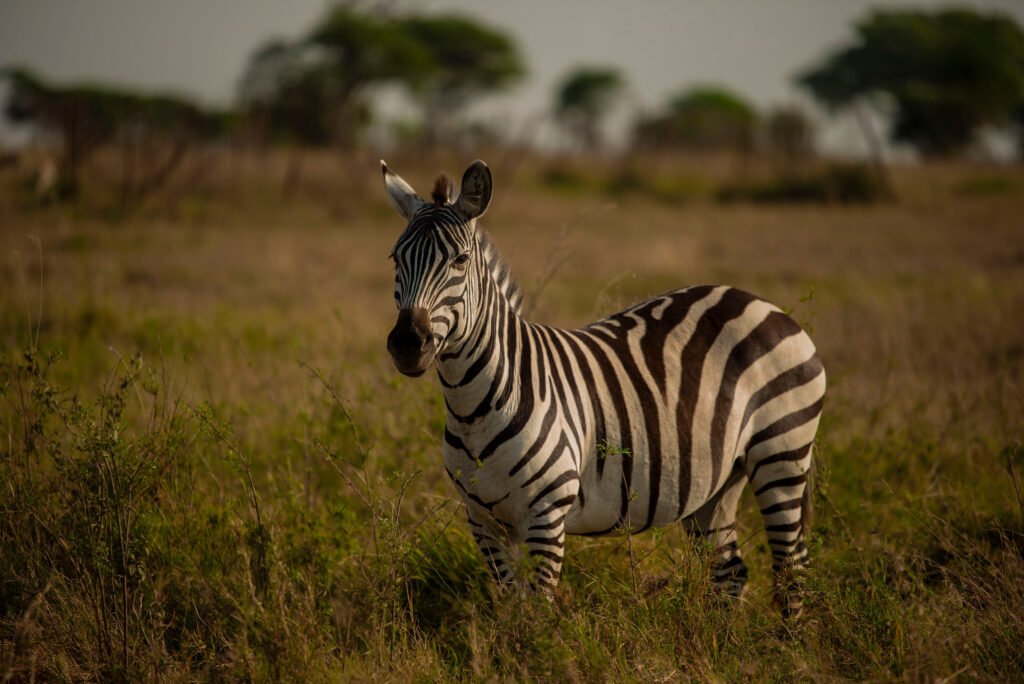
7 Fascinating Facts About Africa and the world’s richest wildlife diversity
One of the most remarkable realities behind 7 Fascinating Facts About Africa is the continent’s unmatched wildlife richness, where vast savannahs, rainforests, wetlands and mountain ecosystems support thousands of species found nowhere else on Earth. Global biodiversity monitoring led by the International Union for Conservation of Nature, conservation coordination by the United Nations Environment Programme, and species protection programmes from the World Wide Fund for Nature show that Africa holds some of the most important remaining wildlife strongholds on the planet.
Long-term field research conducted by the Wildlife Conservation Society, landscape connectivity studies supported by the African Wildlife Foundation, and global conservation partnerships coordinated by Conservation International demonstrate how protected areas and community-managed lands continue to safeguard elephants, lions, great apes, rare birds and countless plant species that sustain entire ecosystems and rural livelihoods.
7 Fascinating Facts About Africa and its powerful role in global climate balance
Another powerful truth within 7 Fascinating Facts About Africa is how strongly the continent influences global climate stability through its forests, wetlands and grasslands, which store carbon, regulate rainfall and protect water systems that extend far beyond national borders. Climate research published by the Intergovernmental Panel on Climate Change shows that African ecosystems play a critical role in regulating temperature and seasonal weather patterns, while ecosystem vulnerability studies coordinated by the Intergovernmental Science-Policy Platform on Biodiversity and Ecosystem Services highlight the urgent need to protect natural landscapes from degradation.
Forest research led by the Center for International Forestry Research and ecosystem mapping supported by the UN Environment Programme World Conservation Monitoring Centre confirm that community-managed forests and protected areas help stabilise rainfall, reduce soil loss and protect food systems for millions of people living both inside and outside conservation zones.
7 Fascinating Facts About Africa and the deep connection between culture and nature
Behind 7 Fascinating Facts About Africa is a powerful cultural truth that many African communities have protected their landscapes through traditional knowledge long before modern conservation existed. Cultural heritage protection supported by UNESCO shows how sacred forests, community grazing systems and traditional water management continue to protect biodiversity while strengthening cultural identity and local pride.
Social development studies coordinated by the UN Department of Economic and Social Affairs reveal that communities actively involved in managing tourism and natural resources are more resilient to climate stress and economic change, while labour standards promoted by the International Labour Organization help ensure that tourism growth supports fair income and dignified work for guides, drivers, cooks and porters.
7 Fascinating Facts About Africa and the future of conservation science
Modern conservation science across Africa continues to expand rapidly, forming another key insight within 7 Fascinating Facts About Africa. Species distribution data shared by the Global Biodiversity Information Facility, ecological research published through ScienceDirect, and global environmental assessments coordinated by UN Environment support evidence-based protection of habitats, wildlife corridors and water catchments across the continent.
Specialised conservation work from Panthera strengthens protection of large carnivores, while bird monitoring programmes from BirdLife International help preserve critical migration routes that connect Africa with Europe and Asia, showing how the continent is deeply linked to global ecological systems.
7 Fascinating Facts About Africa and the importance of community-led tourism
One of the most hopeful realities within 7 Fascinating Facts About Africa is the rapid growth of community-led tourism that supports education, health services and conservation funding. Development research published by the World Bank demonstrates that tourism income in rural and conservation areas can significantly improve household stability when communities participate directly in planning and benefit sharing.
Responsible travel models promoted by research institutions such as the Overseas Development Institute confirm that locally owned tourism enterprises reduce economic leakage and help protect natural resources by creating strong local incentives for conservation.
7 Fascinating Facts About Africa and water, forests and human survival
Freshwater ecosystems and forested catchments form another important layer of 7 Fascinating Facts About Africa, because rivers, wetlands and mountain forests supply drinking water, agriculture and energy for millions of people. Global water and ecosystem management guidance from the Food and Agriculture Organization highlights how sustainable land use and forest protection directly reduce flood risks, protect food security and support climate adaptation.
Environmental restoration initiatives coordinated by The Nature Conservancy further demonstrate how restoring degraded landscapes in Africa helps rebuild biodiversity while protecting vulnerable communities that depend on rivers and seasonal rainfall.
7 Fascinating Facts About Africa and health, safety and responsible travel systems
Behind 7 Fascinating Facts About Africa is also the quiet progress being made in visitor safety, health preparedness and environmental risk management. Travel health guidance from the World Health Organization supports safer travel across wildlife and remote areas, while emergency preparedness principles promoted by the American Red Cross guide response planning in adventure and nature-based tourism regions.
Protected-area governance frameworks from the Convention on Biological Diversity continue to strengthen how tourism activities are regulated inside sensitive ecosystems, helping balance visitor access with long-term protection.
7 Fascinating Facts About Africa and why Tanzania offers a perfect starting point
For travellers wishing to experience these realities in a practical and meaningful way, Tanzania offers one of the strongest examples of how wildlife protection, cultural heritage and community tourism can work together. Conservation research by the Wildlife Conservation Society and regional ecosystem protection supported by the African Wildlife Foundation continue to strengthen some of the most important wildlife landscapes on the continent.
Visitors who wish to explore these experiences in a responsible and well-organised way often begin by reviewing ethical safari and cultural programmes through Eddy Tours and Safaris travel services, where journeys are carefully designed to support conservation and local communities while offering authentic experiences.
Many travellers also use custom Tanzania safari planning to combine wildlife viewing, cultural visits and nature walks into a single, well-balanced itinerary that respects both people and ecosystems.
Those interested in mountain experiences frequently explore options through Kilimanjaro trekking and nature programmes, which integrate safety, environmental care and community support.
Guests seeking broader wildlife and cultural journeys across the country can further discover responsible travel experiences using locally guided safari experiences in Tanzania, allowing travellers to connect deeply with the landscapes and people who protect them every day.
In the end, 7 Fascinating Facts About Africa is not simply a list of interesting points. It is an invitation to look beyond headlines and stereotypes, and to discover a continent that quietly leads the world in conservation innovation, community resilience and cultural richness. When you choose responsible travel in Africa, you help protect wildlife, support communities and become part of a story that truly matters.