
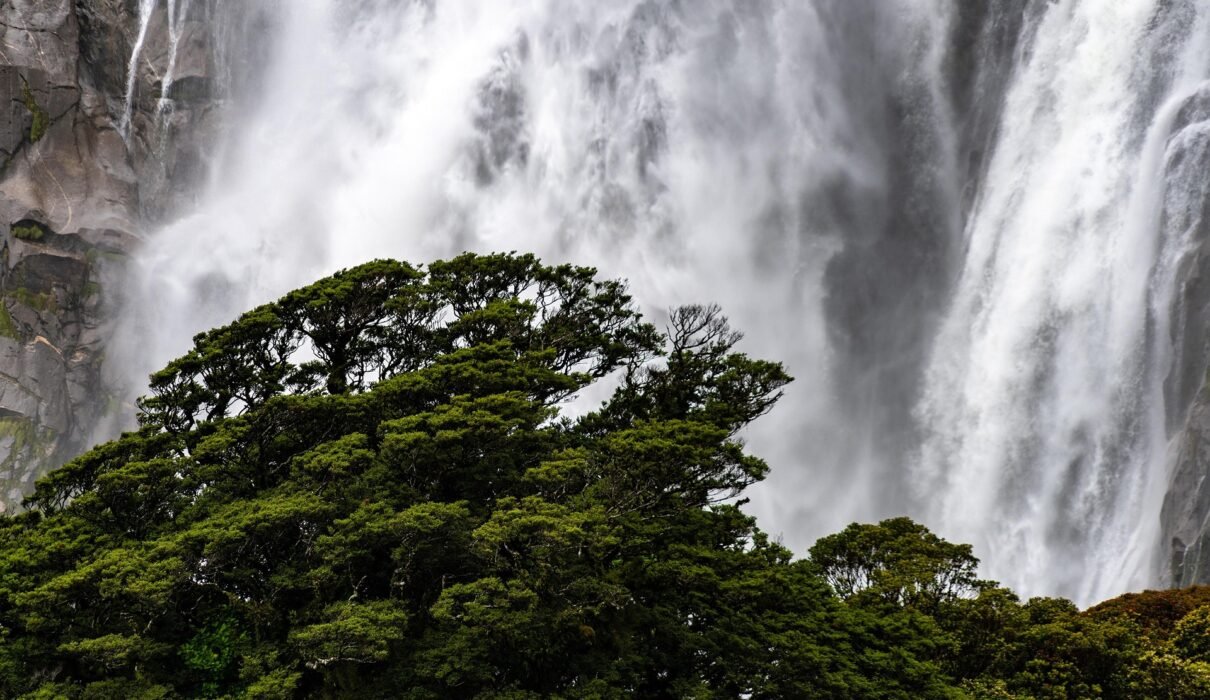
10 Waterfalls in Tanzania You Must Visit is a beautiful invitation to slow down, step away from crowded routes, and discover some of the most peaceful and powerful natural places in the country, where fresh mountain water, deep green forests and local culture come together to create unforgettable travel moments.
Unlike busy safari parks and famous landmarks, waterfalls give travellers something different – silence, fresh air, birdsong, soft forest paths and the chance to connect with real village life. Across northern, southern and eastern Tanzania, waterfalls are protected by natural forests and community-managed landscapes that also play an important role in water security, biodiversity protection and climate resilience.
10 Waterfalls in Tanzania You Must Visit and why waterfalls matter for nature
Before exploring the individual sites, it is important to understand why waterfalls and their surrounding forests are extremely valuable for both people and wildlife. Mountain rivers and forest catchments support downstream communities and agriculture, and their protection is strongly supported by the United Nations Environment Programme, freshwater conservation work from the International Union for Conservation of Nature, and global biodiversity initiatives coordinated by the Global Biodiversity Information Facility, which all highlight how river ecosystems protect species, stabilize soil and maintain climate balance.
Forest and water research from the Center for International Forestry Research, watershed protection programmes promoted by Conservation International, and ecosystem management guidance from the The Nature Conservancy confirm that waterfalls are part of larger ecological systems that must be protected through responsible tourism and community involvement.
10 Waterfalls in Tanzania You Must Visit across the northern highlands
The northern highlands are home to some of the most accessible and beautiful waterfalls in the country. Materuni Waterfall near Mount Kilimanjaro remains one of the most popular, surrounded by fertile banana farms and natural forest corridors that are important for birds and small mammals. Environmental education programmes supported by BirdLife International show how such forest patches act as key refuges for forest bird species.
Not far away, Ndoro Waterfall near Karatu flows from the forested slopes close to the Ngorongoro ecosystem, where wildlife landscape planning is supported by the Wildlife Conservation Society and regional conservation partners such as the African Wildlife Foundation. These forest-water connections help protect natural corridors linking highland forests with wider savannah systems.
Travellers exploring this region often combine waterfall visits with cultural activities and nature walks arranged through local Tanzania travel services, allowing visitors to enjoy nature while directly supporting nearby communities.
10 Waterfalls in Tanzania You Must Visit in the southern wilderness landscapes
Sanje Waterfall inside the Udzungwa mountain ecosystem is one of the most dramatic and powerful waterfalls in Tanzania. The surrounding forest is part of one of Africa’s most important biodiversity hotspots, and long-term ecosystem research supported by the Intergovernmental Science-Policy Platform on Biodiversity and Ecosystem Services confirms that this area holds exceptional plant and animal diversity found nowhere else.
Wildlife and habitat protection in the Udzungwa landscape is also supported by regional conservation initiatives promoted by the Wildlife Conservation Society, and forest connectivity research guided by the UN Environment Programme World Conservation Monitoring Centre. Visiting such waterfalls helps raise awareness of how fragile these mountain ecosystems truly are.
10 Waterfalls in Tanzania You Must Visit in the western and lake regions
Kalambo Falls near Lake Tanganyika is one of the highest waterfalls in Africa and flows through a landscape that is important not only for biodiversity, but also for human history and archaeology. Research programmes supported by the Nature Research publishing group and freshwater ecosystem studies shared through ScienceDirect highlight how such river systems preserve both natural and cultural heritage.
Lake Tanganyika’s ecosystem is also monitored under global freshwater conservation efforts promoted by the UN Environment and fisheries and aquatic ecosystem protection strategies supported by the Food and Agriculture Organization, helping maintain sustainable use of freshwater landscapes connected to major waterfalls.
10 Waterfalls in Tanzania You Must Visit in the eastern mountain and coastal forests
Kinole Waterfall in the Uluguru Mountains and Kihansi Falls in the southern highlands are excellent examples of how waterfalls support unique forest ecosystems. Environmental impact research from the World Bank shows how mountain watersheds protect downstream cities and agriculture, while climate vulnerability studies by the Intergovernmental Panel on Climate Change explain why protecting such highland water sources is critical for future water security.
The Uluguru forests are also part of wider conservation programmes supported by the International Union for Conservation of Nature and restoration initiatives guided by Conservation International, ensuring that tourism activities remain low impact and environmentally responsible.
10 Waterfalls in Tanzania You Must Visit for cultural and community experiences
Many waterfalls are located close to traditional villages where visitors can learn about local farming, food preparation and forest use practices that have supported communities for generations. Cultural heritage protection promoted by UNESCO and social development research from the UN Department of Economic and Social Affairs show that cultural tourism strengthens community pride and economic stability when done respectfully.
Labour standards promoted by the International Labour Organization and rural development research published by the World Bank further demonstrate how community-based tourism around waterfalls creates fair employment and supports education and health services.
Guests who include village-based waterfall excursions through responsible local tour operators directly support community projects and conservation education initiatives.
10 Waterfalls in Tanzania You Must Visit and wildlife around river corridors
River corridors and forest edges surrounding waterfalls often serve as movement routes for wildlife, especially smaller mammals, primates and bird species. Landscape connectivity studies coordinated by the African Wildlife Foundation and wildlife corridor protection strategies developed by the Wildlife Conservation Society demonstrate how even small forest strips around rivers play an important role in maintaining healthy ecosystems.
Large-scale biodiversity mapping and species distribution research coordinated by the Global Biodiversity Information Facility further confirms that freshwater and forest habitats are some of the most species-rich environments in East Africa.
10 Waterfalls in Tanzania You Must Visit and safe, responsible access
While waterfalls are beautiful, they also require careful visitor management. Outdoor safety guidance promoted by the American Red Cross and public health recommendations published by the World Health Organization support safer hiking practices, clean water use and emergency preparedness in remote natural areas.
Environmental tourism planning and protected-area governance principles published by the Convention on Biological Diversity further guide how sensitive natural sites such as waterfalls can remain open to visitors without damaging ecosystems.
10 Waterfalls in Tanzania You Must Visit as part of your wider adventure
Many travellers combine waterfall trips with wildlife safaris and mountain adventures for a deeper and more balanced experience of Tanzania. Planning a complete journey through professional safari and travel planning services makes it easier to include remote natural attractions while keeping logistics, safety and community benefits well organised.
For visitors looking to design custom nature and culture itineraries, tailor-made travel programmes in Tanzania allow travellers to combine waterfalls, village visits, forest walks and wildlife viewing into one smooth and meaningful journey.
In the end, 10 Waterfalls in Tanzania You Must Visit is not simply a list of beautiful places. It is a journey into living forests, clean rivers, local culture and conservation work that protects Tanzania’s natural heritage. When you choose to visit waterfalls responsibly, you help protect fragile ecosystems, support rural communities and create unforgettable memories built on respect, simplicity and real connection with nature.