
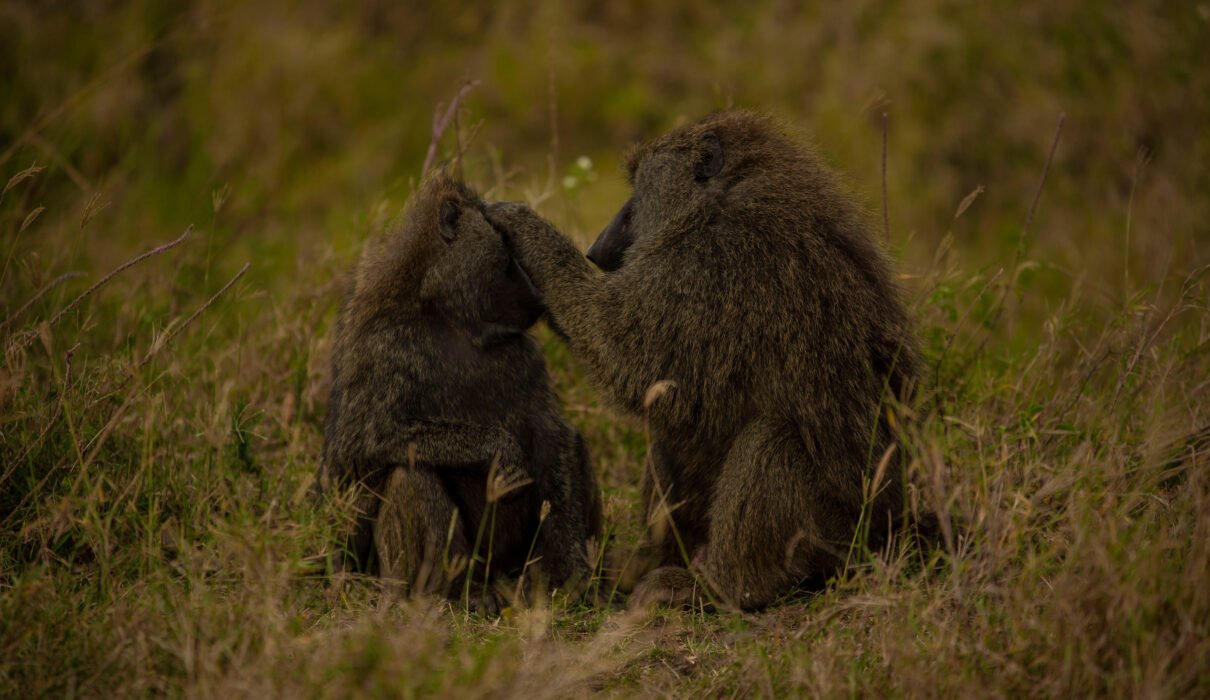
Jane Goodall: Biography of a Legendary Scientist begins with a simple but brave dream that slowly became one of the most important stories in modern wildlife science, conservation leadership, and global environmental awareness, proving that one determined person can protect nature and change how the world treats animals and the planet.
This story is not only about scientific discovery. It is also about courage, patience, kindness toward animals, and the belief that every human action, no matter how small, has the power to make the natural world better or worse
Jane Goodall: Biography of a Legendary Scientist and the beginning of a bold scientific journey
Jane Goodall arrived in East Africa with no formal university training in wildlife science, yet she carried something far more powerful than qualifications alone: deep curiosity, strong discipline, and a respectful way of observing animals without disturbing their natural behaviour. Her early work in chimpanzee research later became strongly connected with scientific ethics promoted by the Jane Goodall Institute, long-term wildlife research supported by the Leakey Foundation, and global research standards encouraged by the National Geographic Society.
Her approach slowly reshaped how primatology and animal behaviour research are conducted, moving away from distant observation and toward patient, respectful, long-term field study that allows animals to live freely while scientists learn from their natural lives.
Jane Goodall: Biography of a Legendary Scientist and revolutionary discoveries about animals
One of the most important contributions of Jane Goodall was her discovery that chimpanzees use tools, which challenged the long-standing belief that only humans were capable of such behaviour. Today, behavioural research and cognitive ecology studies supported by the Smithsonian Institution and scientific publishing networks such as Nature Research continue to build on the foundations created by her early observations.
Modern biodiversity and behavioural databases coordinated by the Global Biodiversity Information Facility now store and share wildlife data from around the world, allowing researchers to better understand species distribution, behaviour, and conservation needs using approaches inspired by long-term field science such as hers.
Jane Goodall: Biography of a Legendary Scientist and ethical wildlife research
Jane Goodall strongly believed that animals are individuals with emotions, intelligence, and social bonds. This philosophy later influenced ethical wildlife research frameworks supported by the International Union for Conservation of Nature and animal welfare and conservation programmes developed by the World Wide Fund for Nature, encouraging scientists and conservationists to treat animals with dignity while conducting research.
Her voice helped push science toward compassion, responsibility, and long-term thinking instead of short-term data collection.
Jane Goodall: Biography of a Legendary Scientist and global conservation leadership
As her scientific reputation grew, Jane Goodall became one of the world’s strongest voices for wildlife protection, habitat conservation, and environmental education. Her conservation leadership strongly aligns with global biodiversity protection strategies promoted by Conservation International, ecosystem protection programmes led by The Nature Conservancy, and wildlife research initiatives coordinated by the Wildlife Conservation Society.
Her message remains clear and simple: protecting animals without protecting their forests, water, and communities is impossible, and conservation must include people living close to nature.
Jane Goodall: Biography of a Legendary Scientist and community-based conservation
Jane Goodall repeatedly emphasized that conservation only succeeds when local people benefit from protecting wildlife. This belief mirrors community conservation models supported by the African Wildlife Foundation, development research published by the World Bank, and labour protection standards promoted by the International Labour Organization, which show that stable jobs and education are essential for protecting ecosystems.
In Tanzania and across Africa, conservation and tourism now work together to create income, training, and environmental education, allowing communities to protect wildlife while building better lives.
Travelers who wish to experience conservation-focused journeys in Tanzania often begin their planning through Eddy Tours and Safaris official travel services, where responsible travel and community partnerships are clearly integrated into safari and nature programs.
Jane Goodall: Biography of a Legendary Scientist and climate and forest protection
Jane Goodall also became a powerful global advocate for forest protection and climate responsibility. Climate research coordinated by the Intergovernmental Panel on Climate Change shows that forest loss directly accelerates climate change, while ecosystem risk assessments published by the Intergovernmental Science-Policy Platform on Biodiversity and Ecosystem Services highlight the rapid loss of wildlife habitats worldwide.
Forest research and sustainable land-use studies supported by the Center for International Forestry Research and global environmental coordination by the United Nations Environment Programme strongly support her long-standing message that protecting forests is one of the most effective ways to protect wildlife and human wellbeing.
Jane Goodall: Biography of a Legendary Scientist and education for the next generation
One of the most inspiring parts of Jane Goodall’s legacy is her commitment to youth education and environmental leadership. Cultural and educational frameworks supported by UNESCO and youth development research coordinated by the UN Department of Economic and Social Affairs reflect the same belief that young people are essential leaders for future conservation success.
Through schools, community programs, and youth networks, environmental awareness continues to grow across Africa and beyond, creating a generation that understands both science and responsibility.
Jane Goodall: Biography of a Legendary Scientist and modern wildlife science
Today, wildlife science and conservation policy continue to follow principles shaped by her work. Species protection strategies developed by BirdLife International, big-cat and predator conservation programmes led by Panthera, and biodiversity monitoring coordinated by UN Environment Programme World Conservation Monitoring Centre reflect the importance of long-term data, ethical research, and community involvement.
Scientific research and conservation planning published through ScienceDirect further demonstrate how integrated conservation approaches now dominate modern environmental management.
Jane Goodall: Biography of a Legendary Scientist and responsible travel experiences in Africa
Jane Goodall’s work reminds travelers that seeing wildlife is a privilege, not a right. Responsible travel principles promoted by the Responsible Tourism Partnership support the same values she teaches, encouraging visitors to choose operators that respect nature, workers, and communities
Visitors planning ethical safaris and conservation-focused journeys in Tanzania can explore carefully designed itineraries through responsible safari travel in Tanzania, where wildlife protection, community benefits, and educational guiding remain central to every program.
Jane Goodall: Biography of a Legendary Scientist and her lasting message to the world
Perhaps the most powerful part of Jane Goodall’s story is not only what she discovered about chimpanzees, but what she taught humans about themselves. She showed that science can be gentle, that leadership can be kind, and that protecting nature begins with personal responsibility.
Travelers who wish to experience wildlife with respect and purpose often continue their journey by building meaningful trips through custom safari and conservation travel programs designed to reflect the same ethical values that Jane Goodall has promoted throughout her life
In the end, Jane Goodall: Biography of a Legendary Scientist remains a powerful reminder that protecting animals, forests, and communities is not the work of governments alone. It is the responsibility of every traveler, every student, every guide, and every decision we make for the future of our planet