
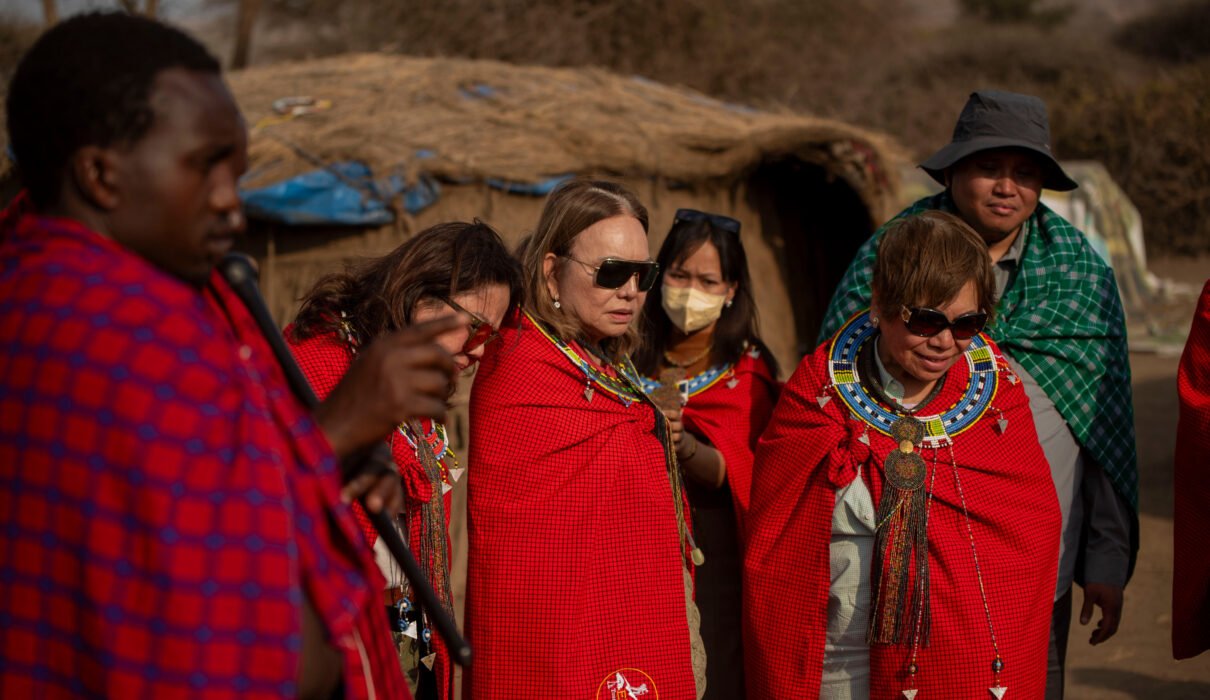
The Maasai Tribe: Culture, Traditions, and History is one of the most powerful cultural stories of East Africa, reflecting a deep relationship between people, land, livestock, wildlife, and community values that continues to shape life across northern Tanzania and southern Kenya in a world that is changing faster than ever before.
The Maasai are not simply known for their red clothing and colourful beadwork. Their identity is built on a strong social system, respect for elders, traditional knowledge of land and animals, and a way of life that has allowed them to survive for generations in dry and wildlife-rich landscapes where many communities would struggle.
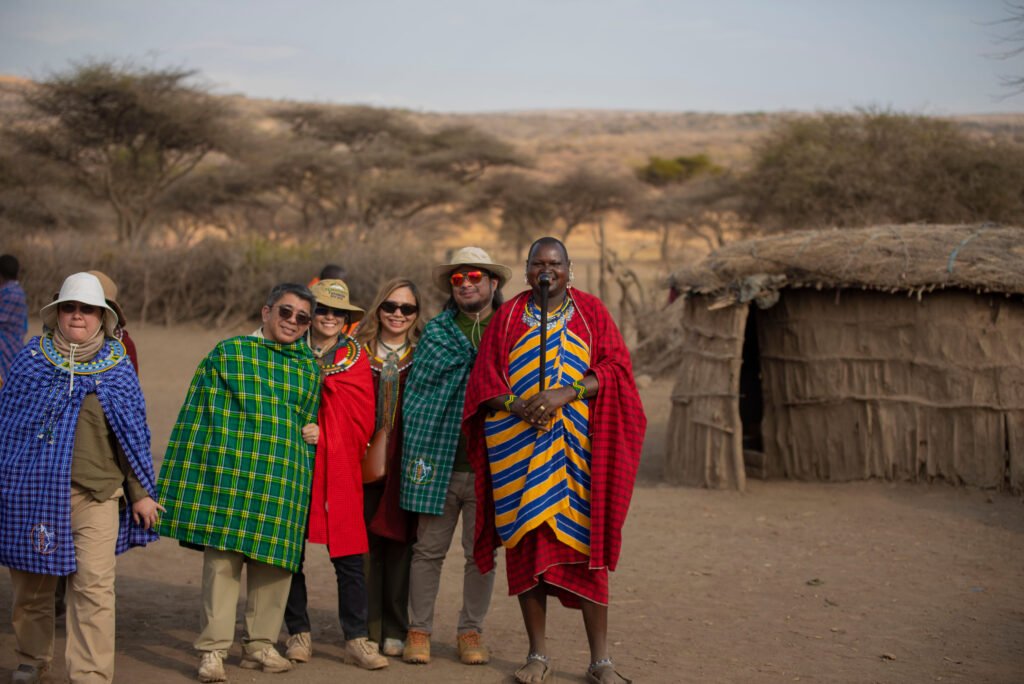
The Maasai Tribe: Culture, Traditions, and History and the deep connection to land
Land is central to Maasai identity and survival. Their traditional pastoral system depends on open rangelands, seasonal movement, and shared grazing areas that support both livestock and wildlife. Modern land-use research supported by the International Union for Conservation of Nature shows that traditional grazing systems, when properly respected, can help maintain healthy grasslands and reduce land degradation in semi-arid environments.
Environmental policy coordination led by the United Nations Environment Programme and rangeland research promoted by the Center for International Forestry Research further confirm that community land stewardship plays an important role in protecting water sources, soil structure, and wildlife corridors across East Africa.
The Maasai Tribe: Culture, Traditions, and History and traditional knowledge of wildlife
For centuries, Maasai communities have lived side by side with large wildlife such as elephants, lions, and wildebeest, developing detailed ecological knowledge about animal behaviour, migration patterns, and seasonal changes. Landscape conservation research coordinated by the Wildlife Conservation Society and regional wildlife corridor protection supported by the African Wildlife Foundation recognise the importance of indigenous knowledge in managing shared landscapes between people and wildlife.
Large carnivore protection programmes supported by Panthera and biodiversity monitoring systems developed by the Global Biodiversity Information Facility now integrate community observations to improve conservation planning and reduce human-wildlife conflict in pastoral areas.
The Maasai Tribe: Culture, Traditions, and History and social structure
Maasai society is organised around strong family ties, age-set systems, and leadership structures that guide responsibilities from childhood to elderhood. Cultural protection frameworks supported by UNESCO emphasise the importance of safeguarding oral traditions, ceremonies, and indigenous languages as part of humanity’s shared heritage.
Social development research coordinated by the UN Department of Economic and Social Affairs also highlights that communities with strong cultural identity and decision-making structures are better positioned to manage education, health services, and natural resources in a sustainable way.
The Maasai Tribe: Culture, Traditions, and History and rites of passage
Rites of passage remain one of the strongest pillars of Maasai identity, guiding children into adulthood and adulthood into leadership and responsibility. These ceremonies carry lessons about bravery, discipline, respect, and service to the wider community, values that continue to influence young people even as formal education becomes more accessible in rural areas.
Education and cultural resilience research supported by the World Bank shows that communities that protect cultural identity while expanding access to schooling achieve better long-term social and economic stability.
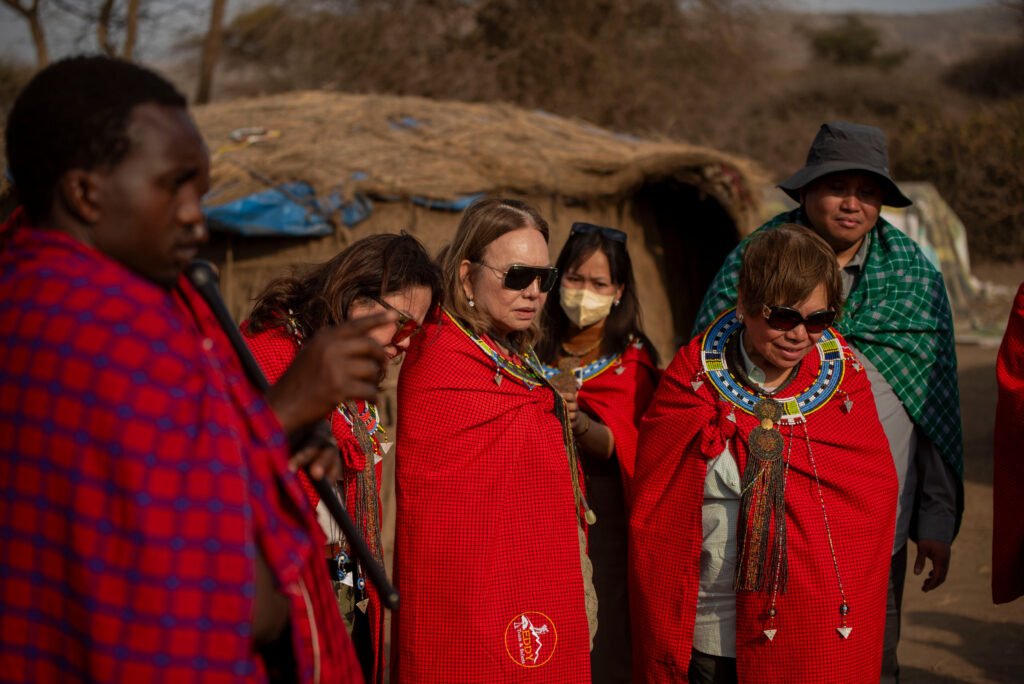
The Maasai Tribe: Culture, Traditions, and History and modern challenges
Despite their strong cultural foundation, Maasai communities face increasing pressure from land fragmentation, climate change, and limited access to water and grazing resources. Climate assessments published by the Intergovernmental Panel on Climate Change confirm that dryland regions in East Africa are becoming more vulnerable to drought and unpredictable rainfall, directly affecting pastoral livelihoods.
Biodiversity risk assessments coordinated by the Intergovernmental Science-Policy Platform on Biodiversity and Ecosystem Services also warn that shrinking natural habitats increase conflict between people and wildlife, especially in areas where traditional migration routes are blocked by infrastructure and settlement expansion.
The Maasai Tribe: Culture, Traditions, and History and community-led conservation
Across northern Tanzania, community-based conservation models are increasingly supporting Maasai land management systems. Protected area planning and ecosystem mapping coordinated by the UN Environment Programme World Conservation Monitoring Centre and sustainable land-use strategies promoted by Conservation International show how local governance strengthens conservation outcomes.
Habitat restoration and rangeland protection programmes supported by The Nature Conservancy and wildlife movement studies by BirdLife International also demonstrate that community-managed land is essential for maintaining ecological connectivity across savannah landscapes.
The Maasai Tribe: Culture, Traditions, and History and health, education, and wellbeing
Access to healthcare and education is improving in many Maasai areas, supported by national and international development initiatives. Public health guidance published by the World Health Organization supports rural health programmes that address maternal care, clean water access, and disease prevention in pastoral communities.
Labour and employment protection frameworks promoted by the International Labour Organization further strengthen fair working opportunities linked to conservation, guiding services, and cultural tourism activities.
The Maasai Tribe: Culture, Traditions, and History and responsible cultural tourism
When cultural tourism is well managed, it creates an opportunity for visitors to learn respectfully while directly supporting community projects. Development research published by the Overseas Development Institute confirms that responsible tourism generates more sustainable income for rural communities than mass tourism models.
Visitors who wish to experience authentic Maasai culture often include village visits and guided cultural programmes through Eddy Tours and Safaris, where community consent, fair payments, and cultural sensitivity are prioritised.
The Maasai Tribe: Culture, Traditions, and History and the role of travellers
Travellers play a growing role in supporting Maasai culture through responsible choices. Ethical travel guidelines promoted by the Food and Agriculture Organization and sustainable land-use strategies supported by the Convention on Biological Diversity encourage visitors to support conservation-friendly livelihoods.
Many guests design wildlife and cultural itineraries using custom safari and cultural experiences in Tanzania, allowing them to combine national park visits with meaningful cultural interaction.
The Maasai Tribe: Culture, Traditions, and History as a living heritage
This cultural heritage is not frozen in time. It continues to adapt through education, technology, conservation partnerships, and community leadership. Environmental governance guidance from UN Environment and sustainable development research published through ScienceDirect increasingly recognise that indigenous communities are essential partners in long-term environmental protection.
Visitors who want to explore Maasai lands with respect and genuine learning can begin by planning their journeys through locally operated travel services in Tanzania, where cultural experiences are carefully designed to protect dignity, traditions, and community priorities.
In simple words, The Maasai Tribe: Culture, Traditions, and History represents courage, wisdom, and balance between people and nature. By travelling responsibly and supporting community-led tourism, you help protect one of Africa’s most remarkable living cultures while creating a journey that truly matters.