
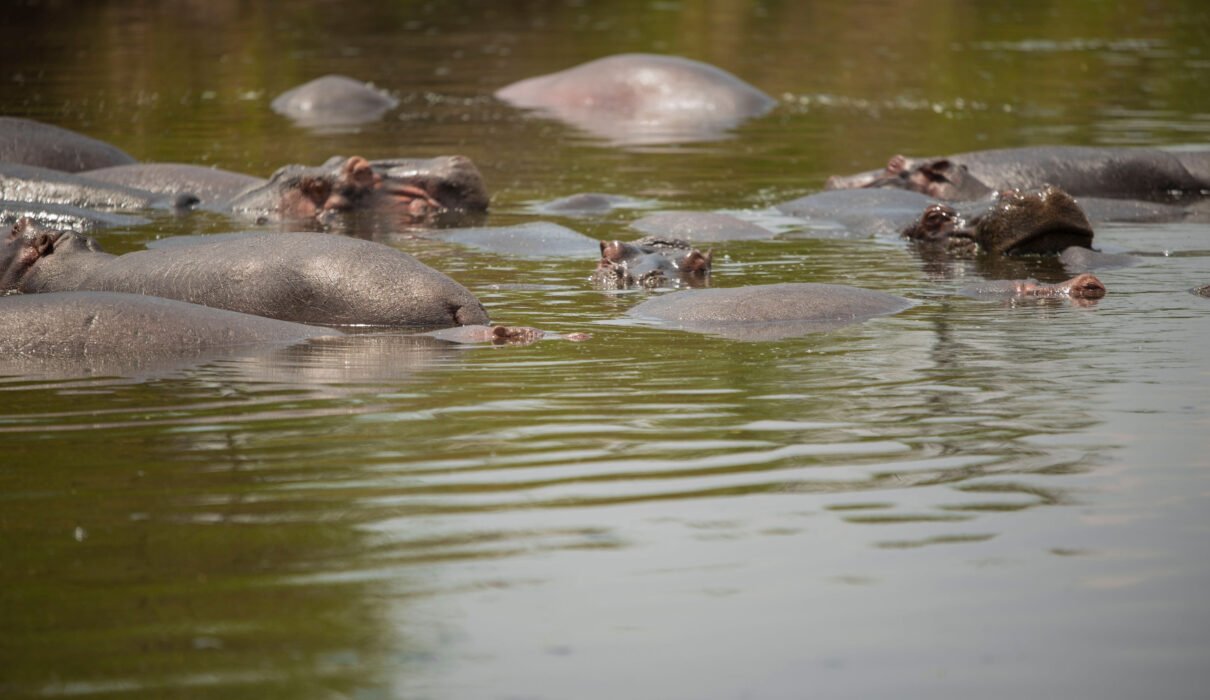
25 Weird and Fun Facts About Animals is a joyful way to discover how strange, intelligent, playful and surprising wildlife can be, while also learning how scientists, conservation groups and local communities work every day to protect the animals we love to watch, photograph and admire in the wild.
From animals that can recognise human faces, to species that communicate through vibrations, colour changes or body language, the natural world is full of stories that feel almost unreal. But behind every fun and strange behaviour, there is serious science, careful research and long-term conservation work that helps these animals survive in fast-changing environments.
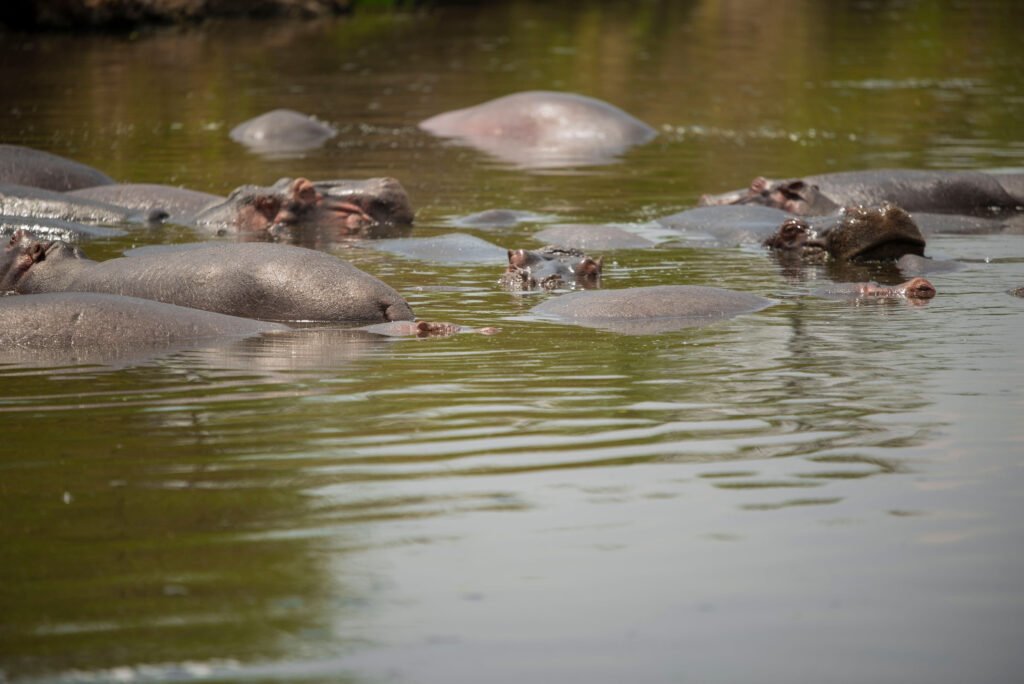
25 Weird and Fun Facts About Animals and why strange behaviour matters in nature
Many weird animal behaviours are not accidents. They are clever survival tools shaped by evolution and environmental pressure. Conservation science promoted by the International Union for Conservation of Nature and field research supported by the Wildlife Conservation Society show that unusual feeding habits, communication methods and social structures help animals avoid predators, find food and protect their young in difficult landscapes. In Africa, Asia and South America, wildlife experts continue to study how animal intelligence and behaviour adapt to human activity and climate stress.
Global protection programmes led by the World Wide Fund for Nature, the African Wildlife Foundation and Conservation International also explain that understanding animal behaviour helps design better protected areas, safer wildlife corridors and stronger community conservation systems.
25 Weird and Fun Facts About Animals and how science proves them
Many fun facts you hear about animals today are carefully tested by scientists in the field and in laboratories. Biodiversity data platforms managed by the Global Biodiversity Information Facility allow researchers to compare species distribution and behaviour patterns across continents, while global biodiversity assessments coordinated by the Intergovernmental Science-Policy Platform on Biodiversity and Ecosystem Services help governments understand how animal populations change when habitats disappear or become fragmented.
Climate research published by the Intergovernmental Panel on Climate Change shows that many animals now change migration routes, breeding timing and daily activity because of rising temperatures and unpredictable rainfall. What looks funny or strange to us can be a serious response to environmental stress.
25 Weird and Fun Facts About Animals and the landscapes that shape their lives
Animals behave differently depending on the land they live in. Forests, wetlands, grasslands, deserts and mountains all shape how animals move, hide, hunt and communicate. Environmental planning supported by the United Nations Environment Programme, land and food system research from the Food and Agriculture Organization, and forest science led by the Center for International Forestry Research show that protecting ecosystems protects animal behaviour itself, not only animal numbers.
Protected area mapping and wildlife habitat monitoring coordinated by the UN Environment Programme World Conservation Monitoring Centre helps conservation managers understand which landscapes are critical for animals that depend on complex habitats, such as primates, birds, amphibians and large mammals.
25 Weird and Fun Facts About Animals and birds, big cats and secret hunters
Some of the most surprising animal facts come from birds and predators. Research and conservation work from BirdLife International shows that many birds can remember hundreds of food locations and communicate danger through sound patterns, while big cat protection programmes supported by Panthera reveal how leopards, lions and jaguars adapt hunting strategies depending on human presence, vegetation and prey movement.
Habitat restoration and wildlife movement research promoted by The Nature Conservancy also helps scientists understand how animals quietly change their daily routines to avoid roads, farms and growing towns.
25 Weird and Fun Facts About Animals and cultural respect for wildlife
Across many cultures, animals are part of stories, beliefs and traditional knowledge. Cultural heritage programmes supported by UNESCO recognise that wildlife is deeply connected to identity, language and local wisdom, while social research coordinated by the UN Department of Economic and Social Affairs shows that communities who value animals culturally are often more willing to protect them.
In Tanzania, Kenya and other wildlife-rich countries, community education and conservation awareness play a strong role in reducing illegal hunting and habitat destruction. Visitors who travel responsibly and listen to local stories learn far more than simple animal facts.
25 Weird and Fun Facts About Animals and community livelihoods
Behind every protected animal is a community that helps protect land, report wildlife threats and guide visitors. Economic studies published by the World Bank and fair-work standards promoted by the International Labour Organization show that wildlife tourism can support education, health services and household income when it is managed responsibly.
Many travellers who wish to learn fun and strange animal behaviour in the wild choose guided experiences through Eddy Tours and Safaris, where local guides share real field stories and help visitors understand how wildlife protection directly supports nearby villages.
25 Weird and Fun Facts About Animals and health, safety and ethical travel
Watching animals in the wild should always protect both people and wildlife. Health and safety guidance from the World Health Organization helps tourism operators improve hygiene and emergency response, especially in remote parks and nature reserves, while ethical wildlife interaction standards reduce stress on animals and prevent dangerous human-animal encounters.
Travellers planning wildlife experiences in East Africa often begin their journey by exploring responsible safari options through local Tanzania safari services, where itineraries are designed to follow park rules and respect animal behaviour.
25 Weird and Fun Facts About Animals and global wildlife laws
Animal protection depends on strong laws and international cooperation. Conservation planning frameworks promoted by the Convention on Biological Diversity guide countries on how to protect species, restore ecosystems and regulate tourism in sensitive habitats. These policies help ensure that animals are protected not only inside parks, but also across surrounding landscapes.
25 Weird and Fun Facts About Animals and the joy of seeing wildlife in the wild
There is something deeply emotional about seeing animals behave naturally in their own environment. It changes how people think about nature, consumption and responsibility. For travellers who want to experience wildlife respectfully and learn real stories behind animal behaviour, personalised journeys organised through custom safari itineraries in Tanzania allow visitors to explore forests, savannahs and wetlands while supporting conservation and community programmes.
Many guests also combine wildlife viewing with cultural visits and conservation learning through responsible African travel experiences, creating deeper and more meaningful memories than simple sightseeing.
In the end, 25 Weird and Fun Facts About Animals is not only about entertainment. It is about understanding how clever, sensitive and connected animals truly are. When you travel responsibly, support conservation organisations and choose ethical operators, you help protect the strange, funny and wonderful behaviours that make wildlife so special for the future.