
Interesting Facts About the Serengeti open a deeper window into one of the most famous and emotionally powerful wildlife landscapes on Earth, where endless grasslands, ancient migration routes and living conservation science come together to protect millions of animals and the communities that depend on this fragile ecosystem.
When people hear the word Serengeti, they often imagine wide plains and large herds of animals, but very few travelers truly understand how complex, sensitive and scientifically important this ecosystem really is. Beyond beautiful photographs, the Serengeti is a living natural system shaped by climate, soil, fire, predators, people and long-term protection policies that continue to evolve every year.
Interesting Facts About the Serengeti and why this ecosystem still survives
One of the most important Interesting Facts About the Serengeti is that its survival is not accidental. The protection of this ecosystem is strongly guided by global conservation leadership from the International Union for Conservation of Nature, environmental coordination from the United Nations Environment Programme, and wildlife research programmes led by the Wildlife Conservation Society. These institutions support park management systems, biodiversity monitoring and long-term ecological planning that help maintain wildlife populations and prevent uncontrolled land conversion around protected areas.
Regional habitat protection initiatives supported by the African Wildlife Foundation also play a critical role in strengthening wildlife corridors outside national park boundaries, ensuring that animals are not isolated inside small protected islands but can still move naturally across seasonal landscapes.
Interesting Facts About the Serengeti and the science behind the Great Migration
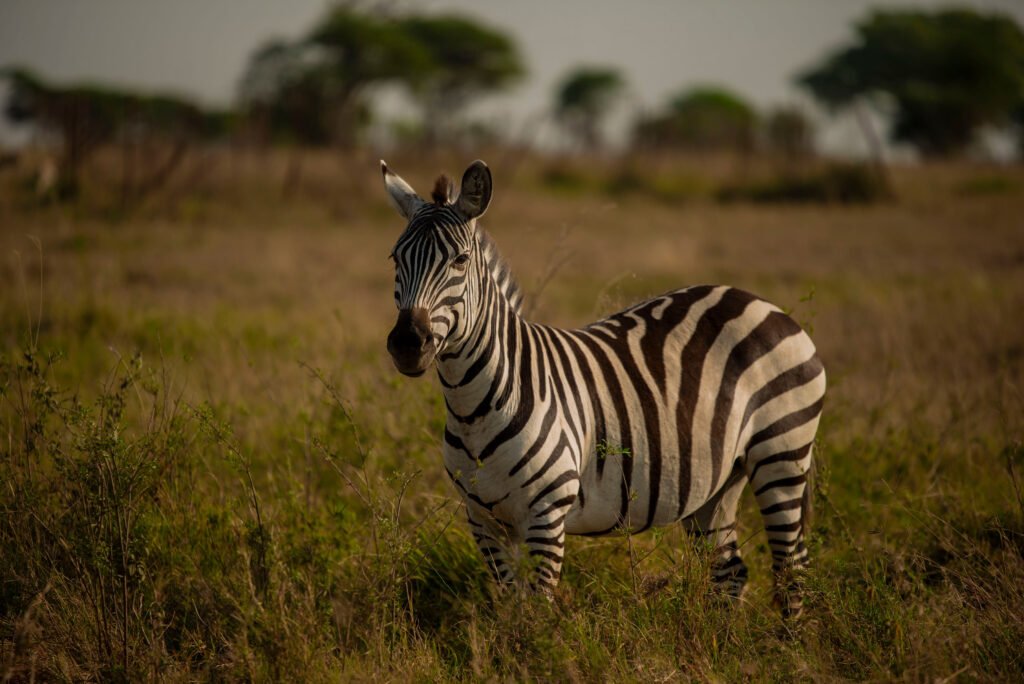
Among the most powerful Interesting Facts About the Serengeti is that the famous migration is not guided by instinct alone. It is driven by rainfall patterns, soil nutrients and grass growth cycles that scientists carefully monitor using biodiversity and climate data. Global species information shared through the Global Biodiversity Information Facility allows researchers to track species movement and habitat use, while large-scale ecosystem studies coordinated by the Intergovernmental Science-Policy Platform on Biodiversity and Ecosystem Services help governments understand how land use and climate pressure affect wildlife survival.
Scientific assessments published by the Intergovernmental Panel on Climate Change clearly show that rainfall shifts and rising temperatures directly influence grazing patterns and water availability, making the migration one of the most sensitive indicators of environmental change in East Africa.
Interesting Facts About the Serengeti and predators that shape the ecosystem
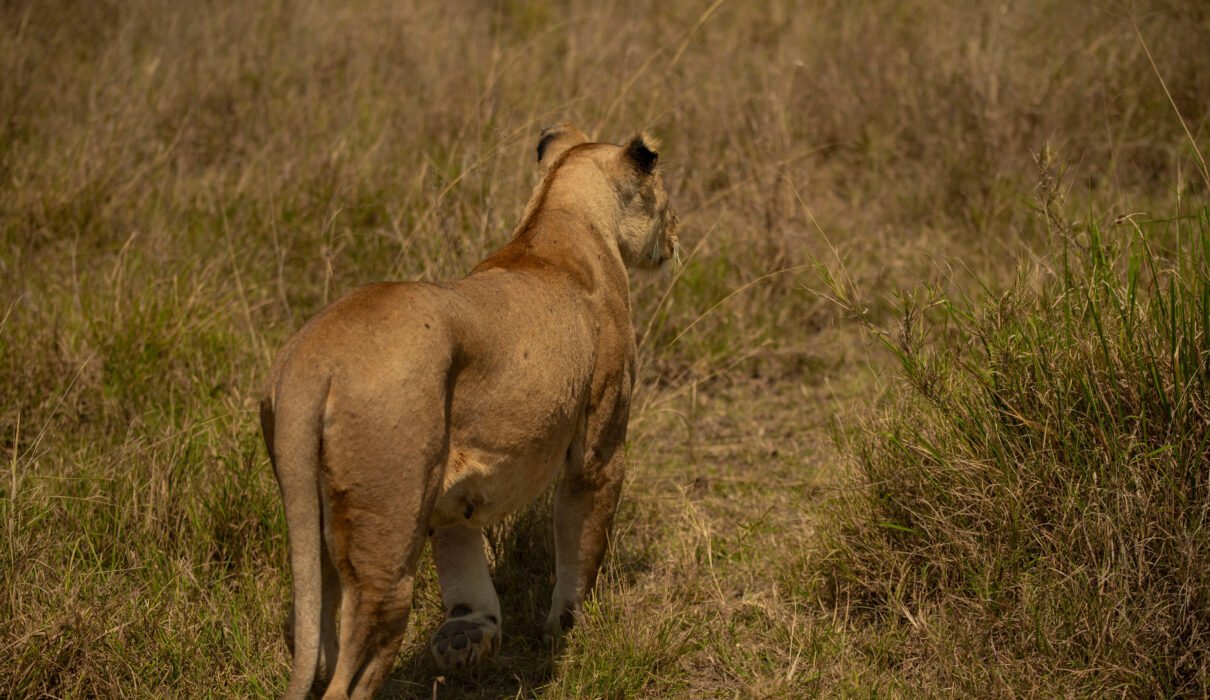
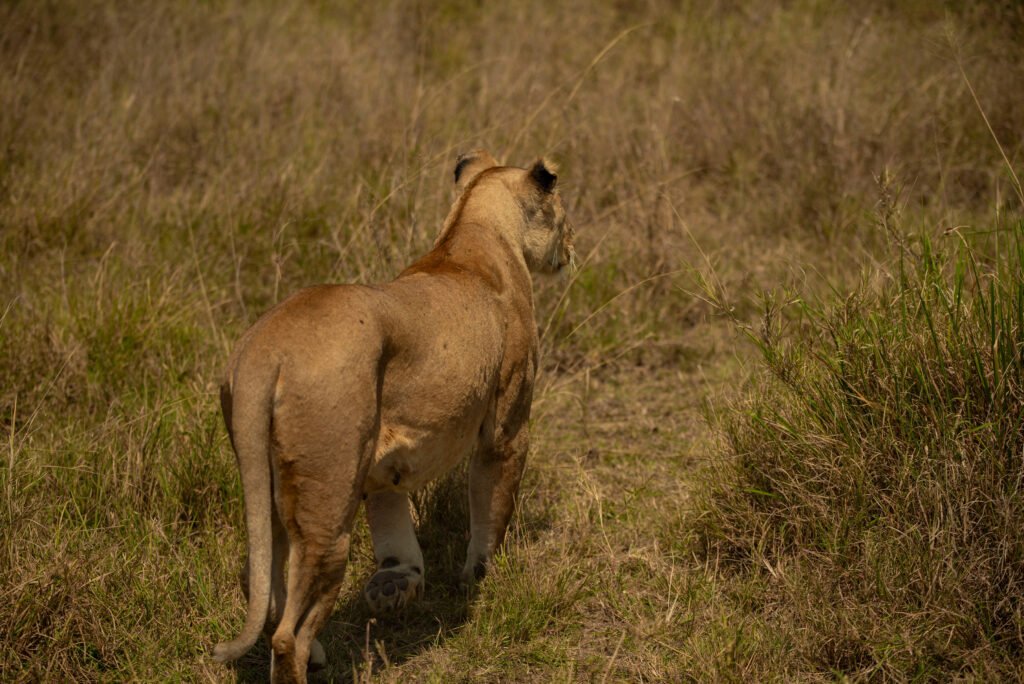
Another key part of Interesting Facts About the Serengeti is the role of predators in maintaining balance across the plains. Lions, cheetahs, leopards and hyenas regulate herbivore numbers, remove weak or injured animals and indirectly protect grasslands from overgrazing. Big cat conservation research led by Panthera provides valuable insight into predator population health, while bird and scavenger research coordinated by BirdLife International highlights how vultures and raptors contribute to disease control and ecosystem cleanliness.
Habitat restoration and landscape protection strategies developed by Conservation International and The Nature Conservancy further strengthen predator habitats by maintaining healthy prey populations and natural vegetation structures.
Interesting Facts About the Serengeti and the land itself
One of the lesser-known Interesting Facts About the Serengeti is that the ecosystem is shaped by ancient volcanic activity. The soils of the southern plains are enriched by volcanic ash from the Ngorongoro highlands, creating highly nutritious grass that supports massive herbivore populations. Long-term landscape and vegetation research published through ScienceDirect confirms how soil chemistry directly affects grazing patterns and animal distribution.
Forest and rangeland research coordinated by the Center for International Forestry Research further shows how fire management and tree-grass balance help prevent bush encroachment and maintain open savannah ecosystems that are essential for migratory species.
Interesting Facts About the Serengeti and climate resilience
Climate resilience is now one of the most serious challenges highlighted in Interesting Facts About the Serengeti. Monitoring programmes supported by the UN Environment Programme World Conservation Monitoring Centre help track ecosystem change, while freshwater and wetland protection policies coordinated by UN Environment support the protection of seasonal rivers and wetlands that animals depend on during dry periods.
Food and land-use systems promoted by the Food and Agriculture Organization help communities around the Serengeti adopt farming practices that reduce pressure on wildlife habitats while improving food security.
Interesting Facts About the Serengeti and people who live with wildlife
Another powerful element of Interesting Facts About the Serengeti is the relationship between wildlife and surrounding communities. Development research published by the World Bank clearly shows that community-based tourism and conservation partnerships improve household income and reduce illegal land use. Labour standards promoted by the International Labour Organization strengthen working conditions for rangers, guides, drivers and lodge staff.
Cultural heritage protection frameworks supported by UNESCO and social development studies coordinated by the UN Department of Economic and Social Affairs demonstrate how cultural identity and traditional land knowledge contribute to long-term conservation success.
Interesting Facts About the Serengeti and international wildlife law
Legal protection is another critical part of Interesting Facts About the Serengeti. Biodiversity policy and protected-area governance frameworks supported by the Convention on Biological Diversity guide how Tanzania and neighboring countries design conservation strategies, manage tourism pressure and support species recovery programmes at national and regional levels.
Interesting Facts About the Serengeti and visitor safety in wild landscapes
Responsible travel depends on strong safety systems, and this is also part of the wider Interesting Facts About the Serengeti. Health guidance published by the World Health Organization supports safe travel practices in wildlife areas, while emergency preparedness frameworks promoted by the American Red Cross strengthen outdoor risk management and field response systems in remote environments.
Interesting Facts About the Serengeti and responsible safari tourism
One of the most positive Interesting Facts About the Serengeti is that responsible tourism now plays a major role in financing conservation, ranger operations and community projects. Research published by the Overseas Development Institute confirms that well-managed tourism creates long-term economic stability while protecting natural resources.
Travelers who choose ethical safari experiences through Eddy Tours & Safaris directly support conservation education, local employment and wildlife protection initiatives around major parks and community areas.
Many visitors also plan their wildlife journeys through custom Tanzania safari itineraries, which allow them to explore the Serengeti responsibly while respecting animal behavior and conservation guidelines.
Interesting Facts About the Serengeti and wildlife corridors beyond the park
Wildlife movement outside park borders is one of the most sensitive Interesting Facts About the Serengeti. Landscape connectivity research coordinated by the Wildlife Conservation Society and corridor protection strategies supported by the African Wildlife Foundation help protect seasonal migration routes that cross community lands and agricultural zones.
Species distribution mapping supported by the Global Biodiversity Information Facility continues to improve cross-border conservation planning and regional wildlife cooperation.
Interesting Facts About the Serengeti as a life-changing travel experience
Perhaps the most emotional of all Interesting Facts About the Serengeti is how deeply the landscape changes the people who visit it. Standing quietly as wildebeest move across the horizon, listening to distant lions calling at dusk and watching elephants walk slowly through golden grass reminds visitors that conservation is not an abstract idea – it is a real and fragile responsibility.
Travelers who organize their journeys through professional Serengeti safari planning services are able to enjoy meaningful wildlife encounters while supporting conservation partnerships and community programmes across northern Tanzania.
In simple words, Interesting Facts About the Serengeti reveal a living ecosystem shaped by science, climate, people and careful protection. When travelers choose responsible operators and respect wildlife, they become part of the effort to protect one of the world’s most extraordinary natural landscapes.