
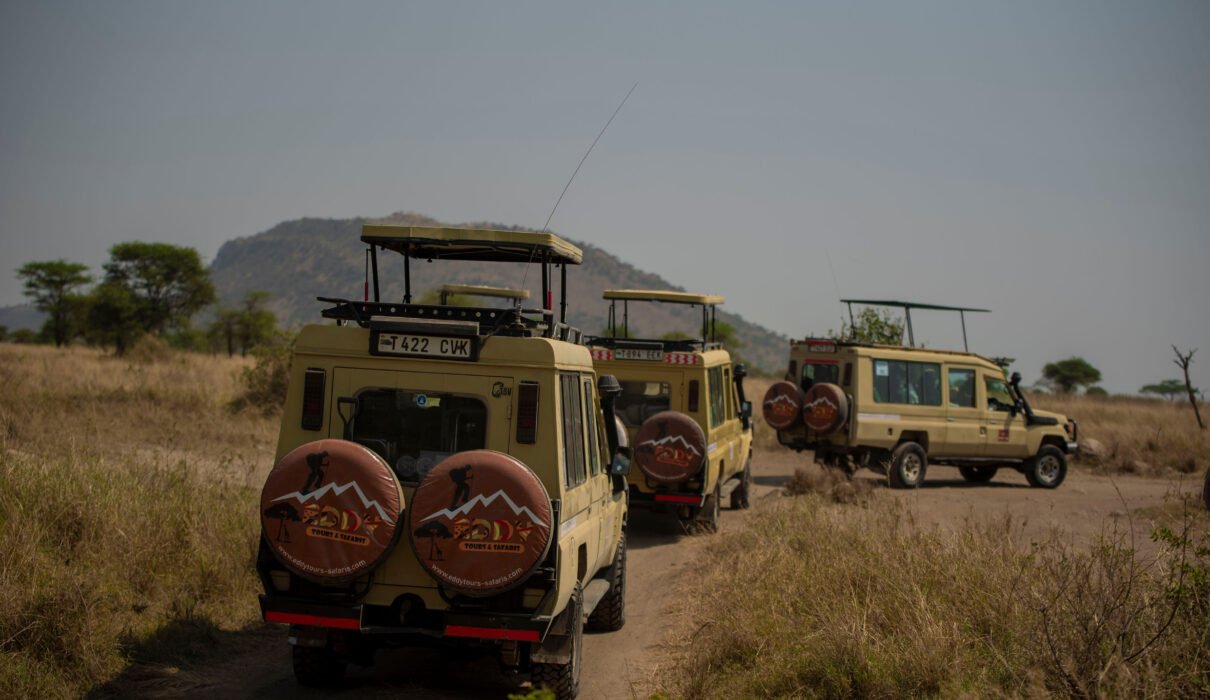
How to Prepare for a Safari in Tanzania is one of the most important questions every traveller should ask before arriving in East Africa, because a safari is not only about seeing animals but also about respecting nature, protecting your own health, understanding local culture and choosing travel services that truly support wildlife conservation and community livelihoods.
A well-prepared safari allows you to relax, enjoy every game drive and feel confident that your visit contributes positively to the country you are exploring, instead of placing pressure on fragile ecosystems or local communities that depend on responsible tourism.
How to Prepare for a Safari in Tanzania with the right health and safety planning
When learning how to prepare for a safari in Tanzania, health and personal safety should always come first, especially because many wildlife areas are far from hospitals and urban centres. Travel health guidance published by the World Health Organization explains how travellers should plan vaccinations, malaria prevention and basic hygiene measures before visiting tropical destinations, while disease prevention advice from the Centers for Disease Control and Prevention supports travellers in reducing common risks linked to insect bites and food handling in remote environments. Emergency response and outdoor safety standards promoted by the American Red Cross are also widely used by safari operators to strengthen first-aid readiness and evacuation procedures during field activities.
For families and older travellers, it is strongly recommended to consult travel health professionals in advance, carry personal medication and maintain adequate travel insurance, especially when visiting national parks and conservation areas where professional medical facilities may take time to reach.
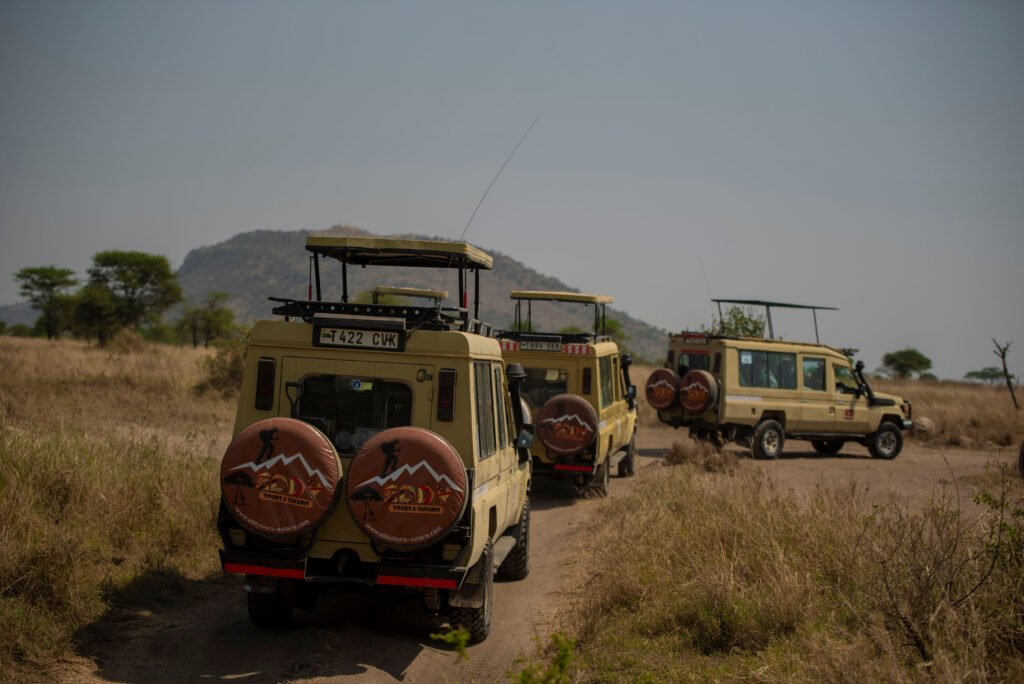
How to Prepare for a Safari in Tanzania by understanding conservation rules and park behaviour
Knowing how to behave inside protected areas is an essential part of learning how to prepare for a safari in Tanzania, because wildlife protection depends heavily on visitor discipline and respect for park regulations. Global conservation guidance from the International Union for Conservation of Nature and environmental management standards supported by the United Nations Environment Programme clearly show that off-road driving, wildlife disturbance and poor waste management create long-term damage to ecosystems.
Wildlife research organisations such as the Wildlife Conservation Society, habitat protection programmes from the African Wildlife Foundation and ecosystem restoration initiatives led by Conservation International and The Nature Conservancy demonstrate that responsible visitor behaviour directly supports wildlife survival, especially for sensitive species and breeding areas.
How to Prepare for a Safari in Tanzania by choosing the right time and travel expectations
Many travellers preparing their first safari often expect constant wildlife sightings and perfect conditions every day, but learning how to prepare for a safari in Tanzania also means understanding that nature follows its own rhythm. Scientific species distribution and seasonal movement data provided by the Global Biodiversity Information Facility and ecosystem monitoring coordinated by the UN Environment Programme World Conservation Monitoring Centre show that rainfall patterns, vegetation growth and animal movements change throughout the year.
Climate assessments published by the Intergovernmental Panel on Climate Change and biodiversity risk evaluations coordinated by the Intergovernmental Science-Policy Platform on Biodiversity and Ecosystem Services also highlight how climate variability influences wildlife distribution and water availability, meaning flexibility and patience are part of a real safari experience.
How to Prepare for a Safari in Tanzania by packing responsibly and lightly
A common mistake for first-time visitors is overpacking, but learning how to prepare for a safari in Tanzania means carrying only what is truly useful, practical and environmentally responsible. Outdoor travel and environmental field guidelines promoted by the Food and Agriculture Organization for remote operations encourage travellers to limit plastic use, carry reusable water containers and respect waste management rules in protected landscapes.
Comfortable clothing in neutral colours, basic sun protection, binoculars and personal hygiene items are usually sufficient, while heavy luggage increases fuel consumption and logistical pressure in conservation areas that already operate with limited infrastructure.
How to Prepare for a Safari in Tanzania by respecting local culture and communities
Responsible preparation is not complete without cultural awareness. Learning how to prepare for a safari in Tanzania includes understanding that many wildlife areas are surrounded by communities who depend on tourism income for education, health and food security. Cultural heritage protection frameworks promoted by UNESCO encourage travellers to respect traditional practices, dress modestly in villages and ask permission before taking photographs of people.
Community development research coordinated by the UN Department of Economic and Social Affairs, economic impact studies published by the World Bank and labour protection standards promoted by the International Labour Organization all confirm that ethical tourism strengthens livelihoods when visitors choose locally based operators and community-linked programmes.
How to Prepare for a Safari in Tanzania with realistic wildlife expectations
Understanding animal behaviour is an important part of how to prepare for a safari in Tanzania, because wildlife sightings depend on many natural factors beyond the control of guides. Bird monitoring programmes led by BirdLife International, predator conservation research supported by Panthera and large-scale biodiversity research published through ScienceDirect show how animal movement patterns are linked to food availability, breeding cycles and climate conditions.
This knowledge helps travellers appreciate the full safari experience, even during quieter moments when the landscape itself becomes part of the journey.
How to Prepare for a Safari in Tanzania by choosing responsible safari operators
One of the most practical steps when learning how to prepare for a safari in Tanzania is selecting operators who genuinely support conservation and communities. Responsible tourism research published by the Overseas Development Institute confirms that well-managed safari businesses play a major role in financing conservation programmes and reducing pressure on wildlife habitats.
Travellers planning their safari often begin with Eddy Tours and Safaris, where itineraries are designed to respect wildlife regulations, support community partnerships and promote ethical guiding practices. Many visitors also organise personalised journeys through custom safari packages in Tanzania that match their interests while maintaining responsible travel standards.
How to Prepare for a Safari in Tanzania by planning logistics and travel documents
Good preparation also includes travel documentation, insurance and route planning. Knowing how to prepare for a safari in Tanzania means confirming passport validity, visa requirements and park permits in advance, especially when travelling during busy seasons. Conservation governance principles supported by the Convention on Biological Diversity show how controlled access and permit systems help protect wildlife areas from overcrowding and habitat damage.
Professional safari planners assist travellers with transfers, accommodation logistics and internal flights to reduce unnecessary road traffic in sensitive ecosystems.
How to Prepare for a Safari in Tanzania and combine safari with meaningful experiences
Many travellers want more than wildlife viewing alone. Learning how to prepare for a safari in Tanzania also includes planning cultural visits, conservation talks and nature walks that deepen understanding of the country. Guests frequently combine their safari experience with village tours and conservation-based activities through local cultural and safari travel services that work directly with community partners and conservation organisations.
For travellers seeking longer and flexible itineraries, tailor-made safari and nature programmes make it possible to connect wildlife areas, cultural experiences and conservation learning into one smooth journey.
How to Prepare for a Safari in Tanzania and enjoy a stress-free experience
In simple terms, how to prepare for a safari in Tanzania is about making thoughtful decisions before you arrive, understanding how nature works, respecting people and choosing services that protect wildlife and local livelihoods. By following international health guidance, respecting conservation rules and supporting ethical operators, you help protect the very landscapes you come to enjoy.
A well-prepared safari becomes more than a holiday. It becomes a meaningful experience that supports conservation, strengthens communities and leaves you with memories built on respect for nature and real connection with Tanzania.