
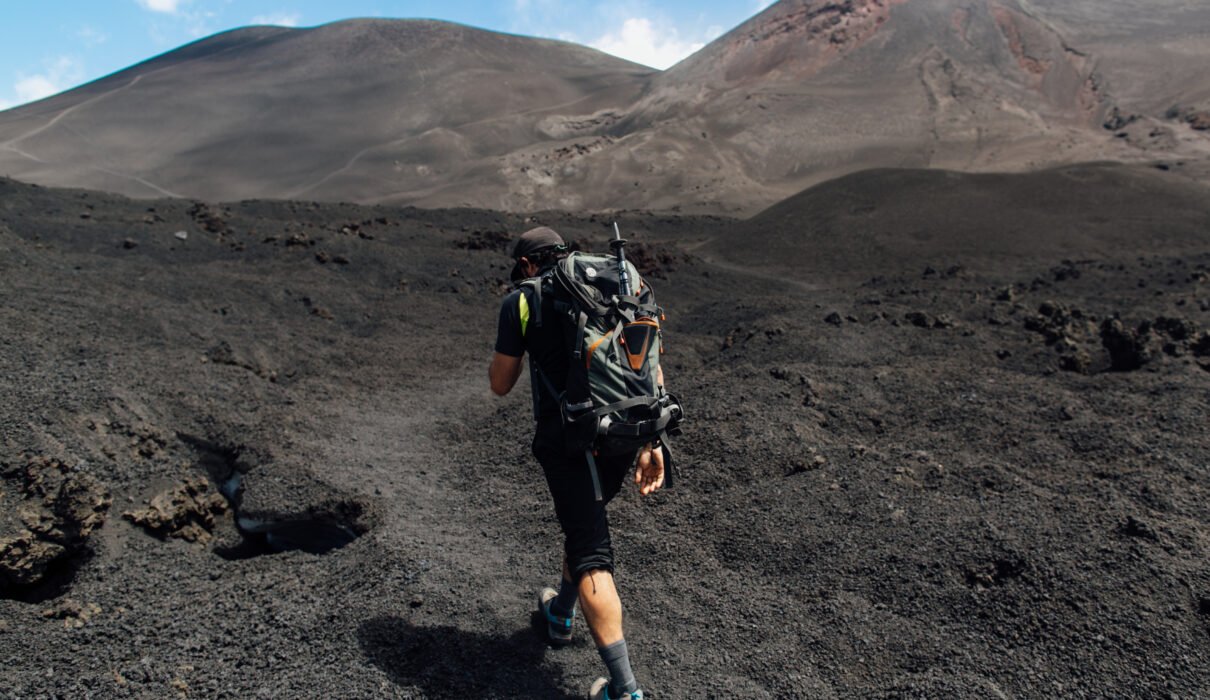
World’s Most Dangerous Mountains to Climb is not just a dramatic phrase for adventure lovers, but a serious warning drawn from science, rescue experience, weather research and real accident data collected from some of the highest and most hostile places on the planet, where thin air, violent storms, unstable ice and remote terrain make every decision matter.
Across Asia, South America, Africa and the polar regions, certain mountains repeatedly appear in accident reports because their geography and climate create conditions that human strength alone cannot defeat. These mountains demand deep respect, professional planning and honest understanding of personal limits, not only strong fitness and ambition.
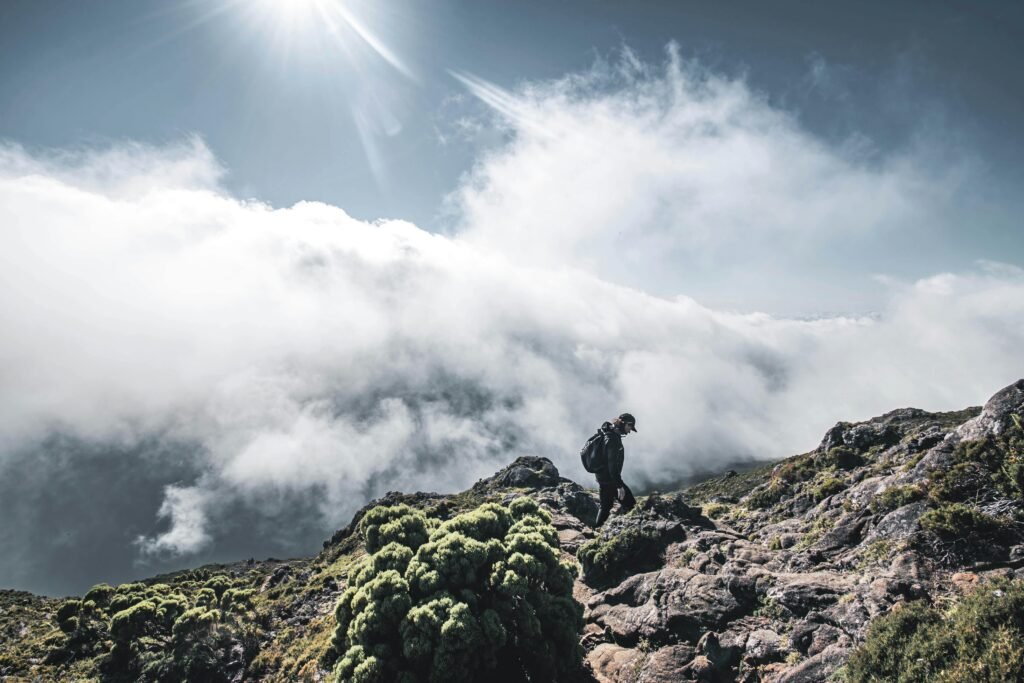
World’s Most Dangerous Mountains to Climb and what actually makes a mountain dangerous
Extreme altitude, fast-changing weather, hidden crevasses, rockfall and isolation are the main reasons some mountains become life-threatening environments. High-altitude health research published by the World Health Organization shows that reduced oxygen levels directly affect judgment, coordination and physical strength, while emergency response guidance from the American Red Cross confirms that evacuation in steep and remote terrain is often slow or impossible during storms.
Geological instability is another silent risk. Volcanic and tectonic mapping by the United States Geological Survey demonstrates how landslides and rock collapse zones are common in young mountain systems, while satellite observation programmes from NASA Earth Observatory continue to reveal how ice loss and thawing permafrost are increasing rockfall on high peaks around the world.
World’s Most Dangerous Mountains to Climb and climate change on high peaks
One of the fastest-growing threats on dangerous mountains today is climate instability. Scientific assessments by the Intergovernmental Panel on Climate Change confirm that high-altitude regions are warming faster than many lowland environments, increasing avalanche risk, weakening ice bridges and destabilising steep slopes that climbers rely on for safe passage.
Long-term cryosphere monitoring by the National Snow and Ice Data Center and global weather observation systems operated by the World Meteorological Organization now show how unpredictable snowfall patterns and intense temperature swings make traditional climbing seasons less reliable and far more dangerous than in the past.
World’s Most Dangerous Mountains to Climb and extreme rescue limitations
Many high-risk mountains sit far from roads, airstrips and medical facilities. Health and emergency planning research from the Centers for Disease Control and Prevention highlights how delayed treatment of altitude sickness, trauma and hypothermia significantly increases fatal outcomes in remote regions.
Mountain risk and outdoor safety studies published through ScienceDirect also show that helicopter rescue is frequently impossible due to wind, cloud cover and thin air above certain elevations, meaning that climbers must be prepared to self-manage emergencies for many hours or even days.
World’s Most Dangerous Mountains to Climb and fragile mountain ecosystems
High-risk mountains are not only dangerous for people, they are also some of the most fragile ecosystems on Earth. Conservation planning frameworks promoted by the International Union for Conservation of Nature and ecosystem protection strategies coordinated by the United Nations Environment Programme show that alpine zones host unique plant species and sensitive wildlife adapted to extreme conditions.
Long-term biodiversity observation supported by the Global Biodiversity Information Facility and habitat monitoring by the UN Environment Programme World Conservation Monitoring Centre confirm that heavy climbing traffic, waste accumulation and unregulated campsites can cause long-lasting ecological damage in these rare environments.
World’s Most Dangerous Mountains to Climb and wildlife and conservation challenges
Although wildlife is rarely associated with extreme altitude, mountain ranges form vital corridors between ecosystems. Landscape connectivity research supported by the Wildlife Conservation Society and regional protection initiatives led by the African Wildlife Foundation show how highland routes allow animals to move between seasonal habitats, especially under climate pressure.
Global conservation organisations such as World Wide Fund for Nature, Conservation International and The Nature Conservancy continue to warn that poorly managed adventure tourism in mountain zones can fragment these corridors and weaken entire ecosystems.
World’s Most Dangerous Mountains to Climb and the human factor
Research consistently shows that human decision-making is one of the biggest risk factors on extreme mountains. Psychological and behavioural studies coordinated through the American Psychological Association indicate that fatigue, group pressure and summit fixation often lead climbers to ignore early warning signs and weather alerts.
High-altitude expedition behaviour studies published through RAND Corporation further demonstrate that strong leadership and structured decision protocols dramatically reduce accident rates during technical ascents.
World’s Most Dangerous Mountains to Climb and responsible adventure travel
Responsible climbing does not remove risk, but it significantly improves safety and environmental protection. International labour and safety standards promoted by the International Labour Organization and food and logistics safety guidance from the Food and Agriculture Organization help expedition teams maintain healthier and safer working conditions for guides, porters and support crews.
Travelers planning challenging but well-managed mountain journeys often choose professionally organised experiences through local adventure and trekking services, where safety procedures, environmental care and fair employment are clearly integrated into each itinerary.
World’s Most Dangerous Mountains to Climb and learning from safer peaks
Not every great mountain experience needs to be extreme. Many climbers and trekkers build experience gradually on lower-risk routes that still offer powerful scenery and cultural interaction. Carefully structured mountain programs available through professional Kilimanjaro travel planning allow travellers to gain high-altitude experience under controlled conditions while supporting conservation and community livelihoods.
For visitors who want balanced adventure combined with strong safety standards, custom trekking and wildlife combinations designed through tailor-made Tanzania travel itineraries provide a responsible pathway into mountain environments without unnecessary exposure to extreme risk.
World’s Most Dangerous Mountains to Climb and international protection frameworks
Global environmental law and biodiversity policy supported by the Convention on Biological Diversity and cultural landscape protection promoted by UNESCO help governments regulate access, manage visitor numbers and protect fragile mountain heritage sites that are increasingly threatened by climate change and tourism pressure.
These frameworks remind both operators and travellers that adventure must coexist with long-term environmental responsibility.
World’s Most Dangerous Mountains to Climb as a warning and an inspiration
The world’s most dangerous peaks are powerful symbols of human courage, but they are also powerful teachers. They show how small mistakes can become fatal, how climate change is reshaping natural risks, and how fragile mountain ecosystems truly are.
For travelers seeking meaningful adventure rather than unnecessary danger, well-designed trips offered through responsible local travel services in East Africa demonstrate that challenge, safety and conservation can exist together.
In simple terms, the story behind the world’s most dangerous mountains is not about proving strength. It is about respect for nature, respect for science and respect for the people who live and work in these high places every day.