
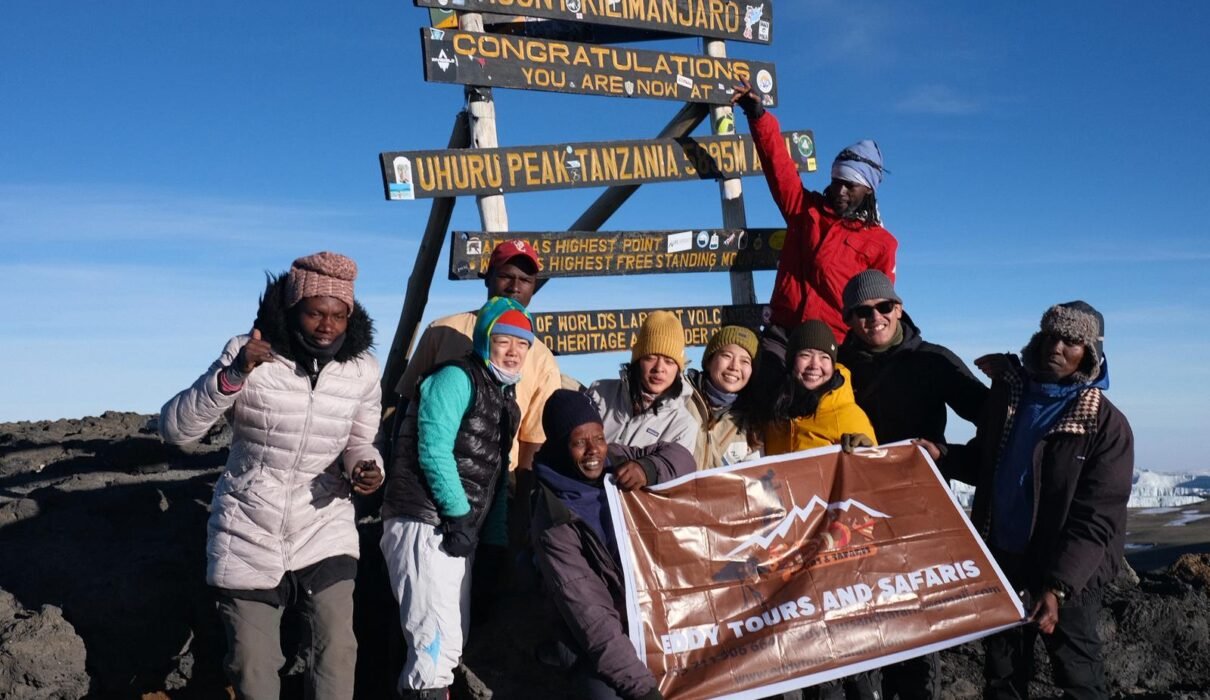
Where Is Mount Kilimanjaro Located and Why Is It Famous? is one of the most common questions asked by travellers, students and nature lovers who dream of standing beneath Africa’s most iconic mountain and understanding what truly makes this place special beyond photos and social media stories.
This mountain is not only a travel destination. It is a natural symbol of Africa, a scientific reference point for climate studies, a protected ecosystem and a cultural landmark for the people who have lived around its slopes for generations.
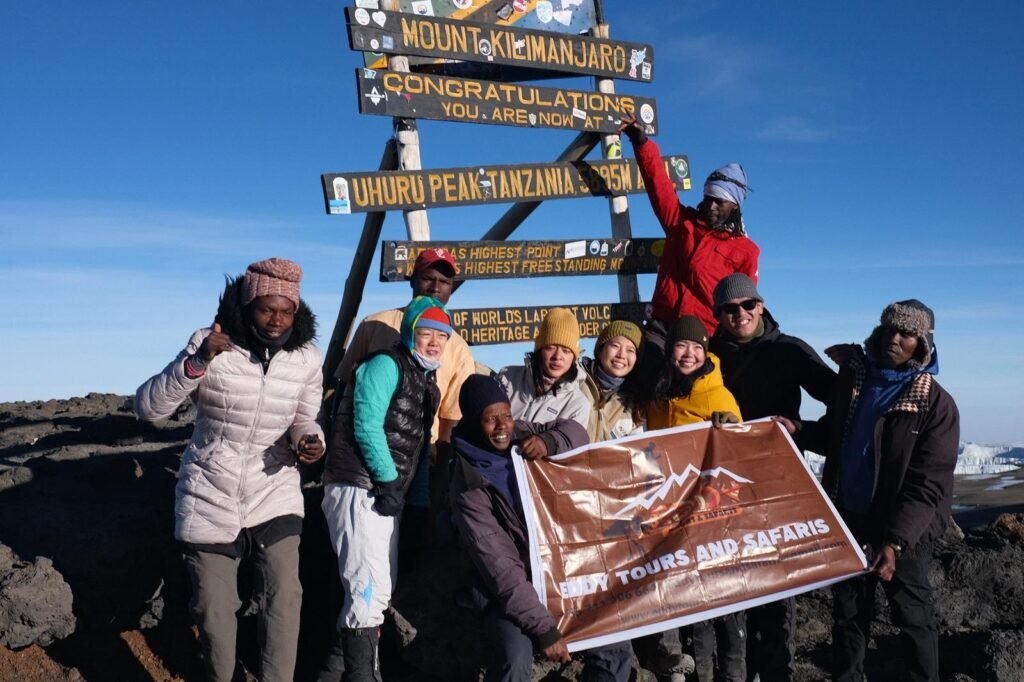
Where Is Mount Kilimanjaro Located and Why Is It Famous for its unique geographical position
Mount Kilimanjaro is located in northern Tanzania, close to the border with Kenya, rising above the surrounding plains of East Africa as the highest free-standing mountain on Earth and the tallest peak on the African continent. Its isolated position makes it visually dramatic and scientifically important, because it stands alone rather than forming part of a long mountain chain, allowing researchers to study how altitude, temperature and vegetation change over short horizontal distances. Geographical and ecosystem classification work supported by the United Nations Environment Programme and mountain ecosystem mapping coordinated by the International Union for Conservation of Nature highlight how rare such isolated volcanic mountains are and why they create very special ecological conditions.
The mountain lies inside a legally protected landscape that connects forests, moorland, alpine desert and high-altitude ecosystems in a single continuous conservation area. Biodiversity records stored by the Global Biodiversity Information Facility show that Mount Kilimanjaro supports hundreds of plant and animal species across its altitude zones, many of which are highly sensitive to temperature and land-use changes.
Where Is Mount Kilimanjaro Located and Why Is It Famous for its extraordinary natural ecosystems
One of the strongest reasons behind the global reputation of Kilimanjaro is the rapid transition between ecological zones that occur along its slopes. Forest conservation and mountain landscape research led by the Center for International Forestry Research demonstrates how the lower montane forests protect water catchments and stabilize soil for communities living below, while high-altitude vegetation zones act as important indicators of climate stress. Long-term habitat protection initiatives coordinated by the UN Environment Programme World Conservation Monitoring Centre further confirm that Kilimanjaro’s ecosystems are among the most closely monitored mountain environments in Africa.
Wildlife and forest protection programmes supported by the World Wide Fund for Nature and biodiversity protection strategies promoted by Conservation International both recognise the importance of Kilimanjaro’s forest belt as a regional biodiversity refuge and water source that supports surrounding farming communities and wildlife corridors.
Where Is Mount Kilimanjaro Located and Why Is It Famous for climate and environmental research
Mount Kilimanjaro has become one of Africa’s most referenced natural laboratories for studying climate change and environmental transformation. Scientific assessments published by the Intergovernmental Panel on Climate Change clearly show that high-altitude environments respond rapidly to changes in temperature and rainfall, making Kilimanjaro a key site for long-term climate monitoring. Biodiversity vulnerability analysis coordinated by the Intergovernmental Science-Policy Platform on Biodiversity and Ecosystem Services further highlights how species living near mountain summits face higher extinction risk as climate zones shift upward.
Restoration and ecosystem resilience research supported by The Nature Conservancy and landscape protection strategies promoted by UN Environment both use mountain systems such as Kilimanjaro to guide climate-smart conservation policies across East Africa.
Where Is Mount Kilimanjaro Located and Why Is It Famous for wildlife and forest protection
Although Kilimanjaro is best known for hiking and climbing, its surrounding forests and lower slopes play an important role in wildlife conservation. Wildlife corridor research led by the Wildlife Conservation Society and regional connectivity studies supported by the African Wildlife Foundation demonstrate how forest landscapes around Kilimanjaro link protected areas and allow animals to move safely between feeding and breeding zones.
Bird monitoring and forest habitat protection programmes coordinated by BirdLife International further show how Kilimanjaro’s forest ecosystems support important bird populations and seasonal migration routes that extend far beyond the mountain itself.
Where Is Mount Kilimanjaro Located and Why Is It Famous for its cultural importance
The mountain holds deep cultural meaning for the communities living around its base, especially the Chagga people, whose traditional land-use systems, irrigation channels and forest practices developed over centuries in close connection with the mountain’s natural cycles. Cultural heritage protection promoted by UNESCO recognises that landscapes like Kilimanjaro are not only ecological assets, but also living cultural environments shaped by human knowledge and history.
Community development research coordinated by the UN Department of Economic and Social Affairs shows that protecting cultural identity and traditional environmental knowledge strengthens conservation outcomes and improves social stability in rural mountain regions.
Where Is Mount Kilimanjaro Located and Why Is It Famous for community-based conservation
Successful protection of Mount Kilimanjaro depends heavily on cooperation between park authorities and local communities. Employment and livelihood studies published by the World Bank show that nature-based tourism, when properly managed, creates stable income opportunities for mountain communities and reduces pressure on forests and wildlife resources. Labour standards promoted by the International Labour Organization further support fair and safe working conditions for guides, porters and service staff working on the mountain.
Many visitors choose to support these local initiatives by planning responsible mountain journeys through Eddy Tours and Safaris, where local employment and environmental responsibility are central to trip design.
Where Is Mount Kilimanjaro Located and Why Is It Famous for international conservation policy
Mount Kilimanjaro also plays a role in shaping wider conservation and environmental governance. Biodiversity planning frameworks developed under the Convention on Biological Diversity guide how protected mountain landscapes are managed, monitored and integrated into national land-use planning. Scientific publishing and applied ecological research available through ScienceDirect support evidence-based decisions for tourism management, habitat restoration and environmental impact control in mountain parks.
Where Is Mount Kilimanjaro Located and Why Is It Famous for safe and responsible travel
Because of its popularity, Kilimanjaro has become a model site for safe and responsible mountain tourism. Health and travel guidance published by the World Health Organization supports altitude health awareness and emergency preparedness, while outdoor safety frameworks promoted by the American Red Cross help strengthen response systems for mountain environments and remote field operations.
Travellers preparing for their climb or mountain experience often review route options, safety procedures and environmental rules through professional Kilimanjaro travel services that focus on responsible guiding and realistic preparation.
Where Is Mount Kilimanjaro Located and Why Is It Famous for sustainable tourism experiences
Beyond climbing, Kilimanjaro supports nature walks, village visits and conservation education programmes that introduce travellers to the wider ecological and cultural landscape. Visitors interested in combining wildlife experiences with mountain travel frequently organise extended journeys using custom Tanzania travel itineraries that link Kilimanjaro with national parks and community projects.
Many guests also continue their adventure through responsible safari and nature programmes in Tanzania, allowing their travel spending to directly support conservation and local development.
Where Is Mount Kilimanjaro Located and Why Is It Famous for the future of African conservation
The long-term future of Mount Kilimanjaro is closely tied to global conservation leadership and scientific cooperation. Big-cat and large-mammal protection strategies supported by Panthera, ecosystem restoration programmes coordinated by The Nature Conservancy, and sustainable land-use guidance promoted by the Food and Agriculture Organization continue to shape how mountain landscapes and surrounding ecosystems are protected across the region.
In simple words, Where Is Mount Kilimanjaro Located and Why Is It Famous is answered not only by a point on the map, but by a powerful combination of geography, science, culture and conservation success that continues to inspire travellers and researchers around the world.