
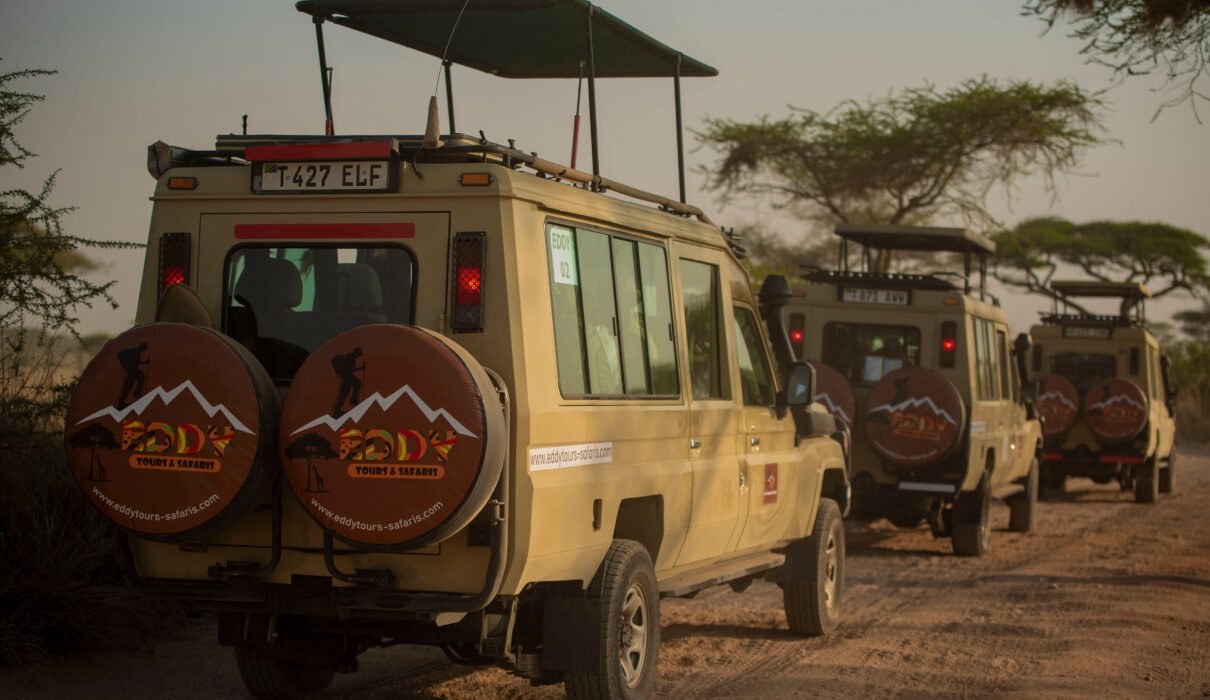
Safari in Tanzania’s Off-Season is one of the most rewarding and misunderstood travel choices for people who truly want calm landscapes, authentic wildlife moments and meaningful connections with nature and local communities, without the pressure and noise that usually come with peak travel periods.
Many travellers assume that the off-season means poor wildlife viewing or difficult conditions, but the reality is very different. In Tanzania, the quieter months often bring greener scenery, active wildlife, lower visitor numbers and stronger opportunities to support conservation projects and community tourism where your presence truly matters.
Safari in Tanzania’s Off-Season and why conservation benefits the most
Safari in Tanzania’s Off-Season plays a very important role in supporting year-round conservation work because parks, rangers and community projects operate continuously, not only when visitor numbers are high. Conservation guidance from the International Union for Conservation of Nature, environmental planning supported by the United Nations Environment Programme, and long-term wildlife monitoring led by the Wildlife Conservation Society all show that consistent tourism income helps maintain patrols, habitat restoration and scientific research throughout the year.
Regional conservation programmes supported by the African Wildlife Foundation and ecosystem protection initiatives coordinated by Conservation International confirm that spreading visitor travel across different seasons reduces environmental pressure during peak months while strengthening financial stability for protected areas.
Safari in Tanzania’s Off-Season and wildlife activity you should expect
Safari in Tanzania’s Off-Season often surprises visitors because wildlife does not disappear when crowds leave. Scientific biodiversity data shared through the Global Biodiversity Information Facility and ecosystem assessments published by the Intergovernmental Science-Policy Platform on Biodiversity and Ecosystem Services show that animal movement and habitat use are closely linked to vegetation growth, water availability and breeding cycles rather than tourism seasons.
In many areas, greener landscapes support better grazing for herbivores and more natural hunting opportunities for predators, creating very dynamic wildlife behaviour for patient and well-guided travellers.
Safari in Tanzania’s Off-Season and climate reality on the ground
Safari in Tanzania’s Off-Season should be planned with clear understanding of changing weather patterns and climate influences. Climate research published by the Intergovernmental Panel on Climate Change confirms that rainfall variability and temperature shifts now affect ecosystems across East Africa, while forest and land-use studies by the Center for International Forestry Research explain how healthy vegetation and protected catchments improve resilience during wetter and drier periods.
Environmental monitoring coordinated by the UN Environment Programme World Conservation Monitoring Centre supports better planning of tourism routes and sensitive areas so that visitors can enjoy wildlife while avoiding unnecessary ecological disturbance.
Safari in Tanzania’s Off-Season and birdlife and smaller species viewing
Safari in Tanzania’s Off-Season is especially attractive for travellers interested in birds, amphibians and lesser-known species that are often overlooked during busy periods. Conservation work led by BirdLife International shows that many important bird habitats become more active and visually rich when vegetation and water availability improve, creating excellent opportunities for birdwatching and nature photography.
Predator and carnivore research coordinated by Panthera and habitat restoration projects supported by The Nature Conservancy further confirm that wildlife behaviour follows ecological rhythms rather than tourism calendars.
Safari in Tanzania’s Off-Season and community impact
Safari in Tanzania’s Off-Season provides strong social and economic value for communities living next to protected areas. Development studies published by the World Bank clearly show that continuous tourism income improves household stability and supports education and health services in rural regions. Labour standards promoted by the International Labour Organization help strengthen fair employment conditions for guides, drivers, cooks and conservation workers.
Cultural heritage frameworks supported by UNESCO and community development research coordinated by the UN Department of Economic and Social Affairs confirm that community-based tourism builds stronger conservation partnerships and reduces conflict between people and wildlife.
Safari in Tanzania’s Off-Season and food, water and ecosystem protection
Safari in Tanzania’s Off-Season also contributes to broader environmental stability. Sustainable land and food system strategies promoted by the Food and Agriculture Organization show how protected landscapes support farming and water security beyond park borders. These ecological links are especially important during wetter months when rivers, wetlands and grazing systems recharge.
Healthy ecosystems help communities remain resilient while supporting wildlife populations that depend on seasonal resources.
Safari in Tanzania’s Off-Season and visitor health and safety
Safari in Tanzania’s Off-Season remains safe and comfortable when planned correctly. Health guidance published by the World Health Organization supports preparedness for travel in remote areas, while emergency response principles promoted by the American Red Cross strengthen outdoor safety and first-aid readiness in wildlife environments.
Good preparation, flexible travel planning and professional guiding make off-season travel smooth and enjoyable for most visitors.
Safari in Tanzania’s Off-Season and legal protection of wildlife areas
Safari in Tanzania’s Off-Season directly supports long-term conservation laws and protected-area governance. Biodiversity policy frameworks guided by the Convention on Biological Diversity strengthen national commitments to habitat protection, species recovery and responsible tourism management across the country.
These international agreements help ensure that off-season tourism still follows strict environmental standards and ethical wildlife practices.
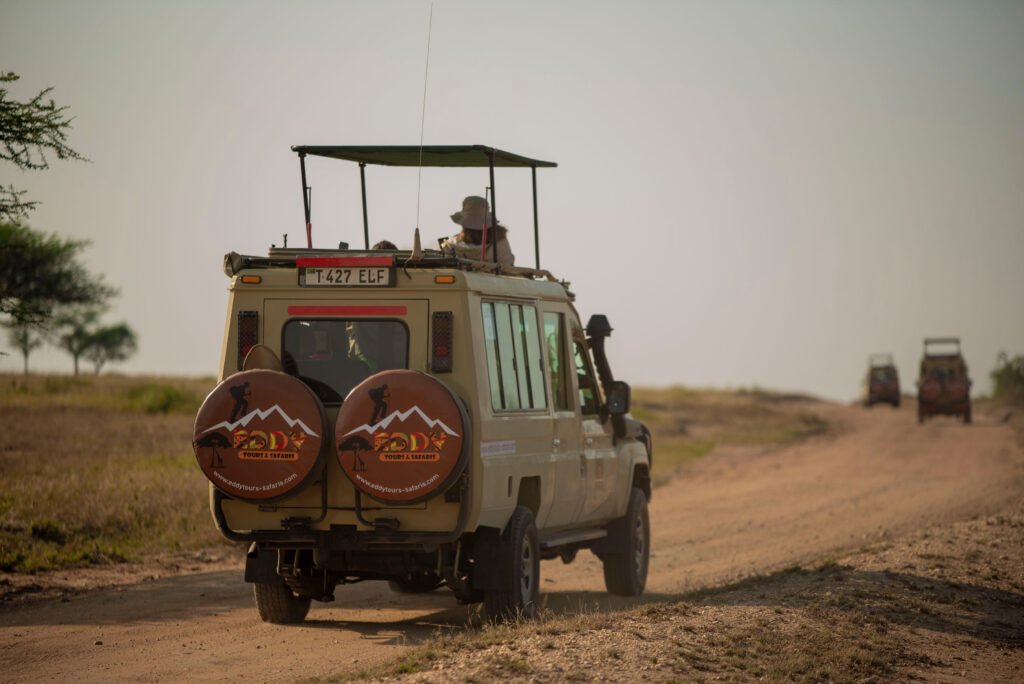
Safari in Tanzania’s Off-Season and how to plan your journey wisely
Safari in Tanzania’s Off-Season works best when travellers choose experienced local operators who understand road conditions, wildlife movements and community partnerships. Many guests begin their travel planning through Eddy Tours and Safaris, where off-season itineraries are designed to balance wildlife viewing, safety and conservation priorities.
Travellers who want flexible routes and quieter parks often build their journeys through custom safari itineraries in Tanzania, allowing them to combine different ecosystems and community visits without rushing between busy locations.
Safari in Tanzania’s Off-Season and responsible booking choices
Safari in Tanzania’s Off-Season is also an opportunity to travel more ethically. By choosing operators who work closely with conservation projects and local partners, visitors directly strengthen sustainable tourism models. Many guests prefer to organise their experience through professional local safari planning services that prioritise community employment and low-impact travel.
Those seeking wildlife-focused travel experiences often continue their planning through responsible wildlife travel programmes in Tanzania, which combine conservation learning, cultural interaction and carefully guided safaris.
Safari in Tanzania’s Off-Season and why it can be the smartest choice
Safari in Tanzania’s Off-Season offers quieter parks, stronger personal attention from guides, better availability of accommodation and a deeper connection with nature that many travellers never experience during busy months. It allows you to move slowly, listen carefully and truly understand how wildlife, people and ecosystems share the same land.
For travellers who value conservation, community benefit and meaningful experiences rather than crowded viewing points, Safari in Tanzania’s Off-Season is not a compromise. It is a powerful and responsible way to discover the real heart of Tanzania’s wilderness.