
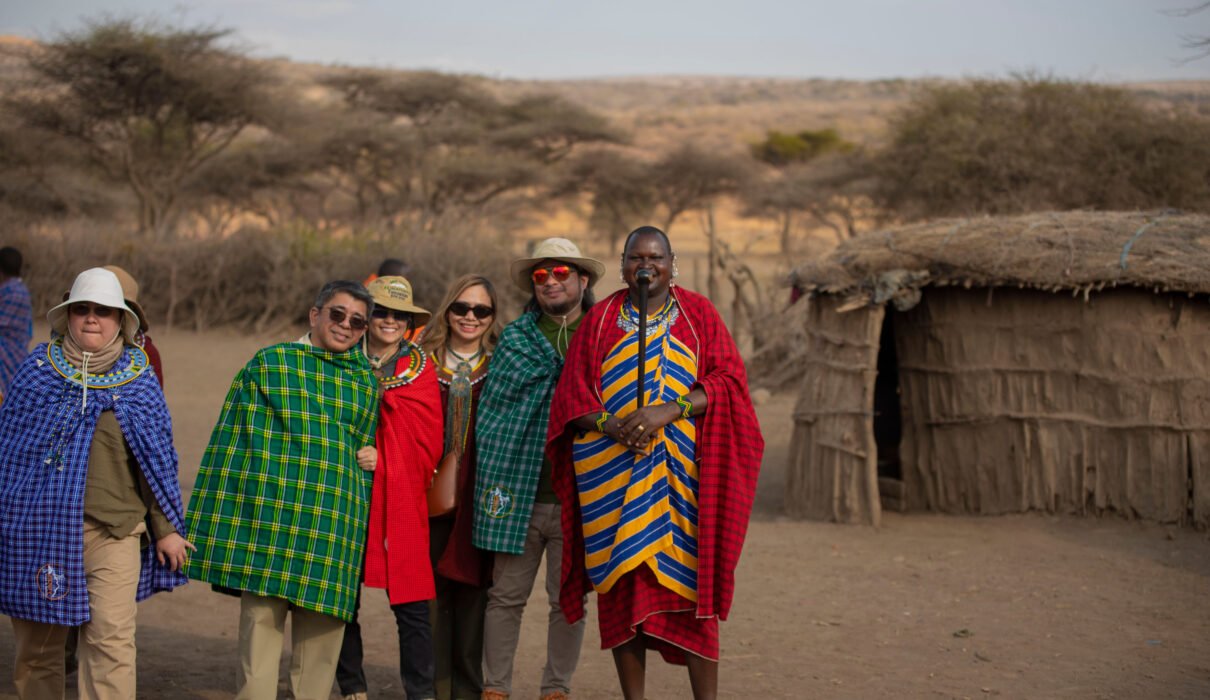
How Tanzanian Tribes Protect Wildlife is a living story of culture, respect for nature and deep traditional knowledge that continues to protect animals, forests and rangelands across Tanzania, long before modern conservation laws and protected areas were created.
In many rural parts of the country, wildlife does not survive only because of national parks. It survives because communities still protect water sources, grazing lands, sacred forests and wildlife corridors as part of daily life. These traditions are quietly working side by side with modern conservation science, creating one of the strongest foundations for long-term wildlife protection in East Africa.
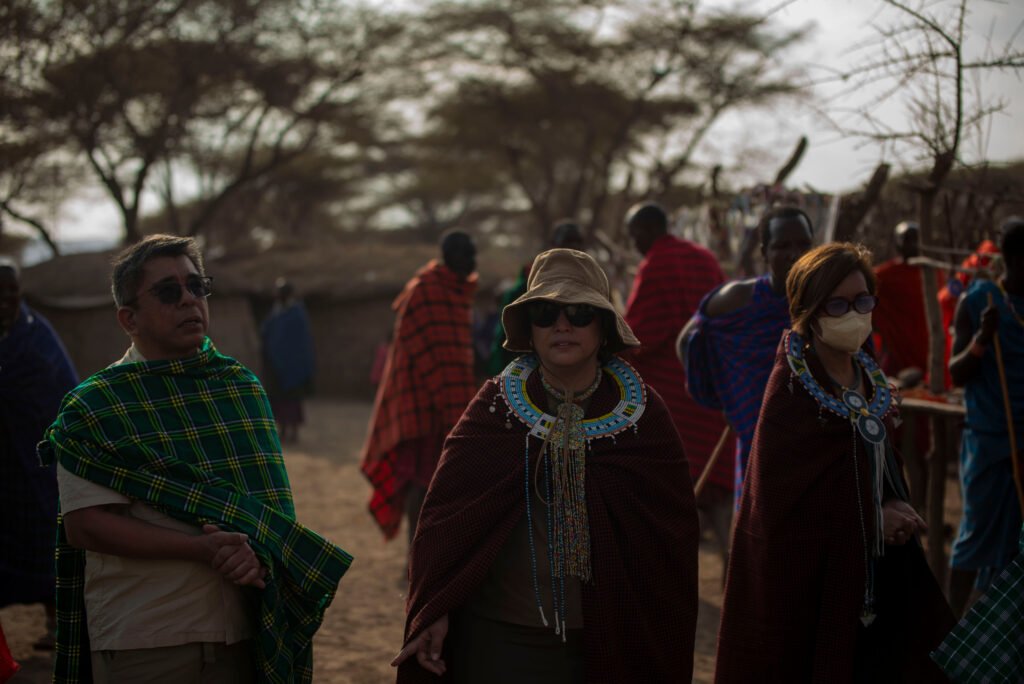
How Tanzanian Tribes Protect Wildlife through traditional land stewardship
How Tanzanian Tribes Protect Wildlife begins with land. Indigenous communities such as pastoralists, farming groups and forest-dependent families manage land in ways that allow wildlife to share space with people. Modern conservation planning promoted by the International Union for Conservation of Nature and ecosystem management guidance from the United Nations Environment Programme now recognise that traditional land systems often maintain healthier ecosystems than purely technical conservation approaches.
Research and field programmes implemented by the Wildlife Conservation Society and community conservation initiatives supported by the African Wildlife Foundation show that community-managed rangelands and forest edges protect wildlife movement routes, breeding areas and seasonal feeding grounds that are not always covered by national parks.
How Tanzanian Tribes Protect Wildlife through shared ecological knowledge
How Tanzanian Tribes Protect Wildlife is also shaped by generations of ecological knowledge that helps communities understand animal behaviour, seasonal migration, rainfall patterns and plant cycles. This local knowledge increasingly supports modern biodiversity research coordinated by the Global Biodiversity Information Facility and global ecosystem assessments led by the Intergovernmental Science-Policy Platform on Biodiversity and Ecosystem Services.
In many landscapes, elders still guide when grazing should begin, when water sources must rest, and when certain forest zones should remain untouched. These cultural rules help reduce pressure on wildlife habitats and support the same conservation goals promoted internationally by organisations such as Conservation International and The Nature Conservancy.
How Tanzanian Tribes Protect Wildlife in a changing climate
How Tanzanian Tribes Protect Wildlife has become even more important as climate change increases pressure on water, pasture and forests. Climate research from the Intergovernmental Panel on Climate Change confirms that East African ecosystems are becoming more vulnerable to drought and unpredictable rainfall, making traditional drought coping strategies and land-sharing systems more valuable than ever.
Forest and rangeland research supported by the Center for International Forestry Research and ecosystem monitoring coordinated by the UN Environment Programme World Conservation Monitoring Centre show that community-protected forests and grazing lands are key buffers against land degradation and biodiversity loss.
How Tanzanian Tribes Protect Wildlife through community conservation partnerships
How Tanzanian Tribes Protect Wildlife is now strongly supported by modern community conservation partnerships that respect cultural authority and traditional leadership. Development research published by the World Bank shows that wildlife protection becomes more effective when communities benefit directly from conservation and tourism activities, rather than being excluded from decision-making.
Fair employment and community participation standards promoted by the International Labour Organization and social development guidance from the UN Department of Economic and Social Affairs support locally managed guiding, cultural tourism and conservation education projects that strengthen livelihoods while protecting wildlife habitats.
How Tanzanian Tribes Protect Wildlife and cultural respect for nature
How Tanzanian Tribes Protect Wildlife is deeply connected to spiritual beliefs and cultural values. Sacred forests, ritual sites and ancestral lands are often strictly protected, allowing wildlife to live undisturbed. Cultural heritage protection frameworks supported by UNESCO now recognise that cultural traditions play an important role in conserving biodiversity and maintaining community identity.
These cultural practices help preserve breeding sites for birds and mammals, protect water catchments and prevent over-harvesting of important plant species used for medicine and food.
How Tanzanian Tribes Protect Wildlife and species conservation
How Tanzanian Tribes Protect Wildlife also supports specific animal groups that depend on community land. Bird conservation initiatives promoted by BirdLife International confirm that many key bird habitats are located outside protected areas, often in community forests and wetlands. Large carnivore conservation programmes coordinated by Panthera show that traditional livestock management practices and grazing planning reduce conflict between people and predators.
By adjusting herding routes, protecting seasonal water points and using traditional conflict-avoidance techniques, communities help maintain coexistence between people and wildlife.
How Tanzanian Tribes Protect Wildlife and water and food security
How Tanzanian Tribes Protect Wildlife is closely linked to protecting rivers, springs and wetlands that serve both animals and people. Water and food security research supported by the Food and Agriculture Organization highlights how community-managed catchments improve agricultural stability while protecting aquatic ecosystems essential for wildlife.
Freshwater and ecosystem protection strategies promoted by UN Environment further support community-led restoration of degraded riverbanks and wetlands that serve as wildlife refuges during dry seasons.
How Tanzanian Tribes Protect Wildlife and responsible tourism
How Tanzanian Tribes Protect Wildlife increasingly connects with responsible tourism that supports community conservation directly. Research from the Overseas Development Institute shows that community-based tourism improves conservation financing while strengthening local governance and transparency.
Visitors who choose meaningful safari and cultural experiences through Eddy Tours and Safaris help support community guides, conservation education and village-led protection initiatives that keep wildlife habitats healthy beyond park boundaries.
How Tanzanian Tribes Protect Wildlife and visitor safety and ethics
How Tanzanian Tribes Protect Wildlife also includes ensuring that visitors behave responsibly when entering community areas. Health and travel guidance published by the World Health Organization supports safe interaction between visitors and host communities, while biodiversity governance frameworks promoted by the Convention on Biological Diversity guide ethical tourism practices in culturally sensitive landscapes.
Respect for local leadership, dress codes, photography rules and sacred sites strengthens trust between visitors and communities and ensures tourism remains positive for both people and wildlife.
How Tanzanian Tribes Protect Wildlife through local travel partnerships
Travellers who want to experience community-based conservation can explore carefully planned journeys through professional Tanzania safari and cultural travel services, where village visits and wildlife experiences are organised respectfully and in line with community priorities.
Many guests prefer flexible itineraries created through custom safari programmes in Tanzania, allowing them to combine wildlife viewing with cultural learning and conservation activities.
How Tanzanian Tribes Protect Wildlife and the future of conservation
How Tanzanian Tribes Protect Wildlife represents one of the strongest models for future conservation in Africa. By blending cultural knowledge, modern science and responsible tourism, communities help protect wildlife corridors, forests and grazing lands that are essential for long-term ecological stability.
Travellers who support conservation-focused journeys through trusted local safari operators become part of this shared responsibility. In simple words, protecting wildlife in Tanzania is not only the work of rangers and scientists. It is also the daily work of communities whose traditions continue to protect nature quietly, wisely and effectively.