
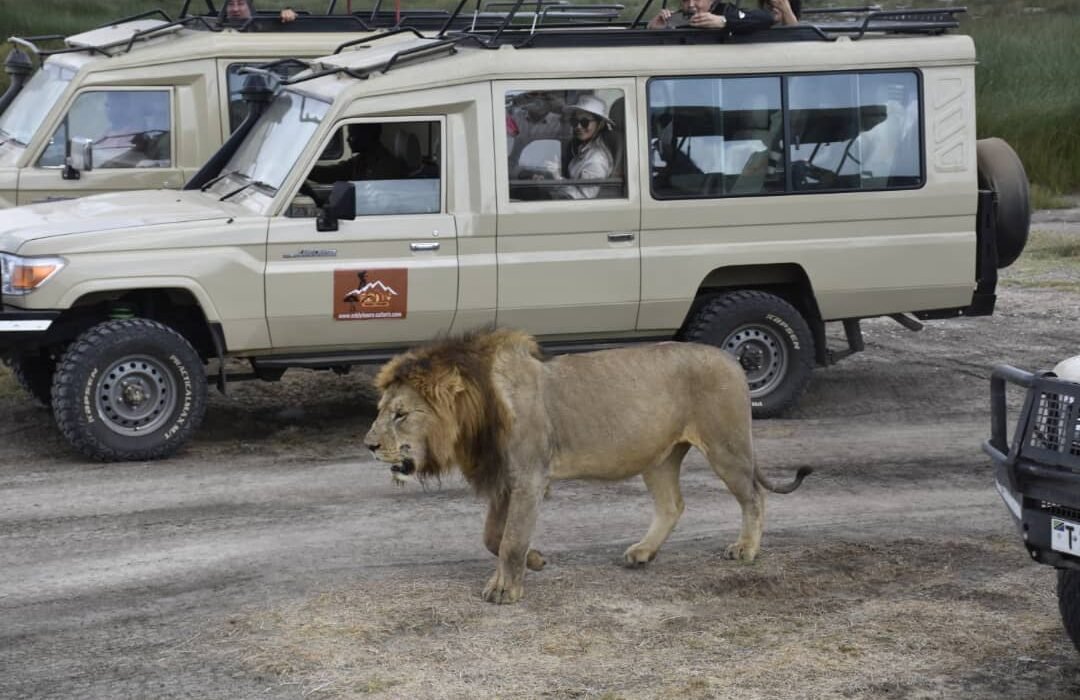
Weird and Wonderful Animals of Tanzania open a completely different side of safari travel, where strange shapes, unusual behaviours and rarely seen species quietly live alongside the famous big animals, reminding travellers that Tanzania is not only about lions and elephants but also about some of the most surprising and beautiful creatures on the African continent.
From forests in the Eastern Arc Mountains to wetlands, savannah edges and rocky outcrops, Tanzania shelters animals that look almost unreal at first sight. These species survive thanks to intact ecosystems, long-term scientific research and strong conservation work that protects habitats before they disappear forever.
Weird and Wonderful Animals of Tanzania and why unusual species matter
Weird and Wonderful Animals of Tanzania play an important role in keeping ecosystems balanced, even when they look small, strange or easy to ignore. Conservation science promoted by the International Union for Conservation of Nature, environmental protection leadership from the United Nations Environment Programme, and biodiversity conservation strategies supported by the Conservation International clearly show that rare and unusual species are often the first to disappear when forests, wetlands and grasslands are damaged. Their presence is a strong sign that an ecosystem is still healthy.
Long-term wildlife research and monitoring conducted by the Wildlife Conservation Society, habitat protection programmes led by the African Wildlife Foundation, and ecosystem restoration projects coordinated by The Nature Conservancy support the survival of many of these unusual animals in remote and fragile landscapes.
Weird and Wonderful Animals of Tanzania and hidden forest specialists
Weird and Wonderful Animals of Tanzania include many forest specialists that live high in mountain forests and dense valleys, especially inside the Eastern Arc range. These forests are recognised globally for exceptional endemism by the Intergovernmental Science-Policy Platform on Biodiversity and Ecosystem Services, and species distribution data shared through the Global Biodiversity Information Facility confirms that several of these animals exist nowhere else on Earth.
Small primates, colourful amphibians and secretive forest mammals depend heavily on stable rainfall and undisturbed canopy cover. Climate vulnerability assessments from the Intergovernmental Panel on Climate Change show that even small changes in temperature and rainfall patterns can threaten these sensitive forest species more than large savannah animals.
Weird and Wonderful Animals of Tanzania and strange savannah survivors
Weird and Wonderful Animals of Tanzania are not limited to forests alone. Open savannahs, rocky hills and seasonal floodplains are also home to unusual mammals, birds and reptiles that have developed remarkable survival strategies. Bird conservation research led by BirdLife International highlights how rare ground-nesting and migratory birds rely on quiet and lightly visited habitats, many of which are found outside busy safari circuits.
Carnivore and predator research programmes coordinated by Panthera also show how smaller and less famous carnivores depend on intact food chains that include insects, rodents and reptiles. These hidden interactions keep ecosystems stable and allow larger animals to thrive as well.
Weird and Wonderful Animals of Tanzania and wetlands full of surprises
Weird and Wonderful Animals of Tanzania include rare frogs, water birds and fish that live inside wetlands and river systems that many visitors pass without noticing. Freshwater ecosystem protection promoted by UN Environment and sustainable water and food systems supported by the Food and Agriculture Organization confirm that wetlands are among the most productive and most threatened ecosystems in East Africa.
Ecological research published through ScienceDirect further shows how wetlands act as natural water filters and climate buffers, protecting both wildlife and nearby communities from floods and droughts.
Weird and Wonderful Animals of Tanzania and landscape connectivity
Weird and Wonderful Animals of Tanzania survive only when landscapes remain connected and free from barriers. Wildlife corridor studies led by the Wildlife Conservation Society and landscape planning initiatives supported by the African Wildlife Foundation demonstrate that small animals depend just as much on safe movement routes as elephants and large predators.
Protected area mapping and habitat monitoring coordinated by the UN Environment Programme World Conservation Monitoring Centre help governments protect migration paths, forest corridors and wetland links that keep rare species connected to feeding and breeding grounds.
Weird and Wonderful Animals of Tanzania and people living with rare wildlife
Weird and Wonderful Animals of Tanzania are often found near rural communities that depend directly on natural resources. Development research published by the World Bank shows that community-based conservation and tourism create more stable income than land-clearing or unsustainable farming. Labour standards promoted by the International Labour Organization also help protect guides, rangers and village tourism groups working around remote habitats.
Cultural heritage and traditional knowledge protected under frameworks supported by UNESCO and community development guidance from the UN Department of Economic and Social Affairs show that respect for culture and land traditions strengthens wildlife protection and reduces conflict between people and animals.
Weird and Wonderful Animals of Tanzania and responsible wildlife travel
Weird and Wonderful Animals of Tanzania can only continue to surprise visitors when tourism is carefully managed and supports conservation directly. Research from the Overseas Development Institute confirms that responsible tourism provides long-term conservation funding and encourages governments to invest more in protected areas and ranger services.
Travellers interested in discovering rare wildlife and quiet natural areas often organise their journeys through Eddy Tours and Safaris, where itineraries are designed to reduce environmental impact and support community conservation projects.
Weird and Wonderful Animals of Tanzania and safe exploration
Weird and Wonderful Animals of Tanzania are usually found in remote and sensitive environments. Health and travel guidance published by the World Health Organization supports safer travel practices, while outdoor safety and emergency preparedness frameworks promoted by the American Red Cross help operators improve response systems in wild and isolated landscapes.
International biodiversity governance principles promoted by the Convention on Biological Diversity guide how tourism access, zoning and visitor limits can be managed without disturbing fragile species.
Weird and Wonderful Animals of Tanzania and customised safari experiences
Weird and Wonderful Animals of Tanzania attract travellers who want deeper, slower and more meaningful experiences than standard game drives. Many visitors design their journeys through custom safari itineraries in Tanzania, combining quiet national parks, forest walks and community visits with professional guiding and conservation education.
Guests who prefer full logistical support and expert planning often rely on professional local safari planning services to reach remote habitats safely and responsibly, while travellers interested in combining rare wildlife with cultural experiences choose responsible wildlife travel programmes in Tanzania designed to support conservation and local livelihoods.
In the end, Weird and Wonderful Animals of Tanzania remind us that the true magic of this country is not only found in famous parks and big animals. It lives quietly in forests, wetlands and rocky hills where strange, beautiful and fragile species still survive. Choosing responsible travel helps protect these rare creatures, supports local communities and allows future visitors to experience the same sense of wonder that makes Tanzania one of the world’s most extraordinary wildlife destinations.