
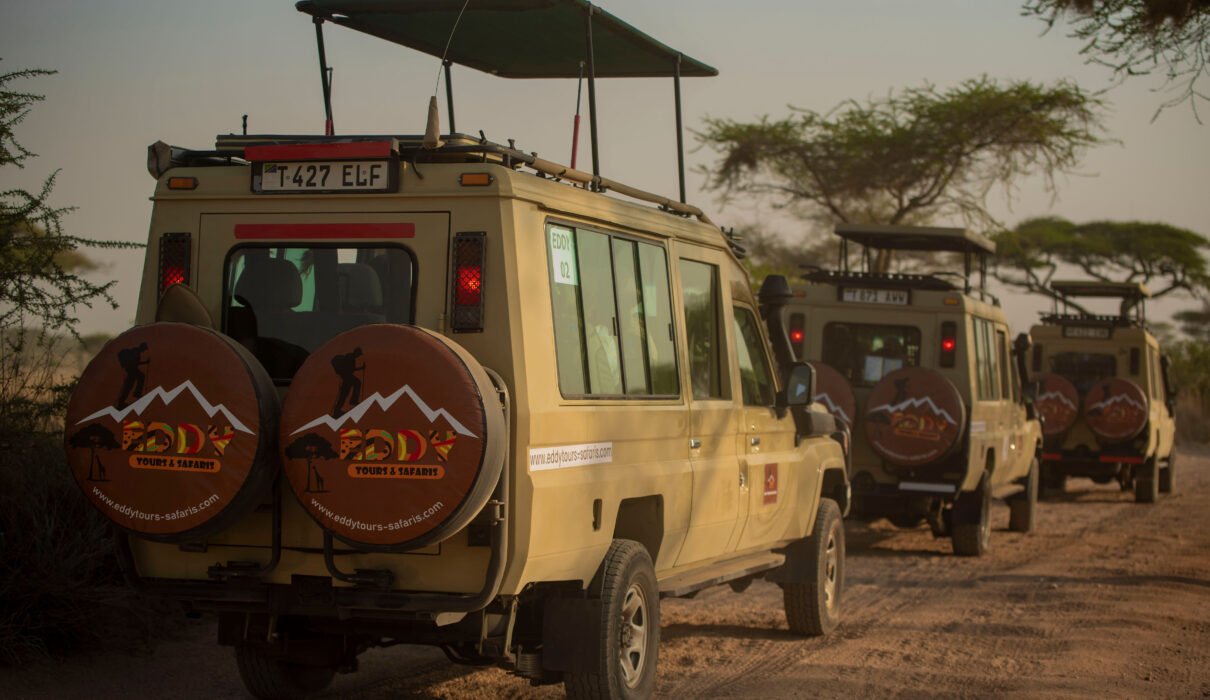
Safari Etiquette: How to Respect Wildlife is one of the most important things every traveller must understand before entering a national park or conservation area, because your behaviour in the wild directly affects animal health, natural movement, breeding success and even the safety of other visitors and guides.
A safari is not a zoo and not a stage for social media. It is a living ecosystem where animals make decisions based on sound, movement, smell and stress. Learning simple and respectful behaviour allows wildlife to remain calm, natural and free, while also protecting fragile habitats and supporting the people who work daily to conserve them.
Safari Etiquette: How to Respect Wildlife and why behaviour matters in conservation
Safari Etiquette: How to Respect Wildlife exists because human presence always creates pressure on natural systems, even when visitors have good intentions. Global conservation organisations such as the International Union for Conservation of Nature, the United Nations Environment Programme and the World Wide Fund for Nature clearly show that uncontrolled tourism can disturb feeding patterns, migration routes and breeding behaviour when visitor conduct is not well managed.
Long-term wildlife monitoring carried out by the Wildlife Conservation Society, landscape protection work supported by the African Wildlife Foundation and global habitat programmes from Conservation International confirm that responsible tourism behaviour is now considered part of conservation strategy, not only visitor education.
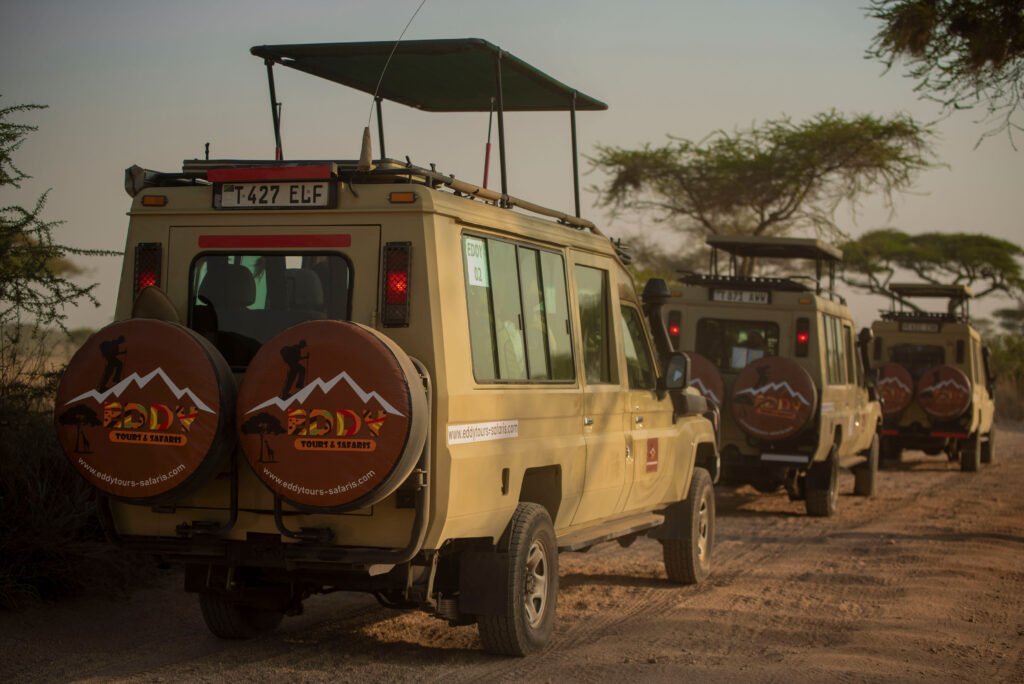
Safari Etiquette: How to Respect Wildlife and keeping a safe and ethical distance
Safari Etiquette: How to Respect Wildlife begins with distance. Animals must always control how close they want to be to vehicles and people. When cars block their path, chase sightings or move too close, animals become stressed and change their behaviour. Big cat conservation research coordinated by Panthera and bird disturbance studies from BirdLife International show that repeated disturbance reduces hunting success and nesting survival.
Species distribution data published by the Global Biodiversity Information Facility and ecosystem assessments supported by the Intergovernmental Science-Policy Platform on Biodiversity and Ecosystem Services also demonstrate that sensitive species avoid heavily disturbed areas, which can slowly reduce the usable habitat inside protected parks.
Safari Etiquette: How to Respect Wildlife and noise, movement and photography
Safari Etiquette: How to Respect Wildlife also means controlling your body and your voice. Loud talking, shouting, banging on vehicles and sudden movements confuse animals and can trigger defensive behaviour, especially around elephants, buffalo and predators. Climate and ecosystem research presented by the Intergovernmental Panel on Climate Change reminds us that wildlife already faces enough stress from environmental change, making human disturbance even more harmful.
Photography must never come before animal welfare. Flash photography at night, blocking movement for a perfect shot or pressuring guides to approach too closely damages both wildlife and professional guiding standards promoted by responsible operators.
Safari Etiquette: How to Respect Wildlife and staying on designated roads
Safari Etiquette: How to Respect Wildlife requires strict respect for park roads and driving rules. Driving off-road damages fragile vegetation, destroys insect and reptile habitats and slowly increases soil erosion. Forest and land-use research from the Center for International Forestry Research and ecosystem monitoring supported by the UN Environment Programme World Conservation Monitoring Centre clearly show that repeated vehicle pressure creates long-term damage even when it looks harmless at first.
Healthy grasslands and river edges are essential feeding and breeding zones for many species. Once damaged, recovery is slow and expensive.
Safari Etiquette: How to Respect Wildlife and respecting local rules and guides
Safari Etiquette: How to Respect Wildlife depends strongly on listening to trained professional guides and rangers. These professionals follow park regulations based on biodiversity law and management standards promoted by the Convention on Biological Diversity and ecological research published through platforms such as ScienceDirect.
Ignoring a guide’s instruction or pressuring them to break park rules puts animals, visitors and guides at risk and weakens the authority of conservation law inside protected areas.
Safari Etiquette: How to Respect Wildlife and community respect around parks
Safari Etiquette: How to Respect Wildlife also extends beyond animals to the people living next to protected areas. Social development research coordinated by the UN Department of Economic and Social Affairs shows that respectful tourism strengthens trust between communities and conservation institutions. Cultural protection frameworks supported by UNESCO encourage visitors to treat local traditions, villages and livelihoods with dignity.
Economic studies from the World Bank and labour protection frameworks promoted by the International Labour Organization further confirm that ethical tourism behaviour supports fair employment and reduces conflict between wildlife and people.
Safari Etiquette: How to Respect Wildlife and health, safety and disease prevention
Safari Etiquette: How to Respect Wildlife includes basic hygiene and safety awareness. Feeding animals, leaving food waste behind or touching wildlife increases disease transmission risks between people and animals. Health guidance from the World Health Organization highlights how zoonotic diseases spread when humans and wildlife interact too closely.
Emergency preparedness principles promoted by the American Red Cross also help safari operators improve visitor safety while protecting staff and communities working in remote conservation landscapes.
Safari Etiquette: How to Respect Wildlife and water, forests and fragile habitats
Safari Etiquette: How to Respect Wildlife requires care around rivers, wetlands and forests. Freshwater and ecosystem protection programmes coordinated by UN Environment and sustainable land management strategies supported by the Food and Agriculture Organization show how water sources inside parks are critical not only for animals but also for communities and agriculture outside protected areas.
Wetlands, riverbanks and forest edges are often breeding grounds for birds, amphibians and insects that support entire food chains.
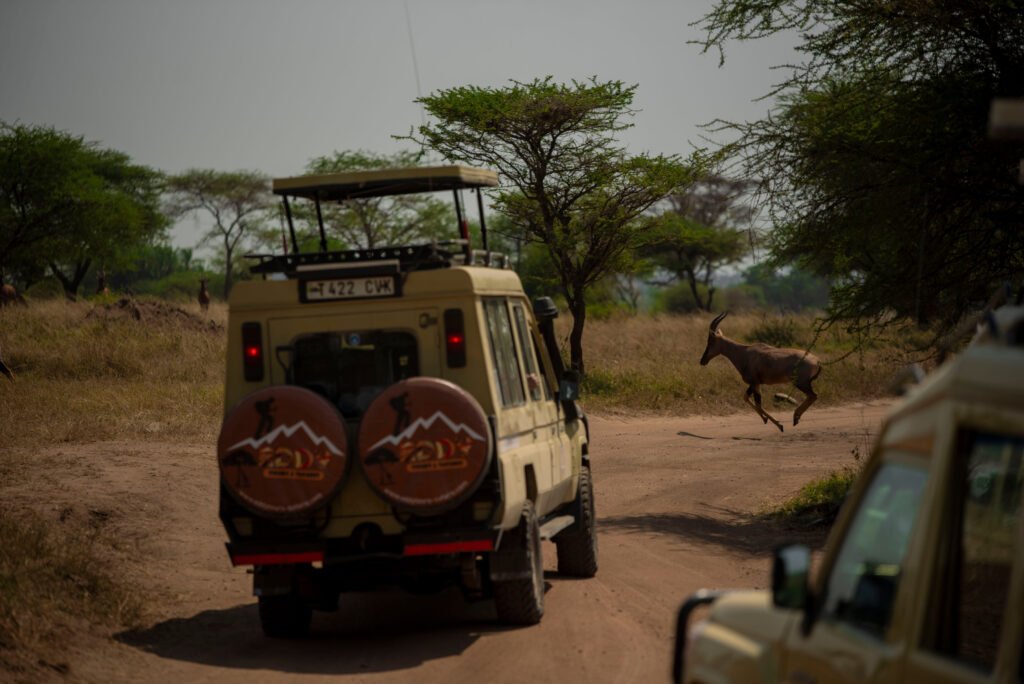
Safari Etiquette: How to Respect Wildlife and choosing responsible safari operators
Safari Etiquette: How to Respect Wildlife becomes easier when travellers choose ethical and conservation-focused operators. Visitors planning wildlife experiences through Eddy Tours and Safaris are guided by trained professionals who follow park rules, conservation standards and community partnerships.
Many travellers prefer designing trips through custom safari itineraries in Tanzania, which allow them to combine wildlife viewing with cultural visits and conservation learning. Others choose professional local safari planning services to ensure ethical travel practices are respected throughout the journey, while conservation-focused guests often explore experiences through responsible wildlife travel programmes in Tanzania.
Safari Etiquette: How to Respect Wildlife and the future of safari tourism
Safari Etiquette: How to Respect Wildlife is now a core part of sustainable tourism. Research by the Overseas Development Institute shows that destinations that promote responsible visitor behaviour perform better in conservation outcomes and community relations than those focused only on visitor numbers.
In simple words, Safari Etiquette: How to Respect Wildlife protects animals, protects people and protects the future of safari tourism. When visitors remain quiet, keep distance, follow rules, respect communities and choose ethical operators, they become part of conservation itself, not just observers of it.