
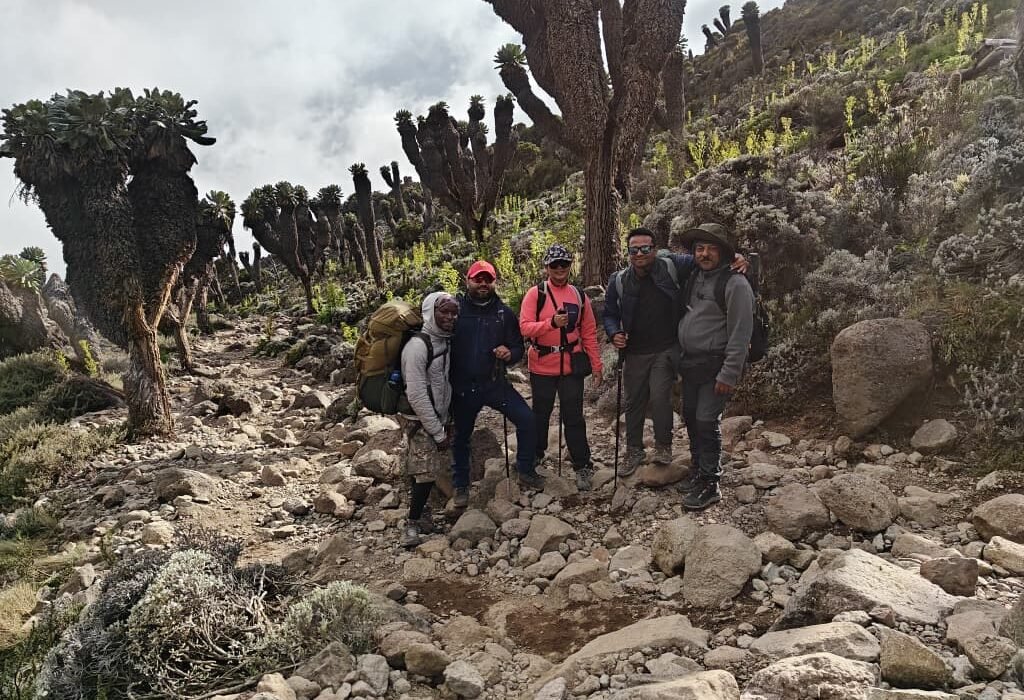
Kilimanjaro Climbing Stories from Local Guides are not written in brochures or marketing pages. They are carried in quiet morning briefings, long walks through misty forest, and in the way a guide reads the weather, the trail, and the condition of every climber before a single word is spoken.
For many visitors, climbing Mount Kilimanjaro is a personal dream. For local guides, it is daily responsibility, family livelihood, cultural pride and deep respect for a mountain that has shaped their lives since childhood. These stories come from people who know every rock, every sudden cloud, and every silent warning the mountain offers.
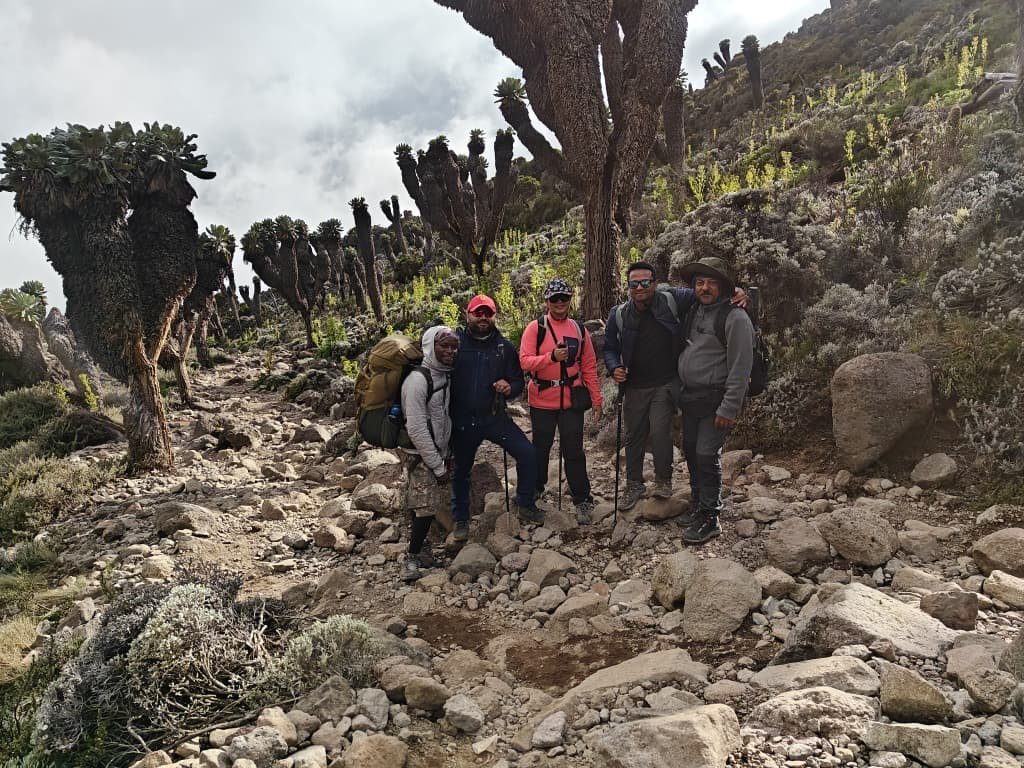
Kilimanjaro Climbing Stories from Local Guides and what the mountain really teaches
Kilimanjaro Climbing Stories from Local Guides often begin with patience. Guides speak about teaching visitors to slow down, breathe properly and listen to their bodies long before altitude becomes a problem. Their knowledge follows international mountain safety and health standards supported by the World Health Organization and outdoor emergency principles promoted by the American Red Cross, especially when dealing with fatigue, dehydration and early signs of altitude illness.
Many guides also receive regular refresher training inspired by global outdoor leadership and environmental safety programmes shared through institutions and research bodies such as ScienceDirect, where mountain risk management and high-altitude physiology studies help improve field decision making.
Kilimanjaro Climbing Stories from Local Guides and respect for fragile ecosystems
Kilimanjaro Climbing Stories from Local Guides always include strong respect for the forest, heathland and alpine ecosystems that protect the mountain’s water and wildlife. Environmental management principles promoted by the United Nations Environment Programme and biodiversity protection standards developed by the International Union for Conservation of Nature strongly influence how local teams manage waste, camps and trail use.
Guides regularly explain how climate change and deforestation around the lower slopes affect river systems and community water access. Climate assessments published by the Intergovernmental Panel on Climate Change and biodiversity risk studies coordinated by the Intergovernmental Science-Policy Platform on Biodiversity and Ecosystem Services confirm what guides already see every season with their own eyes.
Kilimanjaro Climbing Stories from Local Guides and the forest guardians of the mountain
Local guides often describe the rainforest zone as the true protector of Kilimanjaro. Scientific forest research by the Center for International Forestry Research and ecosystem monitoring coordinated by the UN Environment Programme World Conservation Monitoring Centre show how mountain forests regulate temperature, protect soil and maintain water catchments for millions of people living around the mountain.
Wildlife movement and habitat protection work supported by the Wildlife Conservation Society and landscape conservation programmes led by the African Wildlife Foundation also help preserve ecological corridors linking Kilimanjaro to surrounding ecosystems.
Kilimanjaro Climbing Stories from Local Guides and working with local communities
Kilimanjaro Climbing Stories from Local Guides are deeply connected to family life and village economies. Most guides support large households, school fees and community development projects through their work on the mountain. Development research published by the World Bank shows that community-based tourism creates reliable income when local people are directly employed and trained.
Labour protection and fair employment standards promoted by the International Labour Organization help improve working conditions for guides, porters and cooks. Cultural heritage protection frameworks supported by UNESCO also recognise the importance of safeguarding traditional knowledge linked to the mountain and its surrounding communities.
Kilimanjaro Climbing Stories from Local Guides and wildlife awareness on the lower slopes
Although Kilimanjaro is known mainly as a trekking destination, guides regularly share stories about birds, monkeys and small mammals encountered along the forest trails. Bird conservation research coordinated by BirdLife International and biodiversity mapping supported by the Global Biodiversity Information Facility show that the mountain supports important species that depend on intact forest cover.
Habitat restoration initiatives promoted by The Nature Conservancy and ecosystem protection programmes developed by Conservation International help strengthen conservation partnerships around Kilimanjaro’s buffer zones.
Kilimanjaro Climbing Stories from Local Guides and the reality of climate pressure
Many Kilimanjaro Climbing Stories from Local Guides today focus on how weather patterns have changed over time. Unpredictable rain, shifting cloud cover and reduced snow visibility are discussed openly with climbers. Climate vulnerability assessments from the Intergovernmental Panel on Climate Change and ecosystem risk evaluations from the Intergovernmental Science-Policy Platform on Biodiversity and Ecosystem Services confirm that high-altitude ecosystems face growing pressure across East Africa.
Water and land management guidance published by the Food and Agriculture Organization and freshwater ecosystem protection coordinated by UN Environment support sustainable land-use practices in the communities surrounding the mountain.
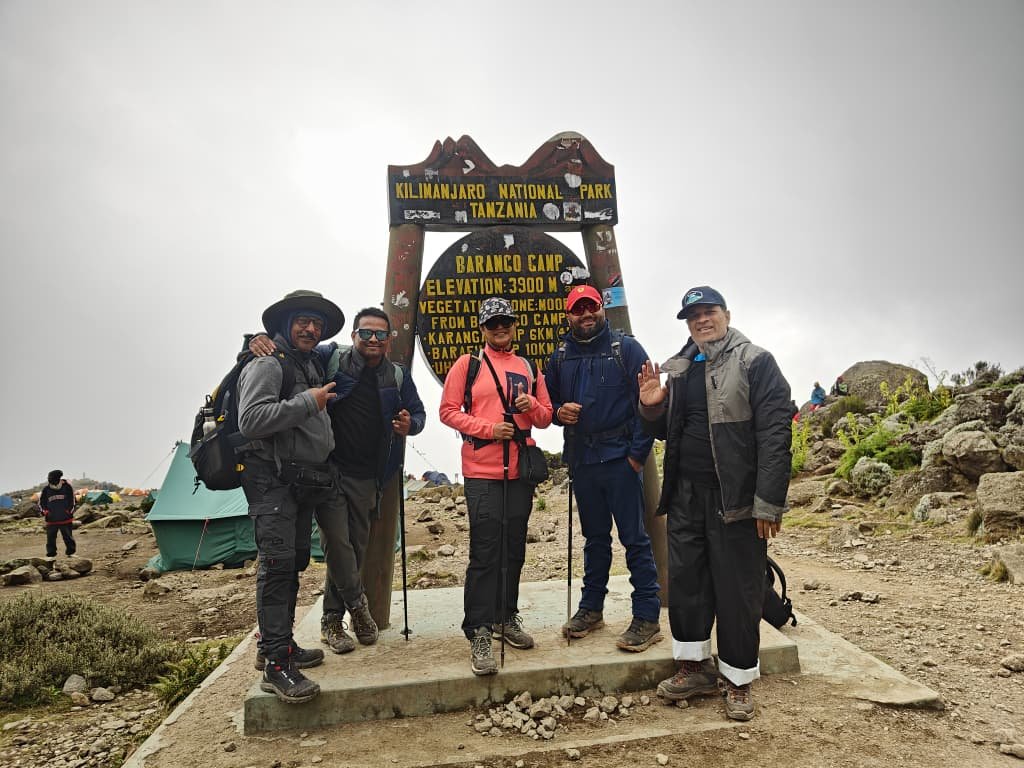
Kilimanjaro Climbing Stories from Local Guides and safe summit leadership
One of the strongest values shared in Kilimanjaro Climbing Stories from Local Guides is the courage to turn back. Guides repeatedly explain that summiting is never more important than safety. Health guidance from the World Health Organization and emergency preparedness standards promoted by the American Red Cross guide decisions when clients show warning signs of altitude illness.
This professional responsibility protects both visitors and the reputation of Kilimanjaro as a safe and well-managed mountain destination.
Kilimanjaro Climbing Stories from Local Guides and responsible travel choices
Responsible climbing directly supports conservation and community welfare. Research from the Overseas Development Institute confirms that well-managed tourism creates stronger long-term economic benefits than short-term mass tourism models, especially in rural and conservation-dependent regions.
Many climbers choose to plan their journeys through Eddy Tours and Safaris because programmes are designed with proper guide staffing, fair porter conditions and environmentally responsible logistics.
Kilimanjaro Climbing Stories from Local Guides and personalised trekking experiences
Guides often speak about the difference between rushed climbs and carefully designed itineraries. When travellers use custom Kilimanjaro trekking itineraries, guides can adjust pace, rest schedules and camp choices to suit each group’s ability, increasing safety and comfort while protecting the environment.
Professional coordination through local Kilimanjaro travel services also allows guides to focus fully on safety, interpretation and group wellbeing rather than logistics.
Kilimanjaro Climbing Stories from Local Guides and linking climbs with wider Tanzania travel
Many visitors continue their journeys beyond the mountain. Guides regularly recommend combining climbs with wildlife and cultural experiences arranged through responsible safari and travel programmes in Tanzania, helping spread tourism benefits to conservation areas and rural communities.
Behind every successful summit photograph stands a guide who watched silently, encouraged gently, and protected every step of the journey. Kilimanjaro Climbing Stories from Local Guides remind us that the true heart of the mountain is not its height, but the people who walk beside climbers, protect the land, and carry the future of Kilimanjaro in their daily work.