
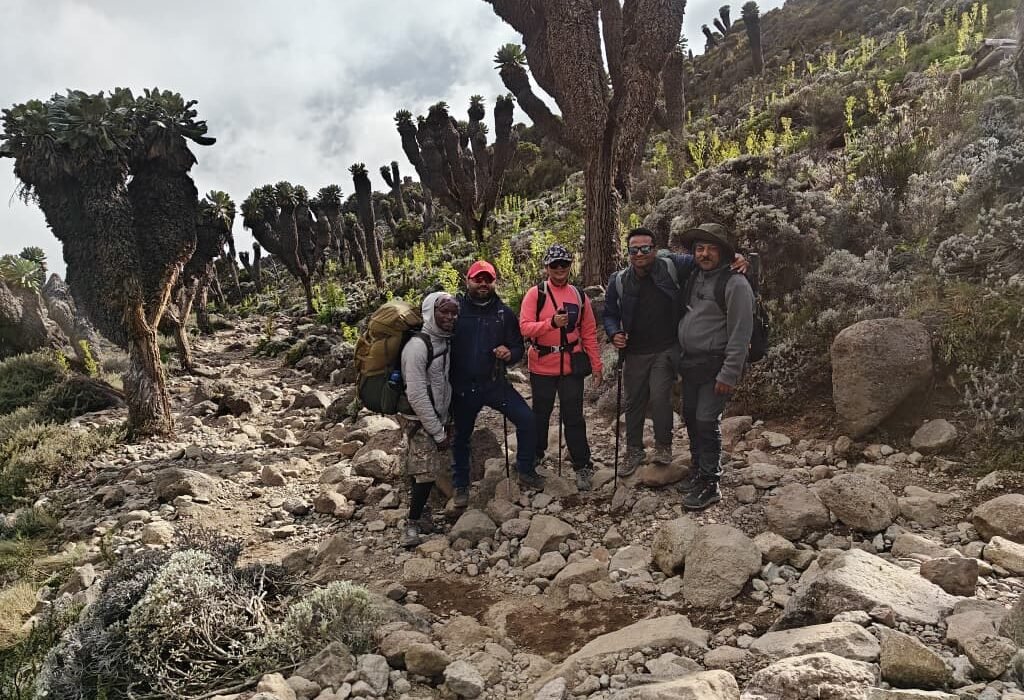
Preparing for Kilimanjaro in Peak Rainy Season is not about avoiding adventure, but about understanding the mountain in its most demanding and unpredictable condition, where rain, mist, slippery trails and fast-changing temperatures require better planning, stronger discipline and professional support than during dry months.
During the wet period, the mountain becomes quieter, greener and deeply atmospheric, yet also more challenging. Forest paths turn muddy, cloud cover reduces visibility, and cold rain can quickly drain energy if preparation is poor. With the right mindset, equipment and support team, however, this season can still offer a safe, peaceful and surprisingly rewarding climb for well-prepared trekkers.
Preparing for Kilimanjaro in Peak Rainy Season and understanding mountain weather risk
Weather is the single most important factor that shapes safety decisions on Kilimanjaro during heavy rainfall periods. Scientific climate assessments produced by the Intergovernmental Panel on Climate Change confirm that mountain environments experience rapid weather shifts, stronger storms and highly localized rainfall patterns, especially in tropical highland regions. Global climate and atmospheric monitoring coordinated by the World Meteorological Organization also highlights that orographic rainfall – rainfall created when moist air rises over mountains – is especially intense on high volcanic peaks like Kilimanjaro.
This means that rain may fall heavily on one slope while another remains relatively dry, and wind and temperature can change within minutes. Reliable weather awareness, daily route timing and professional guiding decisions are therefore essential during the rainy period, far more than during clear dry seasons.
Preparing for Kilimanjaro in Peak Rainy Season and physical health protection
Wet and cold conditions significantly increase the risk of fatigue, dehydration and respiratory illness. Health guidance published by the World Health Organization clearly explains how cold exposure, wet clothing and prolonged exertion weaken the immune system and increase the risk of hypothermia and chest infections in outdoor environments. High-altitude medical research published through the National Center for Biotechnology Information further shows that altitude stress combined with cold weather increases physical strain and recovery time.
For this reason, climbers must prioritise layered clothing systems, dry sleeping gear, sufficient calorie intake and regular hydration. Simple habits such as changing wet clothes immediately at camp and protecting hands and feet from prolonged moisture can significantly reduce the chance of cold injuries and blisters during multi-day treks.
Preparing for Kilimanjaro in Peak Rainy Season and trail safety management
During rainy months, forest and moorland trails become slippery and erosion increases. Environmental impact and visitor safety research supported by the International Union for Conservation of Nature shows that wet-season trekking requires stricter trail discipline to reduce accidents and prevent long-term damage to fragile mountain soils. Emergency preparedness guidance promoted by the American Red Cross also stresses that remote environments with limited access demand careful movement, good communication and clear evacuation planning.
Professional guides carefully adjust walking speed, rest points and daily distance during wet conditions. Trekking poles, waterproof boots with proper grip and controlled group spacing are essential tools for preventing falls and injuries, especially on steep rainforest paths and rocky alpine ridges.
Preparing for Kilimanjaro in Peak Rainy Season and protecting fragile ecosystems
The rainy season is also the most sensitive period for Kilimanjaro’s ecosystems. Soil erosion, plant trampling and waste mismanagement can cause long-term damage when rainfall is heavy. Environmental protection frameworks promoted by the United Nations Environment Programme and biodiversity conservation strategies coordinated by Conservation International emphasise that tourism activity during wet periods must follow strict low-impact practices to avoid disturbing vegetation regeneration and water catchments.
Forest and watershed research from the Center for International Forestry Research confirms that tropical mountain forests act as natural water regulators, storing and slowly releasing rainfall into downstream communities. Staying on designated trails, carrying out all waste and avoiding short-cuts through wet vegetation directly protects this essential natural system.
Preparing for Kilimanjaro in Peak Rainy Season and wildlife and habitat awareness
Although Kilimanjaro is primarily known for trekking, its forest belt supports important wildlife populations. Habitat monitoring led by the Wildlife Conservation Society and landscape connectivity initiatives supported by the African Wildlife Foundation show that rainfall seasons are critical periods for animal movement, breeding and feeding within forest corridors and lower montane zones.
Biodiversity mapping coordinated by the Global Biodiversity Information Facility further confirms that mountain forest habitats host high levels of plant and bird diversity that are especially vulnerable to human disturbance during regeneration periods. Responsible trekking behaviour helps protect these sensitive habitats while still allowing visitors to experience the mountain respectfully.
Preparing for Kilimanjaro in Peak Rainy Season and food and water safety
Food hygiene and water safety become even more important during wet conditions, when bacterial growth increases and clean storage becomes more difficult. Field food safety guidance published by the Food and Agriculture Organization highlights the importance of clean preparation surfaces, protected storage and safe water treatment in outdoor operations. Public health standards supported by UN-Water also emphasise safe water handling in remote areas where contamination risk rises after heavy rainfall.
Reliable expedition teams ensure clean cooking procedures, protected food storage and safe drinking water at all camps, reducing gastrointestinal illness which can quickly end a high-altitude climb.
Preparing for Kilimanjaro in Peak Rainy Season and community-based conservation benefits
Climbing during the rainy season directly supports local employment at a time when visitor numbers are lower. Socio-economic research published by the World Bank shows that year-round tourism income strengthens household stability in rural mountain communities. Labour protection standards promoted by the International Labour Organization further support fair working conditions for porters, cooks and guides who operate under more demanding weather conditions.
Cultural heritage protection promoted by UNESCO and social development research coordinated by the UN Department of Economic and Social Affairs also highlight how responsible mountain tourism strengthens community pride and long-term stewardship of natural resources.
Preparing for Kilimanjaro in Peak Rainy Season and protected-area governance
Protected area management frameworks supported by the Convention on Biological Diversity guide how park authorities regulate visitor access and trail use during environmentally sensitive periods. Scientific research published through ScienceDirect further supports adaptive park management systems that allow tourism while protecting biodiversity under changing climate conditions.
Ecological monitoring coordinated by the UN Environment Programme World Conservation Monitoring Centre helps track the health of protected mountain ecosystems and informs seasonal visitor management policies.
Preparing for Kilimanjaro in Peak Rainy Season and choosing the right professional support
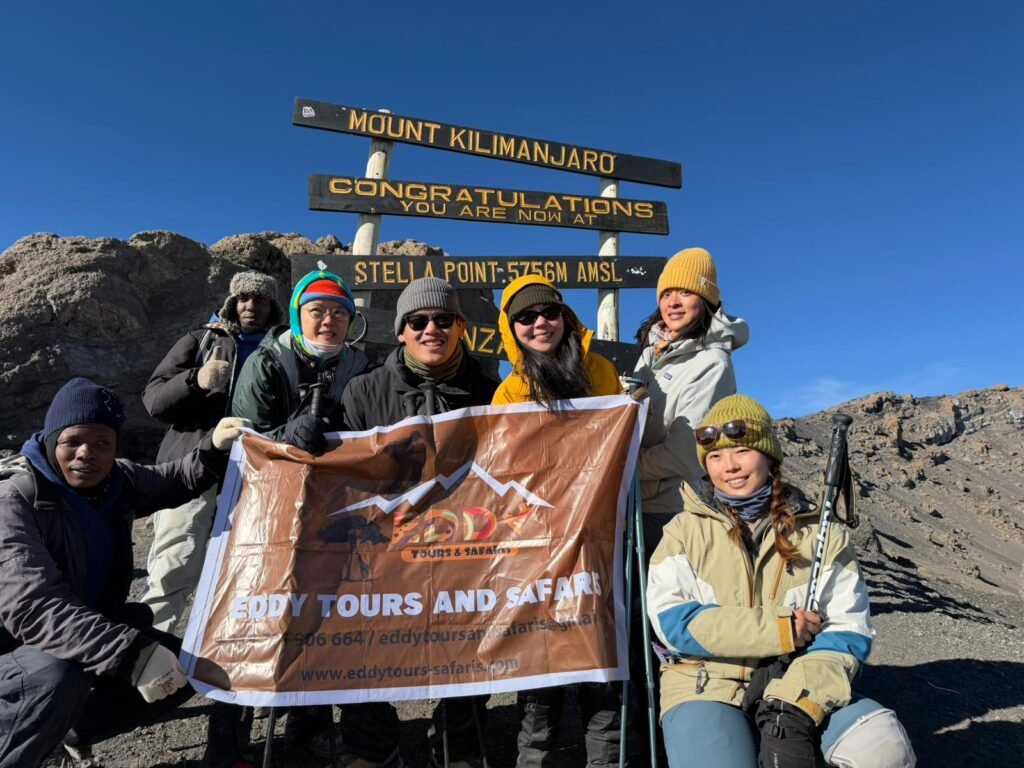
Because wet-season climbing involves higher logistical and safety demands, professional organisation becomes essential. Many climbers begin their journey by reviewing ethical climbing options and detailed route guidance through Eddy Tours and Safaris, where wet-season equipment, safety procedures and environmental responsibilities are clearly explained.
Travellers who prefer flexible route planning and personalised pacing often use custom Kilimanjaro climbing programmes designed around individual fitness level and weather conditions. Others rely on professional mountain planning services to coordinate logistics, safety briefings and porter welfare standards, ensuring the climb remains ethical and well-managed.
Preparing for Kilimanjaro in Peak Rainy Season and responsible travel decisions
Responsible tourism research by the Overseas Development Institute confirms that travellers who choose environmentally and socially responsible operators contribute more effectively to conservation funding and community resilience than short-term mass tourism models. Visitors who continue their nature journeys through responsible Tanzania travel programmes help strengthen long-term partnerships between local communities, conservation organisations and park authorities.
In simple words, Preparing for Kilimanjaro in Peak Rainy Season is about respect – respect for your own safety, respect for the mountain environment, and respect for the people who protect and depend on this extraordinary ecosystem. With professional guidance, strong equipment, realistic expectations and responsible choices, the rainy season can become one of the most peaceful and meaningful times to experience Kilimanjaro.