
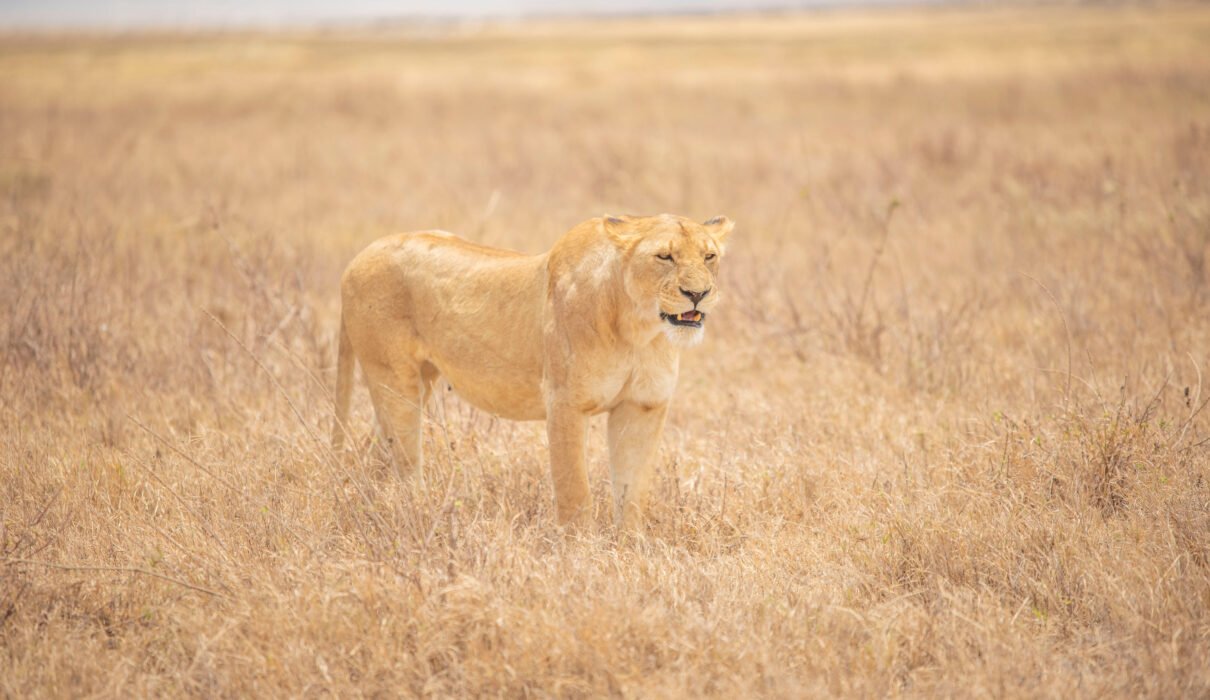
Real Tanzania Locations in Mufasa: The Lion King reveal how the landscapes, wildlife behaviour and natural drama seen in the story are deeply connected to real places in Tanzania, where vast plains, rocky kopjes, volcanic highlands and river valleys still create the same powerful atmosphere that made the story unforgettable to audiences around the world.
Many people believe the film world is pure imagination, but much of the inspiration behind the scenery, animal movement and ecosystem rhythm comes from real African landscapes. Tanzania stands at the centre of that inspiration, offering wide open savannahs, dramatic rocky outcrops, seasonal rivers and wildlife interactions that perfectly reflect the emotional depth and visual beauty shown in the story.
Real Tanzania Locations in Mufasa: The Lion King and the real heart of the savannah
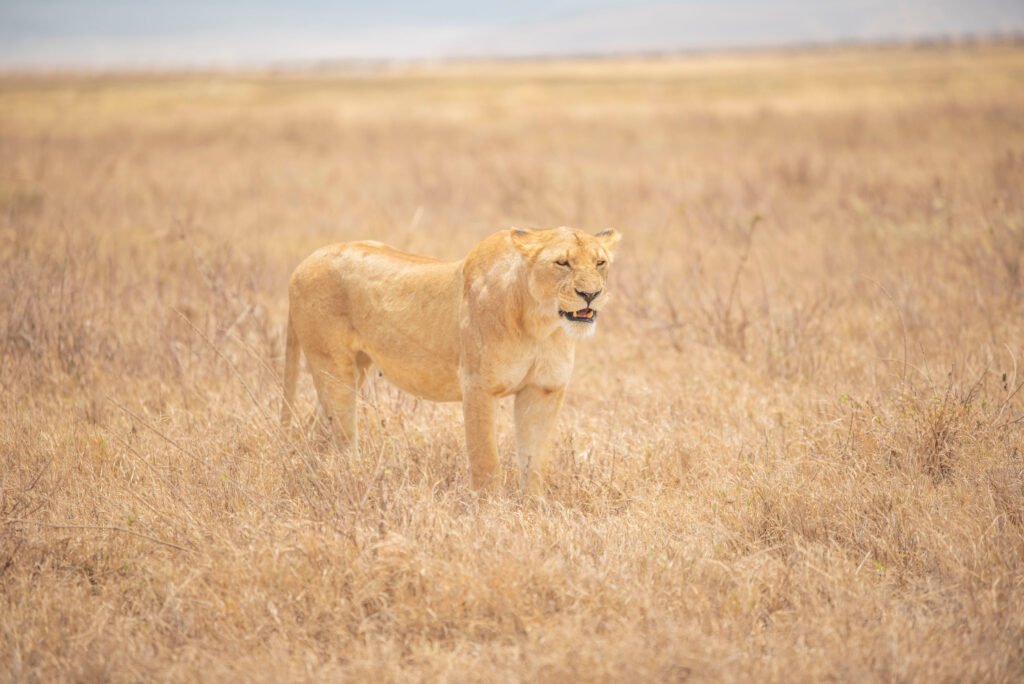
One of the strongest foundations behind Real Tanzania Locations in Mufasa: The Lion King is the endless grassland ecosystem that stretches across northern Tanzania. These open plains support some of the largest remaining wildlife populations in Africa and are protected using international conservation standards guided by the International Union for Conservation of Nature and environmental leadership from the United Nations Environment Programme. Long-term wildlife monitoring and landscape research by the Wildlife Conservation Society and regional habitat protection initiatives supported by the African Wildlife Foundation help preserve the real ecosystems that inspired the powerful animal scenes shown in the story.
The feeling of open space, freedom and natural hierarchy among animals is something visitors immediately experience when exploring these real landscapes through professionally guided Tanzania safaris, where wildlife behaviour, predator movements and grazing patterns still follow the same ancient rhythms portrayed in the film.
Real Tanzania Locations in Mufasa: The Lion King and the famous rocky kopjes
Rocky outcrops, often called kopjes, are some of the most visually striking features linked to Real Tanzania Locations in Mufasa: The Lion King. These ancient granite formations rise suddenly from the plains and create natural look-out points for lions and other predators. Big-cat conservation programmes led by Panthera and ecosystem restoration work supported by Conservation International show that kopjes play an important role in predator hunting strategies, shelter and social behaviour.
Landscape protection initiatives from The Nature Conservancy further demonstrate that these rocky islands support unique plant communities and micro-habitats that help stabilise the surrounding grasslands and reduce soil erosion.
Real Tanzania Locations in Mufasa: The Lion King and volcanic highlands
The dramatic highland landscapes connected to Real Tanzania Locations in Mufasa: The Lion King are strongly reflected in Tanzania’s volcanic regions. These elevated ecosystems influence rainfall, vegetation and wildlife distribution. Biodiversity assessments coordinated by the Intergovernmental Science-Policy Platform on Biodiversity and Ecosystem Services show that highland ecosystems play a key role in supporting species diversity and climate resilience.
Climate science published by the Intergovernmental Panel on Climate Change confirms that such elevated landscapes act as natural climate buffers and water catchments for the surrounding lowlands, helping sustain wildlife and human communities alike.
Real Tanzania Locations in Mufasa: The Lion King and river systems
Seasonal rivers and permanent water sources are central to Real Tanzania Locations in Mufasa: The Lion King, as water controls wildlife movement, predator encounters and survival during dry periods. Freshwater ecosystem protection coordinated by UN Environment and water security strategies supported by the Food and Agriculture Organization highlight how rivers in Tanzania connect protected areas and farming communities.
Forest and watershed research by the Center for International Forestry Research and global protected-area mapping coordinated by the UN Environment Programme World Conservation Monitoring Centre support long-term protection of these river corridors that quietly shape the wildlife scenes reflected in the story.
Real Tanzania Locations in Mufasa: The Lion King and wildlife behaviour
What makes Real Tanzania Locations in Mufasa: The Lion King feel so authentic is the accuracy of animal behaviour. Wildlife movement patterns, hunting strategies and social dynamics are based on real scientific observation. Species distribution and population data managed by the Global Biodiversity Information Facility and bird habitat research led by BirdLife International support a deeper understanding of how different species interact across Tanzania’s ecosystems.
Visitors who join custom wildlife and safari itineraries in Tanzania often recognise the same animal behaviours, family structures and survival strategies they first encountered through the story.
Real Tanzania Locations in Mufasa: The Lion King and cultural landscapes
The story is not only about animals. Real Tanzania Locations in Mufasa: The Lion King also reflect human relationships with land and wildlife. Cultural heritage protection frameworks supported by UNESCO recognise how traditional knowledge and pastoral systems shape the same landscapes that wildlife depend on. Community development research coordinated by the UN Department of Economic and Social Affairs confirms that strong cultural identity supports better environmental stewardship.
In many areas of Tanzania, communities continue to live alongside wildlife, protecting grazing areas, water points and migration corridors that keep ecosystems functional.
Real Tanzania Locations in Mufasa: The Lion King and community conservation
A key reality behind Real Tanzania Locations in Mufasa: The Lion King is the role of people in conservation. Economic studies published by the World Bank show that conservation-linked tourism strengthens rural livelihoods when communities are included in park operations and guiding services. Labour standards promoted by the International Labour Organization further help ensure fair working conditions for rangers, drivers, guides and conservation workers.
Travellers who plan their journeys through responsible safari travel services in Tanzania directly support these community-based conservation systems.
Real Tanzania Locations in Mufasa: The Lion King and predator conservation
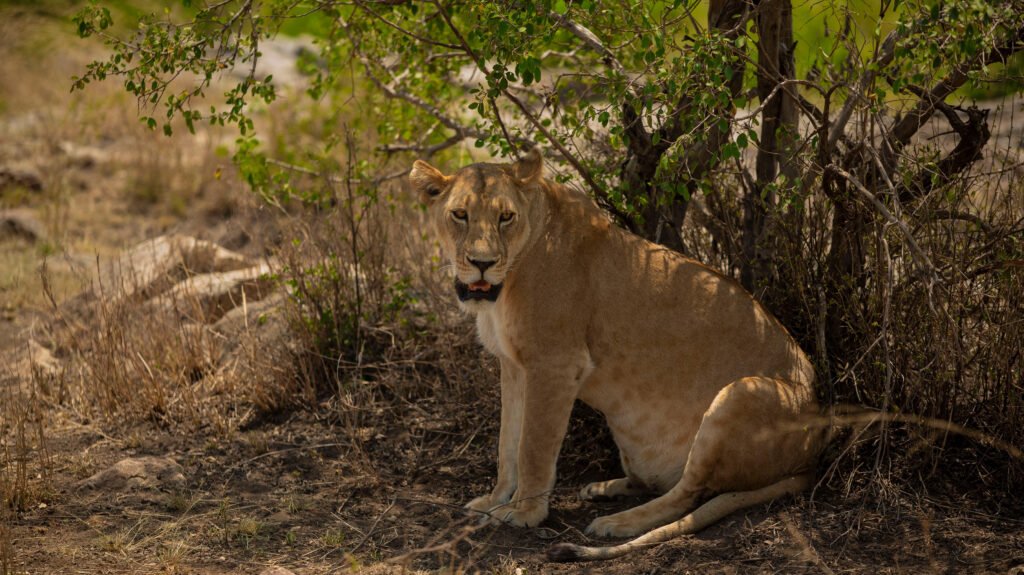
Predators such as lions, leopards and hyenas define much of the emotional intensity connected to Real Tanzania Locations in Mufasa: The Lion King. Predator conservation research supported by Panthera and habitat connectivity projects promoted by the African Wildlife Foundation demonstrate that protecting large carnivores requires large connected landscapes, strong community cooperation and well-managed tourism.
Scientific publishing platforms such as ScienceDirect support global sharing of predator ecology research that helps park authorities manage tourism pressure around sensitive hunting areas.
Real Tanzania Locations in Mufasa: The Lion King and global biodiversity law
International biodiversity governance frameworks supported by the Convention on Biological Diversity guide how Tanzania protects wildlife habitats, manages tourism zones and restores degraded ecosystems. These legal tools ensure that the real landscapes behind Real Tanzania Locations in Mufasa: The Lion King remain protected for future generations.
Real Tanzania Locations in Mufasa: The Lion King and visitor safety
Responsible travel to the real locations behind Real Tanzania Locations in Mufasa: The Lion King also requires strong health and safety systems. Public health guidance published by the World Health Organization and emergency preparedness frameworks promoted by the American Red Cross help tourism operators maintain safe field operations in remote wildlife environments.
Real Tanzania Locations in Mufasa: The Lion King and sustainable tourism models
Research by the Overseas Development Institute confirms that sustainable tourism models create stronger long-term benefits for conservation and communities than mass tourism. Environmental leadership from World Wide Fund for Nature further shows that tourism can protect biodiversity when it follows strict environmental standards and community engagement principles.
Many travellers prefer to explore these authentic landscapes through locally operated Tanzania safari companies that understand conservation priorities and cultural sensitivities.
Real Tanzania Locations in Mufasa: The Lion King and why these places still matter
Behind the story lies a real and fragile world. Real Tanzania Locations in Mufasa: The Lion King are not simply beautiful backdrops. They are living ecosystems shaped by climate, wildlife movement, cultural heritage and conservation science. Every river, kopje and open plain plays a role in maintaining balance between predators, prey and people.
Choosing to visit these landscapes responsibly helps protect the very places that inspired the story. In simple words, Real Tanzania Locations in Mufasa: The Lion King remind us that the magic of the film exists because real conservation work continues every day across Tanzania’s wilderness.