

Africa’s Most Interesting Tourist Destinations represent far more than beautiful landscapes and famous wildlife scenes, because across the continent each destination tells a deeper story of conservation, culture, community survival and natural heritage that continues to shape how Africa protects its land, wildlife and people for future generations.
From vast savannahs and tropical forests to ancient valleys and coastal ecosystems, Africa offers travel experiences that are closely connected to science, environmental protection and local communities. Travelling responsibly across the continent means supporting places that actively protect biodiversity, strengthen livelihoods and preserve cultural identity while still offering unforgettable adventure and discovery.
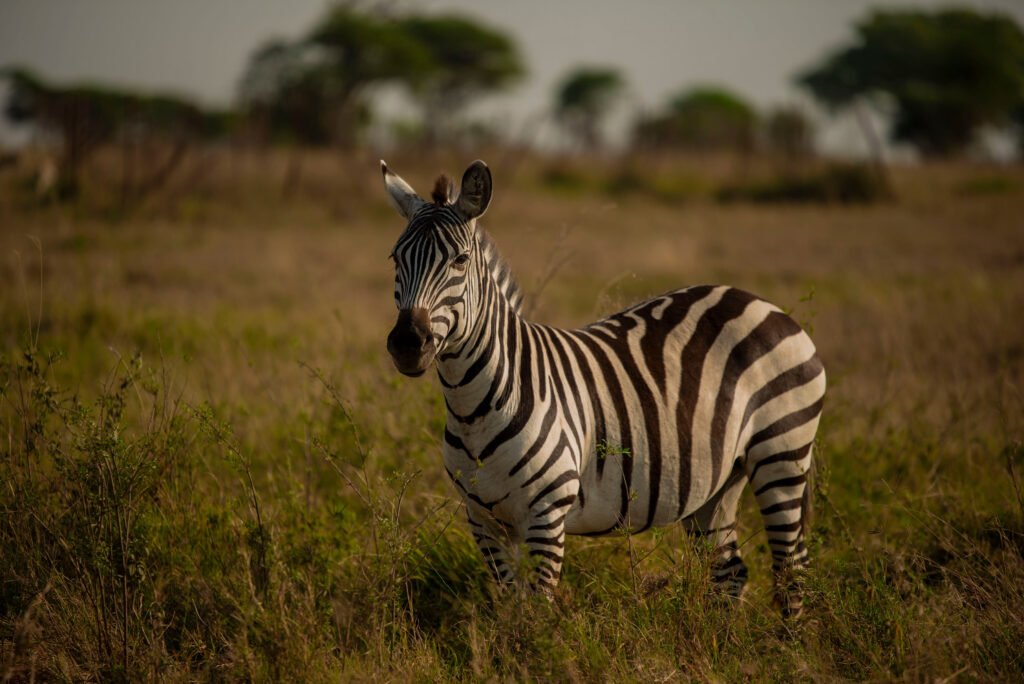
Africa’s Most Interesting Tourist Destinations and why conservation defines real travel in Africa
Africa’s Most Interesting Tourist Destinations are increasingly recognised not because of luxury alone, but because they operate inside landscapes that are protected and carefully managed under international conservation standards. Many of Africa’s leading protected areas and cultural landscapes follow guidance developed by the International Union for Conservation of Nature, environmental leadership coordinated by the United Nations Environment Programme, and biodiversity protection frameworks promoted by the World Wide Fund for Nature, all of which support long-term protection of wildlife habitats and natural ecosystems.
Field research and long-term ecosystem monitoring by the Wildlife Conservation Society, habitat connectivity initiatives supported by the African Wildlife Foundation, and global conservation programmes coordinated by Conservation International now guide how safari regions, forest reserves and coastal ecosystems are protected across Africa.
Africa’s Most Interesting Tourist Destinations and the power of wildlife and biodiversity
Africa’s Most Interesting Tourist Destinations remain closely linked to some of the world’s most important wildlife populations. Scientific biodiversity data coordinated through the Global Biodiversity Information Facility helps researchers and governments understand species distribution and habitat change, while bird conservation programmes led by BirdLife International protect vital wetland, forest and grassland ecosystems used by migratory and resident species.
Large carnivore conservation initiatives coordinated by Panthera, ecosystem restoration programmes led by The Nature Conservancy, and biodiversity risk assessments supported by the Intergovernmental Science-Policy Platform on Biodiversity and Ecosystem Services ensure that wildlife tourism across Africa remains directly connected to real conservation action.
Africa’s Most Interesting Tourist Destinations and climate-smart travel landscapes
Africa’s Most Interesting Tourist Destinations are now shaped by climate resilience strategies as much as by wildlife viewing. Climate assessments published by the Intergovernmental Panel on Climate Change show that African ecosystems are highly sensitive to rainfall change, drought and temperature increase, making climate-smart tourism planning essential for future travel across the continent.
Forest and rangeland research by the Center for International Forestry Research, ecosystem monitoring coordinated by the UN Environment Programme World Conservation Monitoring Centre, and regional environmental planning supported by UN Environment now help guide how tourism, infrastructure and conservation can exist together without damaging fragile habitats.
Africa’s Most Interesting Tourist Destinations and cultural heritage protection
Africa’s Most Interesting Tourist Destinations also protect living cultures, languages and traditional knowledge that are deeply connected to land and wildlife. Cultural heritage protection frameworks promoted by UNESCO help safeguard sacred landscapes, archaeological sites and traditional practices that give travellers meaningful cultural experiences rather than only sightseeing activities.
Social development and cultural inclusion research coordinated by the UN Department of Economic and Social Affairs confirms that destinations which involve communities in tourism planning experience stronger social stability and long-term protection of cultural identity.
Africa’s Most Interesting Tourist Destinations and community-based tourism success
Africa’s Most Interesting Tourist Destinations increasingly succeed because local communities are directly involved in tourism services, guiding, accommodation and conservation education. Development research published by the World Bank shows that community-based tourism improves household income, education access and long-term economic security when local people control part of the tourism value chain.
Labour and employment standards promoted by the International Labour Organization further support fair working conditions for guides, drivers, cooks, porters and community tourism groups across many African destinations.
Africa’s Most Interesting Tourist Destinations and landscape connectivity across borders
Africa’s Most Interesting Tourist Destinations often sit inside large transboundary ecosystems where wildlife moves freely between countries. Landscape connectivity research conducted by the Wildlife Conservation Society and corridor protection strategies supported by the African Wildlife Foundation demonstrate how elephants, large herbivores and predators depend on connected habitats far beyond single national parks.
Peer-reviewed ecological studies available through ScienceDirect support practical planning approaches that reduce the impact of roads, settlements and agriculture on wildlife migration routes.
Africa’s Most Interesting Tourist Destinations and freshwater and wetland protection
Africa’s Most Interesting Tourist Destinations also include river systems, lakes, floodplains and coastal wetlands that are vital for both wildlife and human survival. Freshwater ecosystem protection initiatives coordinated by UN Environment and water and food security programmes supported by the Food and Agriculture Organization help safeguard rivers, wetlands and catchment forests that supply drinking water, fisheries and agriculture across Africa.
These water-based ecosystems are increasingly recognised as essential tourism assets because they support birdlife, aquatic species and unique cultural activities connected to fishing and traditional livelihoods.
Africa’s Most Interesting Tourist Destinations and strong environmental law
Africa’s Most Interesting Tourist Destinations operate within growing legal and policy frameworks that protect biodiversity and regulate tourism activity. International biodiversity planning supported by the Convention on Biological Diversity guides how protected areas are designed, how tourism pressure is controlled and how wildlife recovery programmes are supported by national governments.
These legal tools provide stability for conservation even during political and economic change.
Africa’s Most Interesting Tourist Destinations and visitor safety and health standards
Africa’s Most Interesting Tourist Destinations continue to strengthen visitor protection systems through public health and safety frameworks. Health and travel guidance published by the World Health Organization supports hygiene, medical preparedness and disease prevention in remote destinations, while emergency preparedness frameworks promoted by the American Red Cross help improve field safety for travellers and tourism professionals working in wilderness environments.
Strong safety systems also reduce environmental damage by guiding visitor behaviour in sensitive habitats.
Africa’s Most Interesting Tourist Destinations and the role of ethical travel planning
Choosing Africa’s Most Interesting Tourist Destinations responsibly means working with operators who respect conservation rules and community partnerships. Travellers planning meaningful safari and cultural journeys across East Africa often begin with trusted local specialists such as Eddy Tours and Safaris, where trips are carefully designed to support wildlife protection and community development.
Many visitors also design tailored journeys through custom safari itineraries in Tanzania, allowing them to combine iconic parks with cultural villages, conservation projects and quieter protected areas that receive fewer visitors.
Africa’s Most Interesting Tourist Destinations and learning through real conservation experiences
Africa’s Most Interesting Tourist Destinations offer learning experiences that go far beyond traditional sightseeing. Research from the Overseas Development Institute shows that tourism connected to education and conservation awareness produces stronger long-term community benefits and encourages visitors to support conservation initiatives after returning home.
Travellers interested in combining wildlife viewing with conservation learning and cultural interaction often explore journeys through professional local safari planning services, where responsible travel principles are clear