
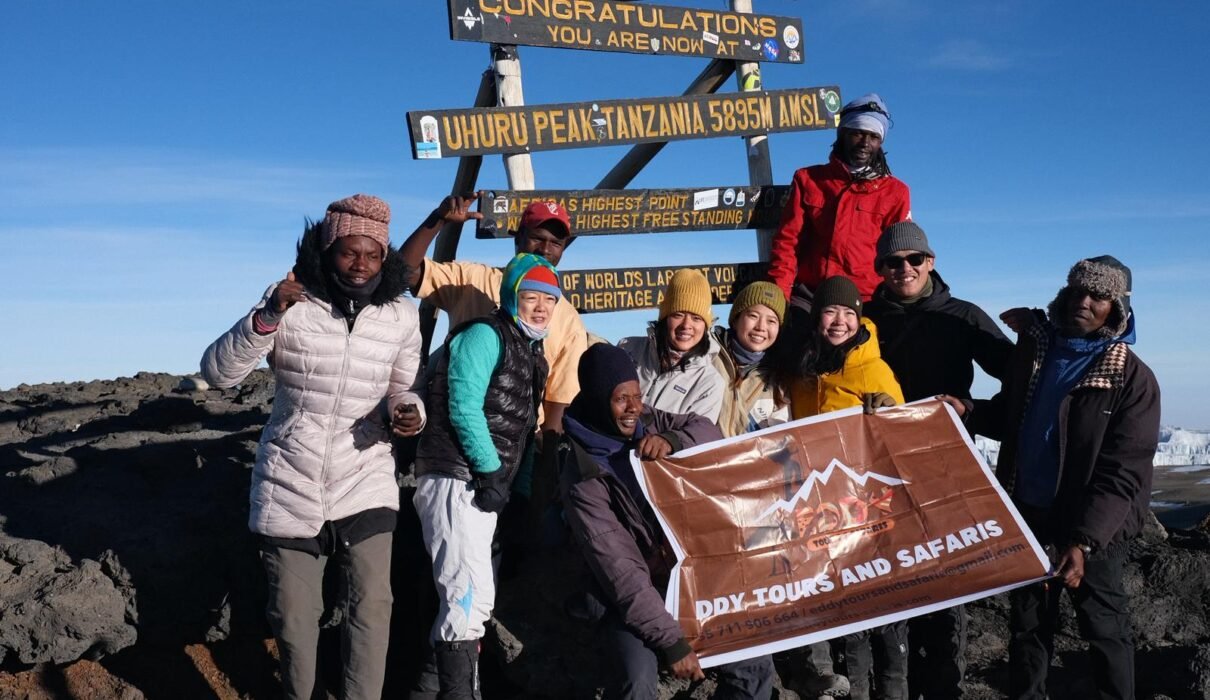
Is Climbing Kilimanjaro Really Worth It? This is one of the most honest and important questions travellers ask before committing their time, energy and money to Africa’s highest mountain, especially when they want more than just a photo at the top and truly care about safety, environmental impact and meaningful travel.
Many people dream about standing on the roof of Africa, but few stop to think deeply about what the journey really involves, how the mountain is protected, who supports every single climber on the trail and what kind of experience remains long after the trek ends. This article looks at the climb from a realistic and responsible point of view, using scientific guidance, conservation knowledge and real travel values to help you decide if this adventure is truly right for you.
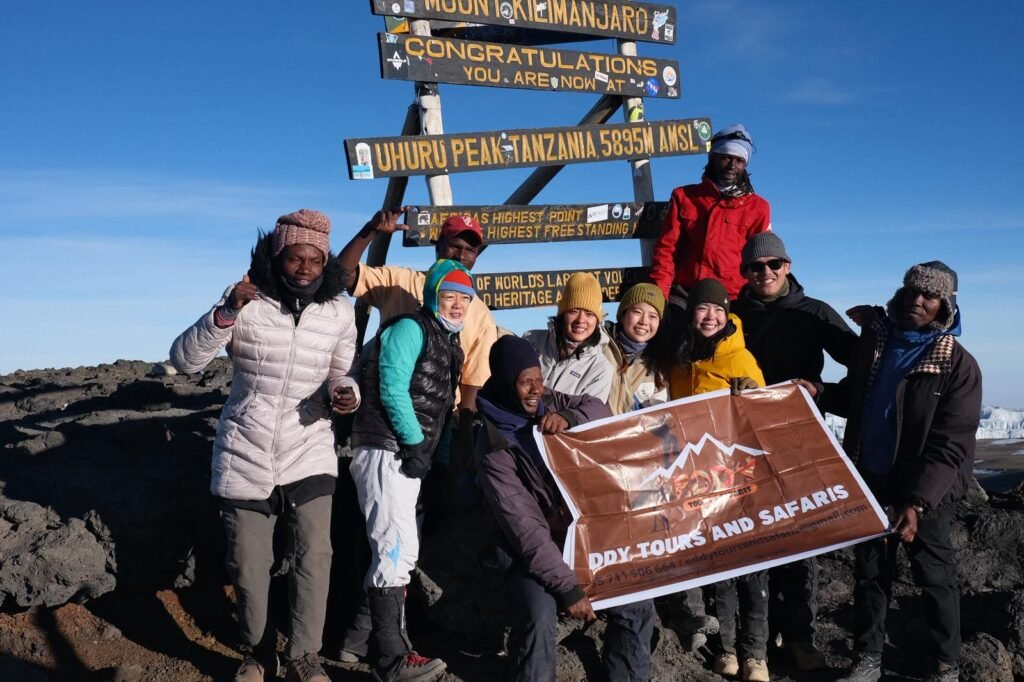
Is Climbing Kilimanjaro Really Worth It for your health and physical well-being?
Is Climbing Kilimanjaro Really Worth It when your body is pushed far outside normal comfort levels? Medical and altitude research from the World Health Organization shows that rapid changes in elevation can affect oxygen levels, sleep, appetite and physical performance, even for healthy people. Scientific guidance on high-altitude adaptation supported by the U.S. National Library of Medicine confirms that gradual ascent and proper rest days are the strongest protection against serious altitude illness.
This means the value of the climb is not only about reaching the summit, but about choosing safe routes, professional guides and realistic daily distances. When trekkers follow medically informed acclimatisation schedules and listen carefully to their guides, the experience becomes far safer and far more enjoyable.
Is Climbing Kilimanjaro Really Worth It for environmental protection and sustainability?
Is Climbing Kilimanjaro Really Worth It when fragile mountain ecosystems are under increasing pressure? Environmental protection of mountain landscapes is strongly supported by the United Nations Environment Programme, which identifies highland ecosystems as some of the most sensitive environments in Africa. Conservation frameworks developed by the International Union for Conservation of Nature also highlight that alpine and montane forests play a critical role in water supply, climate regulation and biodiversity protection.
Research and ecosystem monitoring by the UN Environment Programme World Conservation Monitoring Centre shows that protected mountain areas like Kilimanjaro act as vital climate buffers and biodiversity refuges. Responsible trekking practices, controlled visitor numbers and proper waste management directly support the survival of these ecosystems.
Is Climbing Kilimanjaro Really Worth It for wildlife and biodiversity conservation?
Is Climbing Kilimanjaro Really Worth It when the mountain itself is also a living ecosystem? The lower forest zones of Kilimanjaro are home to important wildlife and bird populations monitored by the BirdLife International partnership and biodiversity data systems coordinated by the Global Biodiversity Information Facility. These scientific platforms help researchers track changes in species distribution and habitat quality along the mountain slopes.
Global conservation organisations such as the Conservation International and habitat restoration programmes supported by The Nature Conservancy also recognise that protecting mountain forests is essential for both wildlife and surrounding human populations. Choosing ethical operators directly contributes to forest protection and conservation education.
Is Climbing Kilimanjaro Really Worth It for climate and future generations?
Is Climbing Kilimanjaro Really Worth It when climate change is already reshaping African mountains? Scientific assessments by the Intergovernmental Panel on Climate Change show that tropical mountain regions are experiencing rapid temperature changes that affect glaciers, water flow and vegetation patterns. Biodiversity vulnerability studies coordinated by the Intergovernmental Science-Policy Platform on Biodiversity and Ecosystem Services confirm that mountain species are particularly sensitive to warming trends.
Forest research conducted by the Center for International Forestry Research further explains how healthy mountain forests improve water stability for millions of people living below Kilimanjaro. Responsible climbing helps fund park management that protects these climate-critical ecosystems.
Is Climbing Kilimanjaro Really Worth It for local communities and porters?
Is Climbing Kilimanjaro Really Worth It when viewed through the lives of the people who make the climb possible? Development studies from the World Bank show that tourism employment is one of the strongest income sources for rural mountain communities in northern Tanzania. Labour protection frameworks promoted by the International Labour Organization guide fair working conditions, safety and wages for porters, cooks and guides.
Social development research coordinated by the UN Department of Economic and Social Affairs confirms that community-based tourism strengthens education access and household stability. When you choose a responsible operator, your climb directly supports families living around the mountain.
Is Climbing Kilimanjaro Really Worth It for cultural respect and heritage?
Is Climbing Kilimanjaro Really Worth It when cultural heritage is part of the experience? Cultural protection frameworks promoted by UNESCO highlight how traditional knowledge and local identity remain closely linked to mountain landscapes. Kilimanjaro is not only a natural icon, but also a cultural landmark for surrounding communities.
Respectful tourism strengthens pride in local traditions and helps preserve community stories connected to the mountain environment, making the journey richer than a simple physical challenge.
Is Climbing Kilimanjaro Really Worth It for safety and emergency preparedness?
Is Climbing Kilimanjaro Really Worth It if safety standards are ignored? Emergency response and outdoor risk management guidance promoted by the American Red Cross helps operators prepare for medical incidents and extreme weather conditions. Peer-reviewed outdoor risk research published through ScienceDirect supports structured safety systems and professional guide training.
Reliable operators invest heavily in medical checks, evacuation planning and staff training to ensure that climbers are protected throughout the journey.
Is Climbing Kilimanjaro Really Worth It for responsible tourism models?
Is Climbing Kilimanjaro Really Worth It from an economic and sustainability perspective? Research from the Overseas Development Institute shows that well-managed tourism creates long-term economic stability when environmental limits and community participation are respected. Biodiversity governance frameworks developed under the Convention on Biological Diversity guide protected area tourism planning and visitor impact control.
Choosing responsible trekking services helps avoid overcrowding, reduces trail degradation and supports proper conservation funding.
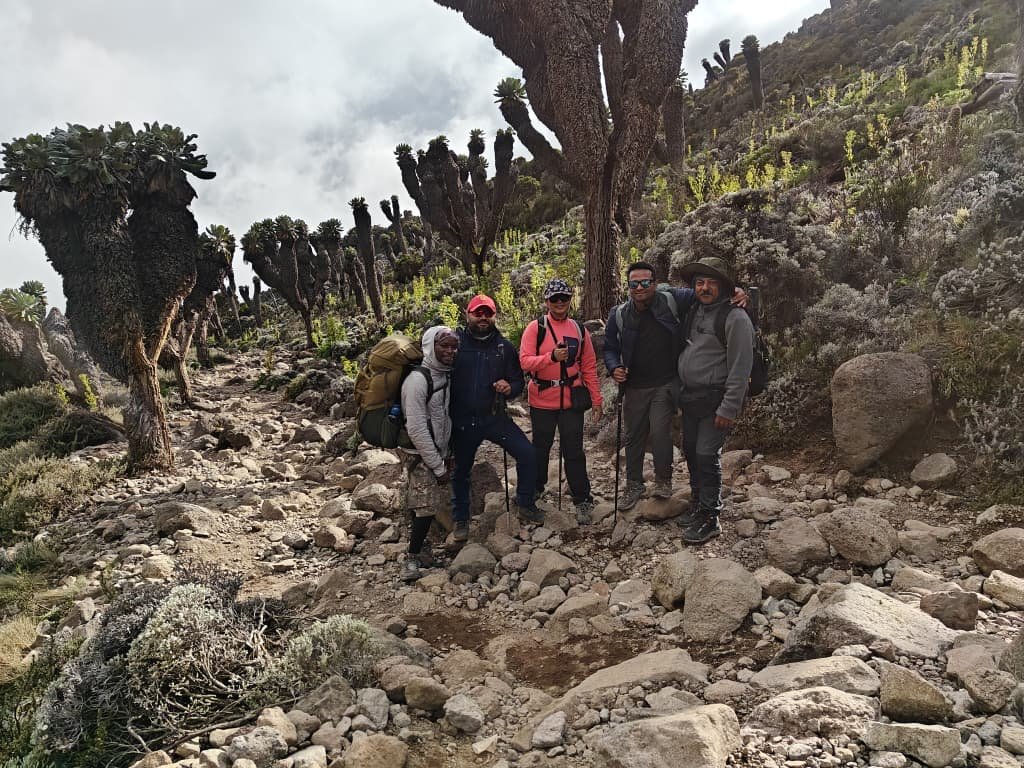
Is Climbing Kilimanjaro Really Worth It compared to other wildlife experiences in Tanzania?
Is Climbing Kilimanjaro Really Worth It when Tanzania also offers world-class wildlife safaris? Landscape connectivity and wildlife corridor protection supported by the Wildlife Conservation Society and regional conservation initiatives led by the African Wildlife Foundation demonstrate how protected areas across Tanzania are linked ecologically.
Many travellers combine mountain trekking with wildlife experiences organised through Eddy Tours and Safaris, allowing them to experience both Tanzania’s ecosystems and conservation efforts in one carefully planned journey.
Is Climbing Kilimanjaro Really Worth It for personal growth and emotional value?
Is Climbing Kilimanjaro Really Worth It beyond physical achievement? Psychological and outdoor learning research shows that long-distance trekking strengthens confidence, emotional resilience and self-awareness. Reaching high altitude through steady effort and teamwork creates a powerful sense of shared achievement that remains meaningful long after the climb ends.
Many travellers describe the slow walk through rainforest, heathland and alpine desert as one of the most peaceful and reflective experiences of their lives.
Is Climbing Kilimanjaro Really Worth It when planned professionally?
Is Climbing Kilimanjaro Really Worth It if your journey is professionally organised and ethically operated? Carefully designed trekking experiences offered through professional Kilimanjaro trekking services ensure correct pacing, trained guides and responsible staff management.
Many climbers also prefer to organise their full journey through custom Tanzania travel itineraries, combining trekking with wildlife safaris and cultural experiences.
Is Climbing Kilimanjaro Really Worth It for first-time visitors to Africa?
Is Climbing Kilimanjaro Really Worth It if you have never visited Africa before? Kilimanjaro offers a structured, professionally managed adventure that introduces travellers to African landscapes, cultures and conservation values in a safe and organised environment. For many visitors, the climb becomes a gateway to understanding the wider environmental and cultural richness of East Africa.
Planning support through local safari and trekking experts in Tanzania allows first-time travellers to navigate logistics, permits and accommodation smoothly.
Is Climbing Kilimanjaro Really Worth It in the long term?
Is Climbing Kilimanjaro Really Worth It when you look back years later? Climbers often remember not only the summit moment, but also the friendships formed on the trail, the songs of porters, the silence of high altitude and the knowledge that their journey helped support conservation and community livelihoods.
When climbing is done responsibly and ethically, the mountain remains protected, local communities benefit directly and travellers return home with a deeper understanding of nature and global responsibility.
In simple and honest terms, Is Climbing Kilimanjaro Really Worth It becomes a clear yes when the climb is safe, environmentally responsible, community-focused and professionally organised. It is not only about standing at the top. It is about how you reach it, who you support along the way and what kind of future your travel choices help protect.