
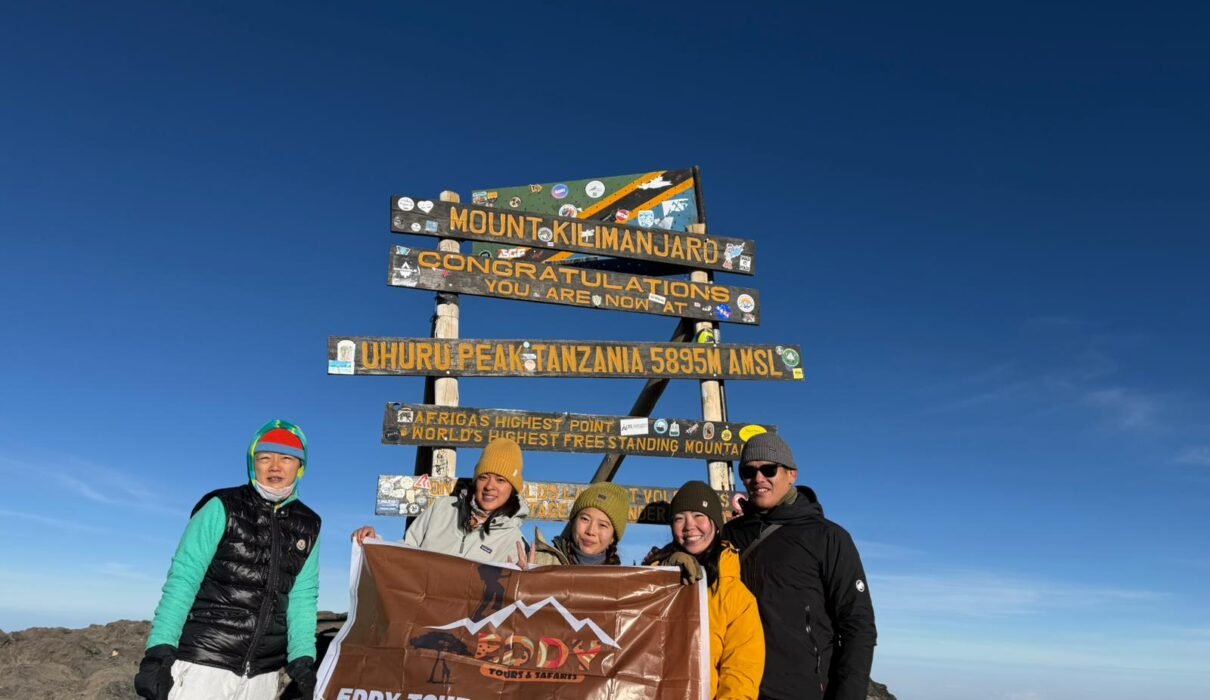
Ethical Kilimanjaro Climbs: Supporting and Protecting Porters is about choosing a better way to reach Africa’s highest mountain by respecting the people who carry the loads, prepare the camps, guide the routes and quietly make every successful summit possible for visitors from all over the world.
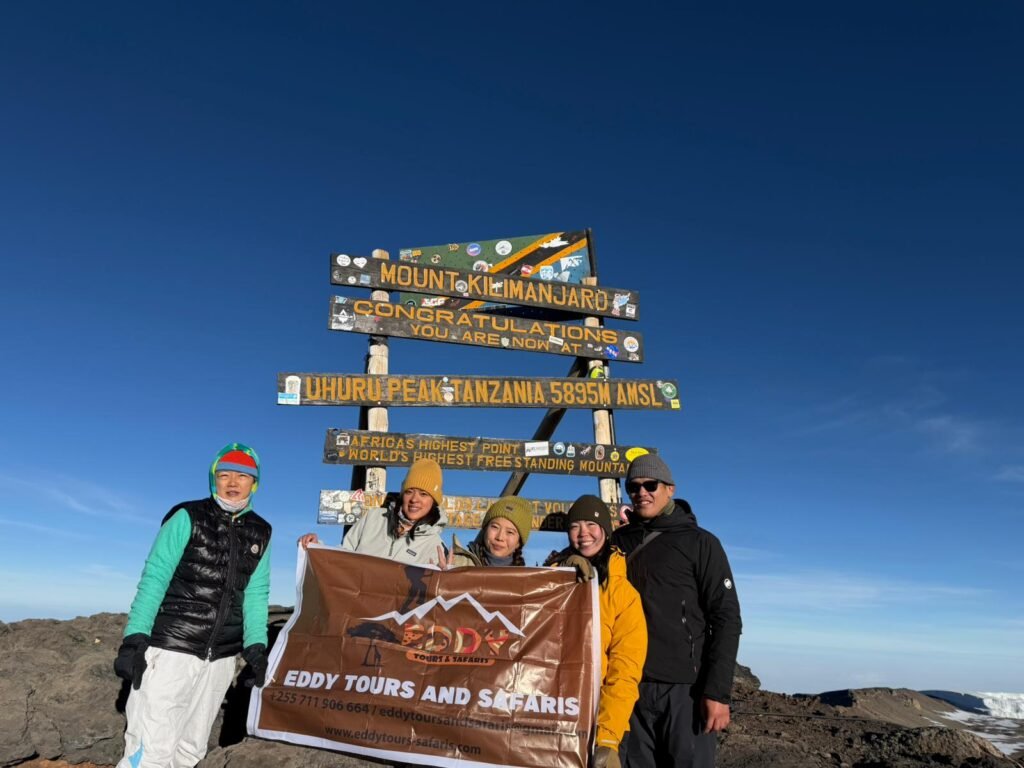
Behind every photograph taken at the top of Kilimanjaro, there is a team of porters who walked the same trails long before the sun rose, carrying equipment, food and safety supplies in difficult weather and steep terrain. An ethical climb means understanding their reality, protecting their dignity and making sure that tourism supports their health, safety and long-term livelihoods.
Ethical Kilimanjaro Climbs: Supporting and Protecting Porters and why ethical trekking matters
Ethical Kilimanjaro Climbs: Supporting and Protecting Porters matters because mountain tourism creates real pressure on people as well as on fragile ecosystems, and responsible practices are the only way to make sure that both human welfare and natural protection grow together. Global sustainability principles promoted by the United Nations Environment Programme, conservation and people-centred approaches supported by the International Union for Conservation of Nature, and social development guidance from the UN Department of Economic and Social Affairs clearly show that tourism should never harm workers or local communities.
In mountain destinations, fair treatment of workers is closely linked with environmental protection, visitor safety and long-term sustainability, making ethical porter care a central part of responsible travel.
Ethical Kilimanjaro Climbs: Supporting and Protecting Porters and international labour standards
Ethical Kilimanjaro Climbs: Supporting and Protecting Porters follows global labour principles designed to protect workers in physically demanding jobs. The International Labour Organization provides international guidance on fair working conditions, safe workplaces and protection against exploitation, while development research published by the World Bank shows that decent employment is one of the strongest tools for reducing poverty in tourism-dependent regions.
For porters on Kilimanjaro, this means fair wages, reasonable load limits, access to proper equipment, food, medical support and the right to work with dignity and safety.
Ethical Kilimanjaro Climbs: Supporting and Protecting Porters and health and safety on the mountain
Ethical Kilimanjaro Climbs: Supporting and Protecting Porters also depends heavily on health and safety standards, because porters face the same altitude risks as climbers while carrying heavy loads for many consecutive days. Health guidance published by the World Health Organization highlights the importance of proper medical preparedness in remote and high-altitude environments, while emergency and first-aid readiness promoted by the American Red Cross supports safer outdoor operations.
Well-managed teams ensure that porters have access to warm clothing, protective footwear, safe accommodation and immediate assistance if altitude sickness or injuries occur during the climb.
Ethical Kilimanjaro Climbs: Supporting and Protecting Porters and environmental responsibility
Ethical Kilimanjaro Climbs: Supporting and Protecting Porters is directly connected to environmental protection on the mountain itself. Mount Kilimanjaro’s fragile ecosystems depend on responsible tourism planning supported by organisations such as Conservation International, ecosystem restoration and land stewardship initiatives from The Nature Conservancy, and climate and ecosystem monitoring coordinated by the UN Environment Programme World Conservation Monitoring Centre.
When porter teams are treated fairly and properly trained, waste management, trail protection and campsite care improve naturally, reducing long-term damage to forests, alpine zones and water sources.
Ethical Kilimanjaro Climbs: Supporting and Protecting Porters and climate pressure on mountain workers
Ethical Kilimanjaro Climbs: Supporting and Protecting Porters must also consider the growing impact of climate change on mountain environments. Scientific assessments from the Intergovernmental Panel on Climate Change show that changing temperatures and weather patterns increase risks for both ecosystems and people working at high altitude, while biodiversity vulnerability assessments coordinated by the Intergovernmental Science-Policy Platform on Biodiversity and Ecosystem Services highlight how climate stress affects sensitive mountain habitats.
Porters often feel these changes first, through unpredictable weather, heavier rainfall, colder nights and longer walking hours caused by route adjustments.
Ethical Kilimanjaro Climbs: Supporting and Protecting Porters and community livelihoods
Ethical Kilimanjaro Climbs: Supporting and Protecting Porters plays a major role in strengthening community livelihoods around the mountain. Research on inclusive development from the Overseas Development Institute confirms that tourism creates stronger local benefits when workers are protected and communities remain actively involved in tourism operations.
Cultural heritage protection supported by UNESCO also reminds operators and travellers that mountain communities hold deep cultural relationships with the land, the forest and the mountain itself.
Ethical Kilimanjaro Climbs: Supporting and Protecting Porters and wildlife conservation links
Ethical Kilimanjaro Climbs: Supporting and Protecting Porters contributes indirectly to wildlife conservation by supporting responsible land use and reduced pressure on surrounding habitats. Landscape and wildlife research by the Wildlife Conservation Society, ecosystem connectivity initiatives supported by the African Wildlife Foundation, and biodiversity monitoring coordinated by the Global Biodiversity Information Facility show that healthy communities reduce illegal resource use in forest and wildlife areas.
Stronger livelihoods for porter families help protect nearby forest corridors that connect Kilimanjaro with wider regional ecosystems.
Ethical Kilimanjaro Climbs: Supporting and Protecting Porters and scientific research on mountain ecosystems
Ethical Kilimanjaro Climbs: Supporting and Protecting Porters is supported by long-term scientific research into mountain ecosystems and human impact. Forest and land-use research from the Center for International Forestry Research and peer-reviewed studies published through ScienceDirect help tourism planners understand how trail use, campsite locations and visitor numbers affect vegetation and water systems.
When trekking operations follow scientific guidance, both workers and ecosystems benefit through safer routes, better infrastructure and improved conservation planning.
Ethical Kilimanjaro Climbs: Supporting and Protecting Porters and responsible booking choices
Ethical Kilimanjaro Climbs: Supporting and Protecting Porters begins with how travellers choose their operators. Visitors who book through Eddy Tours and Safaris support carefully managed trekking teams, transparent porter payments and responsible mountain practices that place worker welfare at the centre of every climb.
Many climbers prefer building their routes and schedules through custom Kilimanjaro trekking programmes, allowing enough time for proper acclimatisation while protecting both porters and clients from unnecessary health risks.
Ethical Kilimanjaro Climbs: Supporting and Protecting Porters and fair tourism models
Ethical Kilimanjaro Climbs: Supporting and Protecting Porters is part of a wider shift toward fair tourism models that balance profit with responsibility. Studies from the Food and Agriculture Organization highlight how rural income from tourism reduces pressure on land, forests and farming systems when managed responsibly.
Travellers who want ethical and well-organised mountain journeys often use professional Kilimanjaro planning services to make sure that both safety standards and porter welfare policies are clearly defined before the climb begins.
Ethical Kilimanjaro Climbs: Supporting and Protecting Porters and long-term sustainability
Ethical Kilimanjaro Climbs: Supporting and Protecting Porters also supports national conservation commitments under international biodiversity frameworks promoted by the Convention on Biological Diversity and freshwater and ecosystem protection efforts coordinated by UN Environment.
Responsible mountain tourism protects catchment forests, reduces waste pollution and strengthens conservation awareness among visitors and local communities.
Ethical Kilimanjaro Climbs: Supporting and Protecting Porters and the human story behind every summit
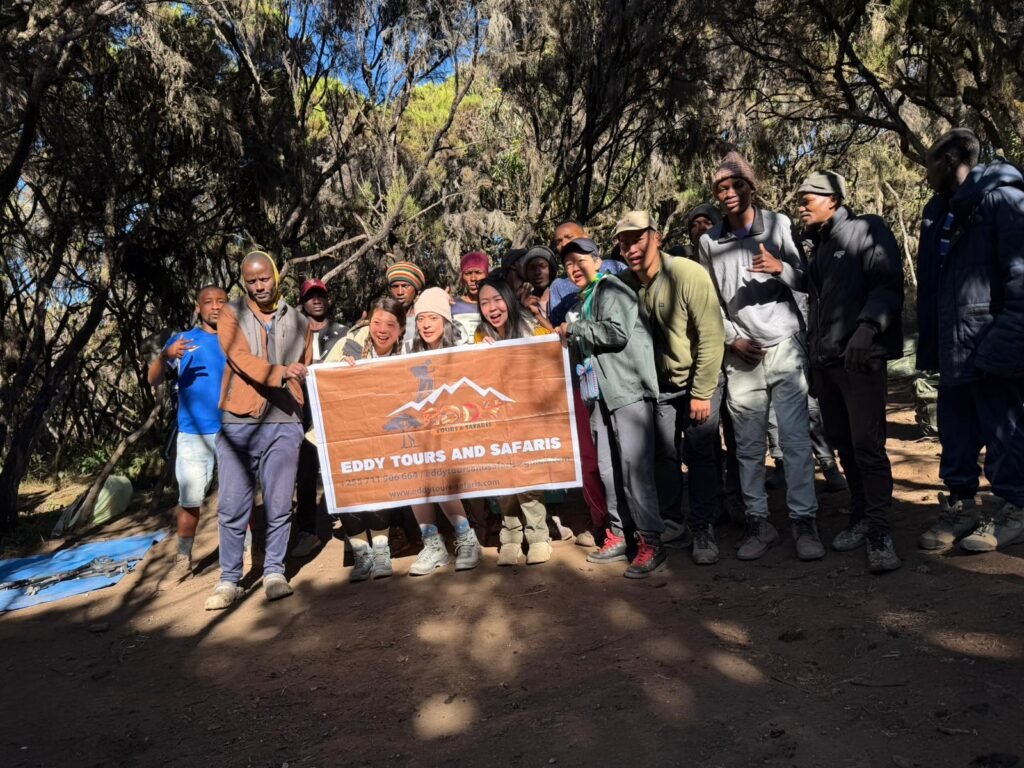
Ethical Kilimanjaro Climbs: Supporting and Protecting Porters is ultimately about people. It is about fathers and mothers who depend on trekking income, young workers building careers in tourism, and communities investing in education, healthcare and local development using earnings from ethical climbs.
Climbers who choose responsible experiences through responsible Kilimanjaro travel programmes become part of this positive change, helping transform tourism into a genuine tool for social progress and environmental protection.
Ethical Kilimanjaro Climbs: Supporting and Protecting Porters as your personal responsibility
Ethical Kilimanjaro Climbs: Supporting and Protecting Porters is not only the duty of tour companies and governments. It is also the responsibility of every traveller who decides how to book, how to treat staff and how to behave on the mountain.
By choosing ethical operators, respecting load limits, supporting fair treatment and understanding the real lives behind your climb, you help protect the people who make Kilimanjaro possible and ensure that this world-famous mountain remains a place of pride, dignity and opportunity for future generations.