
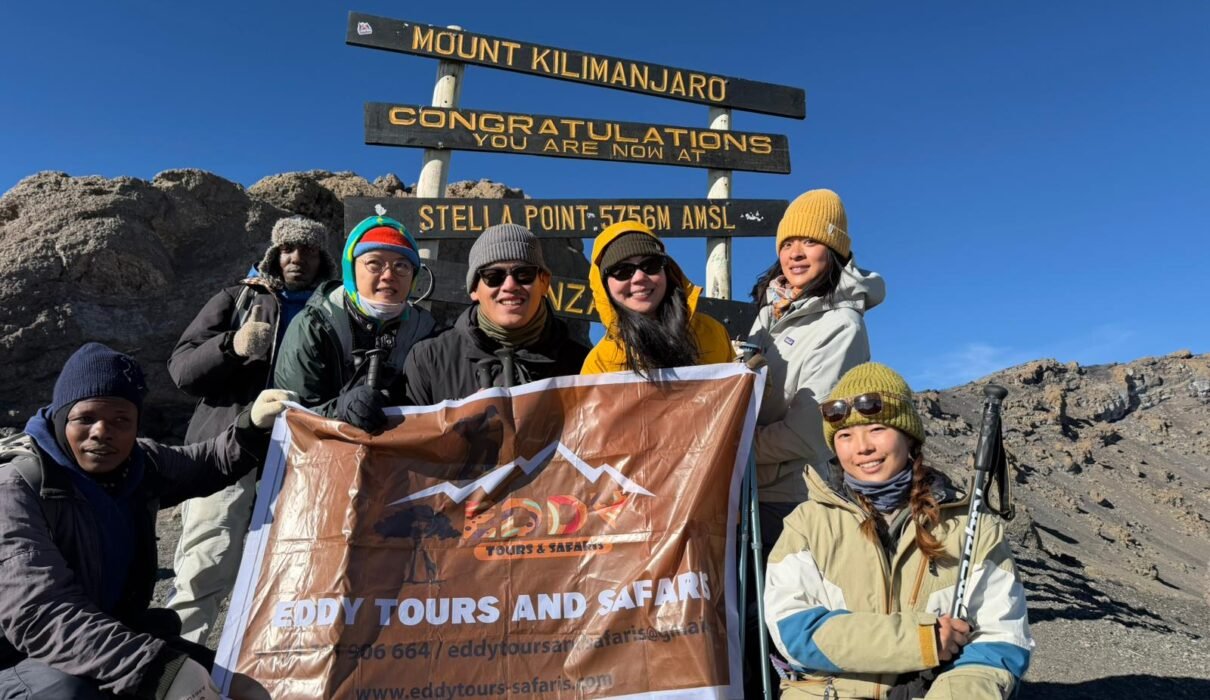
Staying Safe and Comfortable on Kilimanjaro is not only about reaching the summit. It is about protecting your health, managing your energy, and enjoying every day on the mountain without unnecessary risk or stress. Many climbers arrive with good fitness but poor preparation, and that is exactly where problems begin. This guide explains the real safety and comfort issues on the mountain in clear, practical language, based on how the mountain actually behaves, how the body reacts to altitude, and what experienced local teams see every season.
If you are planning your climb with a local operator such as Eddy Tours & Safaris Kilimanjaro programs, understanding these points will help you communicate better with your guides, choose the right route, and avoid the common mistakes that ruin many climbs before summit night.
Staying Safe and Comfortable on Kilimanjaro starts with understanding altitude
The biggest risk on the mountain is not cold, rain, or steep trails. It is altitude. As elevation increases, oxygen becomes thinner and your body must work harder to supply the brain and muscles. According to the Centers for Disease Control and Prevention, altitude illness can affect anyone, even young and very fit climbers. The World Health Organization also recognizes altitude exposure as a serious physiological stressor.
To remain safe, your daily pace must be slow and consistent. This is not a race. Research shared by the Wilderness Medical Society clearly shows that gradual ascent and rest days significantly reduce the risk of Acute Mountain Sickness. Your comfort on the mountain improves immediately when your body is allowed to adapt naturally.
How route choice protects your safety and comfort
Route design directly affects how your body handles altitude. Longer itineraries offer better acclimatization profiles. Many climbers choose programs promoted on Lemosho Route climbing itineraries because they allow gradual elevation gain and better rest opportunities, which is strongly recommended by high-altitude research groups such as the International Climbing and Mountaineering Federation (UIAA).
Comfort is not a luxury here. Better acclimatization means better sleep, better appetite, and better mental focus during long trekking days.
Staying Safe and Comfortable on Kilimanjaro through proper hydration and nutrition
Your body loses water very quickly at altitude due to increased breathing and dry air. According to the National Aeronautics and Space Administration, dehydration significantly reduces oxygen delivery efficiency in the blood, which worsens fatigue and headache. The Mayo Clinic also confirms that even mild dehydration increases dizziness and muscle weakness.
Drink regularly, even when you are not thirsty. Warm drinks such as tea and soup help maintain fluid intake in cold conditions. Good operators, including teams working with experienced mountain support staff, normally schedule frequent hydration breaks to avoid long dry intervals on the trail.
Food matters just as much. High carbohydrate meals support energy production at altitude. The Food and Agriculture Organization of the United Nations explains that carbohydrate-based diets improve short-term endurance in low-oxygen environments.
Staying Safe and Comfortable on Kilimanjaro with smart clothing and layering
Weather on Kilimanjaro changes rapidly because the mountain crosses several ecological zones. According to the UK Met Office, temperature drops sharply with altitude and cloud cover can create sudden chilling effects. The National Oceanic and Atmospheric Administration also highlights how wind dramatically increases heat loss at high elevations.
Layering is therefore not optional. A proper system allows you to remove or add insulation as your body temperature changes. This directly affects comfort and helps prevent cold stress and fatigue, which are listed by the Occupational Safety and Health Administration as major contributors to physical accidents in outdoor working environments.
Footwear and walking stability
Uneven volcanic terrain increases fall risk. The National Institute for Occupational Safety and Health confirms that ankle support and sole traction significantly reduce lower-limb injuries on rough surfaces. Trekking poles are also recommended by the United States National Park Service for long descents, where most knee and ankle injuries occur.
Staying Safe and Comfortable on Kilimanjaro by protecting your sleep and recovery
Sleep disruption is extremely common at altitude. According to research summarized by the National Sleep Foundation, low oxygen reduces deep sleep cycles and increases night awakenings. Good sleeping bags, proper ground insulation, and calm evening routines significantly improve recovery.
Your guide will normally advise light evening movement and warm drinks before bed. This practice aligns with recommendations from the British Medical Journal regarding circulation and temperature regulation in cold environments.
Staying Safe and Comfortable on Kilimanjaro through professional medical awareness
Do not hide symptoms. Headache, nausea, loss of appetite, dizziness, and unusual fatigue must be reported early. The Medscape medical reference library explains that early intervention prevents escalation into severe altitude conditions such as high-altitude cerebral or pulmonary complications.
Responsible operators, such as those working with local Kilimanjaro-based coordination teams, routinely monitor oxygen saturation and heart rate during daily checks. This aligns with field protocols described by the International Committee of the Red Cross for medical risk management in remote environments.
Staying Safe and Comfortable on Kilimanjaro by managing sun and cold exposure
High-altitude ultraviolet radiation is much stronger than at sea level. The United States Environmental Protection Agency warns that UV exposure increases rapidly with elevation. The Skin Cancer Foundation also confirms that high-altitude sunburn occurs faster and penetrates deeper layers of skin.
At the same time, cold exposure increases overnight. The American Red Cross lists hypothermia as a leading risk in prolonged outdoor exposure, especially when fatigue and dehydration are present.
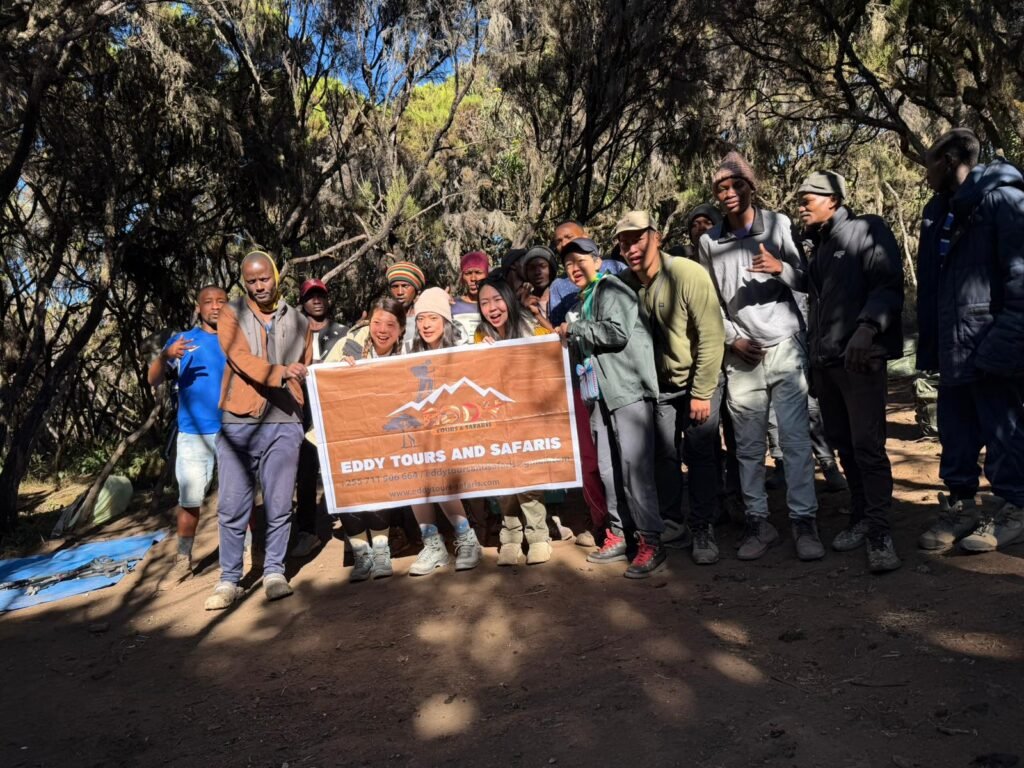
Staying Safe and Comfortable on Kilimanjaro through environmental responsibility
Kilimanjaro is not only a trekking destination. It is a sensitive highland ecosystem. The United Nations Environment Programme highlights how mountain environments are among the most fragile systems globally. The International Union for Conservation of Nature also confirms that waste mismanagement and trail erosion directly affect biodiversity.
Simple habits such as proper waste handling, respectful use of water sources, and following established trails protect both the mountain and future climbers. These practices are supported by international outdoor ethics promoted by the Leave No Trace Center for Outdoor Ethics.
Staying Safe and Comfortable on Kilimanjaro with strong mental preparation
Mental fatigue often appears before physical exhaustion. Studies from the American Psychological Association show that stress perception strongly influences physical performance in challenging environments. Simple techniques such as controlled breathing, short goal setting, and open communication with your guide team help maintain motivation during long days.
The mountain becomes much more enjoyable when expectations are realistic. This is why professional briefings, such as those provided before climbs arranged through responsibly designed adventure programs, play an important role in emotional comfort and safety.
Staying Safe and Comfortable on Kilimanjaro through experienced local leadership
Well-trained mountain crews understand terrain, weather behavior, evacuation procedures, and cultural logistics that visitors cannot easily predict. The International Federation of Red Cross and Red Crescent Societies emphasizes that local knowledge dramatically improves emergency response speed and decision quality in remote areas.
When your team communicates clearly, monitors your health daily, and adjusts pacing without pressure, your confidence increases naturally. This is where real comfort comes from on a serious mountain.
Staying Safe and Comfortable on Kilimanjaro and why choosing the right partner matters
Good preparation protects your body. A good team protects your experience. From equipment management to evacuation readiness, professional operations remove most of the uncertainty that causes anxiety for first-time climbers. This allows you to focus on the landscape, the silence of the high moorlands, and the personal achievement of moving steadily toward the summit.
If you would like to plan your climb with a locally based company that understands real mountain conditions, you can explore practical route options and safety-focused support through Eddy Tours & Safaris Kilimanjaro services. A properly designed itinerary will always place your health, comfort, and long-term safety first.
Your climb should challenge you, not endanger you. With the right preparation and the right support team, staying safe and comfortable on the mountain becomes a natural part of the journey.