
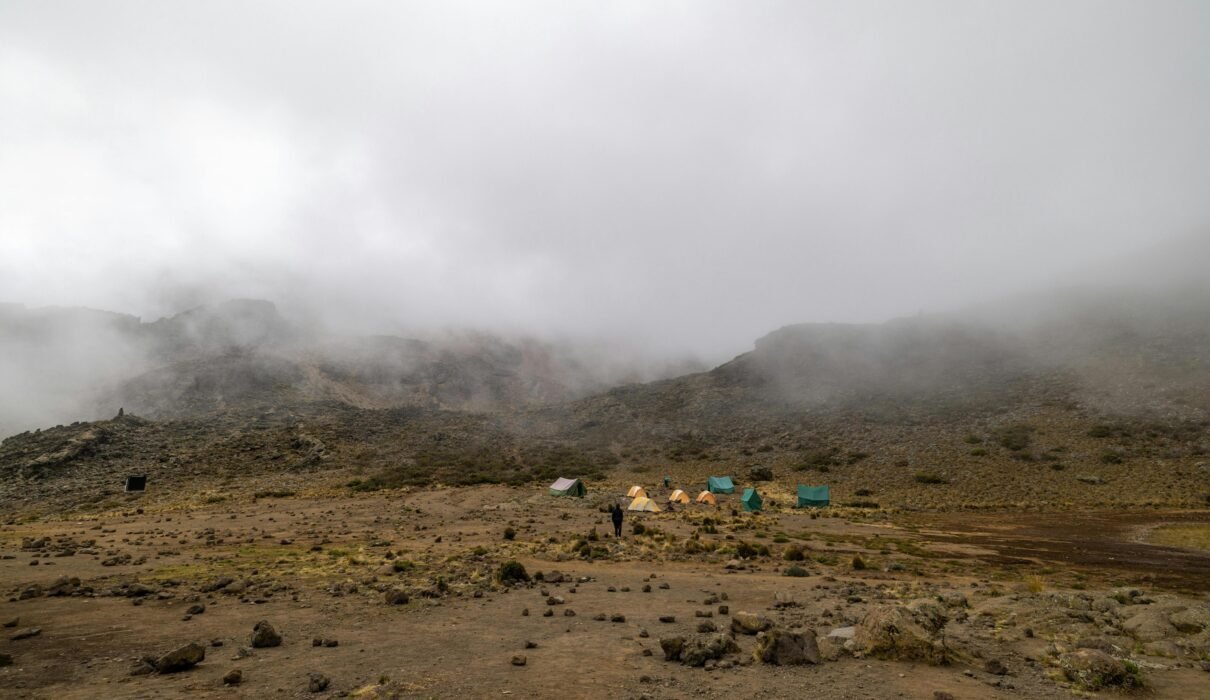
Climate Zones of Mount Kilimanjaro : A Kilimanjaro climb takes you through remarkable changes in landscape. Cultivated lower slopes give way to forest, open moorland, rocky alpine terrain, and the summit’s icefields.
Your clothing and walking routine need to change along the way. You may begin a day feeling warm beneath a forest canopy and finish it wearing several layers at an exposed campsite. Higher up, strong sunshine can make walking feel surprisingly warm before wind or shade changes the conditions again.
Understanding the climate zones of Mount Kilimanjaro helps you prepare for these transitions. It explains why waterproof clothing matters even on a dry-season departure, why a warm jacket alone is insufficient, and why clear weather does not remove the challenge of altitude.
This guide from Eddy Tours & Safaris introduces the mountain’s five commonly described zones through seven practical facts every climber should understand.
Kilimanjaro’s Five Main Zones at a Glance
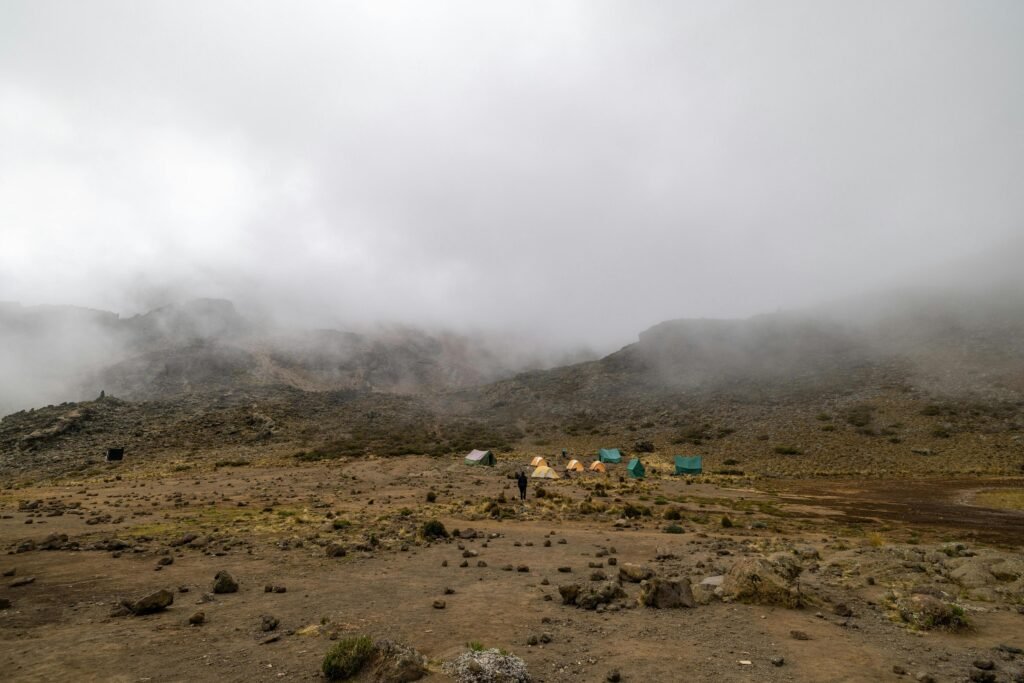
UNESCO identifies five main vegetation zones on Kilimanjaro: lower slopes, montane forest, heath and moorland, alpine desert, and summit. These ecological divisions are closely associated with changing climate, but their boundaries are gradual rather than exact lines across the mountain.
The elevations below are approximate planning ranges. Vegetation, exposure, and local conditions vary between slopes.
| Zone | Approximate elevation | Landscape | Main preparation concern |
|---|---|---|---|
| Cultivated lower slopes | Below about 1,800 metres | Farms, settlements, and modified vegetation | Warm conditions and sun exposure |
| Montane forest | About 1,800–2,800 metres | Dense forest, shaded paths, and moisture | Rain protection and slippery ground |
| Heath and moorland | About 2,800–4,000 metres | Shrubs, grasses, and increasingly open terrain | Wind, changing temperatures, and cold nights |
| Alpine desert | About 4,000–5,000 metres | Sparse vegetation, rock, dust, and scree | Exposure, dry conditions, and altitude |
| Summit zone | Above about 5,000 metres | High volcanic terrain and remaining icefields | Severe cold, wind, and very high altitude |
Some guides separate heath from moorland or use slightly different elevation bands. That does not mean the mountain has changed; it reflects different ways of describing a complex landscape.
1. The Lower Slopes Are Part of the Mountain’s Climate Story
Before reaching a trekking gate, you travel through inhabited and cultivated areas.
These lower slopes connect the mountain to the people living around it. Depending on your approach, you may see farms, gardens, settlements, and different patterns of land use.
They are often described as the cultivation or cultivated zone in climbing guides.
Why this matters before your trek
The conditions in Moshi, at your hotel, or during the drive to the gate do not tell you what to expect at higher camps.
Warm weather at the start can make heavy insulation feel unnecessary. Keep your mountain packing decisions separate from how comfortable you feel in town.
Similarly, the summit clothing you need later is usually unsuitable for walking through warmer lower sections. Wearing too much too early can leave your inner layers damp with sweat.
Prepare for transitions
Travel to the gate in comfortable clothing, with your rain shell and an additional layer accessible in your daypack.
Keep the clothing you will need during the walk separate from items carried in your main bag. Your porter-carried luggage may not be available whenever you want to change.
Climbing lesson: Pack for the complete ascent, then choose each day’s layers according to the conditions where you are walking.
2. The Forest Can Be Wet Even When Your Departure Is in a Drier Period
The montane forest is one of Kilimanjaro’s most distinctive environments.
The canopy provides shade, while moisture supports dense vegetation. Paths can be damp, muddy, or slippery, and rain can arrive during a period generally considered favourable for trekking.
TANAPA describes a broad forest belt around the mountain at approximately 1,800–2,800 metres. Its vegetation guidance also explains how weather and vegetation change with elevation.
Keep important equipment dry
A waterproof jacket helps protect you, but it does not protect the contents of your bag.
Use a suitable waterproof liner or dry bags for clothing, electronics, and other items that need to remain dry. A backpack cover can provide additional protection.
Your sleeping bag and warm evening clothing deserve particular attention. Dry equipment becomes more important as the nights get colder.
Walk carefully through damp terrain
Roots, stones, and muddy sections can affect footing. Suitable boots and trekking poles may help, especially during descent when tired legs make careful movement important.
Avoid rushing through the forest simply because it is below the mountain’s most demanding elevations.
Climbing lesson: Treat rain protection as part of your standard equipment rather than an optional item chosen from a seasonal forecast.
3. Moorland Brings More Exposure and Greater Temperature Changes
As the forest thins, the landscape opens.
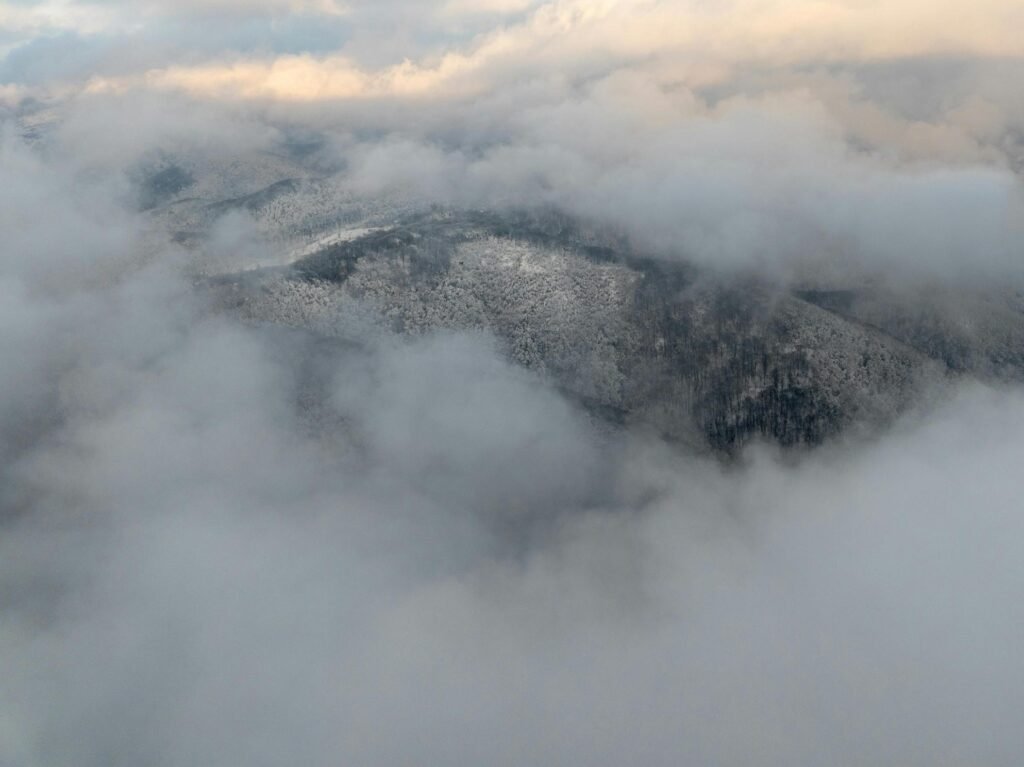
Heath and moorland include shrubs, grasses, and distinctive high-altitude plants. Views become wider, but there is less shelter from wind and direct sunlight.
NASA’s overview of Kilimanjaro’s zones illustrates the transition from forest into moorland and the sparse environments above it.
Change layers before you become uncomfortable
You may feel warm while walking uphill in sunshine, then cool quickly when you stop.
Keep a fleece or other insulating layer close at hand. Add it during breaks when needed instead of waiting until you are already cold.
A wind-resistant outer layer is useful when conditions are dry but exposed.
Prepare for the campsite
Walking generates heat. Sitting at camp does not.
Keep dry camp clothing organised so you can change efficiently after arrival. Warm socks, a hat, and suitable insulation can make the evening more comfortable.
Protect these items from rain and from damp clothing inside your main bag.
Climbing lesson: Think separately about clothing for walking, stopping, and sleeping. The same outfit will not suit every part of the day.
4. Alpine Desert Can Feel Warm in Sunshine and Cold Moments Later
Above the moorland, vegetation becomes increasingly sparse. Rock, gravel, dust, and scree dominate much of the landscape.
The term “alpine desert” refers to a harsh, relatively dry high-mountain environment. It does not mean the dependable warmth associated with a lowland desert.
Sunshine, shade, wind, and time of day can create very different experiences.
Use adjustable protection
Wear layers you can open, remove, or add without unpacking your entire bag.
Sun protection remains important when the air feels cool. Cover exposed skin where practical and carry suitable sunglasses.
Do not judge conditions only by how warm your face feels in direct sunshine. Wind can cool exposed hands and other areas quickly.
Manage dust and equipment
Dust can affect cameras, phones, and other equipment. Keep unused items protected and avoid opening bags unnecessarily in windy conditions.
A neck covering may be useful for comfort on dusty sections, but it should not obstruct breathing.
Walking surfaces can also change. Loose ground requires attention, particularly when you are tired.
Climbing lesson: Prepare for exposure from several directions: sun, wind, cold, and dust.
5. The Summit Zone Needs Its Own Clothing and Equipment Plan
The highest part of Kilimanjaro includes exposed volcanic terrain and remaining icefields.
The summit zone is often called the “Arctic zone” in trekking descriptions. This is a comparison with cold high-elevation conditions; Kilimanjaro is still a tropical mountain.
Many standard itineraries begin their final ascent during the night. That places climbers on exposed terrain before the warming effect of daylight.
Test your summit clothing before departure
Your clothing system should work together: base layers, insulation, outer protection, gloves, headwear, socks, and boots.
Try the complete arrangement at home. Check whether you can move comfortably and use zips, poles, and your headlamp while wearing gloves.
Boots should have enough space for the socks you intend to use. Adding thick socks to already tight boots can create discomfort.
Follow the equipment advice for your actual departure rather than relying on one generic temperature figure found online.
Keep essential items accessible
Your headlamp, spare power, food, and drinking arrangements need to suit the final ascent.
Discuss how to protect drinking water from freezing and how to manage your equipment in cold conditions.
Cold can also shorten battery life. Carry spare batteries or a power source appropriately, and keep essential electronics protected.
Climbing lesson: Treat summit preparation as a separate part of your gear check, including practical tasks you will perform in darkness and cold.
6. Route Choice and Weather Change How You Experience Each Zone
Climbers do not all pass through the same scenery in the same way.
Routes approach the mountain from different directions and use different camps. Exposure, vegetation, and the timing of daily transitions can vary.
A photograph taken on one route may not represent what you will see at the same elevation on another.
Read your actual itinerary
Look at the starting point, overnight camps, walking stages, and elevations.
Ask where you are likely to leave the forest, which days involve exposed terrain, and what equipment should remain in your daypack.
A useful briefing connects the landscape with the day’s practical demands.
Understand the limits of seasonal advice
Seasonal patterns help with planning, but they are not a promise of clear skies.
Rain, cloud, wind, and cold remain possible during periods commonly recommended for climbing. A forecast for a nearby town is also a poor guide to conditions high on the mountain.
Listen to your team’s assessment of current conditions and adapt your clothing accordingly.
Allow for the descent
You cross the zones again on the way down, sometimes through a different route.
Do not bury your waterproof clothing or lighter layers after summit day. Descending into warmer, wetter terrain requires another adjustment.
Climbing lesson: Use seasonal information to choose dates, then prepare your equipment for a range of mountain conditions.
7. Climate Zones Do Not Measure Your Acclimatisation
Changing vegetation provides a visible sign that you are gaining elevation. It does not tell you whether your body is adapting well.
A comfortable temperature, clear sky, or easy-looking path does not remove altitude-related risk.
Fitness helps with trekking effort, but the CDC states that physical fitness does not protect against altitude illness. Ascent rate and individual susceptibility are important factors.
Pay attention to how you feel
Tell your guide promptly about symptoms or a change in your condition. Do not assume a headache, nausea, dizziness, or unusual fatigue is simply part of moving into another zone.
Breathlessness at rest, confusion, or difficulty walking steadily requires urgent attention.
Do not continue ascending with symptoms of altitude illness. Follow the guide’s response procedures; worsening symptoms or severe illness require descent and appropriate assistance.
Plan the ascent profile
Before booking, review overnight elevations and the pace of ascent. Discuss relevant medical questions with a qualified clinician before departure.
Clothing protects you from weather. It cannot replace acclimatisation.
Climbing lesson: Prepare for climate and altitude as related but separate demands.
How to Pack for All Five Kilimanjaro Zones
Build a flexible clothing system around the following functions:
| Function | Useful equipment |
|---|---|
| Manage moisture while walking | Suitable base layers and trekking clothing |
| Protect against rain | Waterproof jacket, trousers, and bag protection |
| Adjust warmth | Fleece or other intermediate insulation |
| Stay warm during stops and high camps | Appropriate insulated jacket and dry camp layers |
| Protect hands and head | Gloves, warm hat, and suitable face or neck protection |
| Manage sun exposure | Sunglasses, sun hat, sunscreen, and covering clothing |
| Walk securely | Broken-in boots and suitable socks |
| Sleep comfortably | Sleeping bag appropriate to the itinerary and conditions |
Confirm the detailed equipment list with your operator. Rental items should be identified early so you can check availability, fit, and condition.
Keep your waterproofs, an extra layer, sun protection, water, snacks, and essential personal items accessible during each day’s walk.
Frequently Asked Questions
How many climate zones does Kilimanjaro have?
It is commonly described using five main zones: cultivated lower slopes, montane forest, heath and moorland, alpine desert, and summit. Some descriptions divide vegetation differently.
Are the zone boundaries exact?
No. The elevation ranges are approximate. Vegetation and climate change gradually and vary between slopes.
Is Kilimanjaro hot or cold?
You need to prepare for both warmer lower sections and cold, exposed high elevations. Conditions also change between walking, resting, daytime, and night.
Will I see snow at the summit?
Conditions vary. The mountain has remaining icefields, but fresh snow cover and its extent depend on conditions. Do not expect every summit photograph to match your departure.
Can I leave waterproof clothing behind during a drier month?
No. Carry suitable rain protection and protect your important equipment from moisture.
Does a longer route guarantee successful acclimatisation?
No. The ascent profile and individual response matter. Review the itinerary carefully and report symptoms throughout the climb.
Plan Your Kilimanjaro Climb With Eddy Tours & Safaris
Understanding the climate zones of Mount Kilimanjaro gives your packing list a purpose. You are preparing for forest moisture, exposed moorland, dry alpine terrain, and a cold high-altitude summit attempt.
Contact Eddy Tours & Safaris with your preferred dates, trekking experience, and available days. Request the daily itinerary, overnight elevations, equipment list, and details of the team’s health-monitoring and descent procedures.
Website: eddytours-safaris.com
Email: eddytoursandsafaris@gmail.com
Sales enquiries: sales@eddytours-safaris.com
Phone and WhatsApp: +255 711 906 664