
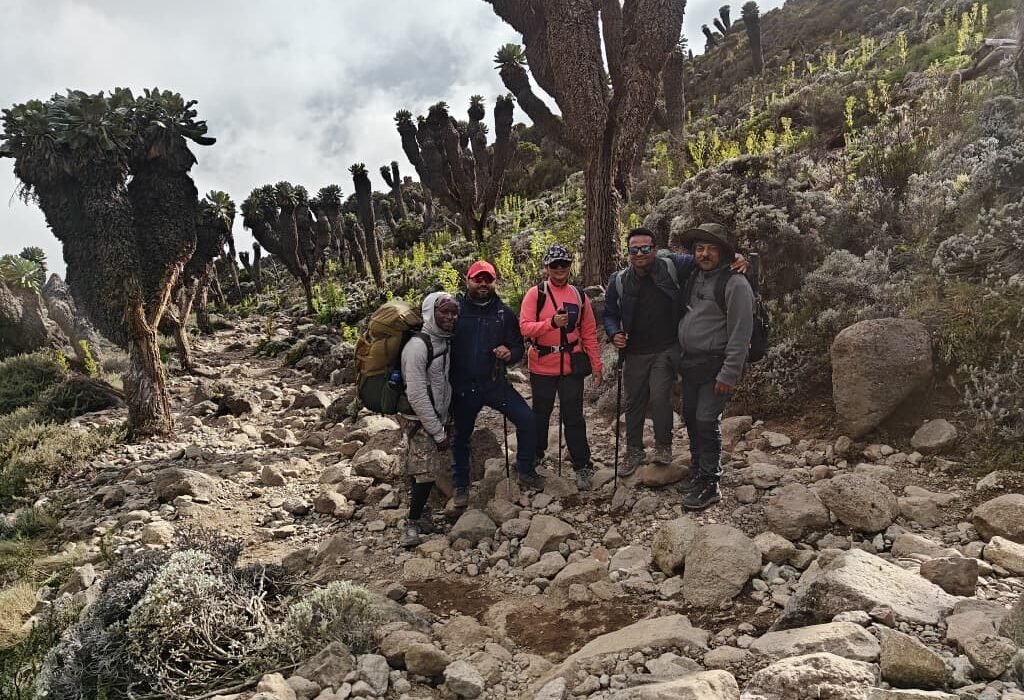
Complete Guide to the Kilimanjaro Summit is the most important resource you can read before committing to the highest point in Africa, because reaching the top is not about strength alone but about understanding altitude, weather, health, planning and the fragile mountain environment that supports every step of your journey. This guide focuses on what truly helps climbers reach the summit safely, comfortably and responsibly while protecting both people and nature.
This article is written for travellers who want clear and honest information, not marketing stories. If you are preparing your climb with a reliable local operator such as Eddy Tours & Safaris, the knowledge below will help you choose the right route, the right pace and the right level of professional support for a successful and memorable climb.
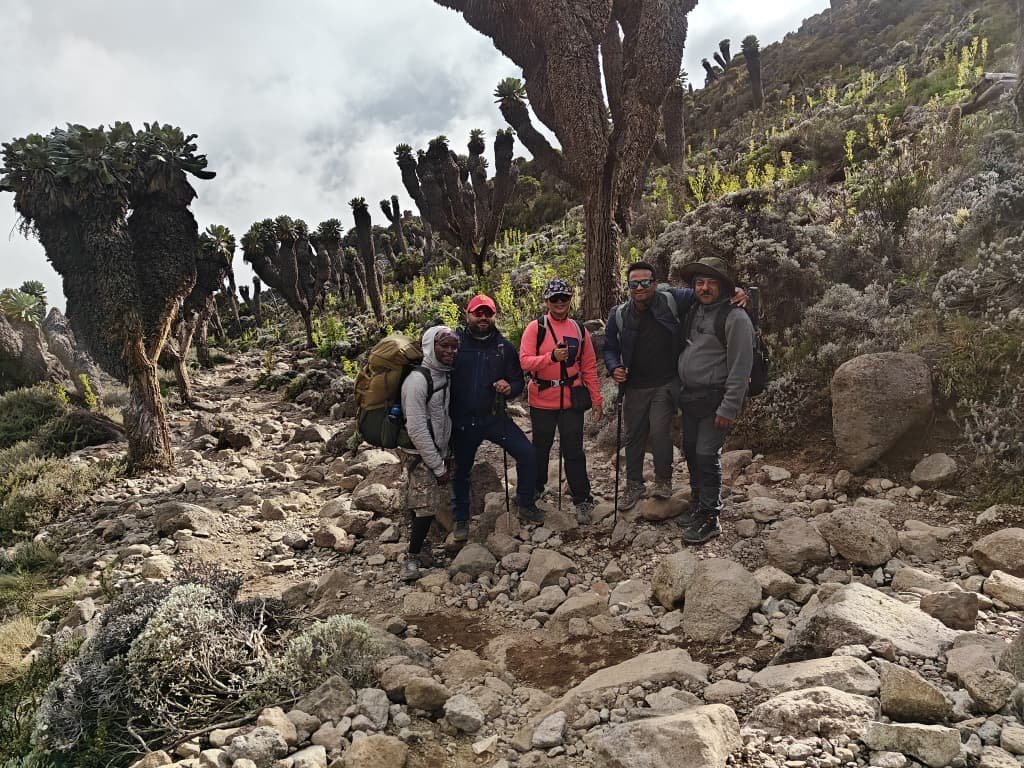
Complete Guide to the Kilimanjaro Summit and why preparation matters most
The Complete Guide to the Kilimanjaro Summit always begins with preparation, because most summit failures happen long before climbers reach high altitude. Studies published through the U.S. National Library of Medicine and medical research indexed in PubMed confirm that physical conditioning, sleep quality and gradual altitude exposure strongly influence performance and safety.
Public health recommendations provided by the Centers for Disease Control and Prevention and medical guidance from the International Society for Mountain Medicine clearly explain that slow ascent, hydration and rest days reduce the risk of altitude illness and improve completion rates.
Complete Guide to the Kilimanjaro Summit and understanding altitude adaptation
A serious Complete Guide to the Kilimanjaro Summit must explain how the body adapts to lower oxygen. Research supported by the World Health Organization shows that reduced air pressure affects breathing, heart function and fluid balance, especially above high camps on Kilimanjaro.
Clinical information published by Johns Hopkins Medicine and the Cleveland Clinic confirms that recognising early symptoms and adjusting pace is one of the strongest predictors of safe summit success.
Complete Guide to the Kilimanjaro Summit and route structure
Another essential part of the Complete Guide to the Kilimanjaro Summit is route design and daily elevation gain. Outdoor leadership and expedition research promoted by the National Outdoor Leadership School demonstrates that balanced walking distances and structured acclimatisation days improve endurance and reduce fatigue.
International climbing safety standards from the International Climbing and Mountaineering Federation recommend conservative ascent profiles, professional leadership and clear decision-making procedures on high mountains such as Kilimanjaro. This is why professionally designed itineraries like those offered through Kilimanjaro climbing programs consistently perform better than rushed schedules.
Complete Guide to the Kilimanjaro Summit and weather influence
The Complete Guide to the Kilimanjaro Summit must also include realistic climate awareness. Environmental data from NASA Climate and scientific assessments by the Intergovernmental Panel on Climate Change show that isolated high mountains experience rapid temperature drops, strong winds and extreme solar exposure.
Environmental monitoring coordinated by the United Nations Environment Programme and mountain ecosystem studies published by the International Union for Conservation of Nature explain that weather variability also affects trail conditions, water availability and camp safety.
Complete Guide to the Kilimanjaro Summit and environmental protection
A responsible Complete Guide to the Kilimanjaro Summit must include environmental responsibility. Conservation organisations such as the World Wide Fund for Nature, the African Wildlife Foundation and Conservation International confirm that mountain ecosystems are highly sensitive to erosion, waste and unmanaged foot traffic.
Scientific land management guidance from the Food and Agriculture Organization and geological research by the United States Geological Survey demonstrate that regulated camping zones and controlled access routes protect both biodiversity and visitor safety.
Complete Guide to the Kilimanjaro Summit and medical readiness
The Complete Guide to the Kilimanjaro Summit must include proper medical systems. Emergency response principles developed by the International Federation of Red Cross and Red Crescent Societies and training guidance from the International Red Cross emphasize communication tools, evacuation protocols and trained personnel for remote operations.
Professional teams carry oxygen systems, monitoring devices and emergency plans that allow rapid response if symptoms worsen. This is one of the reasons many climbers prefer professional local operators who work closely with park rescue systems and regional health services.
Complete Guide to the Kilimanjaro Summit and first-time climbers
For beginners, the Complete Guide to the Kilimanjaro Summit should remove unnecessary fear. Public health research from the Harvard T.H. Chan School of Public Health and physiological studies published in Frontiers in Physiology show that previous altitude experience is not essential when acclimatisation and supervision are applied correctly.
What matters more than experience is honesty about how you feel, discipline in hydration and trust in guide advice. Many first-time climbers succeed by choosing experienced local teams such as professional Tanzanian trekking operators who understand how different bodies respond to altitude.
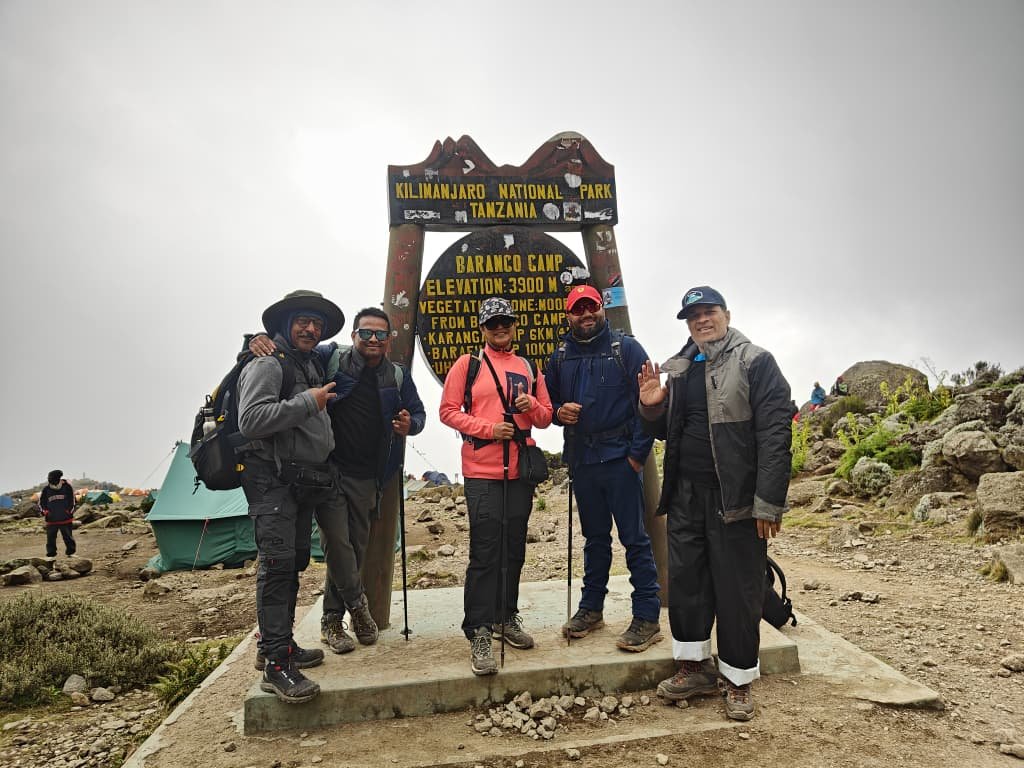
Complete Guide to the Kilimanjaro Summit and leadership quality
The Complete Guide to the Kilimanjaro Summit must also highlight leadership. Research published through ScienceDirect and behavioural studies shared by Nature Research show that calm leadership and structured decision-making under fatigue strongly influence group performance.
Well-trained guides detect early signs of physical or emotional stress, adjust walking speed and decide responsibly when conditions are not safe to continue, protecting long-term health rather than chasing short-term goals.
Complete Guide to the Kilimanjaro Summit and porter welfare
An ethical Complete Guide to the Kilimanjaro Summit also includes fair treatment of support crews. Labour standards promoted by the International Labour Organization and social protection initiatives supported by Oxfam International show that fair working conditions improve health, morale and team performance.
Healthy and respected porters are more attentive to hazards, weather changes and client needs, directly improving safety and comfort throughout the climb.
Complete Guide to the Kilimanjaro Summit and risk management
A realistic Complete Guide to the Kilimanjaro Summit must include structured risk planning. Disaster risk reduction frameworks promoted by the World Bank Disaster Risk Management programme and academic research networks at the University of Oxford show that regulated access, ranger coordination and operator licensing improve both safety and success outcomes.
Kilimanjaro benefits from controlled entry systems and mandatory professional support, creating predictable emergency response pathways and consistent operational standards.
Complete Guide to the Kilimanjaro Summit and recovery after the climb
The Complete Guide to the Kilimanjaro Summit does not end at the summit. Medical review articles available through PubMed Central and physiological research published in Frontiers Journals indicate that healthy individuals recover well when proper hydration, nutrition and rest are maintained after descent.
Slow return to normal activity and attention to minor symptoms support long-term well-being and reduce post-expedition fatigue.
Complete Guide to the Kilimanjaro Summit and smart booking decisions
In real life, the Complete Guide to the Kilimanjaro Summit becomes useful only when it supports better booking decisions. Rushed itineraries, poorly trained staff and unrealistic summit promises often lead to disappointment or unnecessary health risks.
Climbers who prefer honest advice and safety-driven planning often consult directly with local professionals through local Kilimanjaro experts. Personal guidance allows realistic expectations and flexible route planning based on fitness level, time availability and personal goals.
What truly defines a successful Kilimanjaro summit experience
The real message behind the Complete Guide to the Kilimanjaro Summit is simple. Success is created through science-based acclimatisation, ethical operations, environmental respect and professional leadership. It is not created by speed or by ignoring early warning signs.
If your goal is a meaningful, safe and well-supported climb, working with experienced local specialists such as trusted Kilimanjaro professionals provides the strongest foundation for confidence, comfort and long-term satisfaction on Africa’s highest mountain.