
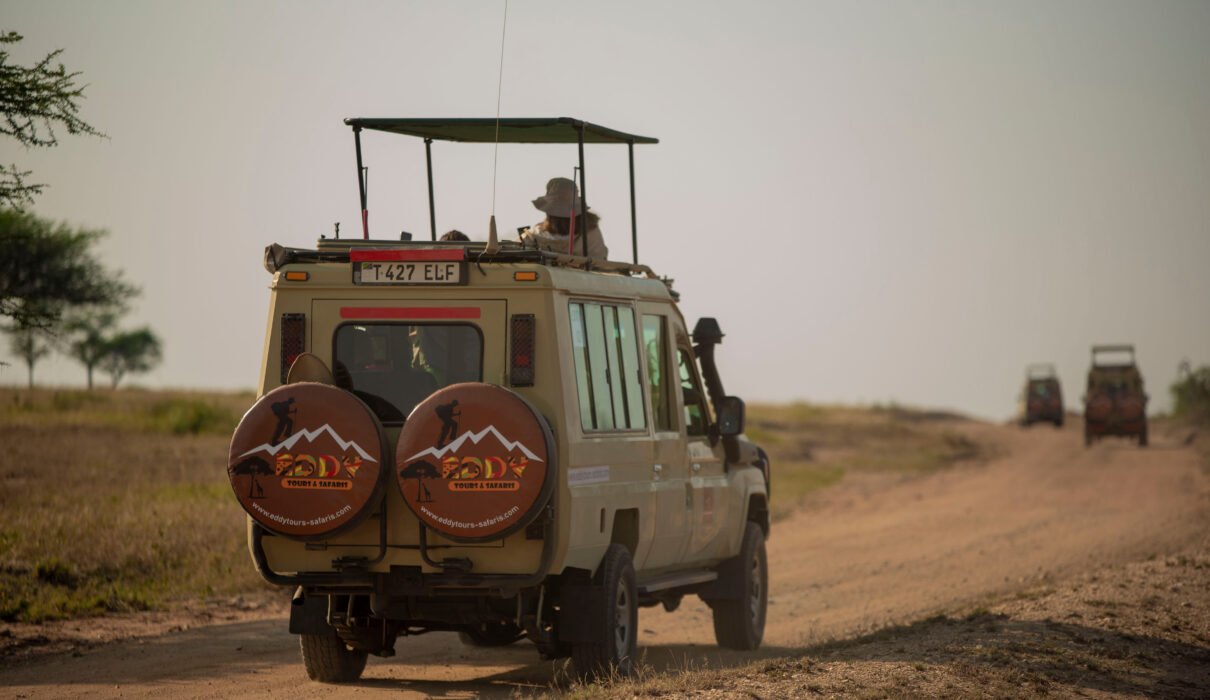
Complete Guide to Traveling in Tanzania is designed for travelers who want real, practical and honest information before arriving in one of Africa’s most diverse and naturally rich destinations. Tanzania is not only famous for wildlife and landscapes, but also for its deep cultural heritage, conservation leadership and community-based tourism that directly supports people and ecosystems across the country.
This guide focuses on safety, health, responsible travel, culture, nature protection and realistic travel planning. It is written to help you make better decisions before you arrive, while you are in the country and when choosing a reliable local operator such as Eddy Tours & Safaris, whose local experience and ethical practices help visitors explore Tanzania with confidence and respect.
Complete Guide to Traveling in Tanzania for first-time visitors
The first step in this Complete Guide to Traveling in Tanzania is understanding how large and diverse the country truly is. Tanzania stretches from the Indian Ocean coastline to high mountain ecosystems and vast savannahs. Environmental and biodiversity data from United Nations Environment Programme and global conservation monitoring coordinated by the International Union for Conservation of Nature confirm that Tanzania hosts some of the most ecologically important landscapes in Africa.
This diversity also means that travel conditions vary widely between regions. Roads, climate, health risks and accommodation standards change depending on where you travel. Planning carefully and working with experienced local professionals is one of the most reliable ways to avoid unnecessary stress and safety problems during your visit.
Complete Guide to Traveling in Tanzania and entry, health and safety planning
A responsible Complete Guide to Traveling in Tanzania must begin with health preparation. Official travel health guidance published by the World Health Organization and international disease monitoring by the Centers for Disease Control and Prevention provide clear recommendations on vaccinations, malaria prevention and basic health precautions for travelers visiting East Africa.
Medical institutions such as Johns Hopkins Medicine and the Cleveland Clinic highlight the importance of travel insurance, emergency contact planning and awareness of dehydration and heat exposure in tropical environments. Travelers who prepare properly rarely experience serious health difficulties during their trip.
Complete Guide to Traveling in Tanzania and understanding climate and geography
This Complete Guide to Traveling in Tanzania also considers climate and environmental patterns. Climate research from NASA Climate and global assessments produced by the Intergovernmental Panel on Climate Change show that weather conditions in East Africa vary strongly between coastal, highland and semi-arid regions.
Geographical and land surface data published by the United States Geological Survey confirm that altitude and seasonal rainfall patterns influence road accessibility and park conditions. Understanding these variations allows visitors to plan realistic travel routes without rushing long distances in a short time.
Complete Guide to Traveling in Tanzania and wildlife conservation
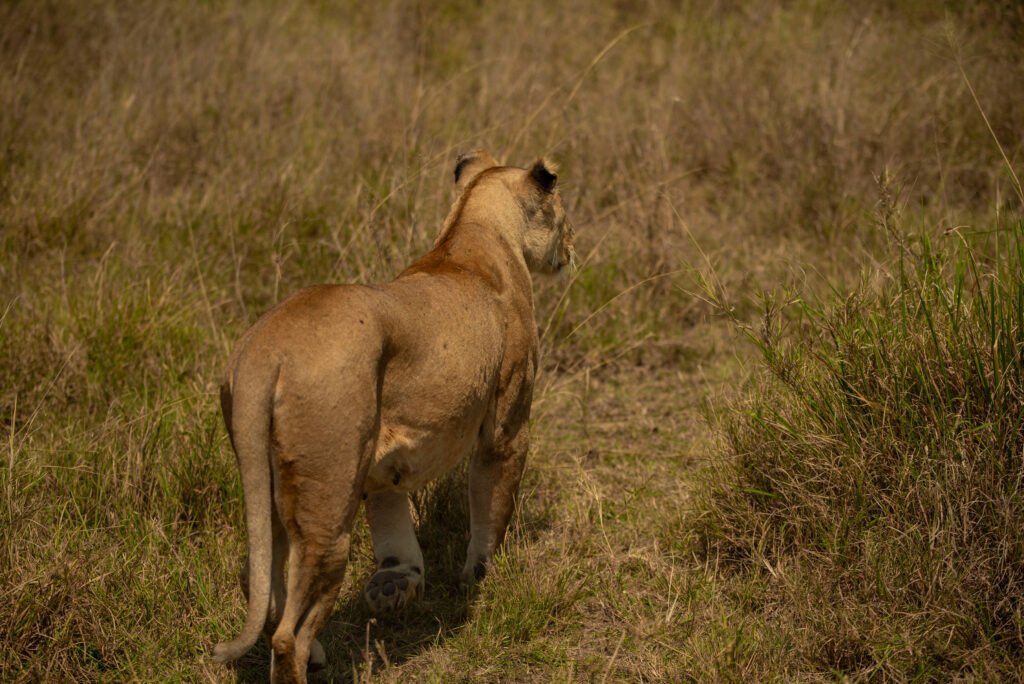
A central part of this Complete Guide to Traveling in Tanzania is understanding the country’s role in global wildlife conservation. Tanzania supports large populations of elephants, lions, rhinos and migratory ungulates, which are protected through national parks and community conservation areas. Scientific conservation strategies promoted by the World Wide Fund for Nature, the African Wildlife Foundation and Conservation International directly influence how tourism operates inside protected areas.
These organizations emphasize that responsible tourism helps fund anti-poaching activities, habitat restoration and community education programmes. Travelers who choose regulated operators and respect park rules directly support conservation outcomes.
Complete Guide to Traveling in Tanzania and national parks management
Protected areas in Tanzania are managed through strict conservation frameworks supported by international institutions such as UNESCO World Heritage Centre and development agencies including the World Bank. These frameworks help regulate visitor numbers, infrastructure placement and ecological monitoring.
This Complete Guide to Traveling in Tanzania encourages visitors to understand that park fees and guide requirements are not administrative barriers but essential tools for maintaining ecosystem stability and supporting ranger services.
Complete Guide to Traveling in Tanzania and cultural awareness
Tanzania is home to more than one hundred ethnic groups, each with unique traditions, languages and social structures. Cultural protection and community development research promoted by UNESCO and community resilience studies supported by United Nations Development Programme show that respectful tourism strengthens cultural preservation and economic security.
This Complete Guide to Traveling in Tanzania strongly encourages visitors to approach cultural interactions with humility, ask permission before photography and support local businesses where possible.
Complete Guide to Traveling in Tanzania and ethical travel practices
Ethical tourism plays an important role in this Complete Guide to Traveling in Tanzania. Labour protection standards promoted by the International Labour Organization and community support initiatives coordinated by Oxfam International highlight the importance of fair wages, safe working conditions and long-term employment security for tourism workers.
When travelers select responsible operators, such as professional teams available through Tanzania safari and cultural travel services, they directly contribute to ethical employment and safer working environments for guides and support staff.
Complete Guide to Traveling in Tanzania and disaster and emergency preparedness
Although Tanzania is considered a politically stable destination, this Complete Guide to Traveling in Tanzania includes basic emergency awareness. Disaster risk and response planning supported by the International Federation of Red Cross and Red Crescent Societies and humanitarian coordination by the International Red Cross emphasize the importance of communication systems, emergency contacts and local response networks.
Travelers who stay informed and follow local advice rarely experience serious problems during their visit.
Complete Guide to Traveling in Tanzania and food, water and environment safety
Food security and water safety form an important part of this Complete Guide to Traveling in Tanzania. Environmental health and food system research coordinated by the Food and Agriculture Organization explains how safe food handling and clean water access reduce illness risk for both visitors and local communities.
Choosing accommodations and restaurants that follow basic hygiene standards and avoiding untreated water are simple measures that significantly improve travel comfort and health.
Complete Guide to Traveling in Tanzania and research-based travel behavior
Tourism and human behavior research published through academic platforms such as ScienceDirect, peer-reviewed journals from Nature and public health studies by the Harvard T.H. Chan School of Public Health show that travelers who remain flexible, informed and culturally aware report higher satisfaction and fewer negative experiences.
This Complete Guide to Traveling in Tanzania therefore encourages visitors to allow time for rest, spontaneous cultural moments and realistic travel distances instead of rushing through long itineraries.
Complete Guide to Traveling in Tanzania and sustainable tourism future
National and international environmental organizations such as the National Geographic Society continue to document how responsible tourism supports conservation funding and education initiatives across Tanzania. These programs help protect fragile landscapes and ensure that future generations can benefit from sustainable travel opportunities.
This Complete Guide to Traveling in Tanzania reminds travelers that every booking decision contributes either positively or negatively to the long-term sustainability of tourism in the country.
Complete Guide to Traveling in Tanzania and choosing the right local operator
One of the most important decisions you will make is selecting a professional and transparent local operator. Working with experienced companies such as Kilimanjaro trekking and adventure specialists ensures that routes, accommodation, safety procedures and cultural interactions are handled responsibly.
Local professionals understand daily conditions, seasonal access limitations and community expectations far better than international booking platforms.
Why responsible planning transforms your journey
This Complete Guide to Traveling in Tanzania exists to help you travel with confidence, awareness and respect. Tanzania rewards visitors who take time to understand its people, ecosystems and conservation challenges. It offers extraordinary experiences, but only when approached thoughtfully and responsibly.
If you would like honest advice, realistic itineraries and ethical travel planning, you can speak directly with experienced professionals through local travel planning experts. A well-planned journey not only protects your safety and comfort, but also supports conservation and community development across Tanzania.