
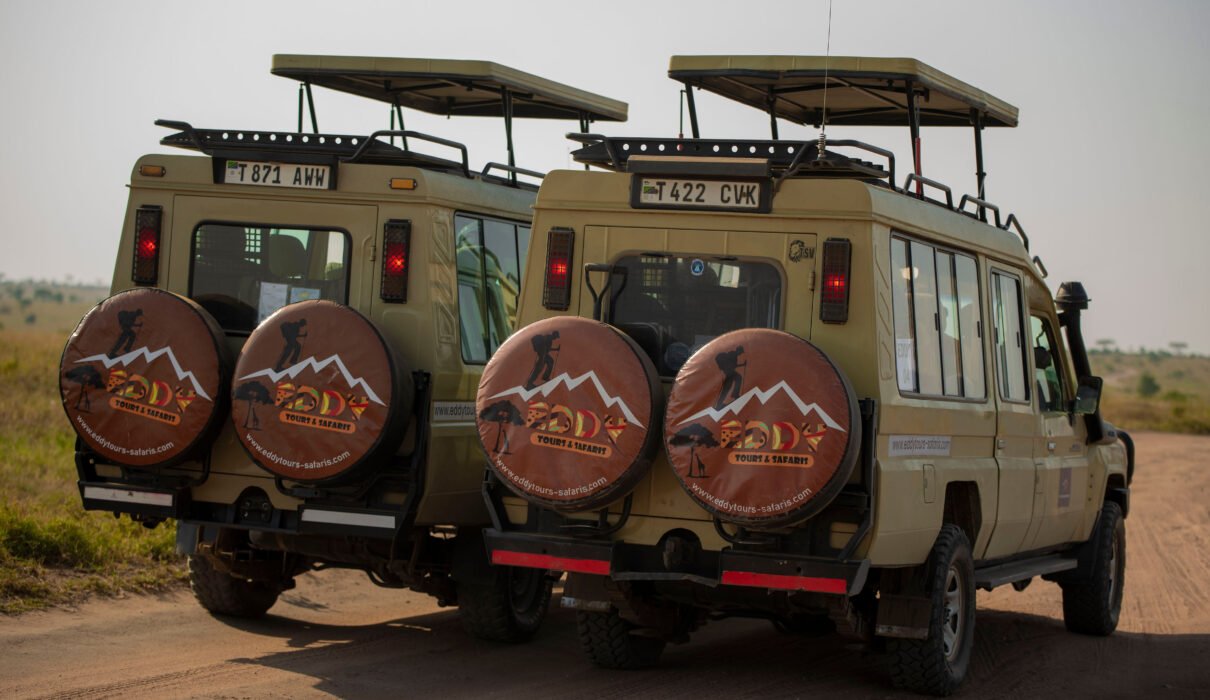
What Is a Safari is a question many travellers ask before planning their first wildlife journey, and the answer goes far beyond game drives and luxury lodges. A safari is deeply connected to African history, nature conservation, local communities and modern scientific efforts to protect wildlife. Understanding its real meaning helps you travel more responsibly and enjoy a richer and more respectful experience.
Today, safaris support wildlife protection, research programmes and community livelihoods across East Africa. Travellers who plan their journeys with responsible local companies such as Eddy Tours & Safaris often discover that a safari is not only a holiday, but also a direct contribution to conservation and sustainable development.
What Is a Safari and where does the word come from?
To understand What Is a Safari, it helps to begin with the language itself. The word safari comes from the Swahili word safiri, meaning a journey. Linguistic research and historical documentation published by the British Museum and academic archives from the Library of Congress show that the term originally described long trading and exploration journeys across East Africa.
These early journeys connected coastal communities with inland societies and created strong cultural and economic networks. Over time, the meaning changed as wildlife exploration and nature-based travel became more organised, especially when protected areas were established to preserve Africa’s unique biodiversity.
What Is a Safari in historical context?
When people ask What Is a Safari from a historical perspective, it is important to separate modern conservation tourism from the colonial-era expeditions that focused on hunting and territorial exploration. Historical research from the UNESCO archives and cultural studies published by the Royal Museum for Central Africa explain how early expeditions shaped global perceptions of African wildlife.
Modern safari tourism developed alongside national parks and wildlife protection laws, transforming travel into a tool for conservation rather than exploitation. This shift is now strongly supported by international conservation frameworks and environmental policy organisations around the world.
What Is a Safari and why is it important for conservation?
In today’s context, What Is a Safari is closely connected to wildlife conservation and habitat protection. Organisations such as the World Wide Fund for Nature, the African Wildlife Foundation and Conservation International confirm that responsible tourism generates essential funding for protected areas, ranger training and community-based conservation projects.
Scientific assessments coordinated by the International Union for Conservation of Nature also show that sustainable tourism reduces land-use pressure by providing alternative livelihoods that depend on healthy ecosystems rather than habitat destruction.
What Is a Safari and how does it support local communities?
Another key part of understanding What Is a Safari lies in its social impact. Development research published by the United Nations Development Programme and policy studies by the World Bank demonstrate that community participation in tourism improves education access, health services and long-term economic resilience in rural wildlife areas.
Ethical labour practices promoted by the International Labour Organization and community advocacy work supported by Oxfam International also play an important role in protecting safari workers and supporting fair employment within tourism operations.
What Is a Safari and how is wildlife protected?
From a scientific and environmental point of view, What Is a Safari cannot be separated from wildlife monitoring and ecosystem research. Organisations such as the U.S. Fish and Wildlife Service, the United States Geological Survey and the Food and Agriculture Organization support ecological monitoring, land-use studies and wildlife population assessments across Africa.
These institutions help design sustainable park management strategies that reduce human–wildlife conflict and improve the survival of endangered species by guiding policy and field interventions.
What Is a Safari and what types exist today?
When travellers search for What Is a Safari, they usually want to know what types of safari experiences are available. Modern safari tourism has expanded far beyond traditional vehicle-based game drives, offering multiple ways to experience wildlife responsibly.
What Is a Safari game drive experience?
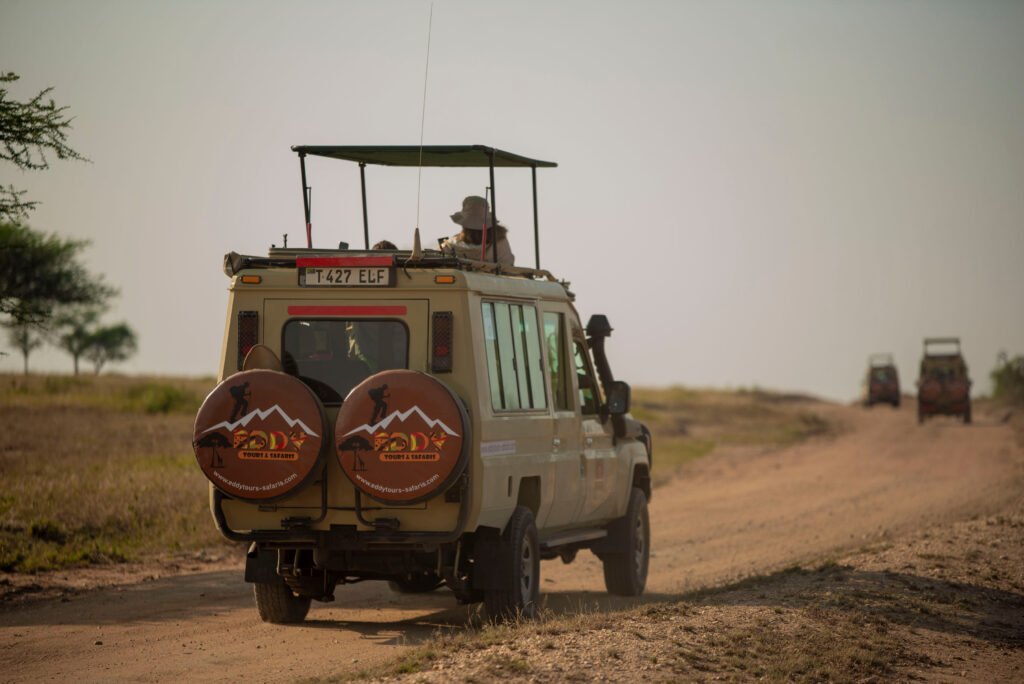
The most common type involves guided vehicle drives inside protected areas. Rangers and trained guides follow strict movement rules designed to minimise disturbance to animals. Wildlife tourism standards promoted by the United Nations Environment Programme and best-practice research shared by the National Geographic Society confirm that regulated vehicle access protects animal behaviour patterns and reduces habitat stress.
What Is a Safari walking experience?
A walking safari allows visitors to explore ecosystems on foot with armed and trained guides. Ecological field studies published through Frontiers in Ecology and conservation training programmes supported by the Wildlife Conservation Society show that guided walking safaris improve environmental awareness and visitor understanding of animal tracking, vegetation and ecosystem dynamics.
What Is a Safari cultural experience?
Community-based safaris focus on cultural exchange and indigenous knowledge. Research led by the Center for International Forestry Research and World Agroforestry highlights how traditional land management practices support biodiversity conservation and climate resilience.
What Is a Safari photographic experience?
Photographic safaris concentrate on low-impact observation and conservation storytelling. Environmental communication research supported by UN Environment Education programmes shows that wildlife photography plays an important role in raising global awareness of conservation challenges.
What Is a Safari and how does science influence modern tourism?
Modern safari tourism increasingly relies on scientific evidence and monitoring technologies. Research institutions such as the Smithsonian Institution and academic platforms such as Nature Research publish studies on animal movement, habitat connectivity and climate impacts on biodiversity.
Remote sensing research and ecological data collected by organisations such as NASA Earth Observatory also guide park management by tracking vegetation changes, drought patterns and land degradation around protected areas.
What Is a Safari and how do climate and environment affect it?
Climate change is reshaping wildlife habitats and migration corridors. Scientific assessments by the Intergovernmental Panel on Climate Change and environmental analysis by the UN Environment Programme show that increasing temperature and rainfall variability directly affect wildlife distribution and water availability.
Safari operators who follow conservation-based management practices adjust routes, visitor numbers and seasonal activities to reduce environmental pressure and support ecosystem recovery.
What Is a Safari and how do health and safety standards apply?
From a public health and visitor safety perspective, What Is a Safari also includes disease prevention, emergency preparedness and environmental hygiene. Travel health guidance published by the World Health Organization and research shared through the Centers for Disease Control and Prevention help safari operators manage risk and ensure safe operations in remote environments.
Responsible companies maintain trained guides, first-aid systems and communication equipment to ensure that wildlife tourism remains safe for visitors, staff and surrounding communities.
What Is a Safari and why responsible planning matters?
Understanding What Is a Safari helps travellers choose operators who genuinely support conservation and community development. Ethical tourism guidelines promoted by the World Tourism Organization emphasise transparency, environmental responsibility and respect for local cultures.
Travellers who plan their journeys through experienced local companies such as Tanzania safari specialists benefit from local knowledge, regulated access to parks and support for community-based conservation projects.
What Is a Safari and how should you choose your experience?
Choosing the right safari experience means selecting itineraries that balance wildlife viewing, environmental care and cultural respect. Research by the Rainforest Alliance and sustainable tourism studies supported by the Global Reporting Initiative show that responsible operators demonstrate clear sustainability policies and transparent partnerships with conservation organisations.
If you are planning your first African wildlife journey, speaking directly with experienced local teams such as local safari experts can help you design a trip that matches your expectations while protecting wildlife and supporting communities.
The real meaning behind the safari experience
So, What Is a Safari in its truest form? It is a journey into living ecosystems, cultural heritage and global conservation efforts. It is a chance to witness wildlife responsibly, support scientific research and contribute to sustainable development in some of the world’s most ecologically important regions.
For travellers seeking meaningful experiences and ethical travel choices, working with trusted local professionals such as responsible safari planners ensures that every step of the journey respects nature, communities and the future of Africa’s wildlife.