
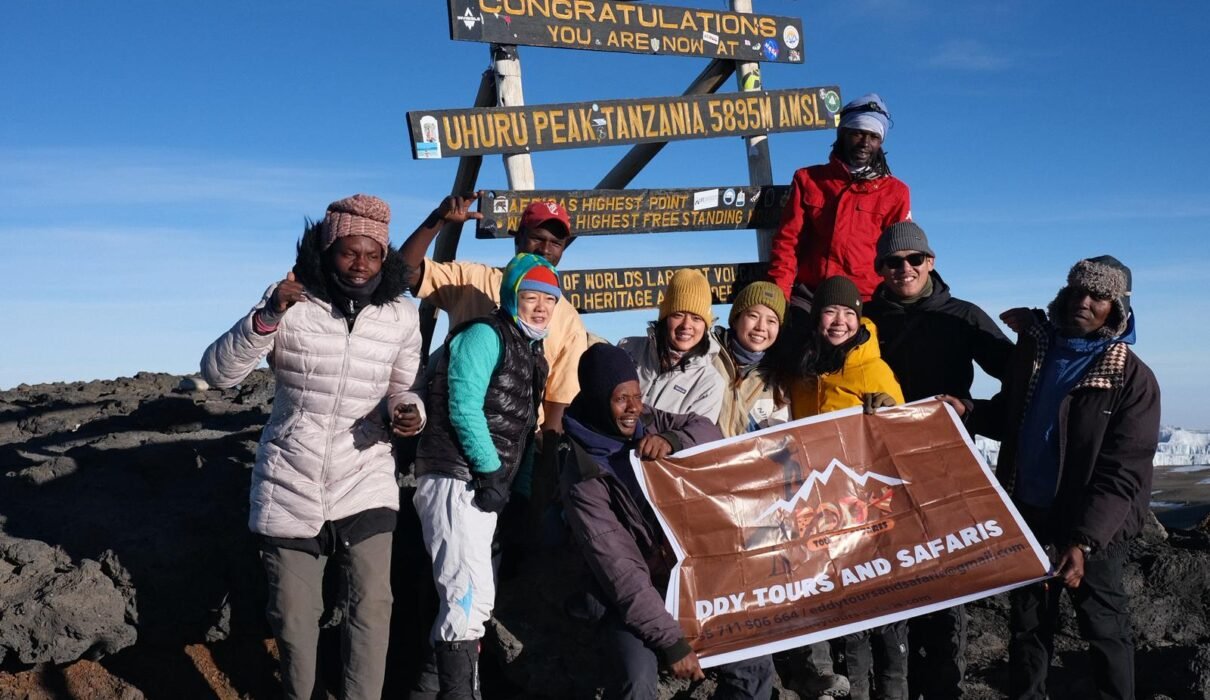
The Top Best Guide to Climbing Kilimanjaro is designed for travelers who want clear, honest, and practical information before committing to one of Africa’s most meaningful mountain journeys. Climbing this famous mountain is not about speed or competition. It is about preparation, understanding your body, choosing the right route, and working with experienced professionals who protect both people and the fragile environment that surrounds the mountain.
This guide brings together scientific knowledge, conservation principles, and real mountain operations so you can plan your climb with confidence. If you are working with an experienced local team such as Eddy Tours & Safaris, this guide will help you understand what truly matters long before you reach the trailhead.
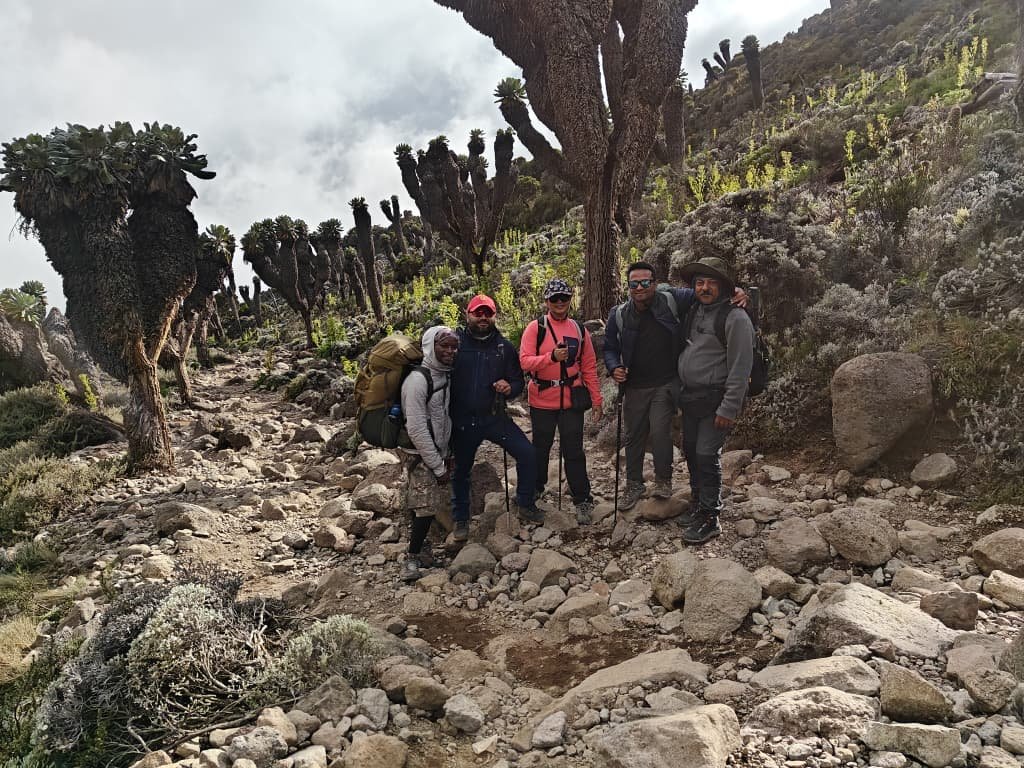
The Top Best Guide to Climbing Kilimanjaro and why preparation matters more than fitness
One of the most misunderstood ideas about climbing Africa’s highest mountain is that physical strength alone guarantees success. In reality, The Top Best Guide to Climbing Kilimanjaro must begin with understanding how the human body adapts to reduced oxygen and long days of continuous effort. Research published by the U.S. National Library of Medicine and reviewed through PubMed confirms that gradual ascent and controlled daily elevation gain are far more important than running speed or gym performance.
Medical guidance from the Centers for Disease Control and Prevention, together with recommendations from the International Society for Mountain Medicine, clearly explains that altitude illness is the main reason climbers fail to reach the summit. Proper preparation, slow ascent, hydration, and early symptom reporting are the foundation of a safe climb.
The Top Best Guide to Climbing Kilimanjaro and route selection
Choosing the correct route is one of the most critical decisions described in The Top Best Guide to Climbing Kilimanjaro. Different routes vary in length, altitude profiles, terrain exposure and recovery time. Expedition leadership standards promoted by the International Climbing and Mountaineering Federation and training systems developed by the National Outdoor Leadership School emphasize that longer itineraries with better acclimatisation schedules significantly increase both safety and enjoyment.
Professional planning allows your guide team to adjust walking pace, rest periods and camp positioning according to real mountain conditions. This is why many climbers prefer structured itineraries offered by experienced local specialists such as professional Kilimanjaro climbing programs, where pacing and safety are prioritized over rushed schedules.
The Top Best Guide to Climbing Kilimanjaro and understanding the mountain environment
A complete The Top Best Guide to Climbing Kilimanjaro must also explain how the mountain itself behaves as a living ecosystem. Environmental and geological research coordinated by the United States Geological Survey and ecosystem assessments by the International Union for Conservation of Nature show that Kilimanjaro contains several fragile ecological zones stacked vertically on one mountain.
Environmental protection policies promoted by the United Nations Environment Programme and biodiversity research supported by the Intergovernmental Science-Policy Platform on Biodiversity and Ecosystem Services highlight why climbers must follow designated trails and camps. Staying on approved routes protects rare plant communities, prevents erosion and reduces long-term damage caused by tourism.
The Top Best Guide to Climbing Kilimanjaro and weather awareness
Weather conditions strongly influence every stage described in The Top Best Guide to Climbing Kilimanjaro. Climate monitoring by NASA Climate and global assessments produced by the Intergovernmental Panel on Climate Change show that isolated high mountains experience rapid temperature shifts, strong winds and unpredictable cloud formation.
Environmental data reviewed by the Food and Agriculture Organization also explains how high-altitude dehydration becomes a serious performance issue. Professional teams plan early starts, protect resting periods and manage clothing systems carefully to keep climbers warm, dry and well hydrated throughout the ascent.
The Top Best Guide to Climbing Kilimanjaro and health management on the mountain
Another core element of The Top Best Guide to Climbing Kilimanjaro is health monitoring during the trek. Clinical guidance published by Johns Hopkins Medicine and medical summaries from the Cleveland Clinic show that headaches, nausea, dizziness and unusual fatigue must never be ignored at altitude.
Emergency response standards promoted by the International Federation of Red Cross and Red Crescent Societies and operational guidelines used by the International Red Cross emphasize reliable communication equipment, oxygen availability and clear evacuation procedures. Responsible Kilimanjaro operators integrate these systems directly into their daily mountain routines.
The Top Best Guide to Climbing Kilimanjaro and mental strength
Beyond physical and medical preparation, The Top Best Guide to Climbing Kilimanjaro must address psychological endurance. Scientific studies published through ScienceDirect and behavioral research shared by Nature Research confirm that cold exposure, sleep disruption and long periods of effort strongly influence motivation and decision making.
Professional leaders are trained to reduce anxiety, encourage steady pacing and create calm communication during difficult moments. This leadership approach helps climbers maintain confidence and emotional stability, especially during the demanding summit night.
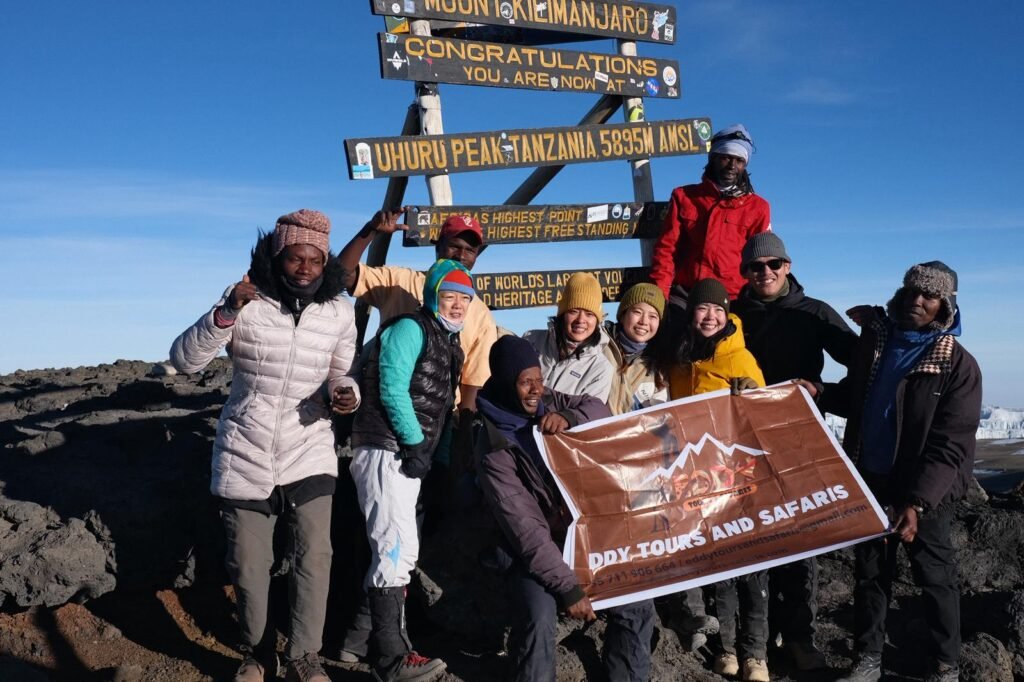
The Top Best Guide to Climbing Kilimanjaro and ethical operations
Ethical responsibility is a fundamental part of The Top Best Guide to Climbing Kilimanjaro. Conservation organisations such as World Wide Fund for Nature, African Wildlife Foundation and Conservation International show that responsible tourism contributes directly to habitat protection and community stability.
Ethical labour standards promoted by the International Labour Organization and social development initiatives supported by Oxfam International confirm that fair working conditions for guides and porters improve safety, morale and communication across the entire expedition team.
The Top Best Guide to Climbing Kilimanjaro and scientific collaboration
Some professional operators contribute indirectly to scientific research and conservation monitoring. The Top Best Guide to Climbing Kilimanjaro therefore recognizes the importance of cooperation with research institutions such as Wildlife Conservation Society, BirdLife International and Panthera, whose work supports long-term biodiversity protection across Tanzania.
Environmental education and scientific storytelling supported by the National Geographic Society also helps travelers understand why conservation rules exist and how their personal behavior on the mountain truly matters.
The Top Best Guide to Climbing Kilimanjaro and risk management
Structured risk management frameworks are central to The Top Best Guide to Climbing Kilimanjaro. Disaster preparedness systems promoted by the World Bank Disaster Risk Management programme and safety management standards developed by the International Organization for Standardization show how professional planning reduces operational failures in remote environments.
These frameworks help operators prepare contingency plans, manage group movement, coordinate with park authorities and maintain predictable response procedures when weather or health conditions change unexpectedly.
The Top Best Guide to Climbing Kilimanjaro for first-time climbers
For beginners, The Top Best Guide to Climbing Kilimanjaro offers reassurance grounded in science. Public health research coordinated by the Harvard T.H. Chan School of Public Health and physiological studies published in Frontiers in Physiology show that previous high-altitude experience is not essential when acclimatisation schedules and professional supervision are applied correctly.
What matters most is discipline, honest communication with guides and respect for your own physical limits. Many climbers benefit greatly from local specialists such as experienced Tanzanian adventure teams who understand how individual responses to altitude differ from person to person.
The Top Best Guide to Climbing Kilimanjaro and long-term environmental protection
Long-term sustainability is an inseparable part of The Top Best Guide to Climbing Kilimanjaro. Geological and land-use monitoring conducted by the United States Geological Survey and global environmental assessments supported by the UNESCO World Heritage framework show how visitor pressure must be carefully managed in globally significant mountain ecosystems.
Tourism that respects limits and supports conservation funding helps preserve Kilimanjaro’s unique environments for future generations of climbers and local communities.
Planning your climb with local expertise
In practice, The Top Best Guide to Climbing Kilimanjaro becomes truly valuable when it leads to realistic and responsible planning. Working directly with experienced local professionals allows you to receive honest advice about routes, pacing and equipment rather than generic online recommendations.
If you would like personalized guidance and ethically operated programs, you can speak directly with local specialists through professional Kilimanjaro consultation support. Local teams understand daily trail conditions, camp availability and park regulations in a way international resellers cannot match.
Final perspective for a confident and meaningful climb
At its heart, The Top Best Guide to Climbing Kilimanjaro shows that success on the mountain is created through preparation, patience and responsible leadership. It is not about racing to the summit, but about listening to your body, protecting the environment and trusting experienced professionals to guide you safely through changing mountain conditions.
If you approach your journey with humility and solid planning, Kilimanjaro becomes more than a physical challenge. It becomes a personal achievement built on knowledge, respect and cooperation with the people who protect this remarkable mountain every day.