
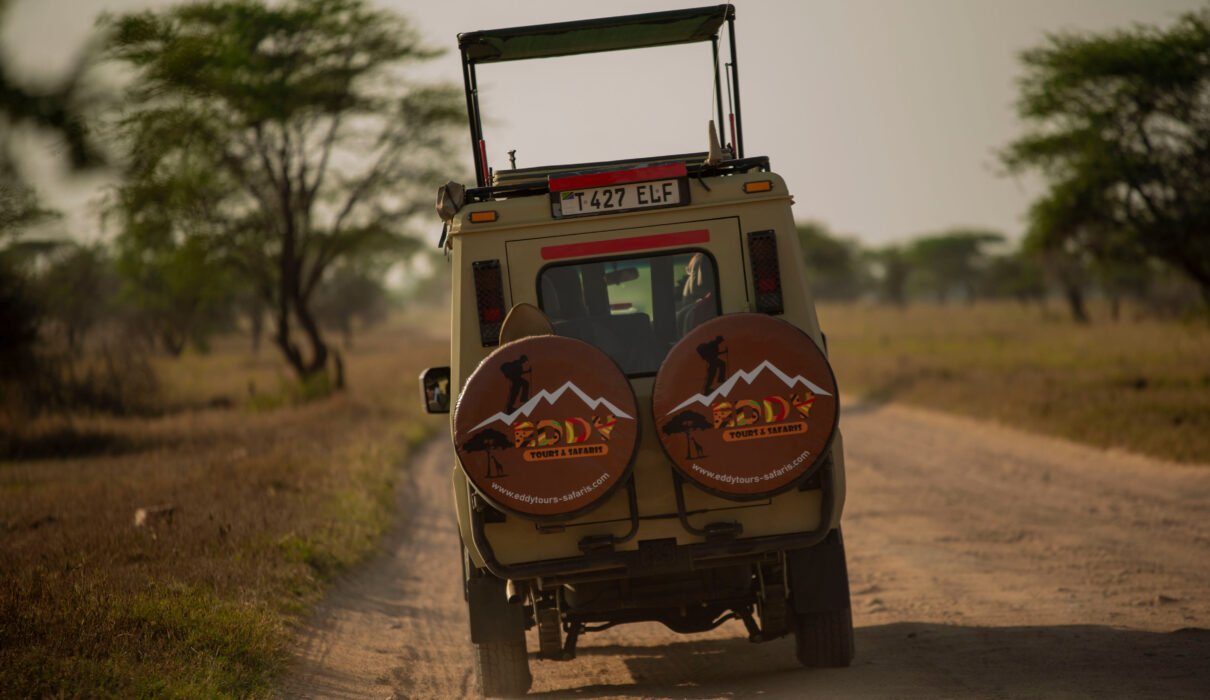
Rules and Regulations in Tanzania National Parks exist to protect some of the most important wildlife habitats in Africa and to make sure that visitors, local communities and ecosystems can safely share the same landscapes. Many travelers arrive with excitement and good intentions, but without understanding how strict park rules really are, small actions can quickly become serious violations that harm animals, damage habitats and even lead to heavy penalties.
This guide explains the real meaning behind park rules in Tanzania using conservation science, international environmental standards and community protection frameworks. If you are planning your safari or mountain adventure with a responsible local operator such as Eddy Tours & Safaris, understanding these regulations will help you travel more confidently and responsibly while protecting the very nature you came to experience.
Rules and Regulations in Tanzania National Parks and the purpose of conservation law
The foundation of Rules and Regulations in Tanzania National Parks comes from global biodiversity protection systems and national conservation policy. Tanzania’s protected areas form part of international conservation priorities monitored by the International Union for Conservation of Nature and supported by global heritage frameworks from UNESCO. These rules are not created to limit tourism, but to reduce human pressure on fragile ecosystems that host threatened species and vital migration corridors.
International environmental governance promoted by the United Nations Environment Programme and scientific assessments coordinated by the Intergovernmental Science-Policy Platform on Biodiversity and Ecosystem Services clearly show that protected areas only remain effective when strong and enforceable regulations guide visitor behavior.
Rules and Regulations in Tanzania National Parks and wildlife protection ethics
One of the most important pillars of Rules and Regulations in Tanzania National Parks is wildlife protection. Conservation organisations such as the World Wide Fund for Nature, the African Wildlife Foundation and the Wildlife Conservation Society all confirm that unregulated tourism behavior causes stress, disrupts breeding patterns and increases conflict between people and animals.
Park regulations strictly prohibit feeding wildlife, leaving vehicles without permission, blocking animal movement and approaching animals too closely. These rules exist because animals exposed to repeated disturbance may change their natural behavior, increasing vulnerability to predators and reducing reproductive success.
Rules and Regulations in Tanzania National Parks and driving conduct inside parks
Safe and responsible driving is a core element of Rules and Regulations in Tanzania National Parks. Ecological transport and land-use studies supported by the United States Geological Survey and conservation mobility guidance promoted by the Conservation International show that off-road driving and repeated track creation accelerate soil erosion and destroy vegetation used by grazing species.
For this reason, park rules limit vehicles to designated tracks, restrict night driving in most parks and require trained driver-guides who understand animal behavior. Speed limits are strictly enforced because collisions with wildlife remain one of the leading causes of injury and mortality in protected landscapes worldwide.
Rules and Regulations in Tanzania National Parks and visitor safety obligations
Visitor safety is another major objective behind Rules and Regulations in Tanzania National Parks. Public health guidance from the World Health Organization and emergency preparedness standards developed by the International Federation of Red Cross and Red Crescent Societies emphasize the need for controlled movement, clear communication and trained field personnel in remote environments.
Park rules require visitors to remain with licensed guides during walking activities, follow ranger instructions during wildlife encounters and respect restricted zones. These measures protect travelers from unpredictable animal behavior, sudden weather changes and difficult terrain that can quickly become dangerous without professional supervision.
Rules and Regulations in Tanzania National Parks and environmental responsibility
Environmental protection remains central to Rules and Regulations in Tanzania National Parks. Scientific research published through Nature Research and applied conservation studies available via ScienceDirect show that unmanaged tourism waste and water pollution degrade river systems and breeding habitats used by birds, amphibians and large mammals.
Park regulations therefore prohibit littering, plastic dumping, unauthorized camping and the collection of natural materials. Visitors must use designated facilities and follow strict waste management procedures to prevent contamination of sensitive ecosystems.
Rules and Regulations in Tanzania National Parks and climate resilience
Climate adaptation is increasingly integrated into Rules and Regulations in Tanzania National Parks. Climate monitoring from NASA Climate and environmental risk assessments produced by the Intergovernmental Panel on Climate Change confirm that African protected areas face rising vulnerability to drought, habitat shifts and extreme weather events.
Park management authorities now regulate water use, campsite distribution and seasonal access routes to reduce pressure on stressed ecosystems and allow habitats time to recover naturally.

Rules and Regulations in Tanzania National Parks and community protection
Local communities are directly linked to the effectiveness of Rules and Regulations in Tanzania National Parks. Social and labour protection frameworks developed by the International Labour Organization and community development initiatives promoted by Oxfam International highlight that fair employment and respectful engagement strengthen conservation outcomes.
Park rules restrict unauthorized cultural visits, unregulated photography of community members and unsupervised village excursions. These measures prevent exploitation and protect cultural heritage while ensuring that tourism benefits are shared responsibly.
Rules and Regulations in Tanzania National Parks and scientific monitoring
Scientific monitoring systems support Rules and Regulations in Tanzania National Parks by guiding adaptive management decisions. Biodiversity research coordinated by BirdLife International and large carnivore protection studies supported by Panthera depend on reliable access rules and controlled visitor behavior.
Long-term ecological data collected under these regulations allows conservation authorities to detect population changes, habitat loss and emerging threats before irreversible damage occurs.
Rules and Regulations in Tanzania National Parks and cultural heritage protection
Cultural heritage is also protected under Rules and Regulations in Tanzania National Parks. Academic heritage frameworks supported by United Nations Academic Impact and social research programmes coordinated through Harvard University research initiatives emphasize the importance of safeguarding traditional knowledge and sacred landscapes.
Park authorities restrict access to culturally sensitive locations and require proper authorization for research, filming and documentation activities to prevent misuse and misrepresentation.
Rules and Regulations in Tanzania National Parks and transparency in tourism operations
Transparent business practices strengthen public trust in Rules and Regulations in Tanzania National Parks. Governance studies published by Transparency International highlight how ethical procurement and clear financial procedures reduce corruption risks in natural resource sectors.
Professional safari operators clearly communicate park fees, conservation charges and service inclusions so that visitors understand how their payments support conservation and local employment.
Rules and Regulations in Tanzania National Parks and the role of licensed operators
Licensed operators play a central role in enforcing Rules and Regulations in Tanzania National Parks. Professional field standards promoted by the International Organization for Standardization support consistent service delivery, safety procedures and accountability across tourism operations.
When you travel with experienced local companies such as professional Tanzania safari operators, guides ensure that daily activities fully comply with park rules, ranger instructions and conservation guidelines.
Why following park rules improves your safari experience
Respecting Rules and Regulations in Tanzania National Parks does not reduce enjoyment. It enhances it. Responsible wildlife viewing produces calmer animal encounters, safer game drives and deeper appreciation of conservation challenges.
Visitors who follow regulations experience fewer disruptions, clearer access procedures and stronger cooperation with park staff. This creates smoother travel days and more meaningful wildlife experiences.
Plan responsibly with trusted local expertise
Understanding Rules and Regulations in Tanzania National Parks before your trip allows you to avoid fines, misunderstandings and safety risks. It also demonstrates respect for the people and ecosystems that protect Tanzania’s natural heritage.
If you are planning a wildlife safari or mountain experience, you can review responsibly designed itineraries through licensed Kilimanjaro and adventure programs or speak directly with a local team using professional travel consultation support. Responsible travel begins with informed choices and respect for the rules that protect nature for future generations.