

Travel Tips and Recommendations for Tanzania are essential for anyone who wants to explore this extraordinary country safely, respectfully and with a deeper understanding of its wildlife, people and natural landscapes. Tanzania is home to some of Africa’s most sensitive ecosystems and culturally rich communities, and the way you prepare your journey directly affects your safety, your comfort and the future of the places you visit.
This guide is written for travelers who want real, practical advice supported by global conservation organizations, public health institutions and scientific research bodies. If you are planning your journey with a professional local company such as Eddy Tours & Safaris, these insights will help you plan better routes, choose responsible activities and avoid the most common mistakes made by first-time visitors.

Travel Tips and Recommendations for Tanzania and wildlife protection rules
One of the most important Travel Tips and Recommendations for Tanzania is to understand that wildlife tourism only works when visitors respect strict conservation rules. Tanzania’s protected areas are part of globally recognized biodiversity systems supported by organizations such as the World Wide Fund for Nature, the African Wildlife Foundation and the Wildlife Conservation Society. These organizations show that tourism can support conservation only when animal behavior is not disturbed and habitats are protected from off-road driving and overcrowding.
Global conservation guidance published by the International Union for Conservation of Nature and biodiversity policy frameworks coordinated by the Intergovernmental Science-Policy Platform on Biodiversity and Ecosystem Services recommend strict visitor control in sensitive ecosystems. Always follow your guide’s instructions, remain inside designated tracks and never pressure drivers to approach animals too closely for photographs.
Travel Tips and Recommendations for Tanzania and environmental responsibility
Strong Travel Tips and Recommendations for Tanzania must also focus on how travelers protect the land itself. Environmental planning and ecosystem monitoring by the United Nations Environment Programme and land-use science from the United States Geological Survey clearly show how waste, vehicle movement and campsite behavior affect soil, water and wildlife corridors.
Support operators that apply low-impact practices promoted by Conservation International and public education initiatives developed by the National Geographic Society. Carry a reusable bottle, avoid plastic packaging and respect waste separation systems in lodges and camps.
Travel Tips and Recommendations for Tanzania and personal health preparation
Health planning remains one of the most practical Travel Tips and Recommendations for Tanzania. Medical guidance provided by the World Health Organization and traveler health advice from the Centers for Disease Control and Prevention emphasize the importance of vaccinations, malaria prevention and personal medical preparation before entering tropical environments.
Clinical health information published by Johns Hopkins Medicine and public medical education from the Cleveland Clinic also highlight dehydration, sun exposure and gastrointestinal illness as common travel risks. Always carry personal medication, drink sufficient clean water and inform your guide about any medical condition before starting your trip.
Travel Tips and Recommendations for Tanzania and road safety awareness
Another important area within Travel Tips and Recommendations for Tanzania is road and transport safety. Road safety programmes managed by the World Health Organization Road Safety Programme and transport efficiency studies published by the International Energy Agency confirm that driver training, vehicle maintenance and seatbelt use significantly reduce accident risks in remote regions.
Always travel with licensed driver-guides, avoid self-driving inside national parks unless fully experienced, and ensure your operator maintains communication equipment for remote areas.
Travel Tips and Recommendations for Tanzania and climate awareness
Modern Travel Tips and Recommendations for Tanzania must include climate awareness. Climate research published by NASA Climate and global assessments produced by the Intergovernmental Panel on Climate Change demonstrate how rainfall variability and increasing temperature affect wildlife movement, water access and vegetation health.
Choosing flexible itineraries and avoiding unnecessary travel during extreme conditions helps reduce environmental pressure and improves your overall comfort during safaris and cultural visits.
Travel Tips and Recommendations for Tanzania and cultural respect
Responsible behavior is central to meaningful Travel Tips and Recommendations for Tanzania. Cultural heritage protection policies promoted by UNESCO and social research programs supported by Harvard University research initiatives highlight the importance of respectful community engagement.
Always ask permission before taking photographs of people, dress modestly in villages and religious areas, and follow guidance from your local guide when visiting cultural sites.
Travel Tips and Recommendations for Tanzania and community benefit
Community support forms a vital part of ethical Travel Tips and Recommendations for Tanzania. Labor protection and fair employment standards promoted by the International Labour Organization and development programs supported by Oxfam International show that responsible tourism strengthens conservation partnerships when local people benefit directly.
Choose companies that employ local staff, use local suppliers and support community projects whenever possible.
Travel Tips and Recommendations for Tanzania and scientific conservation support
High-quality Travel Tips and Recommendations for Tanzania should also reflect the role of scientific research. Ecological studies published through Nature Research and field science data shared on ScienceDirect show that responsible tourism access supports wildlife monitoring and habitat research when properly managed.
By following park rules and respecting restricted areas, travelers help ensure that research teams can continue long-term biodiversity studies without disruption.
Travel Tips and Recommendations for Tanzania and ethical business practices
Ethical operations are another essential part of reliable Travel Tips and Recommendations for Tanzania. Transparency and governance frameworks promoted by Transparency International highlight the importance of clear pricing, fair contracts and honest communication in tourism supply chains.
Before booking, always request a detailed itinerary, clear inclusions and written confirmation of park fees and accommodation standards.
Travel Tips and Recommendations for Tanzania and choosing the right local operator
One of the most practical Travel Tips and Recommendations for Tanzania is to work with experienced local professionals who understand real road conditions, wildlife movement and park regulations. You can explore carefully designed wildlife programs through Tanzania safari itineraries that focus on comfort, conservation and meaningful interpretation.
Local operators also provide realistic travel times and flexible routing that reduces unnecessary driving and fatigue during your trip.
Travel Tips and Recommendations for Tanzania and mountain and adventure travel
If your journey includes high-altitude or adventure activities, additional Travel Tips and Recommendations for Tanzania apply. Outdoor safety standards and environmental protection principles promoted by international leadership institutions stress proper acclimatization, trained guides and emergency readiness.
You can combine wildlife experiences with professionally managed mountain travel through Kilimanjaro climbing programs designed with safety and environmental responsibility in mind.
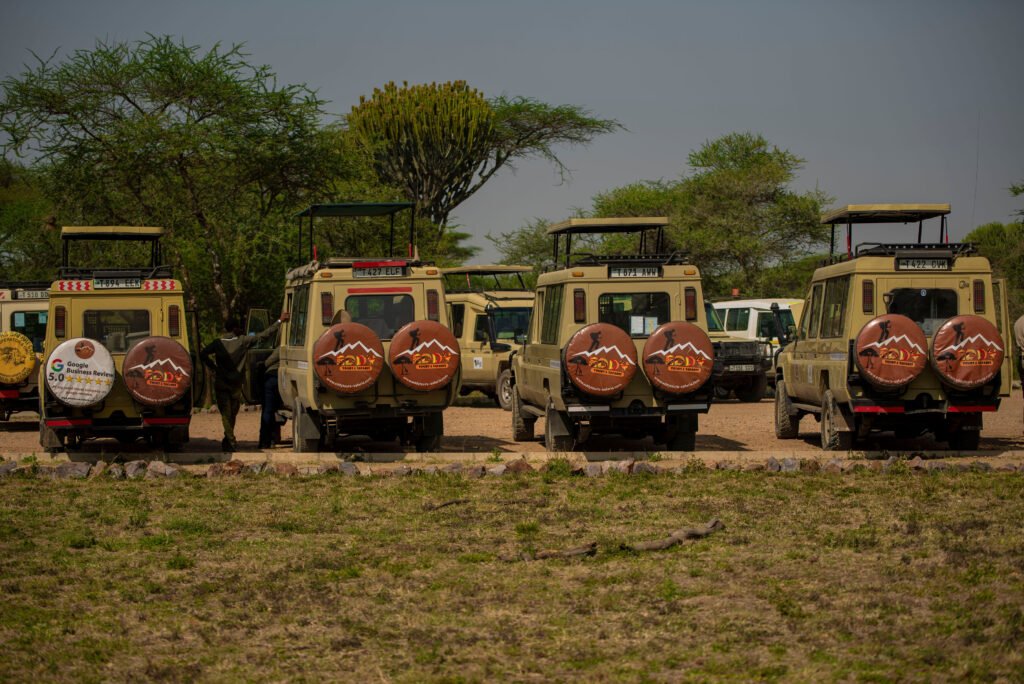
Travel Tips and Recommendations for Tanzania and personalized planning support
Reliable communication greatly improves Travel Tips and Recommendations for Tanzania. Direct contact with local experts allows travelers to adjust itineraries, clarify expectations and receive honest advice about seasonal conditions and route selection.
For tailored guidance and transparent trip planning, travelers can speak directly with local professionals through personal safari consultation support.
Travel Tips and Recommendations for Tanzania and responsible travel mindset
The most valuable Travel Tips and Recommendations for Tanzania are not about packing lists or hotel categories. They are about how you move through landscapes, how you treat people and how you respect wildlife. Tanzania offers extraordinary beauty, but it also depends on responsible travelers who understand the impact of their choices.
By preparing carefully, choosing ethical operators and following conservation and health guidance, you can enjoy a safer, richer and more meaningful journey while supporting the long-term protection of Tanzania’s natural and cultural heritage.