
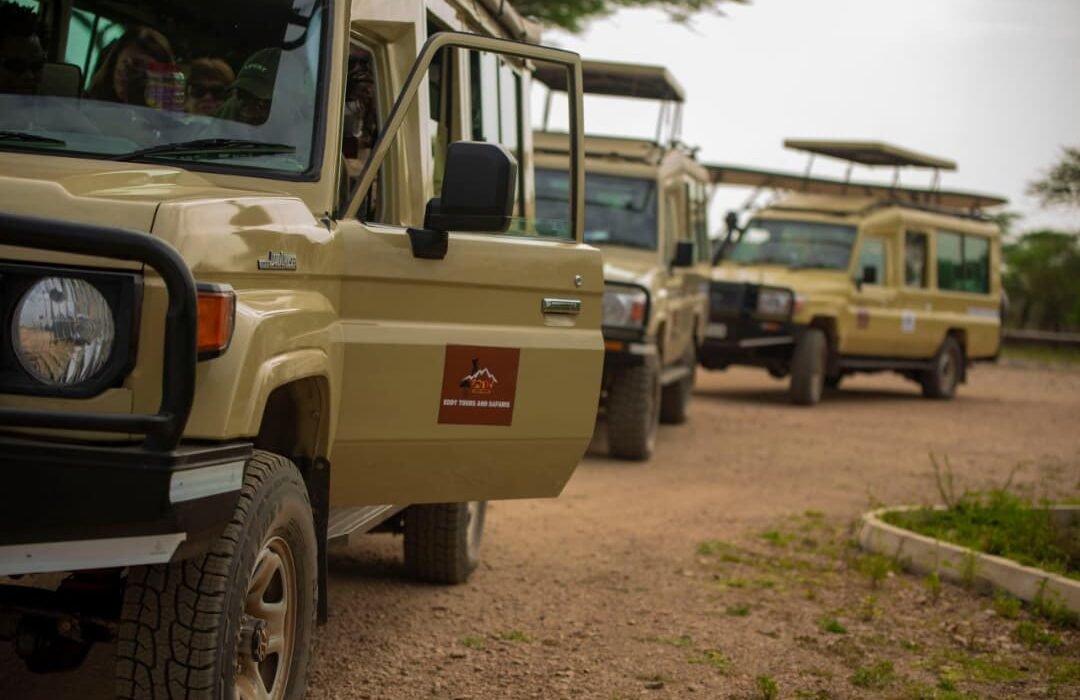
Safari Vehicles We Use: Comfort and Safety Explained is the first thing every responsible traveler should understand before confirming a safari in Tanzania, because the vehicle you sit in all day directly affects your safety, your comfort, the quality of wildlife viewing, and even the protection of fragile ecosystems inside national parks. A safari vehicle is not just transport. It is your moving base, your observation platform, your shelter from heat and dust, and your most important safety barrier when you are sharing space with wild animals.
This page explains honestly and clearly how professional safari vehicles are prepared, operated and maintained for real field conditions. If you are planning your journey with a trusted local operator such as Eddy Tours & Safaris, this guide helps you understand why proper vehicle standards make a real difference to your experience and your peace of mind.
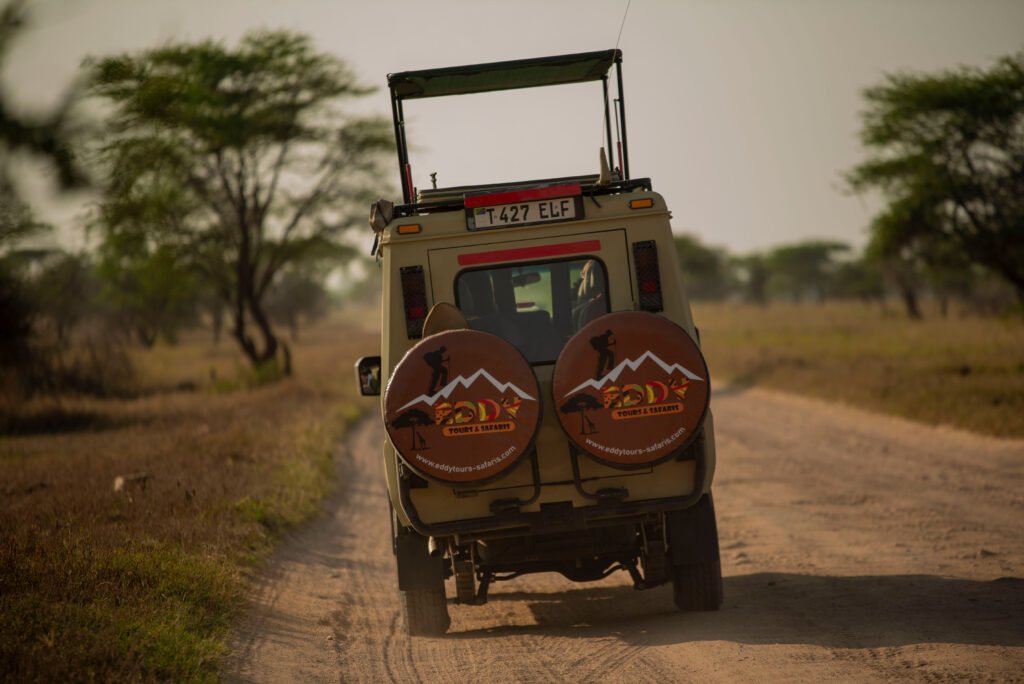
Safari Vehicles We Use: Comfort and Safety Explained through international safety standards
Understanding Safari Vehicles We Use: Comfort and Safety Explained starts with safety frameworks developed by international institutions that guide transport operations in remote and high-risk environments. The World Health Organization road safety programme and the global transport safety strategies supported by the World Bank transport and mobility division show clearly that vehicle condition, driver training and operational discipline are the strongest factors in reducing accidents on rough and unpredictable roads.
Professional safari vehicles are maintained using inspection systems similar to those promoted in field logistics research published by the U.S. National Academies of Sciences. These standards focus on braking systems, suspension reliability, tyre integrity and structural stability under heavy loads and uneven terrain, which are daily realities on safari routes.
Safari Vehicles We Use: Comfort and Safety Explained and wildlife protection rules
A responsible interpretation of Safari Vehicles We Use: Comfort and Safety Explained also includes how vehicles protect wildlife and habitats. Conservation organizations such as the World Wide Fund for Nature, the Wildlife Conservation Society and the African Wildlife Foundation demonstrate that off-road driving, excessive speed and poor parking behavior can disturb breeding, hunting and migration activities.
Guidelines promoted by the International Union for Conservation of Nature and ecosystem management policies supported by the Intergovernmental Science-Policy Platform on Biodiversity and Ecosystem Services guide how safari vehicles must move, stop and position themselves to minimize stress on animals and soil erosion around popular viewing points.
Safari Vehicles We Use: Comfort and Safety Explained and vehicle design for real safari conditions
The real meaning of Safari Vehicles We Use: Comfort and Safety Explained becomes clear when you look at how safari vehicles are designed for extreme dust, heat and rough terrain. Environmental transport research supported by the International Energy Agency shows how vehicle efficiency, cooling systems and fuel performance directly affect reliability in hot environments.
Geological and terrain assessments published by the United States Geological Survey highlight how vibration, uneven surfaces and loose soils affect vehicle stability. This is why reinforced suspensions, high ground clearance and strong chassis construction are essential features in professional safari fleets operating inside protected landscapes.
Safari Vehicles We Use: Comfort and Safety Explained and passenger comfort
Comfort is not luxury in the bush. It is part of safety. The concept behind Safari Vehicles We Use: Comfort and Safety Explained includes seating design, ventilation, shade, and the ability for guests to move and observe wildlife without physical strain. Occupational health studies referenced by the U.S. National Institute for Occupational Safety and Health show that posture, vibration exposure and prolonged sitting can significantly affect concentration and physical well-being.
Vehicles prepared for safari operations therefore include elevated seats, wide observation windows, pop-up roofs and controlled airflow to reduce fatigue during long game drives. This allows guests to remain alert, engaged and comfortable throughout the day.
Safari Vehicles We Use: Comfort and Safety Explained and emergency readiness
A professional understanding of Safari Vehicles We Use: Comfort and Safety Explained must include emergency preparedness. Field emergency response frameworks developed by the International Federation of Red Cross and Red Crescent Societies and disaster response coordination guidance from the United Nations Office for the Coordination of Humanitarian Affairs show that communication equipment, first-aid access and rapid evacuation capability are essential in remote areas.
Safari vehicles are therefore equipped with radios, recovery equipment and emergency supplies. These systems allow guides to coordinate with park authorities and medical services when needed, especially in remote conservation zones.
Safari Vehicles We Use: Comfort and Safety Explained and climate responsibility
Modern safari operations now integrate climate awareness into Safari Vehicles We Use: Comfort and Safety Explained. Climate research published by NASA Climate and environmental assessments produced by the Intergovernmental Panel on Climate Change show that transport emissions and resource consumption directly affect fragile ecosystems.
Responsible operators maintain engines efficiently, reduce unnecessary idling and optimize route planning to lower fuel use while still allowing quality wildlife observation. This supports long-term ecosystem resilience in protected landscapes.
Safari Vehicles We Use: Comfort and Safety Explained and environmental impact control
Environmental protection is inseparable from Safari Vehicles We Use: Comfort and Safety Explained. Environmental monitoring initiatives coordinated by the United Nations Environment Programme and land-use research shared through Conservation International clearly show how uncontrolled vehicle movement increases erosion and damages vegetation cover.
Safari vehicles must follow designated tracks and stopping zones to protect soil structure and reduce dust pollution around wildlife corridors. These practices preserve natural behavior patterns and long-term habitat quality.
Safari Vehicles We Use: Comfort and Safety Explained and professional driver training
Behind every safe safari vehicle is a trained professional. A serious explanation of Safari Vehicles We Use: Comfort and Safety Explained includes driver-guide education, situational awareness and wildlife behavior knowledge. Environmental education and interpretation programs promoted by the National Geographic Society show that well-trained guides improve both safety and conservation outcomes.
Guides understand animal movement patterns, warning behaviors and safe stopping distances. Their training reduces the risk of dangerous encounters and ensures that vehicles never block migration routes or disturb feeding areas.
Safari Vehicles We Use: Comfort and Safety Explained and community protection
The impact of Safari Vehicles We Use: Comfort and Safety Explained extends beyond wildlife to the communities that live near protected areas. Social development programs supported by the International Labour Organization and community resilience initiatives promoted by Oxfam International show that fair employment, training and safe working conditions strengthen conservation partnerships.
Professional safari fleets create stable employment for drivers, mechanics and logistics teams, building skills that support local economies while protecting shared natural resources.
Safari Vehicles We Use: Comfort and Safety Explained and scientific field access
Responsible safari transport also supports scientific work. Biodiversity research published through Nature Research and ecological studies shared via ScienceDirect rely on controlled and ethical access to protected areas.
Well-managed safari vehicles reduce disturbance to long-term monitoring sites and allow researchers to continue studying wildlife populations, habitat change and climate effects without unnecessary interference.
Safari Vehicles We Use: Comfort and Safety Explained and transparent operations
Transparency is part of Safari Vehicles We Use: Comfort and Safety Explained. Governance and accountability frameworks promoted by Transparency International show that clear operational standards and maintenance records reduce corruption risk and improve service reliability.
Professional operators openly explain how their vehicles are prepared, how safety procedures work and what guests should expect during travel inside national parks.
Safari Vehicles We Use: Comfort and Safety Explained in real safari planning
Your safari vehicle becomes part of your daily experience. When planning your trip, you can explore carefully prepared wildlife journeys through Tanzania safari itineraries that use professionally maintained vehicles designed for comfort and safety in real field conditions.
For travelers who combine wildlife safaris with mountain or adventure travel, the same safety culture applies to transport and logistics used in Kilimanjaro climbing programs, where reliable vehicles are critical for high-altitude access and emergency coordination.
Safari Vehicles We Use: Comfort and Safety Explained and personal support
Personal communication strengthens the value of Safari Vehicles We Use: Comfort and Safety Explained. Local experts understand seasonal road conditions, park rules and wildlife movements far better than overseas agents.
You can speak directly with local professionals through direct safari consultation to receive honest advice about vehicle standards, route planning and realistic travel conditions.
Why professional safari vehicles truly matter
A safari vehicle protects your life, your comfort and the wildlife you come to see. Safari Vehicles We Use: Comfort and Safety Explained shows that professional preparation, ethical operation and strong maintenance systems are not optional extras. They are essential foundations of a responsible safari.
If you choose a local company that invests seriously in its fleet and its people, your journey becomes safer, more comfortable and more meaningful. For travelers who value wildlife protection, honest service and real local expertise, planning with Eddy Tours & Safaris offers confidence from the first pickup to the final farewell.