
Safest Countries in Africa for Travelers is one of the most searched travel questions today, especially for visitors who want beautiful nature, rich culture and reliable infrastructure without unnecessary risk. Safety in Africa is not about fear. It is about understanding governance, environmental protection, health systems, conservation management and how local tourism operators work together with national institutions.
This guide explains how safety is measured, what truly makes some destinations more secure than others, and why travelers should look beyond headlines. It is written for people who want honest and responsible travel decisions and who plan their journeys with professional local operators such as Eddy Tours & Safaris, where safety, conservation and community respect are built into every trip.
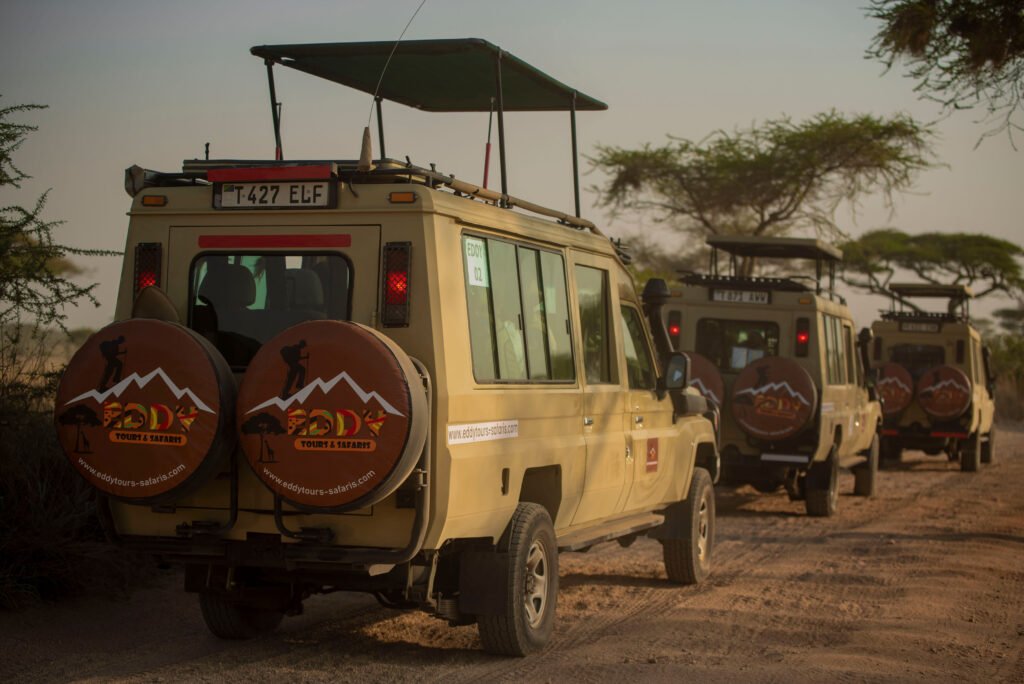
Safest Countries in Africa for Travelers and how safety is really measured
When discussing the Safest Countries in Africa for Travelers, safety is not defined by one single indicator. International research institutions and development organisations combine governance quality, health preparedness, infrastructure reliability, environmental stability and community safety. Global risk and development studies published by the World Bank Governance Programme and human development research from the United Nations Development Programme show that stable institutions and transparent public services strongly influence visitor safety.
Public safety also depends on disaster preparedness and national response systems. Risk reduction frameworks coordinated by the UN Office for Disaster Risk Reduction and emergency readiness guidelines published by the World Health Organization demonstrate how health and crisis response capacity directly affect travel safety in developing regions.
Safest Countries in Africa for Travelers and political stability
Political stability remains a key indicator when evaluating the Safest Countries in Africa for Travelers. Governance monitoring initiatives supported by Transparency International and peace research coordinated by the Institute for Economics and Peace show that countries with stronger institutions, lower corruption and predictable legal systems provide safer environments for visitors.
Independent academic studies published through ScienceDirect and global development research shared by Brookings Institution confirm that tourists benefit most in destinations where local authorities, private operators and community leaders cooperate openly.
Safest Countries in Africa for Travelers and environmental protection
Environmental governance plays an important role in the Safest Countries in Africa for Travelers. Protected landscapes reduce illegal activity, support ranger presence and improve emergency response access in remote regions. Conservation frameworks promoted by the International Union for Conservation of Nature and biodiversity policy coordination by the Intergovernmental Science-Policy Platform on Biodiversity and Ecosystem Services show that strong protected-area management increases visitor safety and ecosystem resilience.
Environmental monitoring by the United Nations Environment Programme and land-use analysis published by the United States Geological Survey confirm that well-managed natural areas reduce risks linked to flooding, erosion and uncontrolled development that can affect travel routes and communities.
Safest Countries in Africa for Travelers and wildlife management systems
Wildlife tourism is one of Africa’s strongest attractions, and it directly influences the reputation of the Safest Countries in Africa for Travelers. Conservation organisations such as the World Wide Fund for Nature, the African Wildlife Foundation and the Wildlife Conservation Society highlight how ranger training, wildlife monitoring and community engagement reduce conflict and illegal activity around protected areas.
Research organisations including Panthera and BirdLife International show that professional conservation programmes create safer wildlife viewing conditions and reduce human-wildlife conflict near tourist routes.
Safest Countries in Africa for Travelers and health security
Health preparedness is essential when analysing the Safest Countries in Africa for Travelers. International disease prevention guidelines from the Centers for Disease Control and Prevention and public health research coordinated by the WHO Regional Office for Africa demonstrate how surveillance systems, vaccination coverage and emergency response planning improve travel safety.
Academic medical research available through the U.S. National Library of Medicine and population health studies from the Harvard T.H. Chan School of Public Health confirm that reliable health infrastructure strongly reduces serious travel risk.
Safest Countries in Africa for Travelers and transport reliability
Transport systems shape the practical experience of the Safest Countries in Africa for Travelers. Road safety initiatives promoted by the World Health Organization Road Safety Programme and transport energy efficiency guidance published by the International Energy Agency show how vehicle maintenance, driver training and infrastructure investment directly affect visitor safety.
Infrastructure and logistics research produced by the Organisation for Economic Co-operation and Development demonstrates that countries with stable transport networks allow emergency response services and tourism operators to react faster when problems arise.
Safest Countries in Africa for Travelers and community stability
Strong local communities support the reality of the Safest Countries in Africa for Travelers. Labour protection standards published by the International Labour Organization and poverty reduction programmes implemented by Oxfam International show how employment, education and fair working conditions strengthen social stability.
Social development research coordinated by the UNICEF also highlights how education and youth engagement reduce long-term security risks in many African destinations popular with travelers.
Safest Countries in Africa for Travelers and climate resilience
Climate resilience increasingly defines the Safest Countries in Africa for Travelers. Climate research published by NASA Climate and assessments produced by the Intergovernmental Panel on Climate Change show that rainfall variability, heat waves and drought influence wildlife movement, water access and road conditions.
Adaptation strategies supported by the Adaptation Fund and climate resilience studies shared by the Climate Investment Funds confirm that countries investing in climate-smart infrastructure offer more reliable travel conditions.
Safest Countries in Africa for Travelers and real destinations that perform well
Based on conservation performance, governance quality, infrastructure reliability and public health readiness, several destinations consistently appear among the Safest Countries in Africa for Travelers. Countries such as Botswana, Namibia, Rwanda, Tanzania and Mauritius demonstrate strong protected-area management, stable tourism systems and effective community partnerships supported by international conservation and development organisations.
Tanzania in particular benefits from long-standing wildlife protection programmes and well-regulated national park systems that support safe visitor movement. Travelers exploring wildlife circuits and mountain routes through professional operators such as Tanzania safari specialists benefit from structured logistics, experienced local guides and strong collaboration with conservation authorities.
Safest Countries in Africa for Travelers and the role of responsible tour operators
Professional operators play a major role in maintaining the reputation of the Safest Countries in Africa for Travelers. Ethical travel practice frameworks promoted by the International Organization for Standardization show how service quality systems, emergency procedures and communication protocols improve reliability for visitors.
For travelers planning adventure or mountain experiences, safety-focused itineraries such as Kilimanjaro climbing programs integrate medical preparedness, environmental care and professional guiding standards.
Safest Countries in Africa for Travelers and personalized planning
Understanding the Safest Countries in Africa for Travelers is not only about national statistics. It is also about choosing routes, accommodation and activities that match your comfort level and interests. Local operators understand seasonal road conditions, park regulations and wildlife movement patterns far better than international booking platforms.
For customized travel planning and direct local support, travelers can speak with professional teams through local safari consultation services, where real-time knowledge helps reduce uncertainty and improve overall travel safety.
Why safety and responsibility must always go together
The idea of the Safest Countries in Africa for Travelers should never be separated from responsibility. Destinations become safer when wildlife is protected, communities benefit economically and tourism is managed ethically. Scientific research, conservation partnerships and transparent governance systems all work together to create safe travel environments.
When you choose responsible operators and destinations that respect people and nature, you become part of a wider effort to protect Africa’s extraordinary landscapes while enjoying a secure and deeply rewarding travel experience.