
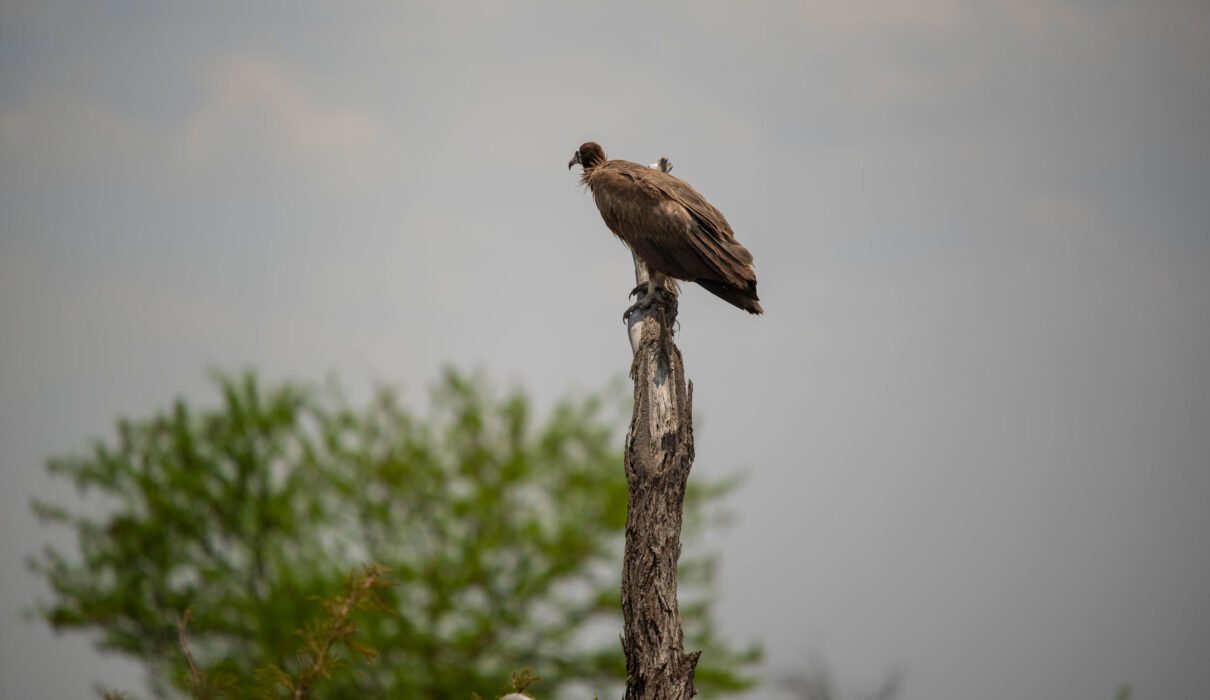
Southern Tanzania Birdwatching Hotspots are some of the most rewarding and least crowded birding destinations in East Africa, offering a rare mix of pristine ecosystems, wide habitat diversity and exceptionally high species richness that attracts both professional ornithologists and passionate bird lovers. Unlike the busy northern safari circuit, the south of Tanzania remains quiet, wild and deeply connected to large conservation landscapes where birds still thrive naturally alongside elephants, antelopes and predators.
This guide is written for travelers who want a calm, authentic and conservation-focused birding journey and who value knowledgeable local guidance rather than rushed sightseeing. When carefully planned with experienced local specialists such as Eddy Tours & Safaris, southern Tanzania becomes one of the most meaningful places in Africa to observe birds in healthy and well-protected environments.
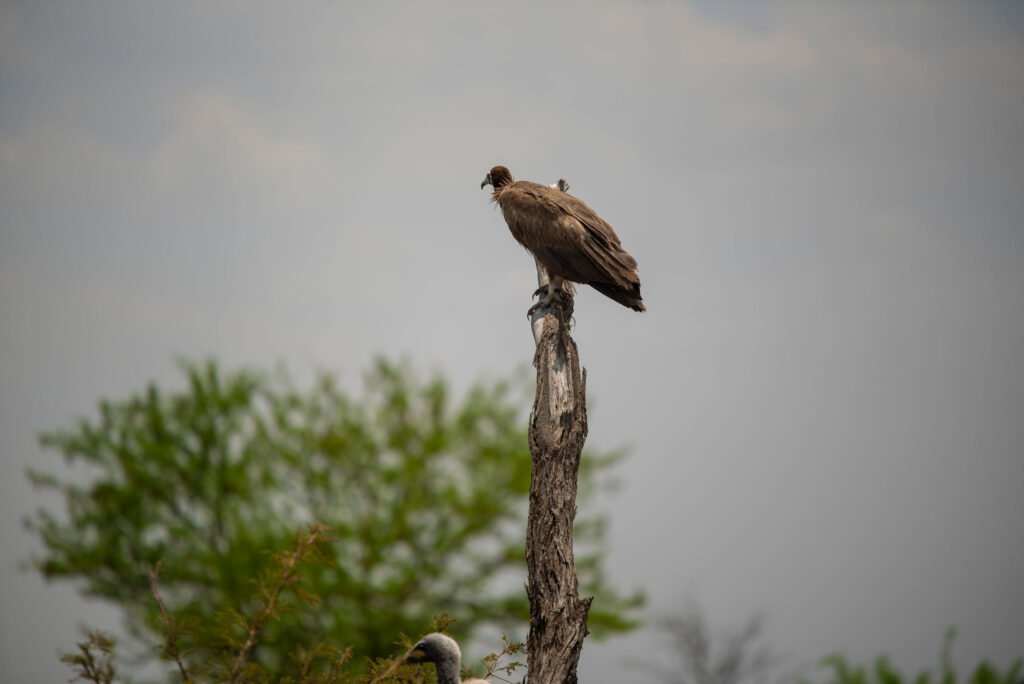
Southern Tanzania Birdwatching Hotspots and why the south is so special
Southern Tanzania Birdwatching Hotspots exist because the region holds some of the largest connected conservation landscapes in the country, where woodland, wetland, riverine forest and montane habitats remain largely intact. Conservation assessments published by the International Union for Conservation of Nature and biodiversity policy frameworks supported by the Intergovernmental Science-Policy Platform on Biodiversity and Ecosystem Services show that large, continuous habitats are essential for sustaining long-term bird populations and migration corridors.
Environmental protection programmes coordinated by the United Nations Environment Programme and landscape conservation strategies promoted by Conservation International confirm that southern Tanzania still functions as an ecological stronghold where natural processes continue with minimal fragmentation. This is the foundation that makes birdwatching in the south exceptionally rich and reliable.
Southern Tanzania Birdwatching Hotspots in Nyerere National Park (Selous ecosystem)
Southern Tanzania Birdwatching Hotspots are strongly represented inside the vast Nyerere ecosystem, one of Africa’s largest protected areas and a globally recognised conservation landscape. According to bird conservation data published by BirdLife International, the mosaic of rivers, floodplains and miombo woodland supports a remarkable variety of raptors, waterbirds and forest specialists.
Long-term ecological monitoring supported by the Wildlife Conservation Society shows that the Rufiji River system remains one of the most important wetland habitats for breeding and migratory birds in the region. Research initiatives linked to the Global Biodiversity Information Facility also highlight the high number of documented bird records from this ecosystem, making it a reliable location for serious birding trips.
Southern Tanzania Birdwatching Hotspots around Ruaha National Park
Southern Tanzania Birdwatching Hotspots reach exceptional diversity around Ruaha National Park, where semi-arid savannah, riverine forest and rocky escarpments create ideal conditions for both resident and seasonal species. Conservation research conducted with the support of the African Wildlife Foundation shows that Ruaha sits at a biological transition zone between eastern and southern African bird communities.
Scientific habitat mapping projects supported by the United States Geological Survey demonstrate how the Great Ruaha River corridor acts as a key ecological artery for birds that depend on riparian vegetation and permanent water sources. Many ornithological surveys referenced through ScienceDirect confirm that habitat diversity is the main driver behind the park’s impressive bird checklist.
Southern Tanzania Birdwatching Hotspots in the Udzungwa Mountains
Southern Tanzania Birdwatching Hotspots extend into the Eastern Arc Mountains, especially within the Udzungwa range, one of Africa’s most important centers of endemism. According to conservation research published by World Wide Fund for Nature, the Eastern Arc forests hold unusually high concentrations of endemic and restricted-range species.
Long-term biodiversity studies supported by the Nature Research platform and forest conservation initiatives coordinated by the Food and Agriculture Organization confirm that intact montane forests are irreplaceable for specialist bird species that cannot survive in degraded landscapes. Udzungwa therefore offers some of the most exciting forest birding in southern Tanzania.
Southern Tanzania Birdwatching Hotspots across the Kilombero floodplain
Southern Tanzania Birdwatching Hotspots become particularly productive in the vast Kilombero wetland system, where seasonal flooding supports enormous numbers of waterbirds and wetland specialists. Wetland conservation programmes supported by Ramsar Convention on Wetlands identify this floodplain as one of the most important inland wetland systems in East Africa.
Hydrological and habitat studies published through NASA Earth observation programmes and regional ecological research hosted by the Tanzania Wildlife Research Institute show how flood dynamics shape breeding success for storks, herons, egrets and numerous migratory species that rely on seasonal productivity.
Southern Tanzania Birdwatching Hotspots in Mikumi National Park
Southern Tanzania Birdwatching Hotspots are also well represented in Mikumi National Park, where open grasslands, acacia woodland and permanent water points provide excellent viewing conditions. Habitat management studies published via Frontiers in Ecology and Evolution explain how heterogeneous savannah structure increases bird species coexistence by offering multiple feeding and nesting niches.
Conservation planning supported by the National Geographic Society further highlights Mikumi’s role as an accessible yet biologically important part of the greater southern ecosystem, making it ideal for travelers who want productive birding without long and demanding transfers.
Southern Tanzania Birdwatching Hotspots and climate resilience
Southern Tanzania Birdwatching Hotspots are increasingly influenced by climate variability, which affects rainfall patterns, vegetation cycles and water availability. Climate science produced by NASA Climate and global assessments from the Intergovernmental Panel on Climate Change show that birds are highly sensitive indicators of environmental change.
Regional ecosystem resilience studies published through the United Nations Environment Programme confirm that large protected areas such as those in southern Tanzania are more capable of buffering species against short-term climatic shocks. This reinforces the importance of choosing destinations that actively support large-scale conservation planning.
Southern Tanzania Birdwatching Hotspots and scientific bird monitoring
Southern Tanzania Birdwatching Hotspots benefit from global bird monitoring initiatives that help guide conservation action. Large biodiversity databases maintained by the Cornell Lab of Ornithology eBird platform and sound archive projects hosted by Xeno-canto provide valuable reference material for field identification and population tracking.
Research outputs available through the U.S. National Library of Medicine and interdisciplinary environmental studies published via ScienceDirect also show increasing integration between ornithology, climate science and land-use planning, further strengthening conservation decision-making in the region.
Southern Tanzania Birdwatching Hotspots and responsible tourism
Southern Tanzania Birdwatching Hotspots can only remain productive if tourism follows strict ethical and environmental standards. Sustainable tourism frameworks promoted by the UN World Tourism Organization and biodiversity safeguards developed by World Wide Fund for Nature emphasize low-impact access, respect for wildlife behavior and community engagement.
Travelers who join professionally guided programs such as those offered through responsible Tanzania safari itineraries benefit from experienced local knowledge while directly supporting conservation-driven operations that protect sensitive bird habitats.
Southern Tanzania Birdwatching Hotspots and community conservation partnerships
Southern Tanzania Birdwatching Hotspots are closely linked to the well-being of surrounding communities. Social development research promoted by the International Labour Organization and community conservation initiatives supported by Oxfam International show that fair employment and benefit sharing improve long-term conservation outcomes.
Local guiding, community-based accommodation and conservation education allow residents to benefit directly from birdwatching tourism, creating strong incentives to protect forest patches, wetlands and breeding sites.
Southern Tanzania Birdwatching Hotspots and how to plan your visit
Southern Tanzania Birdwatching Hotspots require careful route planning to balance travel time, habitat coverage and seasonal accessibility. Wetland dynamics, forest trail conditions and river crossings can change significantly, which is why working with experienced local planners is essential.
Well-structured birding journeys can be arranged through local safari specialists who understand park regulations, conservation priorities and bird movement patterns across the southern circuit.
Southern Tanzania Birdwatching Hotspots and combining birding with classic safari
Southern Tanzania Birdwatching Hotspots integrate naturally with classic wildlife safaris, allowing travelers to enjoy birds, mammals and landscapes in a single itinerary. This approach reduces unnecessary transfers and minimizes environmental impact.
Travelers interested in combining birdwatching with broader wildlife exploration can review customized travel options through direct consultation with local experts who specialize in conservation-focused journeys.
Why Southern Tanzania Birdwatching Hotspots belong on your travel list
Southern Tanzania Birdwatching Hotspots offer something increasingly rare in modern wildlife travel: space, silence and ecological authenticity. From vast floodplains and miombo woodland to ancient mountain forests, the southern circuit delivers remarkable bird diversity while actively supporting some of East Africa’s most important conservation landscapes.
If you are searching for a birding experience that combines scientific value, ethical travel and unforgettable natural beauty, southern Tanzania provides one of the strongest and most responsible choices in Africa, especially when guided by experienced professionals who understand both birds and conservation on the ground.