
Stone Town deserves more than a quick stop on the way to a Zanzibar beach hotel. Its narrow streets, carved doors, markets and waterfront reveal a different side of the island—one shaped by coastal communities, Indian Ocean trade and a complicated history.
Walking is part of the experience. You turn a corner expecting another quiet alley and find a busy shop, a courtyard or a view towards the sea. Some buildings invite a closer look at their architecture; others require time to understand the history they represent.
Stone Town is also a living neighbourhood. People work, worship, shop and raise families here. A thoughtful visit leaves room for that daily life rather than treating every doorway as a visitor attraction.
This Stone Town, Zanzibar guide from Eddy Tours & Safaris introduces nine highlights, followed by practical advice on timing, accommodation and planning. It will help you decide what to include without rushing through the historic centre.
Where Is Stone Town?
Stone Town is the historic part of Zanzibar City, on the western coast of Unguja, the island commonly called Zanzibar.
It is distinct from the island’s beach destinations. Staying in Nungwi, Kendwa, Paje or another coastal area does not mean you are within walking distance of the historic streets.
If you want to explore the town properly, consider a separate visit or an overnight stay. Ask about transfer arrangements when planning your wider Zanzibar itinerary, especially if you intend to visit between an airport arrival and a beach transfer.
1. Its World Heritage Status Helps Explain What You Are Seeing
Stone Town was inscribed on the UNESCO World Heritage List in 2000. UNESCO recognises it as an important example of an East African Swahili coastal trading town, reflecting cultural influences accumulated over centuries. The official UNESCO Stone Town overview provides useful background before your visit.
The significance extends beyond a few famous buildings. Street patterns, building materials, public spaces and relationships between structures all contribute to the historic setting.
That changes how you explore. Instead of moving only between named attractions, pay attention to the spaces connecting them.
Notice how a narrow passage opens into a small square, how shopfronts share streets with homes, and how the waterfront differs from the interior lanes.
Visitor tip: Start with a guided introduction if you enjoy historical context. Afterwards, you can revisit the areas that interested you most at your own pace.
2. The Narrow Streets Reward Slow Exploration
Stone Town is best experienced on foot, with time to pause.
The lanes can make navigation confusing at first. A street that looks familiar may lead somewhere unexpected, and the shortest route on a map is not always the easiest one to follow.
A guide can help with orientation while explaining what you pass. Independent exploring can also be rewarding once you have a sense of the layout.
Download an offline map, save your accommodation’s location and carry its contact details. Allow extra time rather than planning every movement around an exact walking estimate.
Keep aware of other street users. A narrow lane may still carry bicycles, handcarts or delivery activity, so avoid blocking it while checking directions.
Visitor tip: Wear comfortable footwear and plan a café or shaded break. Exploring slowly is more enjoyable than trying to cover the entire historic centre in one continuous walk.
3. The Architecture Tells Stories Through Details
Stone Town’s buildings invite you to look beyond the façade.
Carved wooden doors are among its most recognisable features. Balconies, windows, courtyards and decorative details also help reveal the town’s architectural character.
UNESCO’s Urban Heritage Atlas offers another way to understand Stone Town as a historic settlement, rather than a collection of isolated monuments. Its Stone Town profile places the historic centre within the wider urban setting.
Be cautious about simple explanations for every design. A guide may identify influences or describe a building’s history, but not every door can be accurately explained through one symbol or a colourful story.
Ask which details are documented and which are local interpretations.
Visitor tip: Photograph architecture from public areas without leaning against doors, entering homes or asking residents to move. A doorway can be both historic and someone’s everyday entrance.
4. The Former Slave Market Requires a Thoughtful Visit
The former slave market site and Anglican Cathedral are important places for understanding Zanzibar’s history.
The cathedral stands on the site of the former public slave market, as described by the Zanzibar government’s historical-sites information.
This part of a Stone Town visit deserves a different pace from shopping or waterfront sightseeing. Give yourself time to read the interpretation, listen to the guide and reflect on the people whose lives were affected.
The history involves coercion, suffering and exploitation. It should not be reduced to a dramatic anecdote added between other attractions.
Ask questions when an explanation is unclear. Historical understanding is more valuable than simply recording that you visited the site.
Visitor tip: Follow the site’s photography guidance and consider whether taking a photograph is appropriate to the setting. Keep captions factual and respectful if you share images afterwards.
5. The Old Fort Connects the Waterfront With the Town’s Past
The Old Fort, also known as Ngome Kongwe, is one of Stone Town’s recognisable historic landmarks.
Its position near the waterfront makes it a useful point of orientation during a walking tour. The heavy walls create a visual contrast with the surrounding streets and buildings.
The Zanzibar Commission for Tourism’s culture and heritage information includes the Old Fort among the town’s visitor attractions.
Ask your guide to explain its history and changing uses. That context adds more to the visit than a quick photograph at the entrance.
Activities, access arrangements and events can vary. Confirm what is available during your visit rather than assuming an old itinerary describes the current experience.
Visitor tip: Combine the fort with nearby waterfront exploration, but leave enough time to look around without immediately moving to the next stop.
6. The House of Wonders Shows Why Heritage Conservation Matters
The House of Wonders, or Beit al-Ajaib, is an important Stone Town landmark. It is also a reminder that historic buildings require ongoing care.
Part of the building collapsed on 25 December 2020, an event documented by UNESCO’s report on the House of Wonders.
Do not assume that an older travel article promising an interior museum visit is still accurate. The Zanzibar museums website lists the museum as closed for restoration; confirm its status before travelling.
Even where interior access is unavailable, a guide can explain the building’s significance from an appropriate public location.
Avoid entering restricted areas or approaching restoration works for a closer photograph.
Visitor tip: Build your walking itinerary around several worthwhile stops so one closure does not determine the quality of the whole visit.
7. Markets Offer a View of Everyday Zanzibar
A market visit introduces a different rhythm from the historic monuments.
Darajani is commonly included in Stone Town walks, but the useful experience is not simply collecting photographs of products. It is observing how people shop, trade and move through a working space.
Go with realistic expectations. Markets can be busy, and some areas may feel crowded or unfamiliar. You do not need to inspect every section to have a worthwhile visit.
If you want to buy spices, textiles or souvenirs, ask questions about the product and agree on the price before completing the purchase. Buy what you actually want rather than feeling obliged to accept every invitation.
Photography requires consideration. Ask before taking close portraits of traders or customers, and avoid holding up transactions.
Visitor tip: Tell your guide whether your interest is food, shopping or daily life. That helps shape the visit and avoids turning it into a series of unwanted sales stops.
8. Forodhani Gardens Adds an Evening Perspective
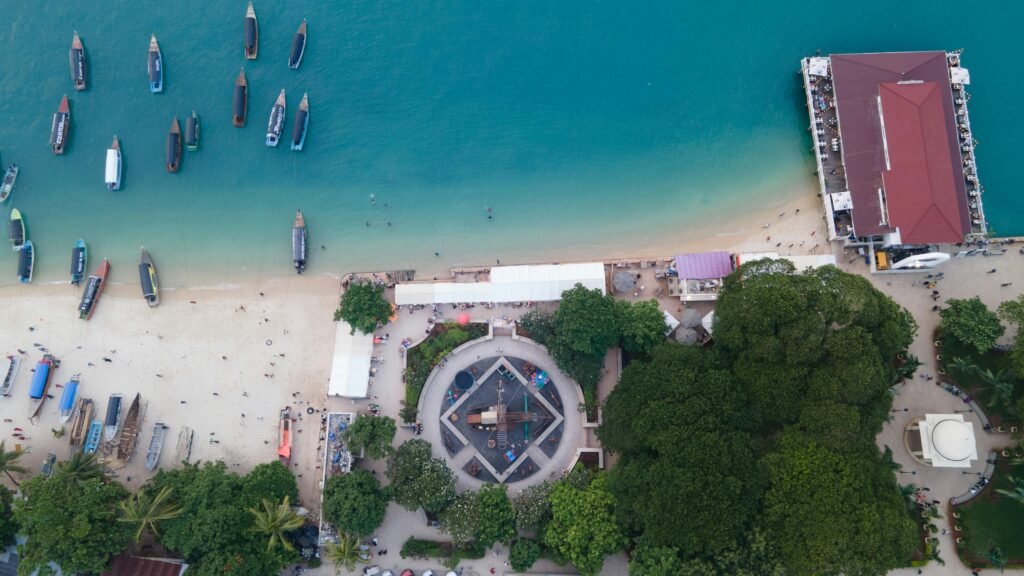
Forodhani Gardens gives visitors a waterfront setting that contrasts with the narrow interior streets.
The Zanzibar Commission for Tourism includes Forodhani among its visitor highlights. Its official tourism website is a useful starting point for checking destination information.
An evening visit can provide time to watch the waterfront and explore food stalls when operating. Do not arrive expecting a completely quiet setting; this is a shared public space.
If buying food, ask about ingredients, preparation and the total price before ordering. Choose according to your preferences and dietary requirements rather than assuming every item suits you.
You can also enjoy the area without making it a food tour. A walk and a place to sit may be enough after a busy day.
Visitor tip: Keep the evening flexible. Confirm your return arrangements if you are staying outside Stone Town, especially before deciding to extend your visit.
9. Respect for Local Life Makes the Visit Better
Stone Town’s character comes partly from the people who live and work there.
Dress thoughtfully for town walks and visits to religious sites. Clothing appropriate for a beach setting may not suit every urban or religious location. Ask about any specific entry requirements beforehand.
Greet people politely, request permission for portraits and avoid photographing inside homes or places of worship without approval.
During Ramadan or other religious occasions, ask your guide how visitor services and local routines may differ. Current local advice is more useful than assuming the same schedule applies throughout the year.
Support businesses through informed choices. A local guide, a meal or a carefully selected purchase can contribute to the visit without requiring you to buy something at every stop.
Visitor tip: Treat a refusal to be photographed as a complete answer. Respectful interaction does not need to end in an image.
How Much Time Should You Allow in Stone Town?
A guided half-day walk can introduce several highlights, but it leaves limited time for museums, shopping and unplanned stops.
A full day gives you more flexibility. An overnight stay can make it easier to enjoy an early walk, take a break during the hotter part of the day and return to the waterfront later.
Choose according to your interests rather than an arbitrary checklist. If you enjoy architecture and history, allow more time. If you mainly want an introduction before a beach stay, a shorter visit may suit you.
Avoid scheduling a tightly packed tour immediately after a tiring journey. Airport procedures, transfers and delayed arrivals can affect the available time.
A Suggested One-Day Stone Town Plan
This outline is an example, subject to opening arrangements and your walking pace.
| Time of day | Suggested activity |
|---|---|
| Morning | Guided walk through the historic streets, with architecture and market stops |
| Late morning | Former slave market site and cathedral, allowing time for interpretation |
| Midday | Lunch and a shaded break |
| Afternoon | Old Fort and other accessible heritage stops |
| Early evening | Waterfront walk and Forodhani Gardens |
| Evening | Dinner and return to your accommodation |
Ask your guide to adjust the route for heat, mobility needs or particular interests. A useful itinerary should feel manageable rather than rushed.
Choosing Accommodation
If staying in Stone Town, look beyond the room photographs.
Ask where the hotel is located, how close vehicles can get and whether assistance with luggage is available. A property in a narrow lane may involve walking from the drop-off point.
Historic accommodation can be attractive, but stairs and room layouts may matter if you have mobility needs. Confirm lift access where relevant rather than assuming it is available.
Also consider your priorities. Do you want easy waterfront access, a quieter setting or a location convenient for the airport transfer?
Check practical features such as air conditioning, bathroom arrangements and noise expectations. “Historic character” is useful only when the property also meets your needs.
Combining Stone Town With a Beach Holiday or Safari
Stone Town can work well at the beginning or end of a Zanzibar stay.
You might spend a night exploring the historic centre before moving to the beach, or return for a visit before departure. The better arrangement depends on flight times and the location of your beach accommodation.
For travellers combining mainland wildlife viewing with Zanzibar, Eddy Tours & Safaris can discuss how Stone Town fits into the proposed journey.
Keep transfers realistic. A beach excursion, town tour and flight departure on the same day can create pressure if the schedule leaves little spare time.
Ask for the complete sequence of activities and travel, rather than considering each excursion separately.
Frequently Asked Questions
Is Stone Town the same as Zanzibar?
No. Stone Town is the historic part of Zanzibar City. Zanzibar refers more broadly to the island destination and archipelago.
Can I explore without a guide?
Yes, but a guide can provide orientation and historical context. Many visitors find a guided introduction useful before exploring independently.
Is Stone Town suitable for families?
It can be, with a route suited to children’s ages, walking ability and interests. Include breaks and discuss how sensitive historical topics will be explained.
Can I visit the House of Wonders museum?
Check before travelling. Official museum information lists closure for restoration, and access should not be assumed from older travel articles.
Should I stay overnight?
An overnight stay offers more flexibility, but it is not essential. Choose based on how much you want to explore and your wider itinerary.
Plan Your Stone Town Visit With Eddy Tours & Safaris
Stone Town rewards curiosity and a comfortable pace. Give its historic sites enough attention, leave room for daily life and confirm practical arrangements before arriving.
To discuss a guided visit or a wider Zanzibar holiday, contact Eddy Tours & Safaris. Share your dates, group size, accommodation preferences and interests so the visit can fit your journey.
Website: eddytours-safaris.com
Email: eddytoursandsafaris@gmail.com
Sales enquiries: sales@eddytours-safaris.com
Phone and WhatsApp: +255 711 906 664