
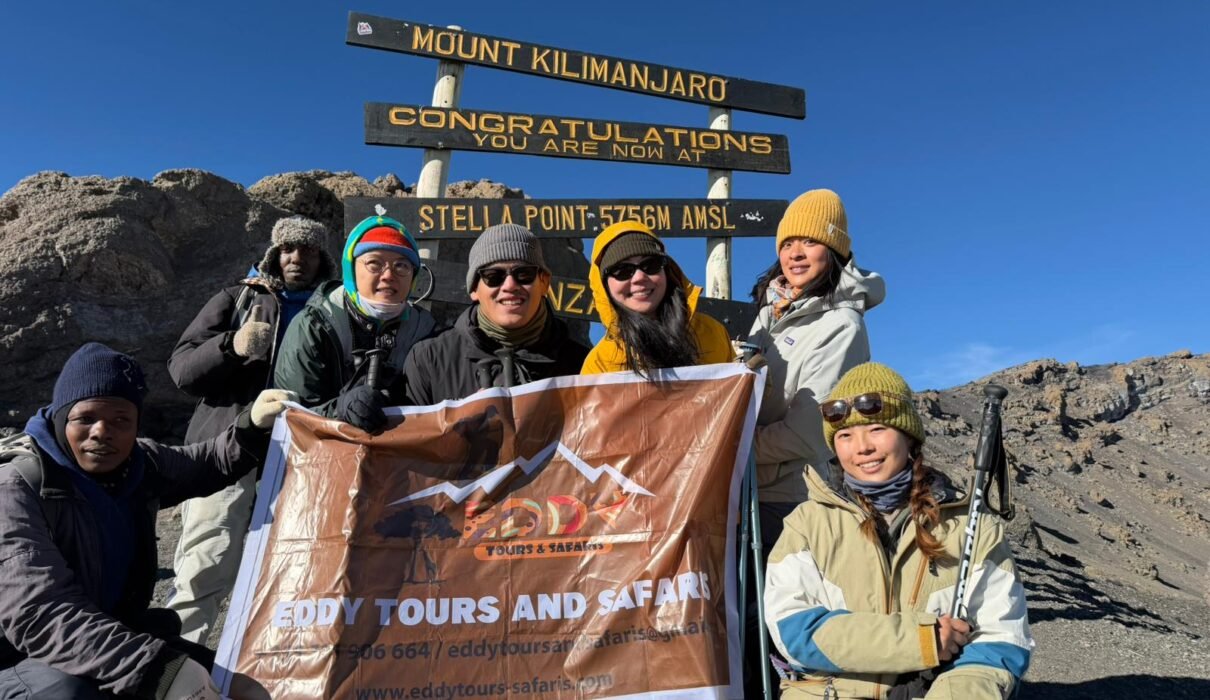
“How likely am I to reach the summit?” is one of the first questions people ask when planning a Kilimanjaro climb.
It is a reasonable question. Climbing requires preparation, time and money, and most travellers book with Uhuru Peak firmly in mind. However, a percentage on a website cannot predict how your body will respond to altitude or what conditions you will encounter.
A useful discussion of the Kilimanjaro summit success rate should explain where the numbers come from, how success is defined and which parts of the journey you can influence.
The strongest preparation combines a carefully reviewed itinerary, suitable fitness, familiar equipment and clear communication with your guiding team. These steps can support your climb, but none guarantees the summit.
This guide from Eddy Tours & Safaris explains how to evaluate success-rate claims and introduces nine practical ways to prepare for the mountain.
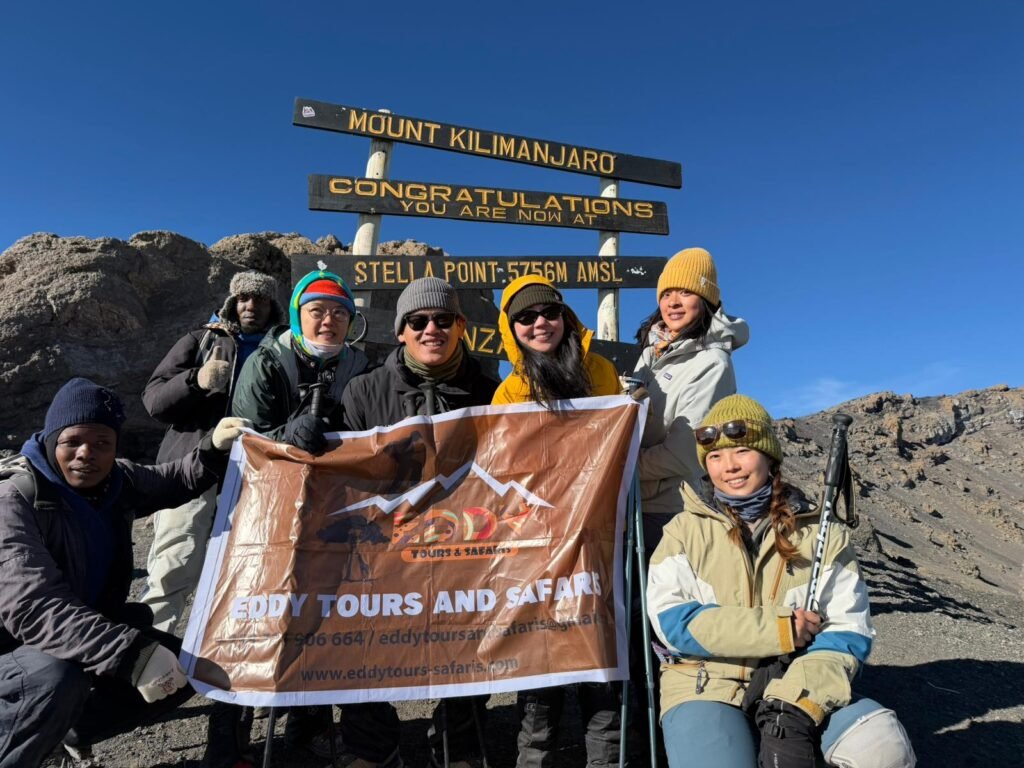
What Does “Kilimanjaro Summit Success Rate” Mean?
A summit success rate usually describes the proportion of climbers in a particular group who reached a stated destination. The difficulty is that published percentages are not always calculated in the same way.
One operator may report results for a specific route and duration. Another may combine several routes. A figure may cover a recent season, several years or an unspecified period.
The summit destination matters too. Ask whether “success” means reaching Uhuru Peak, Kilimanjaro’s highest point, or reaching a different point on the crater rim.
Before relying on a percentage, request:
- The period covered by the records.
- The number of climbers included.
- The route and trekking duration.
- The definition of a successful summit.
- Whether all climbers who started are included.
- Whether the results have been independently checked.
For illustration, if 90 out of 100 climbers reached Uhuru Peak, that group’s recorded rate would be 90%. It would not establish that every future climber has a 90% personal chance.
This article does not assign Eddy Tours & Safaris a success rate or present unsupported route percentages.
Why Altitude Matters So Much
Uhuru Peak stands at 5,895 metres above sea level. At high altitude, reduced air pressure lowers the oxygen available with each breath.
The CDC identifies altitude, ascent rate and individual susceptibility as important factors in altitude illness. Physical fitness does not protect you from it. Gradual ascent gives your body time to adjust, although individuals respond differently. Read the CDC’s high-altitude travel guidance before discussing your itinerary with a clinician and operator.
That distinction shapes the advice below. Training helps you manage the physical work of trekking. It does not replace acclimatisation.
1. Compare the Ascent Schedule, Not Just the Route Name
A route name is only the beginning of your decision.
Two packages using the same route can differ in duration, overnight stops and daily demands. Ask for the complete itinerary, including sleeping elevations and trekking days.
A longer schedule can provide more opportunity to acclimatise, but an extra hotel night at low altitude is not equivalent to an extra acclimatisation day on the mountain. Check whether the advertised package length includes arrival and departure days.
The official Kilimanjaro visitor guide provides destination information, including the hut accommodation used on Marangu. Use official information alongside the operator’s specific itinerary.
Practical action: Request a table showing each day’s start, overnight location and sleeping elevation. Have the ascent profile reviewed rather than choosing solely by popularity or price.
2. Train for Consecutive Trekking Days
A single long walk is useful preparation, but Kilimanjaro involves repeated days of effort.
Build your training progressively. Regular walking, hills and longer hikes can help you become familiar with sustained movement. Where practical, include consecutive walking days so you learn how your feet and legs feel when you start again the next morning.
Use your intended boots and daypack during preparation. This helps identify rubbing, pressure points and straps that become uncomfortable over time.
Include downhill walking where suitable. The descent also requires attention and physical effort, so preparation should not focus only on climbing uphill.
If you are unsure how to train around an injury or medical condition, seek appropriate professional advice.
Practical action: Develop a manageable routine you can follow consistently. Avoid trying to make up for limited preparation with a sudden, exhausting training block immediately before departure.
3. Choose a Team That Explains Health and Turnaround Decisions
A success-rate claim should not be your only measure of a guiding service.
Ask how the team assesses climbers, responds to concerns and manages someone who cannot continue. Clear explanations are more useful than a promise that the guides will “get you to the top.”
Discuss guide coverage, communication arrangements and how a descent is organised. Find out what happens to the rest of the group when one person needs assistance.
Emergency equipment should be accompanied by trained people and a workable response plan. Simply listing equipment in a quotation does not explain how it is used.
Also ask about crew welfare. Appropriate workloads, food, shelter and equipment matter for the people supporting the expedition.
Practical action: Before paying, request the company’s health-monitoring and emergency arrangements in writing, along with an explanation of who makes turnaround decisions.
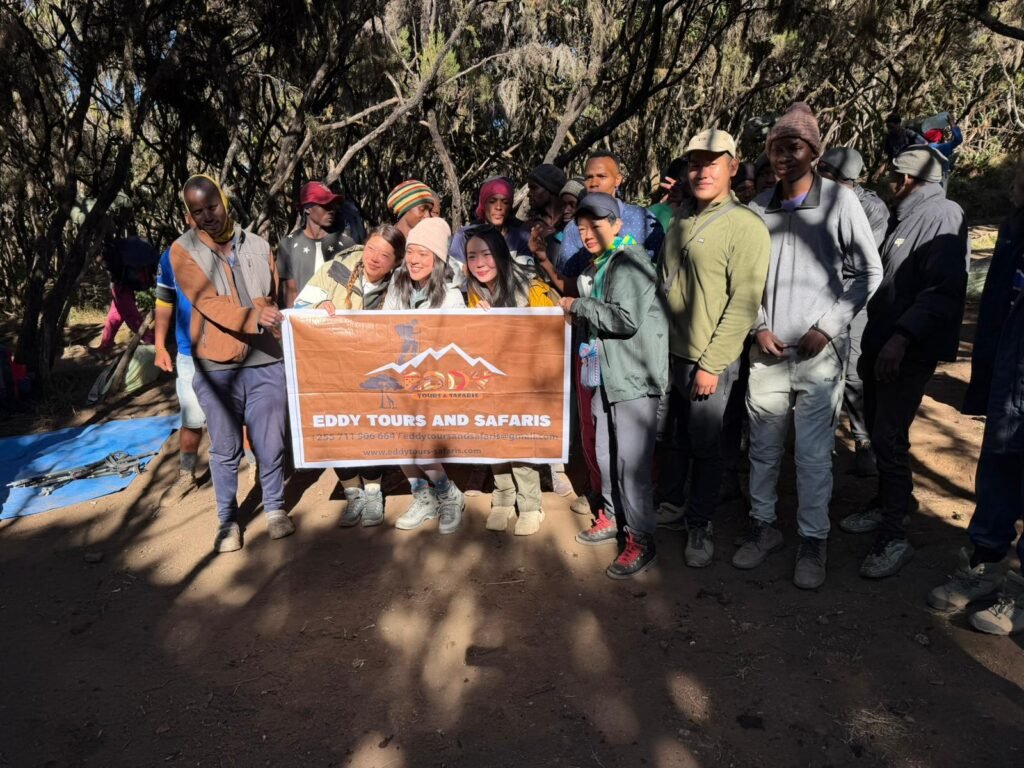
4. Walk at a Sustainable Pace
It is easy to walk too quickly during the first days, especially when you feel fresh or want to keep up with others.
Aim for steady movement rather than treating the trail as a race. Talk to your guide if the pace feels difficult and ask how the team accommodates different walking speeds.
Do not assume that arriving first at camp means you are adapting better. Walking speed and your response to altitude are different issues.
Practise a comfortable pace during training, including on hills. Learning how to regulate effort makes it easier to avoid unnecessary bursts of speed on the mountain.
A slow pace does not make an unsuitable ascent schedule safe. It works alongside sensible itinerary planning.
Practical action: Discuss pace at the briefing and communicate during the trek. Do not wait until you are struggling badly to explain that the group’s speed is uncomfortable.
5. Test Your Equipment Before Departure
Equipment problems can make a demanding day harder than it needs to be.
Check boots with the socks you will wear, and use them on longer walks. Try warm layers together to make sure you can move comfortably. Test waterproof clothing over your other garments rather than checking it in isolation.
Practise adjusting your trekking poles and operating your headlamp. Small tasks become less convenient when you are wearing gloves or feeling tired.
For rental equipment, confirm availability, sizing and condition. Ask specifically about the sleeping bag and how its suitability for the planned conditions is assessed.
Keep essential items organised in your daypack, including any personal medication and the layers needed during the day.
Practical action: Perform an equipment check well before travelling, leaving time to replace unsuitable items. Avoid relying on unfamiliar gear first used at the trailhead.
6. Plan Food and Drinking Arrangements
Eating and drinking are ordinary parts of the expedition, but they deserve attention before booking.
Ask how meals, drinking water and dietary requirements are handled. Explain allergies clearly and confirm what the team can provide.
Bring a small selection of familiar snacks if appropriate. Choose items you have used during training rather than packing only products advertised for endurance sports.
Discuss a sensible hydration approach with your clinician and guiding team. Do not force excessive quantities of water in the belief that this will prevent altitude illness.
Check how drinking water is made safe and whether your bottles or hydration system will be practical in colder conditions.
Practical action: Tell the operator about your needs early, practise eating and drinking during longer walks, and report difficulty taking food or fluids on the mountain.
7. Arrange a Pre-Travel Health Discussion
A health discussion is particularly useful if you have an existing condition, take regular medication or have previously experienced altitude illness.
Bring the actual itinerary to the appointment. The proposed elevations and ascent schedule provide more useful information than simply saying you are going on holiday in Tanzania.
Ask about altitude-related medication where relevant. Do not start an unfamiliar medicine based only on advice from another climber, and do not treat medication as permission to ignore symptoms.
Plan enough time before departure to act on professional advice and organise your usual prescriptions.
Check travel insurance separately. Confirm that the policy covers trekking to Kilimanjaro’s summit elevation and the relevant medical and evacuation arrangements.
Practical action: Review health preparation and insurance before making final travel commitments, rather than leaving them until your last packing day.
8. Report Symptoms Early
Climbers sometimes hide symptoms because they fear losing their summit attempt. That can prevent the team from making informed decisions.
Report headaches, nausea, dizziness and unusual difficulty promptly. Do not decide on your own that a problem is “just tiredness.”
The CDC advises against further ascent with altitude illness symptoms. Worsening symptoms require descent; confusion, difficulty walking or breathlessness at rest are urgent warning signs requiring immediate attention. A pulse-oximeter reading alone cannot establish that continuing is safe.
Be accurate when answering the guide’s questions. Describing when a symptom began and how it has changed is more useful than saying everything is fine because you want to continue.
Avoid comparisons with other climbers. Someone else’s comfortable progress does not determine how your body should respond.
Practical action: Agree before departure that honest reporting takes priority over protecting a summit target.
9. Prepare for the Summit Attempt and the Descent
The summit attempt deserves practical preparation, including clothing, lighting and the organisation of essential items.
At the briefing, ask what the planned schedule involves, which items should be accessible and how the team manages different speeds. Use the guidance specific to your itinerary rather than assuming every route follows an identical routine.
Prepare your daypack and equipment before resting. Avoid leaving tasks such as finding batteries or checking gloves until departure.
Break the effort into manageable stages, but remain responsive to the guide’s instructions. Determination should help you follow the plan, not override a decision to stop.
Reaching Uhuru Peak is followed by descent. Continue paying attention, report problems and avoid treating the summit photograph as the end of the expedition.
Practical action: Define your goal as a well-prepared climb and safe return, with the summit attempted when circumstances allow.
How to Compare Kilimanjaro Packages
Use a consistent set of questions rather than comparing headline prices and percentages alone.
| Area | What to confirm |
|---|---|
| Summit statistics | Definition, time period, sample size and route |
| Duration | Actual trekking days versus total package days |
| Ascent profile | Overnight elevations and acclimatisation opportunities |
| Guiding | Coverage, pace management and communication |
| Emergency response | Assessment, descent and evacuation arrangements |
| Equipment | Included items, rentals, sizing and condition |
| Meals | Dietary needs and drinking-water arrangements |
| Crew welfare | Workloads, food, shelter, equipment and pay practices |
| Costs | Clear inclusions, exclusions and tipping guidance |
A company should be able to explain its proposed service without promising an outcome that depends on weather and individual health.
What Should Count as Success?
Reaching the summit is a meaningful achievement, and it is reasonable to want it.
However, a responsible expedition must also recognise when continuing is inappropriate. A turnaround decision should not be delayed to preserve an operator’s advertised percentage.
If you need to descend, the preparation and experience still have value. You have learned about your equipment, endurance and response to the mountain.
For operators, transparent reporting is preferable to a perfect-looking number without an explanation. For climbers, good judgement matters more than treating the summit as something owed by the package.
Frequently Asked Questions
What is the overall Kilimanjaro summit success rate?
There is no single percentage used in this guide. Published rates may cover different routes, durations, periods and definitions of success. Ask for the underlying records before relying on a figure.
Does a longer itinerary guarantee the summit?
No. More time can support acclimatisation, but the ascent profile and individual response still matter. Review the complete itinerary.
Can a very fit climber get altitude illness?
Yes. Fitness helps with trekking effort but does not protect against altitude illness.
Can I choose the shortest route to save money?
Discuss the ascent schedule and its demands before deciding. A lower price should not be the only reason to accept less time on the mountain.
Should I take altitude medication?
Ask a qualified clinician who can review your itinerary, history and other medication. Do not rely on a general online recommendation.
Can Eddy Tours & Safaris guarantee Uhuru Peak?
A summit cannot responsibly be guaranteed. Ask for the proposed itinerary, guiding arrangements and any documented results so you can assess the climb realistically.
Plan Your Kilimanjaro Climb With Eddy Tours & Safaris
The most useful response to a Kilimanjaro summit success rate is to ask what sits behind it—and then prepare for the parts of the journey you can influence.
To discuss your climb, contact Eddy Tours & Safaris. Share your preferred dates, trekking experience, available time and route interests. Request a detailed itinerary and clear service arrangements before booking.
Website: eddytours-safaris.com
Email: eddytoursandsafaris@gmail.com
Sales enquiries: sales@eddytours-safaris.com
Phone and WhatsApp: +255 711 906 664