
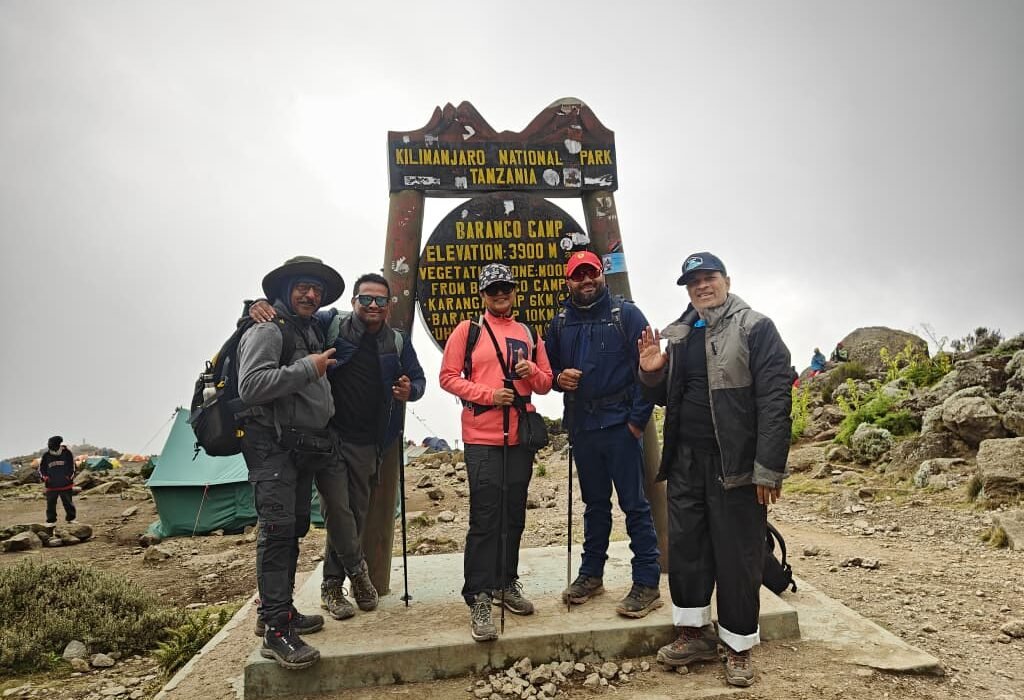
How To Choose A Kili Tour Operator is one of the most important decisions you will make before climbing Mount Kilimanjaro, because your safety, your summit chances and even your experience with local communities depend more on your operator than on your physical fitness. Many travelers focus on price and photos, but professional standards, guide training and ethical practices are what truly protect you on the mountain.
This guide explains, in simple and honest language, how to judge a Kilimanjaro company using real international safety guidance, health research and conservation principles. If you are planning your climb with a trusted local team such as Eddy Tours & Safaris, these points will help you clearly understand what separates a professional mountain operator from a risky and poorly managed one.
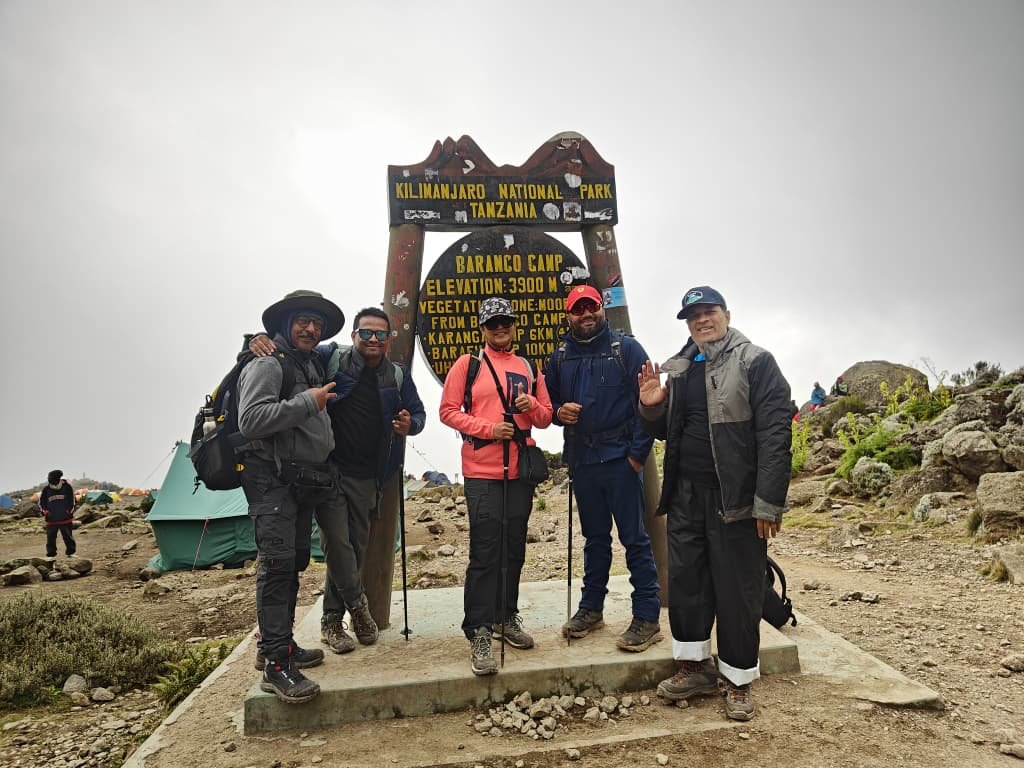
How To Choose A Kili Tour Operator based on health and altitude safety
When evaluating How To Choose A Kili Tour Operator, your first concern should always be altitude safety and medical readiness. Scientific research published by the U.S. National Library of Medicine and summarized in multiple studies available through PubMed clearly shows that gradual ascent, daily health checks and immediate response to symptoms dramatically reduce serious altitude illness.
International medical guidance from the Centers for Disease Control and Prevention and professional recommendations from the International Society for Mountain Medicine explain that safe operators must monitor hydration, sleep quality and early warning signs such as headache and dizziness. Operators who ignore these principles put climbers at unnecessary risk. You should always confirm that your operator follows global health guidance provided by the World Health Organization for emergency response and field preparedness.
How To Choose A Kili Tour Operator through guide training and leadership quality
Another critical part of How To Choose A Kili Tour Operator is the quality of leadership and guide decision-making under stress. Expedition leadership research published on ScienceDirect and behavioral studies reported by Nature Research demonstrate that group outcomes in extreme environments depend heavily on how leaders manage fatigue, uncertainty and changing conditions.
International safety standards promoted by the International Climbing and Mountaineering Federation and outdoor leadership training models developed by the National Outdoor Leadership School emphasize calm communication, realistic summit decisions and early intervention when a climber is struggling. A professional operator will clearly explain how guides are trained, assessed and supervised throughout the season.
How To Choose A Kili Tour Operator using environmental and conservation responsibility
Understanding How To Choose A Kili Tour Operator also means understanding how companies protect the mountain itself. Mount Kilimanjaro is part of a globally significant ecological system monitored and protected by organizations such as the International Union for Conservation of Nature and conservation programs supported by the United Nations Environment Programme.
Environmental impact studies published by the United States Geological Survey show how erosion, unmanaged foot traffic and waste mismanagement damage high-altitude ecosystems. Conservation organisations including Conservation International, World Wide Fund for Nature and the African Wildlife Foundation strongly recommend controlled visitor movement, strict waste removal and clear campsite discipline. Ethical operators actively apply these standards in daily operations.
How To Choose A Kili Tour Operator by checking climate and weather awareness
A responsible approach to How To Choose A Kili Tour Operator must include climate and weather management. Climate research published by NASA Climate and long-term environmental assessments from the Intergovernmental Panel on Climate Change show that high-altitude regions are extremely sensitive to temperature shifts, wind patterns and sudden storms.
Environmental monitoring coordinated by the Food and Agriculture Organization confirms that water availability and alpine vegetation are changing across East Africa. A professional Kilimanjaro operator must monitor forecasts, adjust departure times and modify summit strategies when weather conditions threaten safety.
How To Choose A Kili Tour Operator through emergency preparedness and rescue planning
One of the most overlooked parts of How To Choose A Kili Tour Operator is emergency response capacity. International disaster and emergency coordination standards promoted by the International Federation of Red Cross and Red Crescent Societies and field response guidance from the International Red Cross show that communication equipment, evacuation protocols and trained staff save lives in remote terrain.
Risk-reduction frameworks developed by the World Bank Disaster Risk Management programme further explain the importance of coordinated logistics and local authority cooperation. A reliable operator must clearly explain how evacuation is organized and how communication works between guides, base teams and park authorities.
How To Choose A Kili Tour Operator by evaluating porter and crew welfare
A truly ethical approach to How To Choose A Kili Tour Operator includes how porters and support teams are treated. Labour standards promoted by the International Labour Organization and community development programs supported by Oxfam International show that fair wages, reasonable loads and access to medical care improve worker safety and performance.
Healthy and respected crew members communicate hazards faster, maintain equipment properly and respond more effectively during summit night, when fatigue and cold increase risk for everyone on the mountain.
How To Choose A Kili Tour Operator by looking at scientific and educational credibility
When people seriously research How To Choose A Kili Tour Operator, they should also examine how companies engage with scientific and educational knowledge. Biodiversity and mountain research shared through National Geographic Society, BirdLife International and predator conservation initiatives supported by Panthera demonstrate the importance of accurate interpretation and visitor education.
Research publications available through Frontiers in Physiology and ecological studies published via ScienceDirect reinforce that informed guides help climbers understand environmental limits and personal health risks far better than scripted marketing explanations.
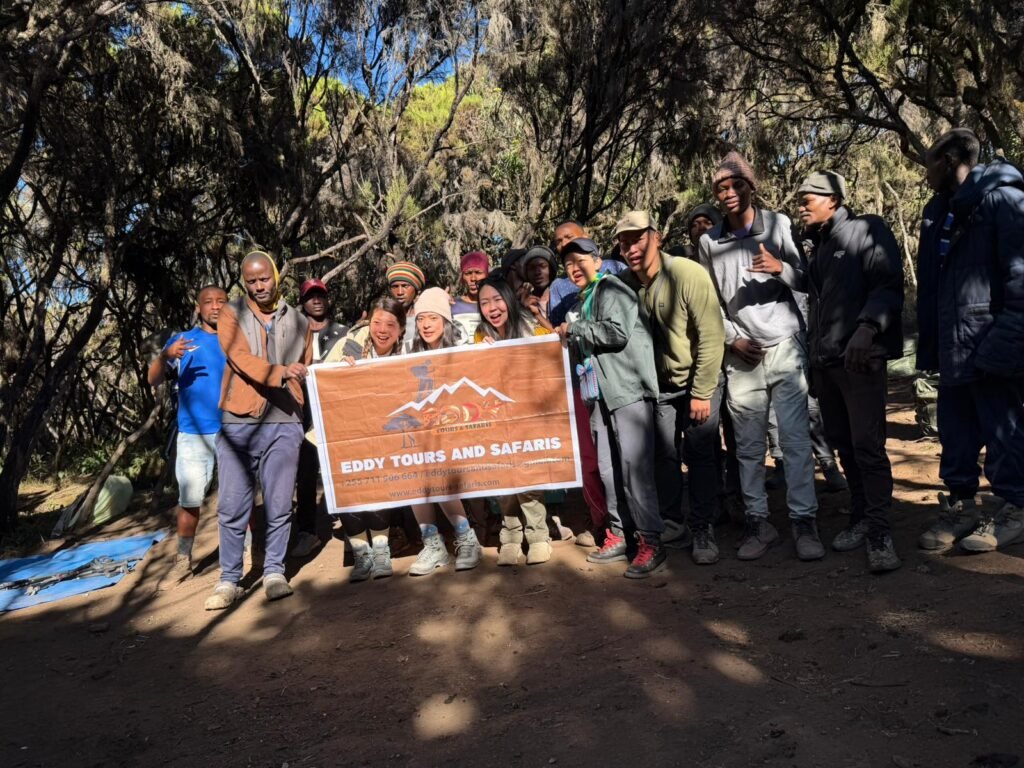
How To Choose A Kili Tour Operator using transparency and business ethics
A practical part of How To Choose A Kili Tour Operator is business transparency. Governance and integrity frameworks promoted by Transparency International explain how clear pricing, honest contracts and open communication reduce disputes and unethical practices.
A professional operator must clearly explain what is included, what is excluded and how park fees and rescue services are handled. Honest documentation builds trust before you even arrive in Tanzania.
How To Choose A Kili Tour Operator using local knowledge and route design
Real local knowledge is another key factor in How To Choose A Kili Tour Operator. Regional research networks coordinated through the University of Oxford research programmes and global environmental data institutions such as the United Nations Academic Impact show that localized decision-making improves safety and environmental protection in sensitive landscapes.
Local operators understand daily trail conditions, water availability and ranger coordination far better than overseas resellers. This directly improves acclimatisation strategy and risk management during the climb.
Why working with a trusted local operator makes a real difference
Many climbers who carefully research How To Choose A Kili Tour Operator eventually decide to work directly with an experienced Tanzanian company. Local operators offer faster communication with park authorities, better access to trained crews and realistic scheduling that respects both human health and environmental limits.
If you are preparing for your climb, you can review professionally structured routes through Kilimanjaro climbing programs that follow safety-driven itineraries and responsible mountain practices.
Planning support before and after your climb
Professional planning plays a major role when applying How To Choose A Kili Tour Operator in real life. Transparent communication before arrival helps you prepare physically, medically and logistically for the mountain.
You can explore detailed travel options and safari extensions through Tanzania travel programs or request personalized guidance using direct local consultation. Many climbers prefer to review company background and service philosophy directly through the official website at Eddy Tours & Safaris.
Final advice for choosing the right Kilimanjaro team
In real terms, How To Choose A Kili Tour Operator is about protecting your health, your investment and the mountain itself. Fitness and motivation help, but professional systems, ethical leadership and environmental responsibility are what truly allow climbers to reach the summit safely.
By choosing an operator that follows medical science, conservation principles and transparent business practices, you give yourself the strongest possible foundation for a meaningful and responsible Kilimanjaro journey.