
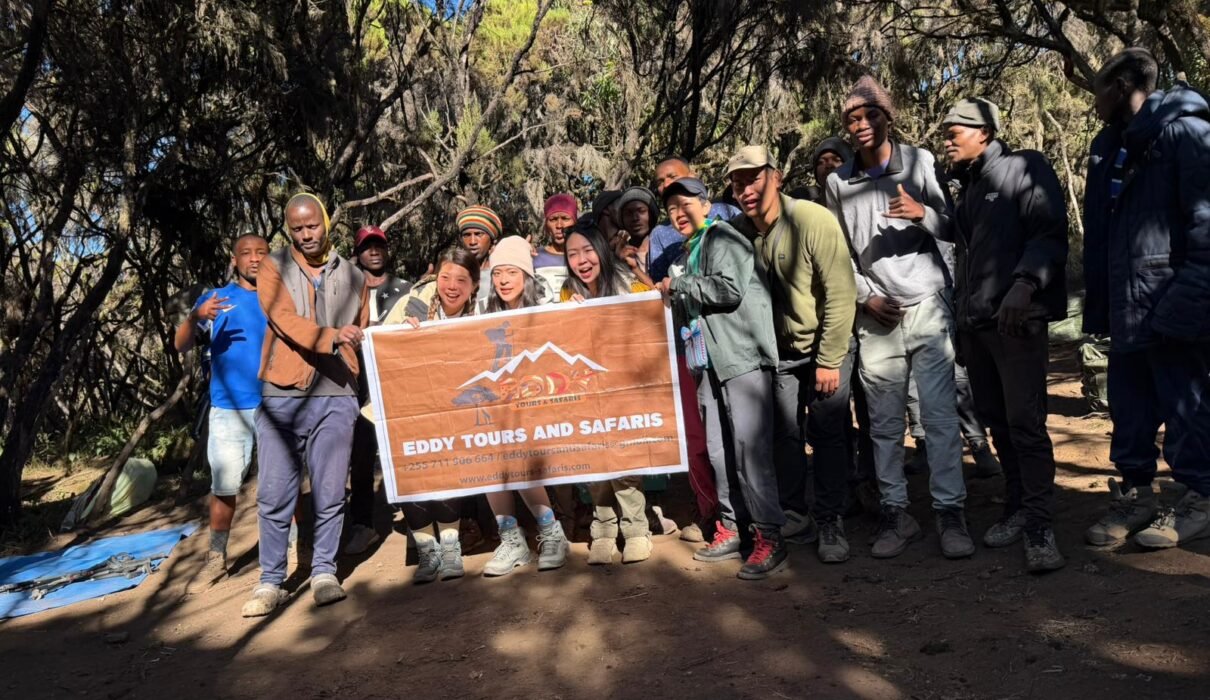
Climbing Tours in Kilimanjaro Region attract thousands of travelers who want to experience Africa’s highest mountain in a safe, ethical and professionally guided way. The region is not only famous for its summit, but also for its protected ecosystems, well-regulated mountain operations and strong links between tourism, conservation and community livelihoods. Choosing the right climbing tour here is not simply about reaching the top. It is about how your journey supports nature, protects your health and creates real value for the people who live around the mountain.
This guide explains what truly defines quality and responsibility in mountain travel, using international safety standards, environmental science and conservation principles. If you are planning your journey with a reliable local team such as Eddy Tours & Safaris, this page helps you understand how professional planning, trained guides and ethical operations shape your entire climbing experience from the first step to the final descent.
Climbing Tours in Kilimanjaro Region and protected mountain ecosystems
One of the most important aspects of Climbing Tours in Kilimanjaro Region is the fact that the mountain lies inside a globally important conservation landscape. Kilimanjaro’s ecosystems form part of international biodiversity protection frameworks monitored by the International Union for Conservation of Nature and recognized by UNESCO. These institutions show that mountain habitats are highly sensitive to visitor pressure, trail erosion and waste accumulation.
Environmental planning and ecosystem protection strategies promoted by the United Nations Environment Programme and biodiversity assessments coordinated through the Intergovernmental Science-Policy Platform on Biodiversity and Ecosystem Services guide how tourism should be managed in fragile mountain environments. Professional operators follow strict camp rules, designated trails and waste-control systems to protect vegetation zones and water catchments that serve both wildlife and local communities.
Climbing Tours in Kilimanjaro Region and altitude science
Understanding how the human body responds to altitude is central to safe Climbing Tours in Kilimanjaro Region. Medical research published by the U.S. National Library of Medicine and peer-reviewed studies available through PubMed clearly show that gradual ascent and rest days significantly reduce the risk of altitude illness.
Clinical guidance from the Centers for Disease Control and Prevention and the International Society for Mountain Medicine explains that symptoms such as headache, nausea and sleep disturbance must be identified early. Responsible climbing teams design itineraries that follow conservative altitude profiles, helping climbers adapt naturally rather than forcing rapid and risky ascents.
Climbing Tours in Kilimanjaro Region and climate conditions
Weather and climate strongly influence the quality of Climbing Tours in Kilimanjaro Region. Scientific climate data published by NASA Climate and assessment reports from the Intergovernmental Panel on Climate Change show that isolated high mountains experience rapid changes in temperature, wind and precipitation.
Environmental monitoring programs supported by the Food and Agriculture Organization highlight how changing rainfall patterns affect water availability and vegetation in mountain zones. Professional guides use real-time forecasts and field observation to adjust daily schedules, protecting climbers from unnecessary exposure and fatigue.
Climbing Tours in Kilimanjaro Region and guide professionalism
The real quality of Climbing Tours in Kilimanjaro Region depends heavily on the people leading the journey. Outdoor leadership and expedition training standards promoted by the National Outdoor Leadership School and safety frameworks from the International Climbing and Mountaineering Federation show how decision-making, communication and group management directly affect safety and success.
Well-trained guides understand route conditions, weather risks and human limits. They monitor daily health, manage pacing and ensure that summit decisions are based on real physical readiness rather than pressure or expectations.
Climbing Tours in Kilimanjaro Region and medical readiness
Medical preparedness is a critical component of professional Climbing Tours in Kilimanjaro Region. Clinical research and public health guidance from Johns Hopkins Medicine and the Cleveland Clinic emphasize early symptom recognition and timely descent as the most effective responses to altitude illness.
Emergency response principles promoted by the International Federation of Red Cross and Red Crescent Societies and the International Red Cross highlight the importance of communication systems, evacuation planning and trained field staff. Responsible climbing teams carry oxygen systems, medical kits and radios to ensure rapid response when needed.
Climbing Tours in Kilimanjaro Region and environmental responsibility
Environmental responsibility defines the long-term sustainability of Climbing Tours in Kilimanjaro Region. Conservation planning organizations such as Conservation International and geological monitoring initiatives from the United States Geological Survey show that unmanaged camps and trail shortcuts accelerate erosion and contaminate sensitive water systems.
Educational initiatives promoted by the National Geographic Society demonstrate how visitor awareness and responsible behavior significantly reduce environmental damage. Professional operators train both staff and climbers to follow strict waste management and campsite practices.
Climbing Tours in Kilimanjaro Region and wildlife protection
Although climbing routes focus on the upper mountain, wildlife protection remains part of ethical Climbing Tours in Kilimanjaro Region. Conservation organizations such as the World Wide Fund for Nature, the African Wildlife Foundation and the Wildlife Conservation Society emphasize that tourism corridors must avoid disturbing wildlife movement in lower forest and moorland zones.
Operators coordinate with park authorities to minimize noise, off-trail movement and campsite expansion, protecting habitats used by primates, antelope and bird species that depend on the mountain’s forest belt.
Climbing Tours in Kilimanjaro Region and scientific knowledge
Scientific research supports better management of Climbing Tours in Kilimanjaro Region. Ecological and environmental studies published through Nature Research and field research available on ScienceDirect provide evidence on how tourism intensity affects vegetation recovery, soil stability and visitor safety.
Responsible tourism access allows scientists to continue monitoring climate impacts and biodiversity changes without disrupting fragile alpine environments.
Climbing Tours in Kilimanjaro Region and community livelihoods
Local communities play a central role in sustainable Climbing Tours in Kilimanjaro Region. Labour standards promoted by the International Labour Organization and community development programs supported by Oxfam International show that fair employment and income stability strengthen conservation partnerships.
Ethical climbing companies provide training, fair wages and safe working conditions for guides, cooks and porters, creating stronger teams and better service for visitors.
Climbing Tours in Kilimanjaro Region and risk management
Professional risk management frameworks are essential in Climbing Tours in Kilimanjaro Region. Disaster risk reduction models promoted by the World Bank Disaster Risk Management programme and public health standards from the World Health Organization guide how operators prepare for weather disruption, illness and logistical challenges.
These systems include route monitoring, emergency coordination and structured decision-making processes that protect both guests and staff in rapidly changing mountain conditions.
Climbing Tours in Kilimanjaro Region and responsible planning
Thoughtful planning is what transforms ordinary trips into professional Climbing Tours in Kilimanjaro Region. Realistic itineraries, rest days and gradual elevation profiles protect your health and improve overall enjoyment of the climb.
You can review carefully designed itineraries through Kilimanjaro climbing programs that balance safety, environmental protection and meaningful mountain experience.
Climbing Tours in Kilimanjaro Region and combined safari experiences
Many travelers combine wildlife viewing with Climbing Tours in Kilimanjaro Region to experience Tanzania more deeply. Responsible multi-destination planning reduces unnecessary travel and supports broader conservation funding.
Well-structured travel options are available through Tanzania safari programs that complement mountain adventures with ethical wildlife experiences.
Climbing Tours in Kilimanjaro Region and personal local guidance
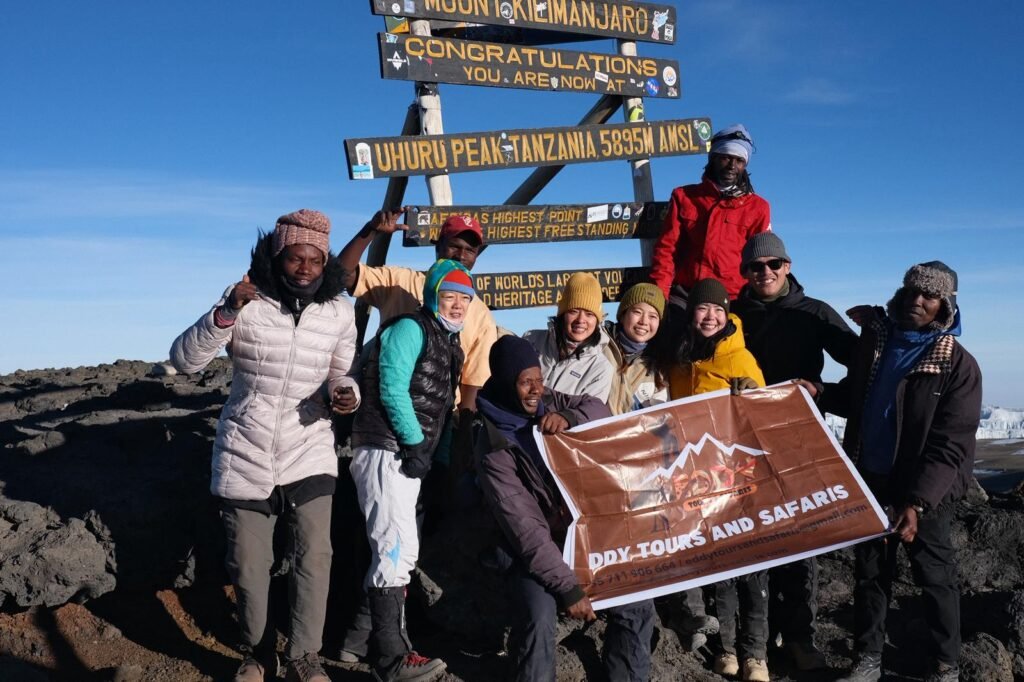
Direct communication with local experts strengthens every stage of Climbing Tours in Kilimanjaro Region. Local teams understand trail conditions, weather behavior and park regulations far better than distant agents.
For honest advice and tailored planning support, climbers can contact professional local staff through direct consultation services.
Why serious trekkers choose Climbing Tours in Kilimanjaro Region
A responsible mountain journey should protect nature, respect people and safeguard your health. Climbing Tours in Kilimanjaro Region offer one of the most structured and conservation-focused climbing environments in Africa, supported by science, professional training and community partnerships.
When you choose a local operator that follows international standards and environmental ethics, your climb becomes more than a personal achievement. It becomes part of a wider effort to protect one of Africa’s most important natural landscapes while offering you a safe, comfortable and deeply rewarding mountain experience.