
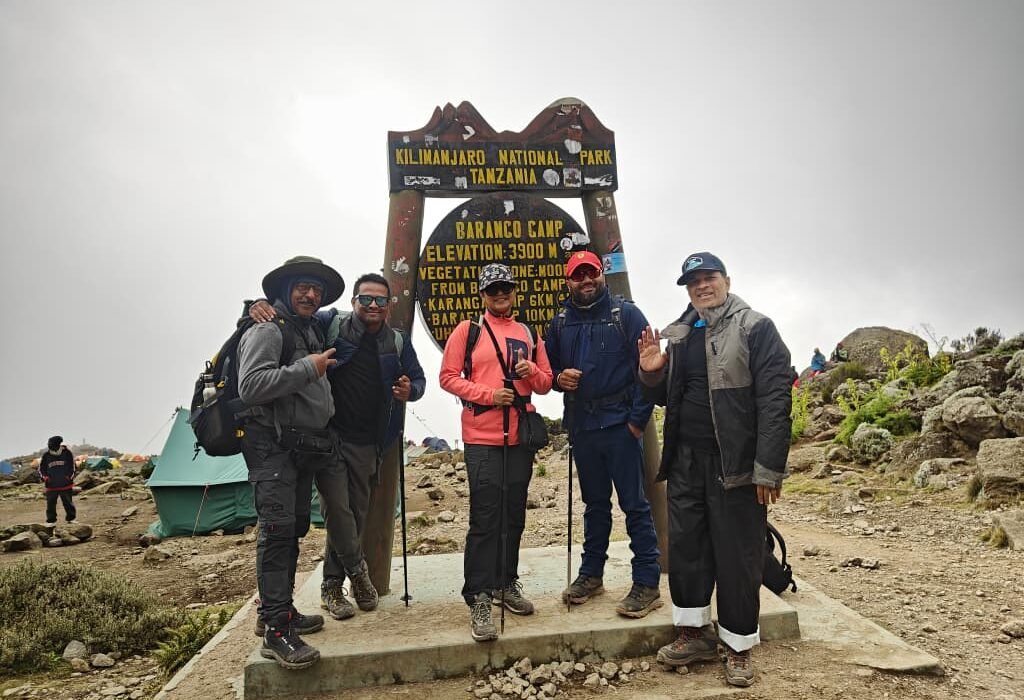
Best Kilimanjaro Guides are the single most important factor when you want to find your way up Kilimanjaro safely, confidently and with real understanding of the mountain you are walking on. A guide is not only someone who shows the path, but the person who reads your health, watches the weather, protects fragile ecosystems and makes difficult decisions when your body or the mountain changes its limits.
Many climbers focus on routes, prices or photos, yet professional research and conservation organisations consistently show that leadership quality is the strongest predictor of safe outcomes in high-altitude environments. This guide explains how to recognise the best mountain professionals and why choosing a trusted local team such as Eddy Tours & Safaris gives you a much stronger and safer foundation for your Kilimanjaro journey.
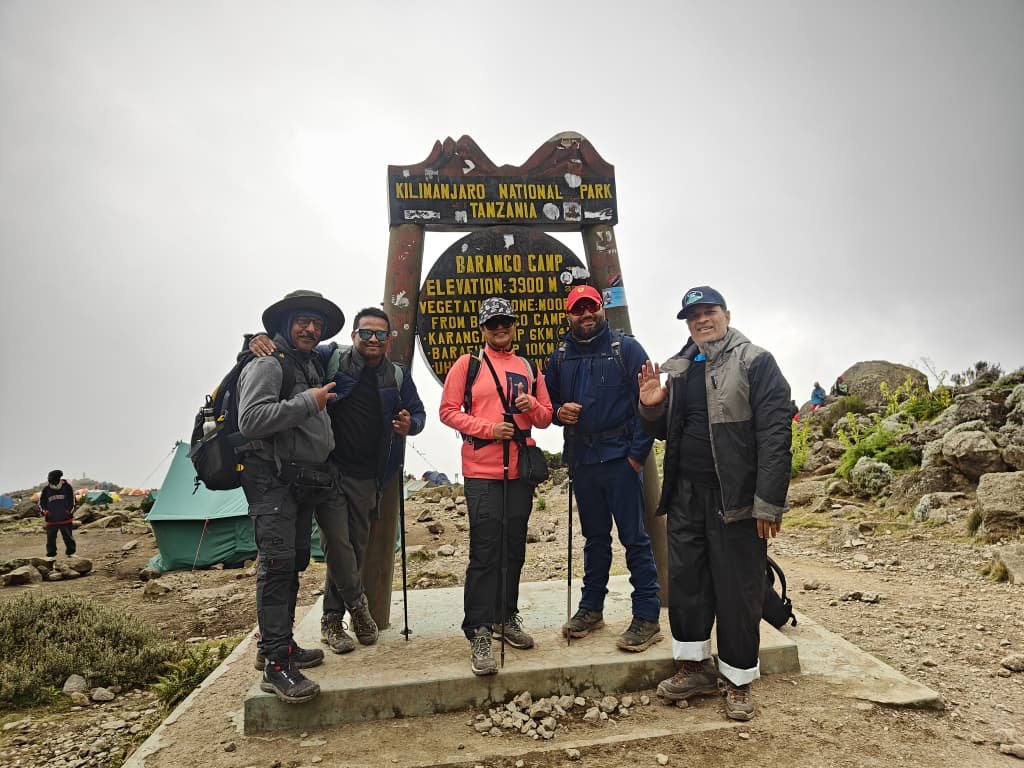
Best Kilimanjaro Guides and real safety responsibility on the mountain
The reason people search for the Best Kilimanjaro Guides is simple. Kilimanjaro is not technically difficult, but it is physically demanding and medically sensitive. International health authorities such as the World Health Organization and emergency preparedness specialists from the International Federation of Red Cross and Red Crescent Societies explain that remote and high-altitude environments require trained leadership, clear evacuation planning and reliable communication systems.
Good guides continuously monitor breathing, fatigue, hydration and early symptoms of altitude illness, and they are trained to take preventive decisions before problems become emergencies. This professional approach is exactly what separates serious mountain leaders from informal escorts who only follow the trail.
Best Kilimanjaro Guides and altitude knowledge that protects your health
Understanding how your body reacts to altitude is central to identifying the Best Kilimanjaro Guides. Medical and physiological studies published by the U.S. National Library of Medicine and reviewed through PubMed clearly show that gradual ascent, rest scheduling and symptom recognition dramatically reduce the risk of severe altitude illness.
Professional mountain leaders follow international medical guidance from the International Society for Mountain Medicine and practical advice from the Centers for Disease Control and Prevention. This scientific knowledge allows guides to adapt daily walking speed, rest time and hydration strategy to your individual response instead of using rigid schedules.
Best Kilimanjaro Guides and weather judgement in extreme environments
The mountain creates its own climate and weather behaviour, which makes decision-making extremely important for the Best Kilimanjaro Guides. Climate research provided by NASA Climate and global assessments published by the Intergovernmental Panel on Climate Change confirm that high-altitude regions experience rapid temperature shifts, strong winds and sudden weather instability.
Good guides do not rely only on forecasts. They read cloud movement, wind patterns and surface conditions and adjust timing and route sections accordingly. This skill protects climbers from unnecessary exposure and reduces physical exhaustion before summit night.
Best Kilimanjaro Guides and environmental protection on a fragile mountain
Environmental responsibility is a defining feature of the Best Kilimanjaro Guides. Kilimanjaro’s ecosystems are monitored and protected under international conservation frameworks supported by the International Union for Conservation of Nature and environmental governance programmes led by the United Nations Environment Programme.
High-quality guides strictly follow designated trails, campsite regulations and waste-management procedures to protect soil stability, water sources and alpine vegetation. Conservation research supported by the United States Geological Survey shows that unmanaged foot traffic and campsite misuse accelerate erosion in high-mountain landscapes.
Best Kilimanjaro Guides and wildlife awareness along the routes
Although Kilimanjaro is mainly a trekking mountain, the lower zones still support important wildlife corridors. The Best Kilimanjaro Guides understand animal behaviour and ecosystem connections described by organisations such as the World Wide Fund for Nature, the African Wildlife Foundation and the Wildlife Conservation Society.
Guides who respect wildlife movement patterns help reduce disturbance in forest zones and support the broader conservation goals that protect biodiversity around the mountain.
Best Kilimanjaro Guides and scientific understanding of ecosystems
Ecological interpretation is another mark of the Best Kilimanjaro Guides. Research organisations such as National Geographic Society and global biodiversity monitoring programmes supported by Intergovernmental Science-Policy Platform on Biodiversity and Ecosystem Services highlight the role of education in conservation success.
Professional guides explain vegetation zones, glacial retreat, soil types and climate pressure in a way that allows visitors to understand how the mountain is changing and why responsible tourism matters.
Best Kilimanjaro Guides and leadership under physical and mental stress
The mental side of climbing is often underestimated, yet it is central to the Best Kilimanjaro Guides. Human performance research published through ScienceDirect and behavioural studies available from Nature demonstrate how fatigue, cold and sleep disruption affect judgement and emotional stability.
Strong leaders maintain calm communication, encourage honest feedback from climbers and create realistic expectations for summit attempts. This reduces panic, peer pressure and risky decision-making during the most demanding hours of the climb.
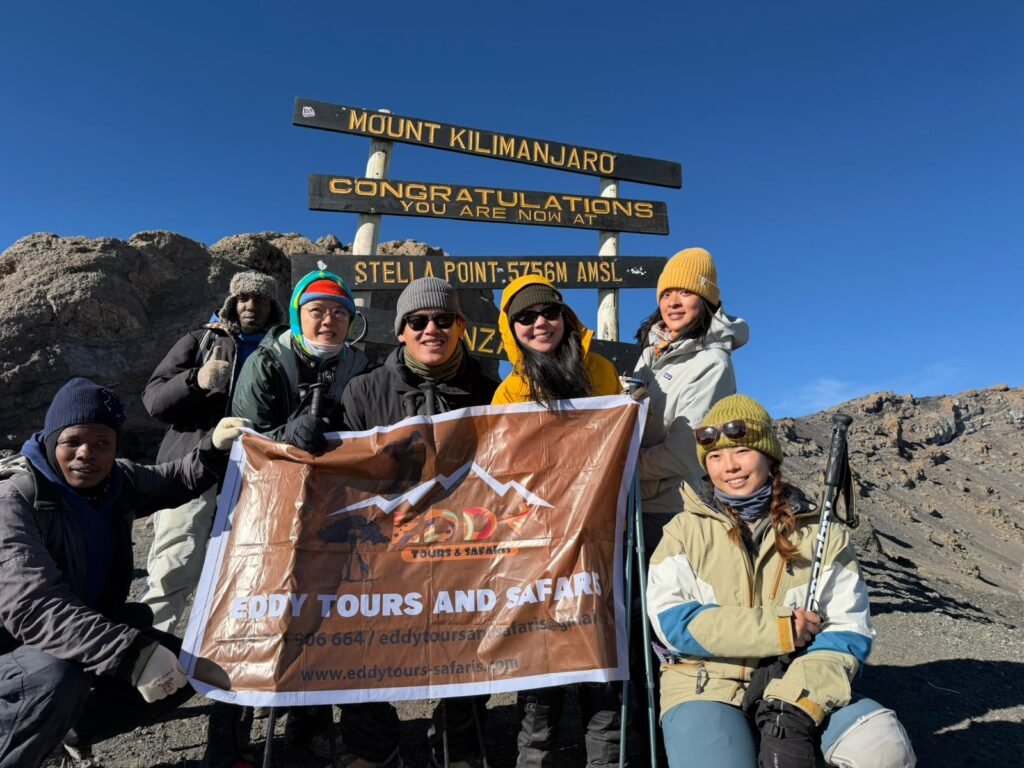
Best Kilimanjaro Guides and ethical treatment of mountain crews
Ethical operations define the credibility of the Best Kilimanjaro Guides. Labour standards promoted by the International Labour Organization and community protection initiatives supported by Oxfam International show that fair working conditions improve health, morale and team communication.
When porters and support staff are respected, well equipped and properly insured, the entire expedition becomes safer and more professionally organised.
Best Kilimanjaro Guides and global outdoor leadership standards
International mountaineering and leadership frameworks also guide the training of the Best Kilimanjaro Guides. Outdoor leadership development promoted by the National Outdoor Leadership School and technical safety standards published by the International Climbing and Mountaineering Federation emphasise structured risk assessment, group management and crisis response.
These professional systems are applied in daily field practice on Kilimanjaro by well-organised local operators.
Best Kilimanjaro Guides and long-term health protection
Long-term well-being is another hidden value delivered by the Best Kilimanjaro Guides. Medical reviews published through Frontiers in Physiology show that healthy climbers who follow conservative ascent profiles and controlled exertion experience no lasting negative effects from short-term high-altitude exposure.
Professional guides regulate daily walking speed, rest breaks and hydration so that your body can recover naturally after descent.
Best Kilimanjaro Guides and real local experience on the mountain
Local knowledge is one of the strongest advantages of the Best Kilimanjaro Guides. Experienced Tanzanian teams understand trail conditions, water points, rescue coordination and seasonal access far better than external operators or booking agents.
Travellers who choose professionally designed itineraries through Kilimanjaro climbing programs benefit directly from this daily operational knowledge and realistic scheduling that respects both health and weather conditions.
Best Kilimanjaro Guides and personal preparation support
Preparation before arrival strongly influences your experience with the Best Kilimanjaro Guides. Honest guidance about equipment, training, pacing and medical considerations reduces unnecessary stress on the mountain.
You can review professional trip planning and equipment guidance through Tanzania travel specialists who understand how safari and mountain logistics work together for travellers combining wildlife and trekking journeys.
Best Kilimanjaro Guides and direct communication with professionals
Open communication is a defining feature of the Best Kilimanjaro Guides. Reliable operators provide direct access to local experts before and during your climb, allowing questions to be answered quickly and accurately.
For personalised advice and realistic route selection, travellers can speak directly with mountain professionals through local Kilimanjaro consultation support.
Why choosing the right guide truly changes your Kilimanjaro journey
The Best Kilimanjaro Guides do not promise easy summits or unrealistic success. They protect your health, respect the mountain, support conservation and care for the people who make your climb possible. They understand when to continue, when to slow down and when turning back is the safest and most responsible choice.
If your goal is not only to reach high altitude but to experience Kilimanjaro in a safe, respectful and professionally guided way, choosing a local team that operates with strong scientific, environmental and ethical standards will shape your entire journey for the better.