
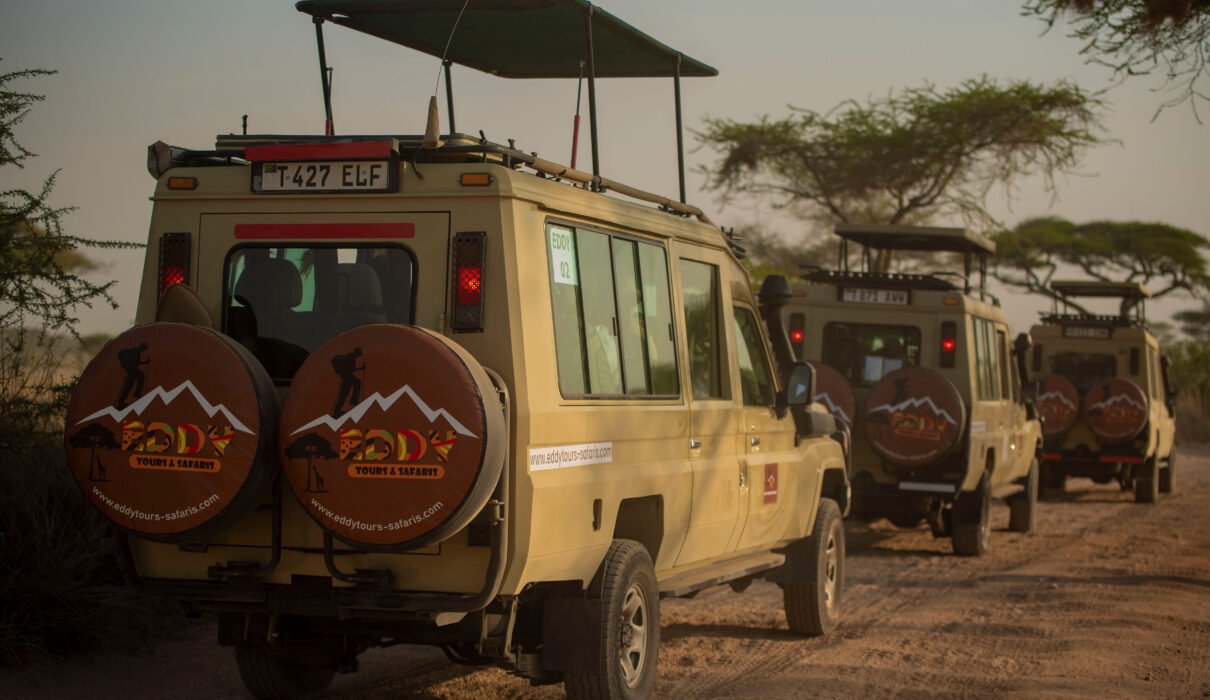
The best safari companies in Tanzania bigger operators is a question many travelers ask when they start comparing well-known international brands with local tour companies that operate directly inside Tanzania. Bigger operators usually look more professional on the surface, have strong marketing, and often appear safer simply because their names are familiar. However, size alone does not automatically guarantee better wildlife experiences, stronger conservation impact, or better value for travelers
This guide explains what really matters when comparing large safari operators with trusted local companies in Tanzania. It uses global conservation standards, scientific institutions and development organisations to show how responsible tourism should work in protected areas. If you are planning your journey with a reliable local company such as Eddy Tours & Safaris, this article will help you clearly understand where bigger operators perform well and where smaller, well-managed local teams often deliver a better and more personal safari experience
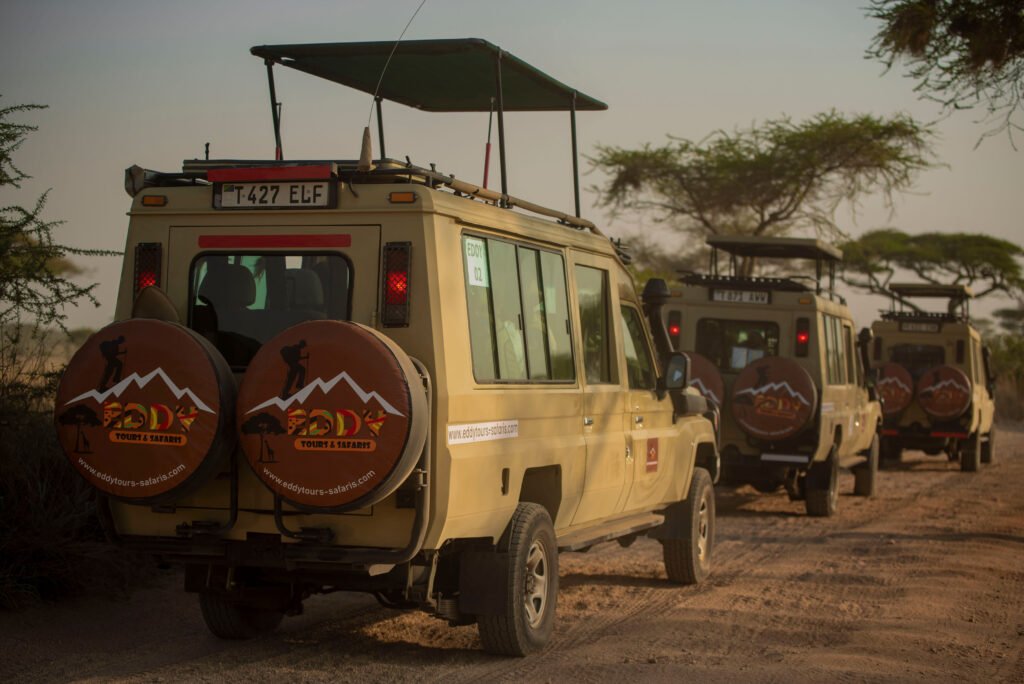
The best safari companies in Tanzania bigger operators and conservation responsibility
When evaluating The best safari companies in Tanzania bigger operators, the first serious question should always be about conservation responsibility. Tanzania’s national parks and wildlife corridors form part of globally important ecosystems monitored and protected by organisations such as the World Wide Fund for Nature, the African Wildlife Foundation and the Wildlife Conservation Society. These institutions repeatedly show that tourism can either support wildlife protection or increase environmental pressure if poorly managed.
Bigger operators often run many vehicles daily inside the same parks. While this can generate strong conservation revenue, it can also increase congestion at wildlife sightings and place additional stress on sensitive habitats. Conservation frameworks promoted by the International Union for Conservation of Nature and biodiversity governance coordinated by the Intergovernmental Science-Policy Platform on Biodiversity and Ecosystem Services clearly highlight that visitor management is more important than company size.
The best safari companies in Tanzania bigger operators and environmental impact
Understanding The best safari companies in Tanzania bigger operators also means understanding environmental footprint. Environmental monitoring bodies such as the United Nations Environment Programme and land-use observation programmes supported by the United States Geological Survey show that repeated off-road driving, poorly managed waste and overcrowded routes accelerate soil erosion and water pollution.
Large operators may operate modern fleets and better logistics systems, but the total number of daily movements often remains high. Organisations such as Conservation International and the National Geographic Society consistently emphasize that responsible tourism depends more on behaviour, guide training and visitor education than on company branding.
The best safari companies in Tanzania bigger operators and guide quality
One of the strongest differences in The best safari companies in Tanzania bigger operators appears in guide consistency. Large companies may employ hundreds of guides, which creates wide variation in experience, wildlife knowledge and interpretation skills. Scientific education and conservation communication initiatives promoted by BirdLife International and large-carnivore research organisations such as Panthera show that well-trained field educators directly influence visitor behaviour and wildlife protection.
Smaller local operators usually invest deeply in a limited number of long-term guides who understand specific ecosystems, seasonal animal movement and conservation challenges. This continuity often creates more accurate wildlife interpretation and more respectful viewing practices than high-volume guide rotation models.
The best safari companies in Tanzania bigger operators and guest safety systems
Safety is often a major selling point when travelers search for The best safari companies in Tanzania bigger operators. International travel health standards published by the World Health Organization and emergency preparedness guidance from the International Federation of Red Cross and Red Crescent Societies clearly describe how trained staff, reliable communication equipment and structured emergency response improve safety in remote areas.
Large operators usually maintain strong logistical systems and backup vehicles. However, risk-management research promoted by the World Bank Disaster Risk Management programme also highlights that smaller teams with faster decision-making and direct communication often respond more efficiently during unexpected incidents.
The best safari companies in Tanzania bigger operators and climate awareness
Climate change increasingly affects wildlife movement and visitor planning, which is why The best safari companies in Tanzania bigger operators must demonstrate climate awareness. Climate data published by NASA Climate and assessments produced by the Intergovernmental Panel on Climate Change confirm that rainfall variability and rising temperatures influence grazing areas, water sources and migration routes.
Bigger companies may operate fixed schedules across many destinations, which can reduce flexibility when environmental conditions change. Local operators usually adjust routes and daily driving patterns more easily, helping reduce pressure on stressed ecosystems while improving wildlife viewing quality.
The best safari companies in Tanzania bigger operators and community impact
Community development is one of the most overlooked factors when people search for The best safari companies in Tanzania bigger operators. Social protection and labour frameworks promoted by the International Labour Organization and development programmes supported by Oxfam International show that fair wages, stable employment and professional training strengthen conservation outcomes.
Large companies often subcontract drivers, guides and accommodation services, which may reduce direct local benefit. Smaller Tanzanian operators usually employ staff directly from surrounding communities, creating long-term employment and stronger motivation for wildlife protection.
The best safari companies in Tanzania bigger operators and scientific collaboration
Responsible tourism also supports scientific research, which is an important part of evaluating The best safari companies in Tanzania bigger operators. Ecological studies published through Nature Research and field research distributed by ScienceDirect depend on regulated access and responsible behaviour in protected areas.
Tourism operations that respect research zones, seasonal closures and ranger instructions help maintain long-term biodiversity monitoring and conservation planning across northern Tanzania’s protected landscapes.
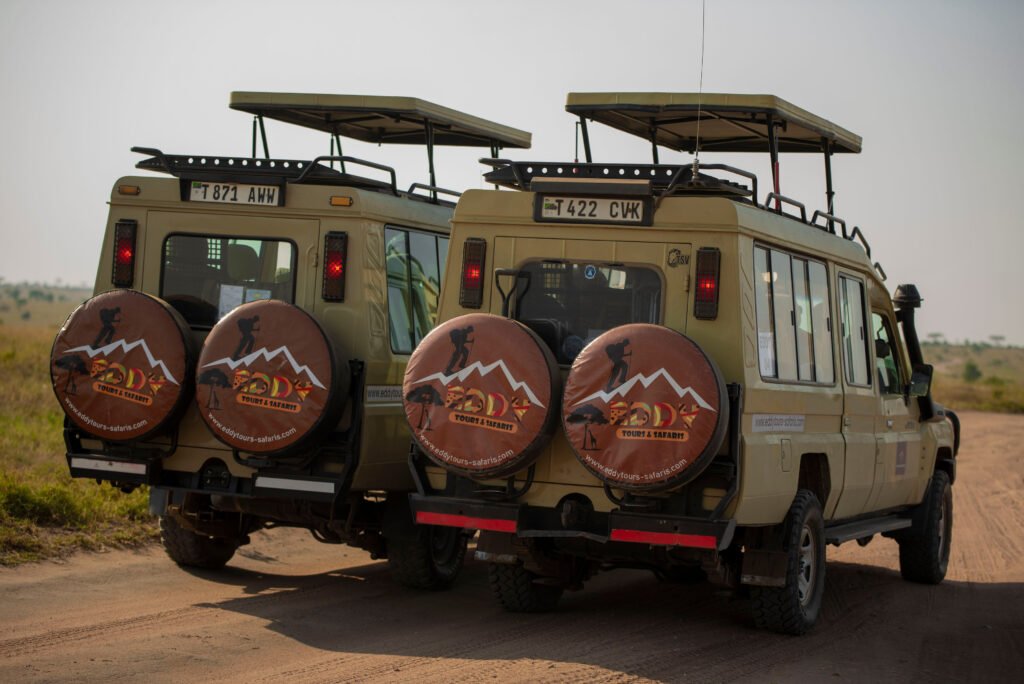
The best safari companies in Tanzania bigger operators and business transparency
Transparency is essential when assessing The best safari companies in Tanzania bigger operators. Governance and accountability research published by Transparency International highlights how clear contracts, honest pricing and fair procurement reduce exploitation within tourism supply chains.
Large operators often sell through international agents, which can create pricing layers and reduce direct communication between guests and field teams. Smaller operators typically provide clearer information about inclusions, park fees and accommodation standards from the first contact.
The best safari companies in Tanzania bigger operators and vehicle standards
Transport quality plays a direct role in evaluating The best safari companies in Tanzania bigger operators. Road safety initiatives coordinated by the World Health Organization Road Safety Programme and energy efficiency guidance published by the International Energy Agency show how vehicle maintenance and driver training influence accident risk and environmental impact.
Bigger companies often maintain standardized fleets, but vehicle allocation can change frequently. Local operators who manage smaller fleets usually maintain deeper familiarity with each vehicle’s condition and driver performance.
The best safari companies in Tanzania bigger operators and cultural respect
Cultural sensitivity also defines The best safari companies in Tanzania bigger operators. Heritage protection frameworks promoted by UNESCO and social research initiatives supported by Harvard University research programmes stress respectful engagement with host communities.
Smaller local operators generally prepare visitors more carefully before village visits and cultural activities, ensuring that tourism strengthens local dignity instead of turning communities into attractions.
The best safari companies in Tanzania bigger operators and real trip flexibility
One of the clearest differences in The best safari companies in Tanzania bigger operators appears in flexibility. Large companies follow fixed group schedules designed for high volume. Local operators are usually able to adjust departure times, route sequences and viewing strategies according to wildlife movement and weather conditions.
Travelers who want flexible and carefully paced programs can explore tailored wildlife journeys through Tanzania safari specialists who focus on quality rather than volume.
The best safari companies in Tanzania bigger operators compared to trusted local operators
In practice, The best safari companies in Tanzania bigger operators are not automatically better than professional local companies. Size mainly offers marketing reach and operational scale. Quality comes from guide training, ethical standards, environmental behaviour and community relationships.
Many travelers prefer working directly with Tanzanian operators because communication is clearer and field decisions are made locally. You can review responsible wildlife and adventure programs through locally operated mountain and safari experiences that follow safety and conservation standards.
Choosing responsibly and booking with confidence
Choosing between large operators and trusted local teams should be based on values, not advertising. A responsible safari protects wildlife, respects people and offers meaningful learning experiences rather than rushed sightseeing.
If you would like honest local advice and transparent planning support, you can speak directly with Tanzanian professionals through local safari consultation services. For travelers who value conservation, flexibility and personal service, a well-managed local operator often delivers a richer and more responsible safari than even the biggest brand names.