
Serengeti National Park Safari Guide is created for travelers who want clear and honest answers about when to visit, how to find genuine value for money, and how to choose the right places to stay without harming wildlife or local communities. The Serengeti is not only one of the most famous protected ecosystems in Africa, it is also one of the most scientifically studied landscapes in the world, and your safari decisions directly influence conservation success, animal welfare and the quality of your own experience.
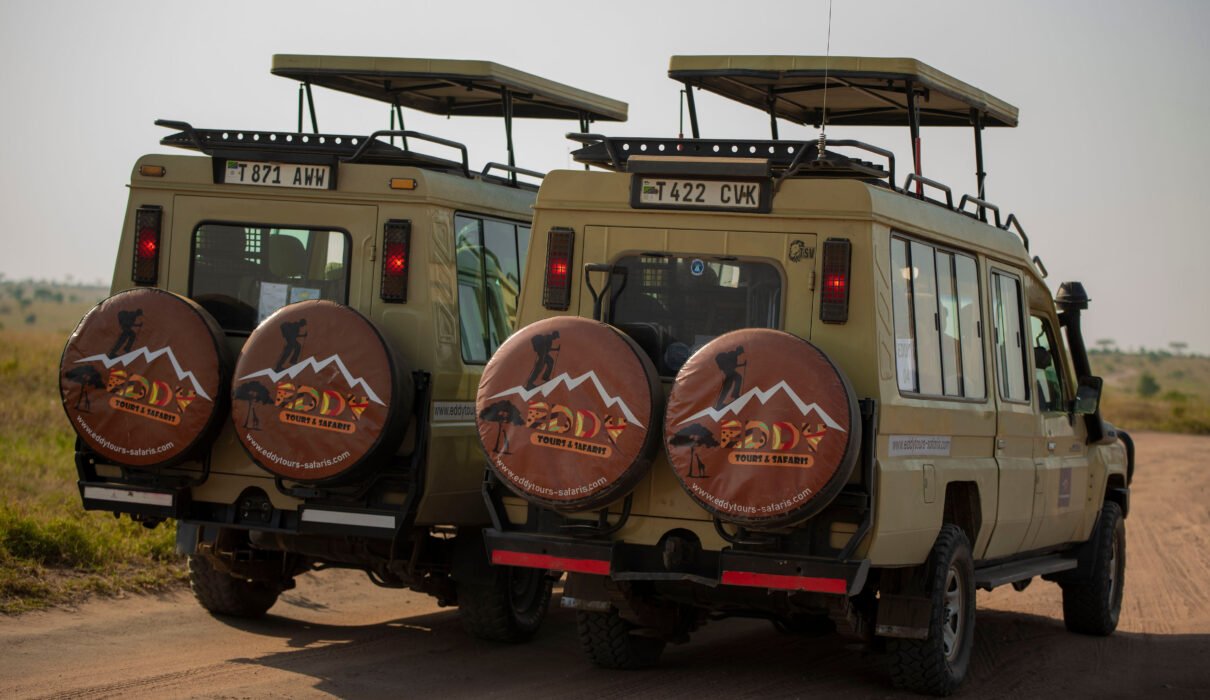
This practical guide is written for visitors who want a balanced safari that respects nature, supports local people and still feels comfortable and well organized. If you are planning your journey with a trusted local company such as Eddy Tours & Safaris, the information below will help you design a safari that is ethical, enjoyable and professionally prepared from start to finish.
Serengeti National Park Safari Guide and why this ecosystem is globally important
The purpose of a professional Serengeti National Park Safari Guide is not only to help visitors plan a trip, but also to explain why this landscape is one of the most important wildlife areas on Earth. The Serengeti ecosystem supports large predator populations and one of the world’s most complex large-mammal migration systems, as confirmed by long-term research and conservation programmes led by the Wildlife Conservation Society, the African Wildlife Foundation and the World Wide Fund for Nature.
Global biodiversity assessments coordinated by the International Union for Conservation of Nature and ecosystem science supported by the Intergovernmental Science-Policy Platform on Biodiversity and Ecosystem Services show that the Serengeti plays a critical role in maintaining ecological balance across northern Tanzania and southern Kenya. This is why responsible safari planning is essential, not optional.
Serengeti National Park Safari Guide – best time to visit explained clearly
A realistic Serengeti National Park Safari Guide must explain that the best time to visit depends on wildlife movement, rainfall patterns and ecological cycles rather than marketing promises. Climate and environmental data analysed by NASA Climate and ecosystem monitoring programmes supported by the United Nations Environment Programme show that rainfall strongly influences grazing patterns, predator distribution and road accessibility inside the park.
Seasonal wildlife research published through Nature Research and field ecology studies shared by ScienceDirect demonstrate that animal movements follow vegetation growth and water availability. A good safari operator uses this scientific understanding to design routes that maximise sightings while avoiding sensitive breeding areas.
Serengeti National Park Safari Guide and the real meaning of the Great Migration
No Serengeti National Park Safari Guide is complete without explaining the Great Migration correctly. Large-scale movement of wildebeest and zebra across the Serengeti–Mara ecosystem has been studied for decades by conservation scientists working with the Wildlife Conservation Society and academic institutions linked to the National Geographic Society.
Research indicates that the migration is driven by rainfall patterns, grass quality and predator pressure rather than fixed calendar periods. This means professional safari planning must remain flexible and should be guided by field intelligence and ranger reports instead of rigid travel schedules.
Serengeti National Park Safari Guide and how to find real safari deals
A trustworthy Serengeti National Park Safari Guide must clearly explain what “best deals” actually mean. A cheap safari that ignores conservation rules, uses poorly maintained vehicles or underpays staff does not create value for travelers or for the park. Tourism impact assessments supported by Conservation International and development research coordinated by the World Bank show that quality operations improve safety, reduce environmental damage and strengthen community support for wildlife protection.
When comparing offers, travelers should focus on guide training, vehicle quality, park compliance and transparent inclusions. Many visitors choose to review professionally designed itineraries through Tanzania safari programs that follow conservation standards and honest pricing structures.
Serengeti National Park Safari Guide and where to stay responsibly
A professional Serengeti National Park Safari Guide also explains how accommodation affects the ecosystem. Research from the United States Geological Survey and land-use planning supported by the Food and Agriculture Organization confirms that poorly placed camps increase erosion, wildlife disturbance and pressure on water sources.
Responsible lodges and camps follow zoning principles promoted by the United Nations Environment Programme and biodiversity management frameworks developed by the IUCN. Staying in facilities that apply waste control, energy efficiency and controlled water use protects the very landscapes guests come to experience.
Serengeti National Park Safari Guide and wildlife viewing ethics
The ethical dimension of a Serengeti National Park Safari Guide is extremely important. Wildlife behaviour studies supported by Panthera and bird conservation research led by BirdLife International show that excessive vehicle pressure alters animal movement and feeding behaviour.
Professional safari guides follow viewing distance rules, limit vehicle numbers at sightings and avoid blocking animal paths. These practices protect wildlife welfare and improve the quality of the viewing experience for everyone.
Serengeti National Park Safari Guide and safety for visitors
A complete Serengeti National Park Safari Guide must also address visitor safety. International travel health guidance provided by the World Health Organization and emergency response frameworks promoted by the International Federation of Red Cross and Red Crescent Societies highlight the need for trained staff, communication systems and clear evacuation procedures in remote wildlife areas.
Well-managed safari operations apply vehicle maintenance and driving standards supported by the International Energy Agency and road-safety programmes coordinated through the WHO Road Safety Programme.
Serengeti National Park Safari Guide and climate responsibility
A modern Serengeti National Park Safari Guide must recognise climate pressure on wildlife systems. Climate assessments produced by the Intergovernmental Panel on Climate Change and environmental trend analysis from NASA Climate demonstrate that shifting rainfall patterns affect grazing cycles and water availability.
Responsible safari operators adjust travel routes and accommodation use to reduce pressure during sensitive ecological periods while still offering high-quality wildlife experiences.
Serengeti National Park Safari Guide and community benefit
A responsible Serengeti National Park Safari Guide also explains how tourism supports local livelihoods. Labour standards promoted by the International Labour Organization and development initiatives supported by Oxfam International show that fair employment improves conservation outcomes and community stability.
When local communities benefit directly from tourism, long-term protection of wildlife corridors becomes socially sustainable.
Serengeti National Park Safari Guide and scientific research support
Another overlooked element of a strong Serengeti National Park Safari Guide is its link to research support. Long-term ecological monitoring relies on access management and disturbance control, as shown by studies published through Nature Research and ecological databases shared on ScienceDirect.
Ethical tourism allows researchers to continue monitoring predator populations, vegetation change and migration patterns without interference.
Serengeti National Park Safari Guide and how to choose the right operator
A practical Serengeti National Park Safari Guide should help travelers choose operators who apply transparent business practices. Governance and integrity research promoted by Transparency International shows that open pricing, clear contracts and honest communication build trust and protect consumers.
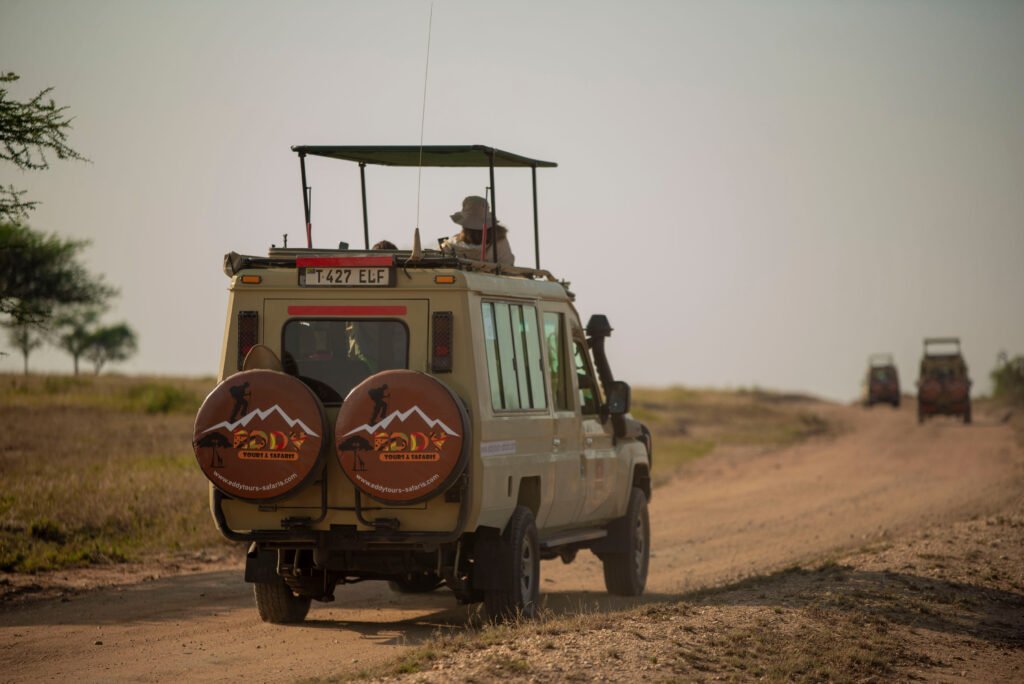
Many visitors prefer working with experienced local teams who understand seasonal wildlife movement and park regulations. You can review reliable safari planning support through Eddy Tours & Safaris and explore flexible route options designed for real wildlife conditions.
Serengeti National Park Safari Guide and combining safari with other experiences
Some travelers use a Serengeti National Park Safari Guide to design combined itineraries that include cultural visits or mountain travel. Outdoor safety frameworks developed by the International Climbing and Mountaineering Federation and leadership standards promoted by the National Outdoor Leadership School show how professional planning improves safety in multi-activity journeys.
If you plan to combine wildlife travel with adventure experiences, you can review structured programmes through Kilimanjaro climbing programs that apply environmental and safety standards.
Serengeti National Park Safari Guide and personalised local planning
A strong Serengeti National Park Safari Guide always encourages direct communication with local experts. Local teams receive daily field updates, ranger reports and road condition information that international resellers simply do not have.
For tailored route planning, accommodation advice and honest budget guidance, travelers can speak directly with local specialists through professional safari consultation support.
Why this Serengeti National Park Safari Guide helps you travel responsibly
A safari in the Serengeti should be more than a checklist of animals. A carefully prepared Serengeti National Park Safari Guide helps you travel in a way that protects wildlife, supports science and strengthens communities while still offering unforgettable encounters with one of the world’s most remarkable ecosystems.
By choosing responsible operators, ethical accommodation and informed travel timing, your journey becomes part of a wider conservation effort that protects the Serengeti for future generations while giving you a meaningful and comfortable safari experience.