
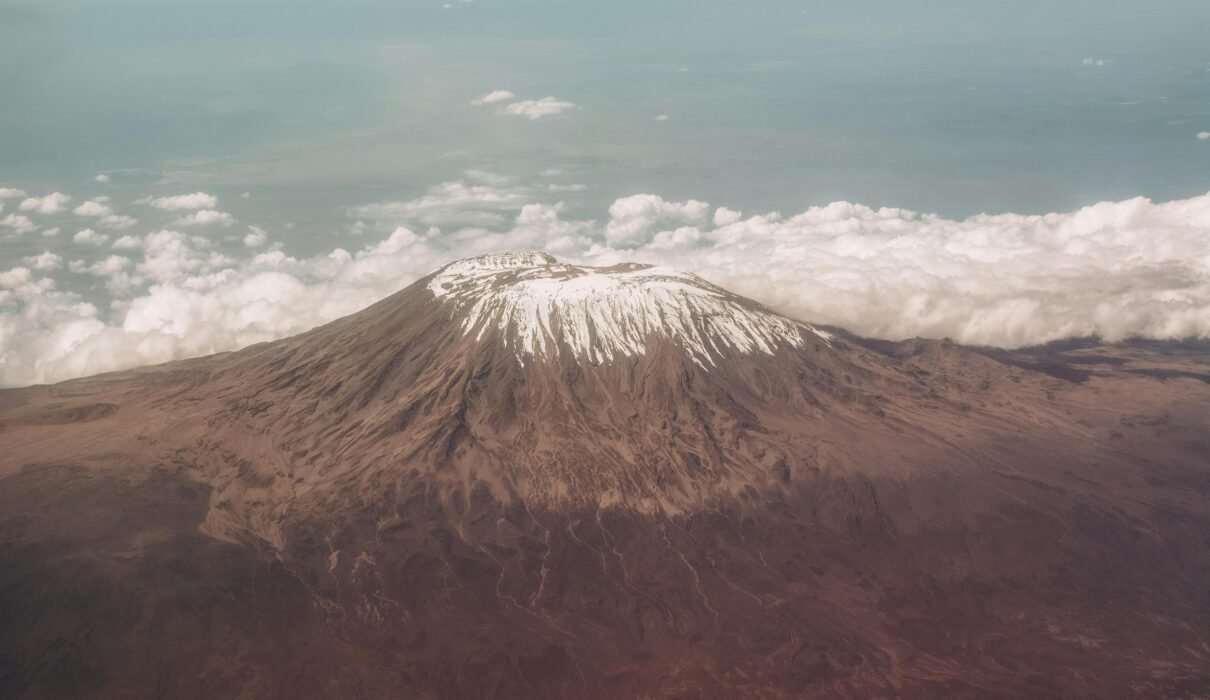
Historical Climbs of Kilimanjaro: Famous Expeditions reveal how one silent volcano in East Africa slowly became one of the most recognized mountains on Earth. Long before modern trekking routes and comfortable mountain camps existed, early explorers, scientists and local guides faced isolation, limited equipment and almost no medical knowledge when attempting to understand and reach the highest point of the continent.
This story is not only about reaching the summit. It is about discovery, science, mapping, climate observation and cultural exchange. Today, travelers who climb with professional local operators such as Eddy Tours & Safaris follow in the footsteps of those early journeys, but with far better safety systems and conservation awareness shaped by modern research and environmental protection.
Historical Climbs of Kilimanjaro: Famous Expeditions and early scientific discovery
To understand Historical Climbs of Kilimanjaro: Famous Expeditions, it is important to see Kilimanjaro not only as a climbing destination but as a scientific landmark. Early expeditions helped reveal East Africa’s volcanic history, glacial features and high-altitude ecosystems. Geological and environmental research published by the United States Geological Survey continues to build on these early observations, helping scientists understand how the mountain was formed and how its landscape continues to change.
Global biodiversity research institutions such as the International Union for Conservation of Nature and ecosystem assessment programs supported by the United Nations Environment Programme recognize Kilimanjaro as an important reference site for mountain ecology and conservation planning.
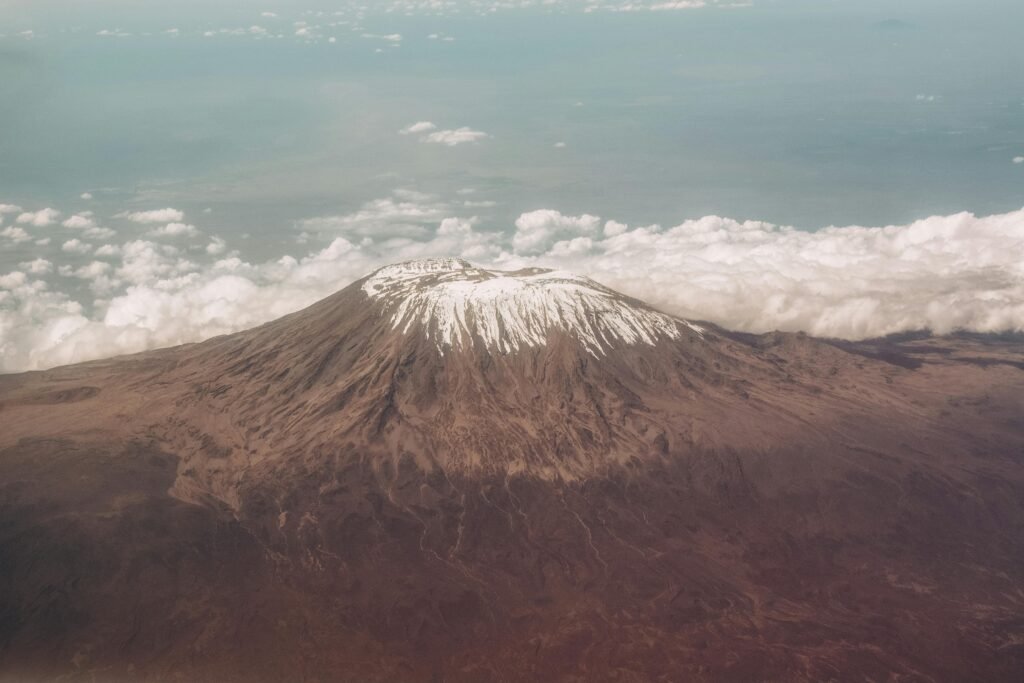
Historical Climbs of Kilimanjaro: Famous Expeditions and early mapping of East Africa
Many chapters of Historical Climbs of Kilimanjaro: Famous Expeditions were driven by the need to map unknown landscapes. Cartographic and geographical research promoted by institutions such as the Royal Geographical Society and academic studies archived through the British Museum show how early explorers attempted to document terrain, water sources and settlement patterns around the mountain.
These early mapping efforts laid the foundation for modern geographic information systems and conservation zoning used today by environmental planners and protected-area managers.
Historical Climbs of Kilimanjaro: Famous Expeditions and climate observation
The importance of Historical Climbs of Kilimanjaro: Famous Expeditions also lies in their contribution to climate observation. Kilimanjaro’s glaciers attracted early scientific attention because of their unexpected presence so close to the equator. Climate studies published through NASA Climate and long-term assessments coordinated by the Intergovernmental Panel on Climate Change now use historical records from mountain expeditions to track environmental change.
Global research databases such as PubMed and environmental science archives available through ScienceDirect show how mountain environments act as sensitive indicators of broader climate trends.
Historical Climbs of Kilimanjaro: Famous Expeditions and cultural encounters
Beyond science, Historical Climbs of Kilimanjaro: Famous Expeditions also tell the story of early cultural encounters between local communities and foreign explorers. Cultural heritage protection frameworks promoted by UNESCO highlight the importance of preserving oral histories, traditional knowledge and cultural landscapes linked to the mountain.
Anthropological research supported by academic institutions such as Harvard University research programmes continues to examine how early expeditions influenced trade, migration and social structures around Kilimanjaro.
Historical Climbs of Kilimanjaro: Famous Expeditions and medical learning
One of the lesser-known contributions of Historical Climbs of Kilimanjaro: Famous Expeditions is medical learning related to altitude and endurance. Early climbers reported symptoms that today form the foundation of high-altitude medicine. Clinical research published through the U.S. National Library of Medicine and reviews indexed on PubMed show how modern medical guidance evolved from early field observations.
Medical organizations such as the Centers for Disease Control and Prevention and the International Society for Mountain Medicine now provide clear advice that would have dramatically improved safety for those early expeditions.
Historical Climbs of Kilimanjaro: Famous Expeditions and environmental awareness
The legacy of Historical Climbs of Kilimanjaro: Famous Expeditions also contributed to modern environmental awareness. Conservation organizations such as the World Wide Fund for Nature, the African Wildlife Foundation and Conservation International highlight how exploration helped reveal the global importance of East Africa’s biodiversity.
Research-based conservation frameworks promoted by the Food and Agriculture Organization now guide sustainable land use and ecosystem protection around mountain regions.
Historical Climbs of Kilimanjaro: Famous Expeditions and wildlife research
Scientific expeditions connected to Historical Climbs of Kilimanjaro: Famous Expeditions also supported wildlife research in surrounding ecosystems. Institutions such as Wildlife Conservation Society and global bird monitoring initiatives coordinated by BirdLife International rely on long-term ecological data collected in protected landscapes near Kilimanjaro.
Predator and large mammal research programs supported by Panthera use historical distribution records to better understand habitat change and conservation priorities.
Historical Climbs of Kilimanjaro: Famous Expeditions and leadership development
Another influence of Historical Climbs of Kilimanjaro: Famous Expeditions can be seen in modern expedition leadership training. Outdoor leadership and risk management research shared through National Outdoor Leadership School and mountaineering safety standards promoted by the International Climbing and Mountaineering Federation are rooted in lessons learned from early exploration challenges.
Leadership decision-making, team coordination and ethical responsibility have become essential components of professional guiding today.
Historical Climbs of Kilimanjaro: Famous Expeditions and global education
The stories behind Historical Climbs of Kilimanjaro: Famous Expeditions continue to inspire global education and research. Academic publishing platforms such as Nature Research and ScienceDirect support knowledge sharing across environmental science, medicine and cultural studies.
These open research networks allow new generations of scientists and conservation practitioners to build upon early fieldwork conducted on Kilimanjaro.
Historical Climbs of Kilimanjaro: Famous Expeditions and responsible tourism today
Modern travelers engaging with Historical Climbs of Kilimanjaro: Famous Expeditions do so within a very different ethical framework. Today’s climbs are designed to protect fragile ecosystems and respect local communities. Professional itineraries such as those offered through Kilimanjaro climbing programs integrate conservation guidelines, health monitoring and environmental protection measures that were not available to early explorers.
Visitors interested in combining historical learning with responsible travel can also explore wildlife and cultural routes through Tanzania safari programs designed to support conservation and community development.
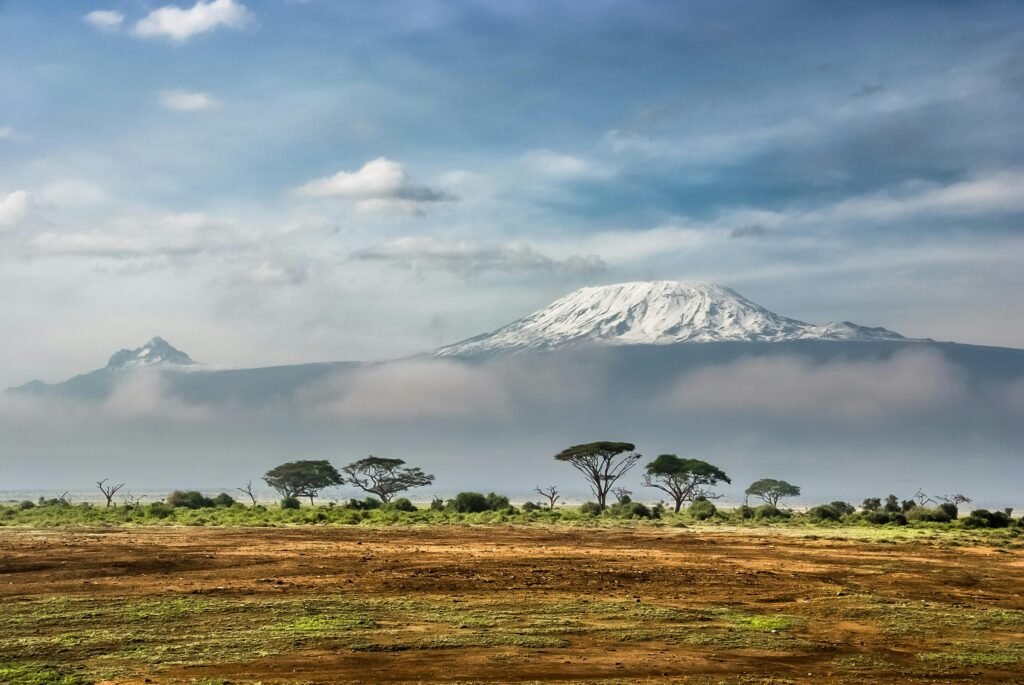
Historical Climbs of Kilimanjaro: Famous Expeditions and your own journey
Understanding Historical Climbs of Kilimanjaro: Famous Expeditions adds deeper meaning to your own climb. You are not simply walking a trail. You are following a pathway shaped by science, culture and global environmental learning over many decades.
For travelers seeking accurate historical context, professional guidance and responsible operations, direct consultation with local experts is available through local Kilimanjaro specialists who understand both the mountain’s past and its future.
Why the history of Kilimanjaro still matters today
The legacy of Historical Climbs of Kilimanjaro: Famous Expeditions continues to influence conservation policy, scientific research and ethical travel practice. These early journeys created the foundation for today’s environmental monitoring, medical safety protocols and cultural heritage protection.
By choosing to travel responsibly and learn about the mountain’s deeper story, you become part of a living history that protects Kilimanjaro for future generations while honoring those who helped reveal its global importance.