
Tracking Leopards in Tanzania’s Remote Parks is one of the most fascinating and challenging wildlife experiences in East Africa, because leopards are secretive, highly intelligent and perfectly adapted to disappearing into dense bush, rocky kopjes and riverine forests. Unlike lions and elephants, leopards rarely announce their presence, and even in healthy ecosystems their movements remain largely invisible unless you understand their behaviour, their preferred habitat and the scientific work that supports modern wildlife tracking.
This guide explains how professional field knowledge, conservation research and responsible tourism combine to make leopard encounters possible in Tanzania’s least crowded and most authentic parks. When your journey is designed with experienced local specialists such as Eddy Tours & Safaris, your safari becomes more than a game drive – it becomes a respectful and informed exploration of one of Africa’s most mysterious predators.
Tracking Leopards in Tanzania’s Remote Parks and the science behind leopard behaviour
Understanding Tracking Leopards in Tanzania’s Remote Parks begins with scientific knowledge of leopard ecology. Research by the Panthera organisation and long-term monitoring by the Wildlife Conservation Society show that leopards rely heavily on camouflage, solitary movement and flexible hunting strategies that vary between habitats. Their ability to adjust to woodland, rocky hills and riverine forests explains why sightings depend more on habitat reading than simple luck.
Studies shared through the International Union for Conservation of Nature and species assessments published by the Nature Research network confirm that leopards maintain large and overlapping home ranges. This makes skilled interpretation of tracks, scent-marking trees and movement corridors essential for locating individuals without disturbing their natural behaviour.
Tracking Leopards in Tanzania’s Remote Parks and why remote landscapes matter
The success of Tracking Leopards in Tanzania’s Remote Parks depends strongly on low human pressure and intact ecosystems. Conservation mapping projects supported by Conservation International and landscape connectivity studies coordinated by World Wide Fund for Nature show that large, undisturbed habitats allow predators to move freely between feeding, resting and breeding zones.
Environmental monitoring carried out by the United States Geological Survey and protected-area planning research by the United Nations Environment Programme confirm that remote parks maintain healthier prey populations. This stability increases leopard activity and improves the chances of observing natural hunting and resting behaviour without crowding or vehicle pressure.
Tracking Leopards in Tanzania’s Remote Parks through conservation research partnerships
Modern Tracking Leopards in Tanzania’s Remote Parks benefits directly from scientific collaboration. Long-term carnivore studies published through ScienceDirect and open data shared by the Global Biodiversity Information Facility help researchers identify habitat preferences, activity peaks and prey selection patterns.
Field research supported by the African Wildlife Foundation and monitoring frameworks developed by IPBES strengthen understanding of how predator populations respond to land-use change and human activity. These insights directly guide responsible safari planning in remote regions.
Tracking Leopards in Tanzania’s Remote Parks and reading the landscape
Professional Tracking Leopards in Tanzania’s Remote Parks relies on interpreting small but meaningful signs left behind in the environment. Vegetation mapping and habitat classification studies supported by the Food and Agriculture Organization show how riverine forests, thickets and rocky escarpments offer ideal ambush zones and resting platforms for leopards.
Geospatial habitat research developed by the National Geographic Society and landscape ecology studies published through the Frontiers in Ecology and Evolution journal demonstrate how predators follow natural corridors that link water, prey and shelter. Expert guides quietly scan these corridors rather than driving randomly through open plains.
Tracking Leopards in Tanzania’s Remote Parks and ethical wildlife viewing
Responsible Tracking Leopards in Tanzania’s Remote Parks must never interfere with the animal’s behaviour. Ethical wildlife tourism standards promoted by the BirdLife International partnership and wildlife disturbance studies coordinated by the Wildlife Conservation Society demonstrate that repeated vehicle pressure can disrupt feeding and breeding routines.
Global conservation guidelines developed by IUCN Protected Areas and visitor impact research supported by the OECD Environment Directorate confirm that controlled visitor behaviour protects predator health and long-term ecosystem balance.
Tracking Leopards in Tanzania’s Remote Parks with skilled local guides
The heart of successful Tracking Leopards in Tanzania’s Remote Parks lies in the skill of local guides who work daily in these environments. Field training models promoted by the National Outdoor Leadership School and decision-making research published by Nature Ecology show that experienced field leaders read animal behaviour more accurately than technology alone.
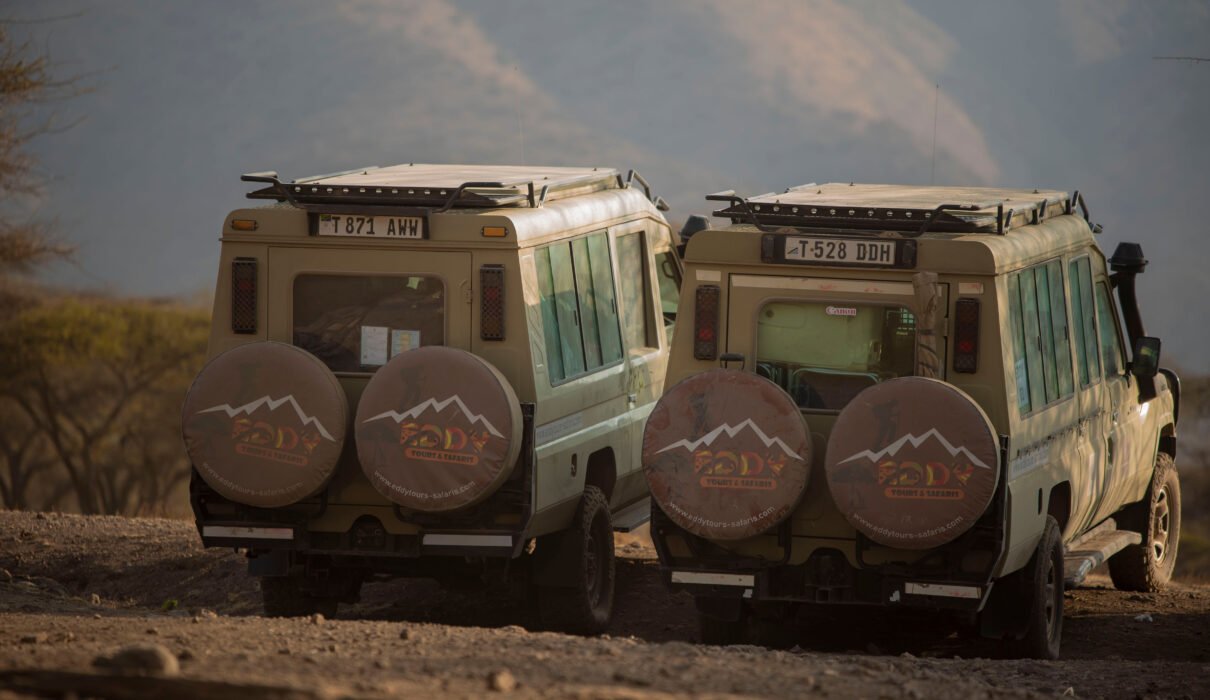
When your safari is organised through experienced Tanzanian specialists such as local wildlife safari programs, your guide understands seasonal movements, vegetation changes and subtle predator signs that rarely appear on standard tourist routes.
Tracking Leopards in Tanzania’s Remote Parks and climate influence on sightings
Climate patterns strongly affect Tracking Leopards in Tanzania’s Remote Parks. Climate research published by NASA Climate and regional assessments prepared by the Intergovernmental Panel on Climate Change show that rainfall variability influences prey distribution and vegetation density.
Environmental change studies coordinated by the UNEP Climate Action Programme highlight that shifting water availability alters predator movement corridors. Skilled safari planning adapts daily routes according to recent weather patterns and habitat condition.
Tracking Leopards in Tanzania’s Remote Parks and community protection of wildlife
Successful Tracking Leopards in Tanzania’s Remote Parks is closely linked to community support. Social conservation research supported by the International Labour Organization and community livelihood studies published by Oxfam International demonstrate that fair tourism employment improves tolerance toward predators and reduces human-wildlife conflict.
Development and conservation partnerships coordinated by the World Bank Environment Programme further show that sustainable tourism revenue strengthens local support for protected areas and wildlife protection initiatives.
Tracking Leopards in Tanzania’s Remote Parks and safety in isolated areas
Because Tracking Leopards in Tanzania’s Remote Parks often takes place far from major infrastructure, safety systems are essential. International field safety frameworks promoted by the World Health Organization and emergency coordination standards developed by the International Federation of Red Cross and Red Crescent Societies emphasise reliable communication and trained response teams.
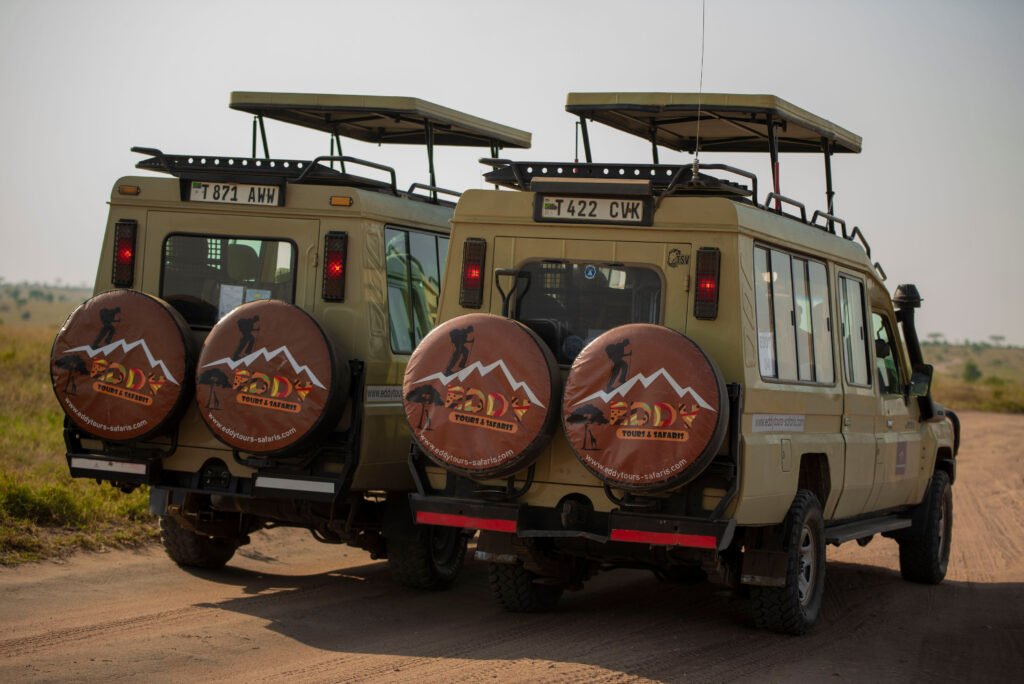
Professional safari vehicles, navigation systems and first-aid readiness ensure that wildlife exploration never compromises guest wellbeing or conservation responsibilities.
Tracking Leopards in Tanzania’s Remote Parks as a learning experience
Beyond sightings, Tracking Leopards in Tanzania’s Remote Parks becomes a powerful learning opportunity. Education initiatives supported by UNESCO Education and ecological literacy programs promoted by the National Geographic Education network show that informed visitors develop deeper respect for wildlife and conservation challenges.
By understanding predator behaviour, ecosystem balance and research methods, visitors leave with knowledge that extends far beyond photography.
Tracking Leopards in Tanzania’s Remote Parks with responsible travel planning
Thoughtful planning transforms Tracking Leopards in Tanzania’s Remote Parks into a truly meaningful journey. Carefully selected routes, limited driving hours and respectful viewing distances protect both animals and landscapes.
You can explore professionally designed wildlife itineraries through trusted local safari specialists who integrate conservation principles and realistic expectations into every program.
Why Tracking Leopards in Tanzania’s Remote Parks is truly special
In the end, Tracking Leopards in Tanzania’s Remote Parks is not about chasing an animal. It is about quietly understanding how wilderness works, how science guides protection and how responsible travel supports the future of one of Africa’s most elusive predators.
If you would like personalised advice on remote-park safaris and conservation-focused wildlife experiences, you can speak directly with local experts through direct safari consultation support or combine your wildlife journey with extended programs available via responsible adventure extensions. Your journey into leopard territory deserves careful planning, deep respect and experienced local guidance.