
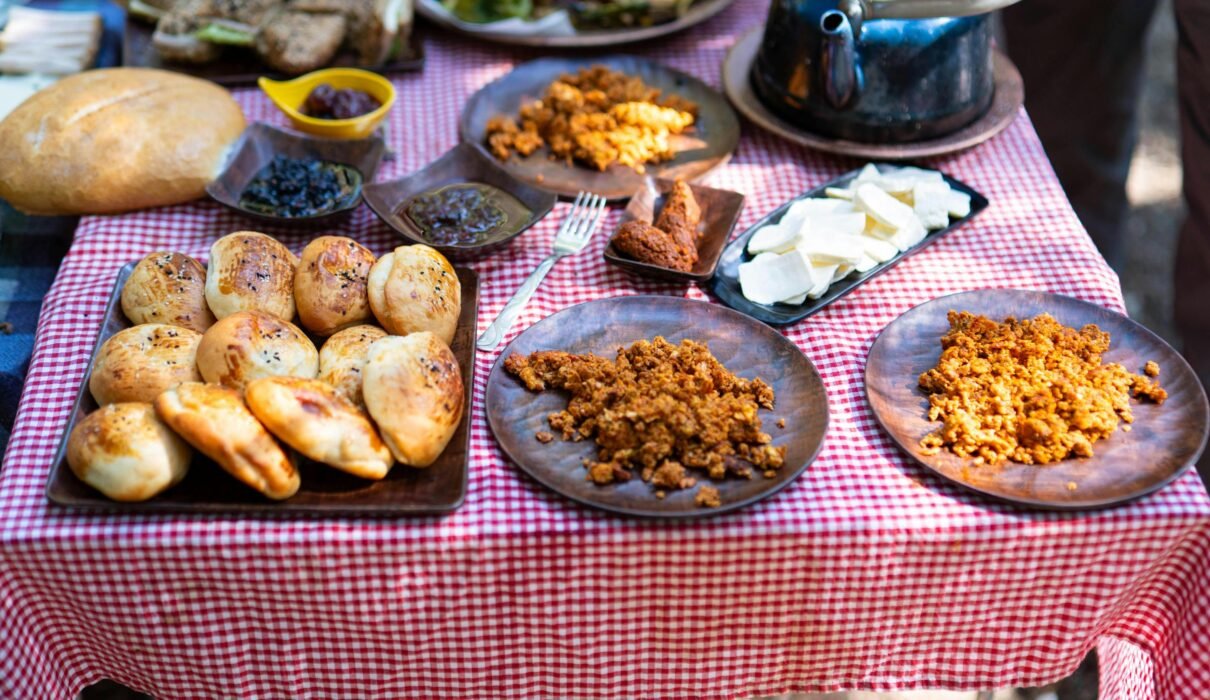
Local Street Food Experiences in Dar es Salaam are one of the most honest and unforgettable ways to understand the real life of Tanzania’s largest city, because every grilled skewer, fried snack and fresh juice stall tells a story about culture, trade, migration and daily survival in a fast-growing coastal metropolis. Street food is not only about taste. It reflects how communities work, how families earn income, and how urban food systems support millions of people every day.
In this guide, you will discover how food safety, environmental responsibility and community wellbeing shape the street food culture of Dar es Salaam. If you plan to explore the city with a trusted local company such as Eddy Tours & Safaris, these insights will help you enjoy authentic meals with confidence while respecting the people who prepare them.
Local Street Food Experiences in Dar es Salaam and the culture behind every meal
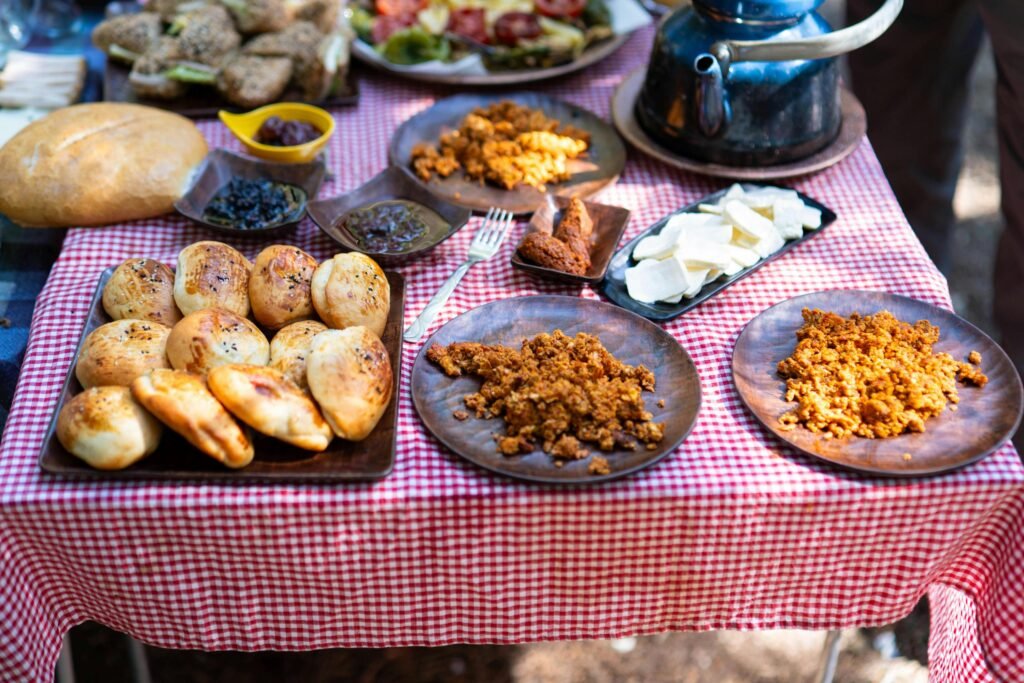
Local Street Food Experiences in Dar es Salaam represent more than quick meals on busy streets. They are deeply connected to Swahili heritage, Indian Ocean trade routes and rural-to-urban migration patterns that have shaped the city for generations. Cultural heritage frameworks promoted by UNESCO recognize food traditions as part of living cultural heritage that deserves protection and respect, especially in rapidly growing cities.
Food systems research supported by the World Bank shows that informal food markets are essential for food access among low- and middle-income households. Street vendors in Dar es Salaam provide affordable nutrition to office workers, students and transport operators who depend on fast and familiar meals during long working days.
Local Street Food Experiences in Dar es Salaam and public health awareness
Local Street Food Experiences in Dar es Salaam are strongly connected to public health, especially in busy urban areas where food is prepared outdoors. The World Health Organization explains that good hygiene, safe water and clean food handling practices are essential for preventing food-borne illnesses in informal food systems.
Global food safety guidance from the Food and Agriculture Organization and community health protection programs supported by UNICEF highlight the importance of vendor training, clean utensils and proper storage, especially in warm coastal climates such as Dar es Salaam. When travelers choose busy stalls with fresh turnover and visible hygiene practices, they significantly reduce health risks.
Local Street Food Experiences in Dar es Salaam and urban nutrition
Local Street Food Experiences in Dar es Salaam also play a role in urban nutrition. Research initiatives led by the Global Alliance for Improved Nutrition show that street foods contribute to daily calorie and micronutrient intake for many urban residents. Small vendors help close food access gaps in areas where supermarkets or formal restaurants are limited.
Nutrition and public health studies published through the Centers for Disease Control and Prevention emphasize that balanced diets depend not only on availability but also on food diversity. In Dar es Salaam, grilled maize, fresh coconut, chapati, cassava snacks and seafood provide varied energy sources that support daily work and school routines.
Local Street Food Experiences in Dar es Salaam and environmental responsibility
Local Street Food Experiences in Dar es Salaam interact directly with the urban environment. Waste management, plastic use and water access influence both public health and coastal ecosystems. The United Nations Environment Programme highlights that poorly managed food waste contributes to drainage blockage, flooding and marine pollution in coastal cities.
Environmental monitoring programs supported by the World Resources Institute and freshwater protection initiatives from WaterAid show how clean water access and responsible waste handling protect communities and reduce disease risks in dense urban areas.
Local Street Food Experiences in Dar es Salaam and the ocean connection
Local Street Food Experiences in Dar es Salaam are closely linked to the Indian Ocean, especially through fresh fish, prawns and octopus sold in coastal neighborhoods. Sustainable fisheries principles promoted by the World Wide Fund for Nature and marine conservation science supported by NOAA Fisheries stress that responsible fishing protects future food security.
Climate and marine ecosystem research from NASA Climate and vulnerability assessments published by the Intergovernmental Panel on Climate Change show how warming seas and changing weather patterns affect coastal fish stocks that many street vendors rely on.
Local Street Food Experiences in Dar es Salaam and community livelihoods
Local Street Food Experiences in Dar es Salaam support thousands of families who depend on small-scale food vending as their main source of income. Labour and employment standards promoted by the International Labour Organization recognize informal food businesses as important contributors to urban economies and women’s employment.
Social protection and community resilience programs supported by International Federation of Red Cross and Red Crescent Societies and the International Red Cross demonstrate how stable livelihoods strengthen food security and disaster preparedness in fast-growing cities like Dar es Salaam.
Local Street Food Experiences in Dar es Salaam and trust in local systems
Local Street Food Experiences in Dar es Salaam rely heavily on trust between vendors and customers. Transparent business practices and community accountability frameworks promoted by Transparency International show that fair pricing and ethical practices strengthen public confidence in local markets.
Urban development research conducted by the Harvard University research programmes highlights how trust within informal economies allows neighborhoods to function efficiently, even when formal regulation systems are limited.
Local Street Food Experiences in Dar es Salaam and climate-smart cities
Local Street Food Experiences in Dar es Salaam are increasingly influenced by climate pressures such as heat waves and water shortages. Climate resilience strategies promoted by the World Bank Climate Change Programme encourage cities to integrate food systems into urban planning.
Urban sustainability initiatives coordinated by the International Union for Conservation of Nature demonstrate how greener infrastructure, improved drainage and waste systems protect both street vendors and consumers.
Local Street Food Experiences in Dar es Salaam and responsible travel choices
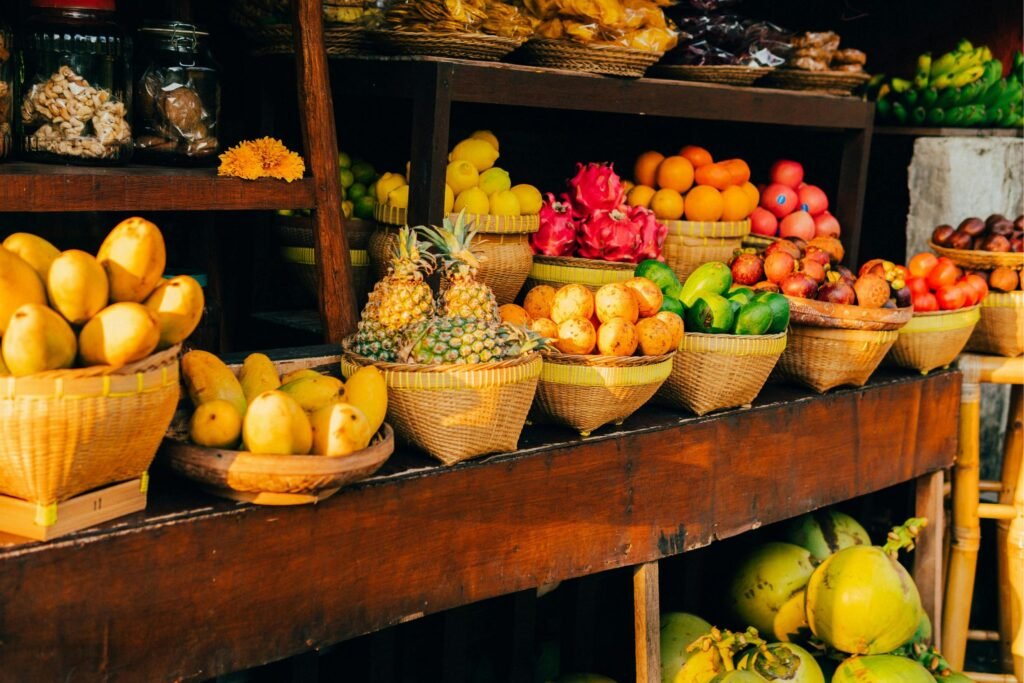
Local Street Food Experiences in Dar es Salaam become more meaningful when travelers make responsible choices. Choosing busy stalls, observing food handling, and respecting local customs protect both visitors and vendors. International food safety risk assessments developed by the European Food Safety Authority highlight how simple hygiene awareness reduces exposure to common food risks.
When exploring Dar es Salaam, travelers can combine food discovery with professionally guided cultural visits through local cultural and city experiences that support ethical community engagement.
Local Street Food Experiences in Dar es Salaam and your wider Tanzania journey
Local Street Food Experiences in Dar es Salaam often inspire travelers to explore more of Tanzania’s cultural and natural heritage. Street food introduces flavors, languages and social habits that deepen appreciation for rural markets, coastal fishing villages and inland farming communities.
Many visitors continue their journey to national parks and heritage landscapes using professional local services such as trusted safari planning support that connect urban culture with wildlife conservation experiences.
Local Street Food Experiences in Dar es Salaam and learning through travel
Local Street Food Experiences in Dar es Salaam create powerful learning moments, especially when travelers understand the science, health and sustainability behind what they eat. Environmental education initiatives promoted by the National Geographic Society show that experiential learning strengthens public awareness of food systems and conservation challenges.
By combining culinary exploration with responsible travel planning, visitors gain a deeper connection to Tanzania beyond traditional sightseeing routes.
Plan your Local Street Food Experiences in Dar es Salaam with local experts
Local Street Food Experiences in Dar es Salaam are best enjoyed with guidance from people who understand the city’s neighborhoods, transport patterns and food culture. Local experts help you move confidently, respect community norms and discover authentic flavors that visitors often miss.
For personalized city experiences and safe cultural exploration, travelers can speak directly with local professionals through local travel consultation support, ensuring your food journey fits naturally into your wider Tanzania travel plans.
Why Local Street Food Experiences in Dar es Salaam stay with you
Local Street Food Experiences in Dar es Salaam are not just about eating. They are about connection, trust, resilience and daily life in one of East Africa’s most dynamic cities. Through simple meals prepared on open grills and small carts, you witness how communities adapt, support one another and protect cultural identity in a changing world.
By choosing responsible operators, supporting local vendors and respecting public health and environmental practices, your food adventure becomes part of a wider effort to build sustainable and inclusive urban tourism across Tanzania.