
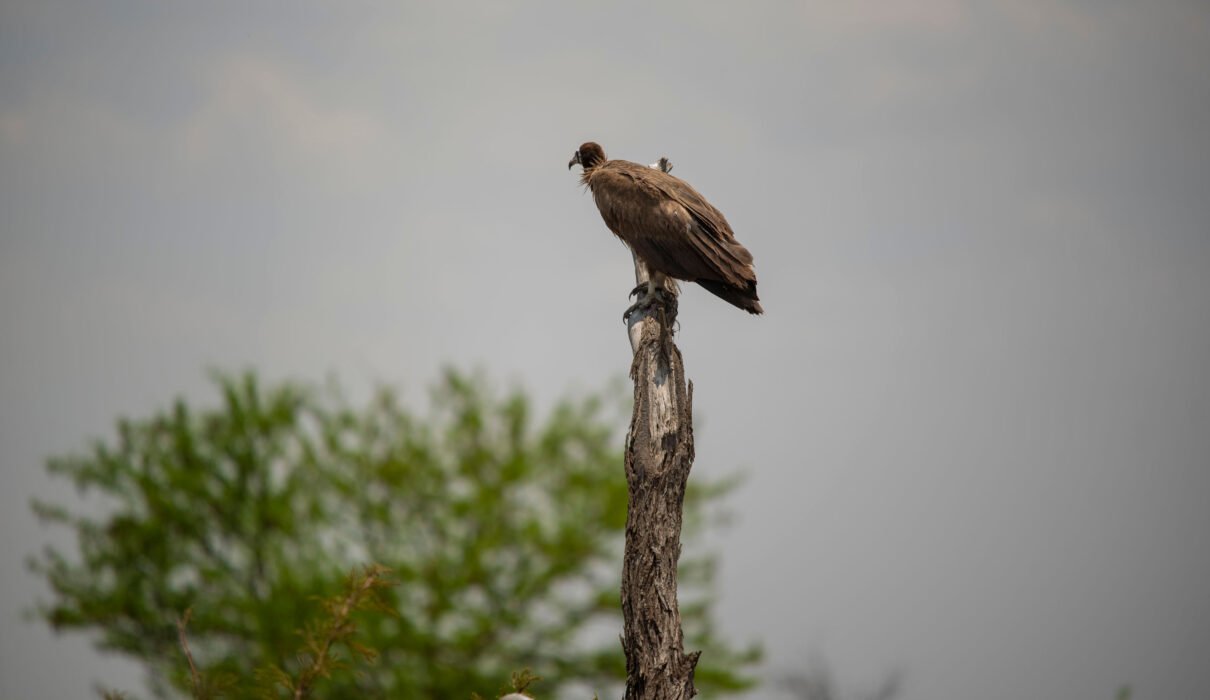
Birdwatching in Mkomazi National Park, Pare, and Usambara Mountains offers one of the most rewarding and least crowded birding journeys in northern Tanzania, where dry savannah, rocky hills and ancient montane forests come together to create outstanding habitat diversity for resident and migratory bird species. This route is perfect for travelers who want a calm, focused and meaningful birding experience, far from busy safari circuits and mass tourism pressure.
Unlike many well-known birding destinations, this landscape allows you to move slowly and listen carefully to forest calls, watch open-country raptors glide above dry plains and follow riverine corridors where rare and localized species hide quietly in thick vegetation. When planned carefully with experienced local specialists such as Eddy Tours & Safaris, this journey becomes a true conservation-focused experience rather than only a sightseeing trip.
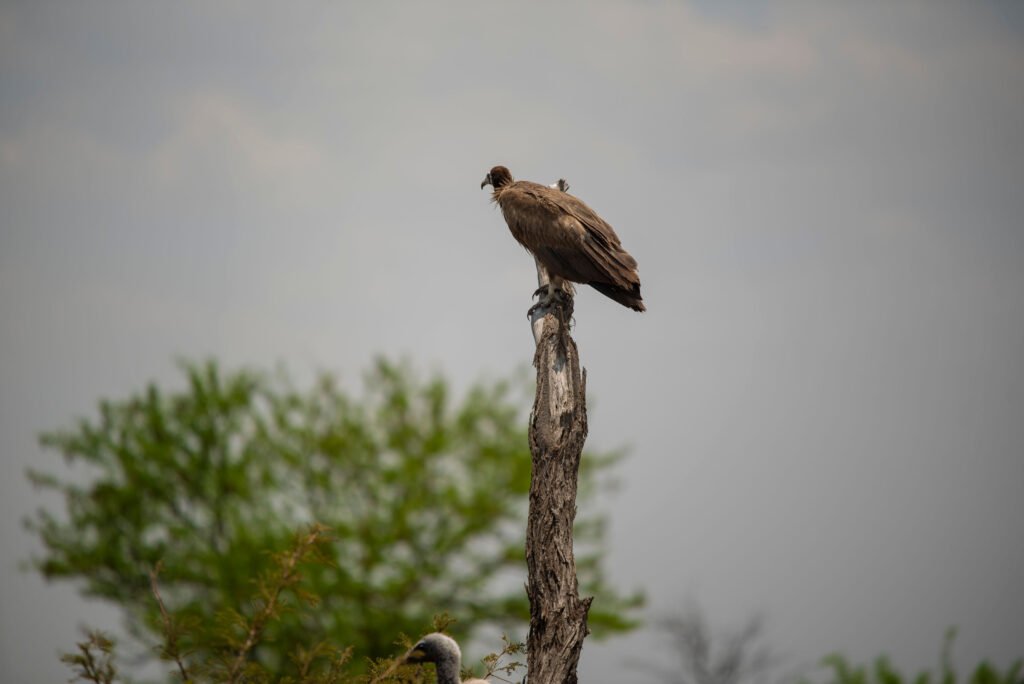
Birdwatching in Mkomazi National Park, Pare, and Usambara Mountains and why this region matters for birds
Understanding Birdwatching in Mkomazi National Park, Pare, and Usambara Mountains begins with recognizing the ecological value of this landscape. The mountains and surrounding plains form part of the globally important Eastern Afromontane biodiversity system, recognized by the International Union for Conservation of Nature as a priority conservation region. These habitats connect semi-arid lowlands with moist montane forests, creating natural corridors for both resident birds and seasonal migrants.
Conservation assessments produced by the United Nations Environment Programme and biodiversity research coordinated by the Intergovernmental Science-Policy Platform on Biodiversity and Ecosystem Services clearly show that mixed habitat systems like those found in Mkomazi, Pare and the Usambaras hold exceptionally high bird diversity when protected and responsibly managed.
Birdwatching in Mkomazi National Park, Pare, and Usambara Mountains in Mkomazi’s dry savannah ecosystem
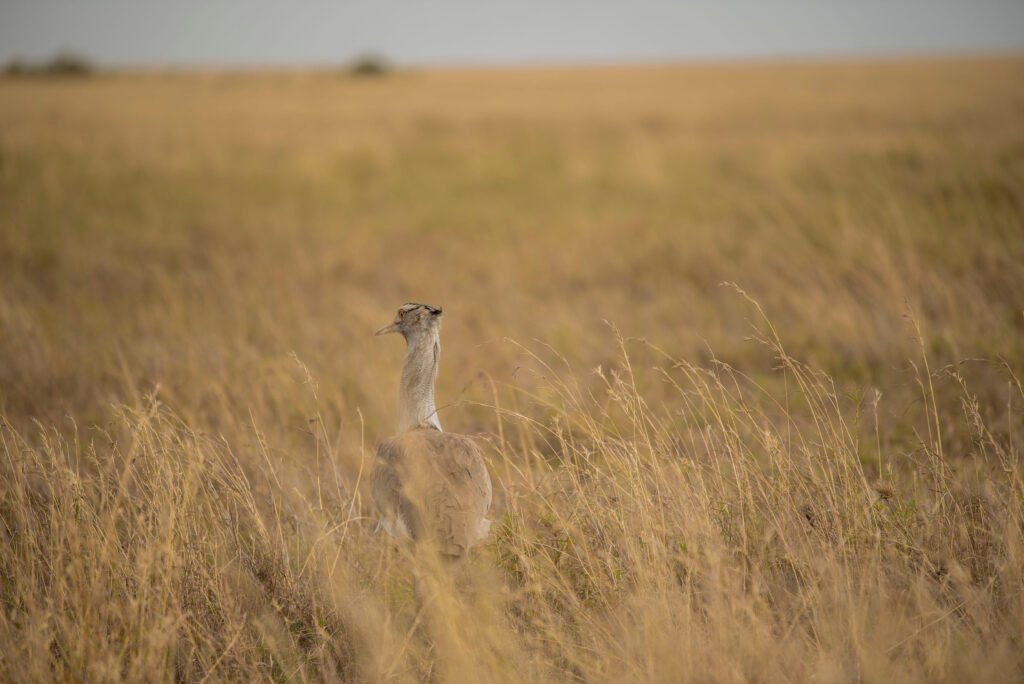
For many visitors, Birdwatching in Mkomazi National Park, Pare, and Usambara Mountains begins in the open landscapes of Mkomazi National Park, where dry woodland and acacia savannah create excellent visibility for large birds and ground-dwelling species. This ecosystem supports a rich mix of raptors, bustards and dry-country specialists that thrive in semi-arid environments.
Regional bird monitoring projects supported by BirdLife International and field research promoted by the African Bird Club confirm that Mkomazi plays a vital role as a refuge for several declining savannah birds. Species distribution records published through the Global Biodiversity Information Facility also show how this park fills an important data gap between coastal and inland bird populations.
Birdwatching in Mkomazi National Park, Pare, and Usambara Mountains along the Pare mountain foothills
The Pare Mountains form a gentle but biologically important transition zone within Birdwatching in Mkomazi National Park, Pare, and Usambara Mountains. Their lower slopes contain dry forest fragments, river valleys and cultivated landscapes where forest-edge birds, seed eaters and insectivores coexist in a remarkably small area.
Habitat studies shared by NatureServe and landscape assessments published by the United States Geological Survey show that mosaic environments like the Pare foothills often support higher functional bird diversity than uniform habitats. Responsible birding here directly supports community-based forest protection efforts that reduce illegal logging and land degradation.
Birdwatching in Mkomazi National Park, Pare, and Usambara Mountains inside the Usambara forest reserves
Forest lovers are especially drawn to Birdwatching in Mkomazi National Park, Pare, and Usambara Mountains because of the globally famous Usambara Mountains, known for their high number of endemic and range-restricted bird species. The cool, misty montane forests shelter rare birds that are difficult to observe anywhere else in East Africa.
Scientific research published through ScienceDirect and peer-reviewed conservation studies available via Nature Research highlight the exceptional endemism of the Eastern Arc forests. Long-term monitoring by the Cornell Lab of Ornithology and data contributions to eBird continue to improve understanding of species distribution in these fragile forests.
Birdwatching in Mkomazi National Park, Pare, and Usambara Mountains and conservation partnerships
A responsible approach to Birdwatching in Mkomazi National Park, Pare, and Usambara Mountains directly supports long-term conservation initiatives. Global conservation organizations such as World Wide Fund for Nature, African Wildlife Foundation and Wildlife Conservation Society actively promote sustainable tourism as a tool to protect sensitive habitats and generate local income for conservation.
Mapping and habitat protection programmes coordinated by UNEP World Conservation Monitoring Centre demonstrate how birding destinations, when properly managed, can strengthen protection of forest corridors and water catchments that benefit both wildlife and surrounding communities.
Birdwatching in Mkomazi National Park, Pare, and Usambara Mountains and climate influences
Climate patterns play a visible role in Birdwatching in Mkomazi National Park, Pare, and Usambara Mountains, especially in seasonal movements and breeding cycles. Climate research published by NASA Climate and regional climate assessments by the Intergovernmental Panel on Climate Change show how rainfall variability influences insect abundance, flowering periods and water availability for birds.
Understanding these changes helps professional birding guides plan daily routes more responsibly, reducing pressure on sensitive sites during vulnerable nesting and feeding periods.
Birdwatching in Mkomazi National Park, Pare, and Usambara Mountains and responsible sound and observation practices
Ethical behavior is essential during Birdwatching in Mkomazi National Park, Pare, and Usambara Mountains, particularly in forest environments where playback and repeated disturbance can affect breeding success. Best-practice guidelines promoted by the National Audubon Society and recording ethics supported by Xeno-canto emphasize minimal disturbance, quiet observation and careful positioning.
Following these standards allows visitors to observe natural behavior and supports scientific recording efforts that benefit long-term bird population studies.
Birdwatching in Mkomazi National Park, Pare, and Usambara Mountains and scientific value of your observations
Every well-documented sighting during Birdwatching in Mkomazi National Park, Pare, and Usambara Mountains contributes to wider conservation knowledge. Citizen-science platforms managed by the Cornell Lab of Ornithology and global biodiversity data systems such as GBIF allow researchers to track changes in bird distribution over time.
These data sets are increasingly used by conservation planners and protected-area managers to adjust habitat protection priorities and restoration projects.
Birdwatching in Mkomazi National Park, Pare, and Usambara Mountains and local community involvement
Community participation strengthens Birdwatching in Mkomazi National Park, Pare, and Usambara Mountains by linking livelihoods directly to habitat protection. Social development frameworks promoted by the International Labour Organization and community empowerment programs supported by Oxfam International show how ethical tourism creates stable income and conservation incentives for rural communities.
Local bird guides and forest scouts play a key role in monitoring illegal activities, protecting nesting sites and educating visitors about traditional land use and cultural relationships with wildlife.
Birdwatching in Mkomazi National Park, Pare, and Usambara Mountains with professional safari planning
To enjoy high-quality Birdwatching in Mkomazi National Park, Pare, and Usambara Mountains, professional planning makes a clear difference. Carefully designed routes allow sufficient time in forest reserves and dry lowlands without long, exhausting road transfers. You can explore well-balanced northern Tanzania itineraries through Tanzania safari programs that combine birding, conservation learning and relaxed travel pace.
Many birders also prefer to begin their journey with a customized arrival and transfer service arranged through local travel consultation support, allowing flexible timing and direct communication with birding specialists on the ground.
Birdwatching in Mkomazi National Park, Pare, and Usambara Mountains and combining birding with classic wildlife safaris
One advantage of Birdwatching in Mkomazi National Park, Pare, and Usambara Mountains is the ability to combine specialized birding with broader wildlife viewing. While birds remain the main focus, the surrounding ecosystems also support mammals and unique plant communities that enrich the overall experience.
Professionally guided programs available through local safari specialists allow travelers to move comfortably between birding hotspots and general wildlife areas without sacrificing observation quality.
Birdwatching in Mkomazi National Park, Pare, and Usambara Mountains for photographers and researchers
For photographers and researchers, Birdwatching in Mkomazi National Park, Pare, and Usambara Mountains offers controlled access to diverse habitats with reduced crowd pressure. Habitat protection initiatives supported by Food and Agriculture Organization and ecosystem services research promoted by Conservation International highlight the importance of carefully managed visitor access for scientific and educational purposes.
Quiet trails, experienced local spotters and ethical positioning create strong conditions for observation and documentation without disturbing sensitive species.
Plan your birding journey responsibly
In reality, Birdwatching in Mkomazi National Park, Pare, and Usambara Mountains is not about collecting long species lists. It is about slowing down, understanding habitat relationships and supporting conservation in one of East Africa’s most important biodiversity landscapes.
If you would like a carefully prepared birding itinerary that respects wildlife, supports communities and gives you genuine field time with expert guides, you can plan your journey directly with local birding and safari specialists who understand these ecosystems in depth and work closely with conservation partners.