
Climbing Kilimanjaro During the Rainy Season is often misunderstood, feared, and sometimes completely ignored by travelers who only hear about perfect weather and clear skies. In reality, the rainy season on Mount Kilimanjaro offers both powerful advantages and serious challenges that can either improve your experience or make it much harder than expected. The real difference is not the rain itself, but how well your climb is planned, guided, and supported from the first day on the mountain.
This guide explains the true pros and cons of climbing during the rainy period using scientific climate data, medical research, and conservation guidance. If you are planning your trek with a professional local team such as Eddy Tours & Safaris, understanding what the rainy season really means will help you prepare better, pack correctly, and choose a safer and more comfortable strategy for your summit attempt.
Climbing Kilimanjaro During the Rainy Season and real weather conditions
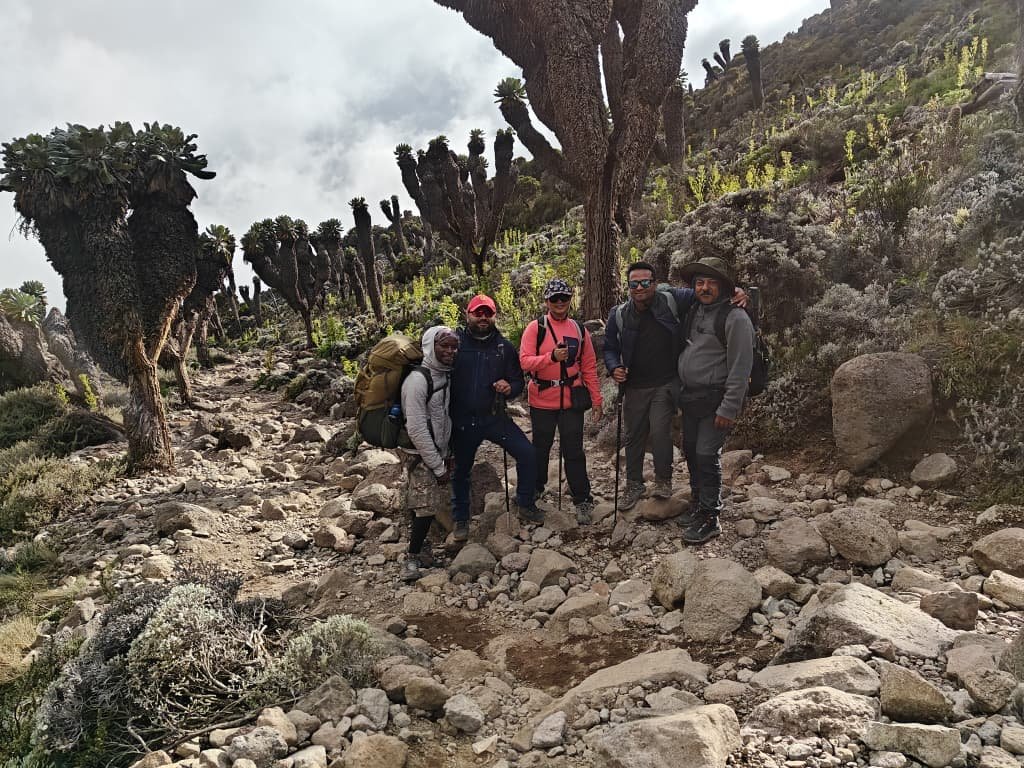
To understand Climbing Kilimanjaro During the Rainy Season, it is important to know how mountain weather actually behaves rather than relying on general travel advice. Climate research from NASA Climate and long-term global climate assessments by the Intergovernmental Panel on Climate Change confirm that isolated high mountains like Kilimanjaro create their own weather systems. Rainfall patterns are influenced by altitude, wind circulation and forest moisture, meaning rain may affect one slope while another remains relatively dry.
Environmental monitoring and ecosystem studies coordinated by the United Nations Environment Programme and the International Union for Conservation of Nature show that the southern and western slopes receive significantly more moisture than the northern side. This explains why experienced guides adjust route choices and daily timing during wet periods rather than simply cancelling climbs.
Climbing Kilimanjaro During the Rainy Season and trail safety
One of the main concerns about Climbing Kilimanjaro During the Rainy Season is trail safety. Geological and terrain stability research published by the United States Geological Survey shows that heavy rainfall increases soil movement, surface erosion and slippery ground conditions on steep volcanic slopes. Mud, wet roots and loose gravel become the primary physical challenges, not technical climbing difficulty.
Environmental land-use studies supported by the Food and Agriculture Organization confirm that repeated foot traffic on wet ground accelerates trail degradation. Professional operators therefore reduce off-trail walking and strictly follow designated paths to limit both environmental damage and injury risk.
Climbing Kilimanjaro During the Rainy Season and altitude health risks
From a medical perspective, Climbing Kilimanjaro During the Rainy Season does not change how altitude affects the human body, but it can influence how symptoms feel and how recovery occurs. Research published through the U.S. National Library of Medicine and summarized in PubMed shows that cold and wet conditions can increase fatigue and slow warming during rest periods.
Medical guidance from the Centers for Disease Control and Prevention and the International Society for Mountain Medicine explains that dehydration, poor nutrition and insufficient sleep can worsen altitude symptoms. During rainy conditions, professional teams pay closer attention to fluid intake, shelter management and dry clothing to maintain body temperature and recovery quality.
Climbing Kilimanjaro During the Rainy Season and visibility challenges
Another realistic disadvantage of Climbing Kilimanjaro During the Rainy Season is reduced visibility. Cloud cover, mist and light rain can limit panoramic views, especially in the forest and heath zones. Atmospheric science research available through Frontiers in Earth Science and climate modeling studies published via ScienceDirect show how moisture-rich air condenses rapidly over mountain ridges.
While this can affect photography and scenic expectations, it also creates a quieter and more immersive forest environment. Many climbers appreciate the silence, reduced dust and deeper connection with nature during misty walks through the rainforest.
Climbing Kilimanjaro During the Rainy Season and wildlife and ecosystem benefits
One of the most overlooked advantages of Climbing Kilimanjaro During the Rainy Season is the health of the mountain’s ecosystems. Conservation organizations such as the World Wide Fund for Nature, the African Wildlife Foundation and the Wildlife Conservation Society explain that seasonal rainfall supports vegetation recovery and water availability for wildlife living in and around the mountain.
Biodiversity studies published by BirdLife International and large carnivore research from Panthera also show that seasonal ecosystem cycles are essential for long-term habitat stability. Responsible tourism during wet periods helps spread visitor pressure more evenly across the year, reducing crowding during dry seasons.
Climbing Kilimanjaro During the Rainy Season and crowd reduction
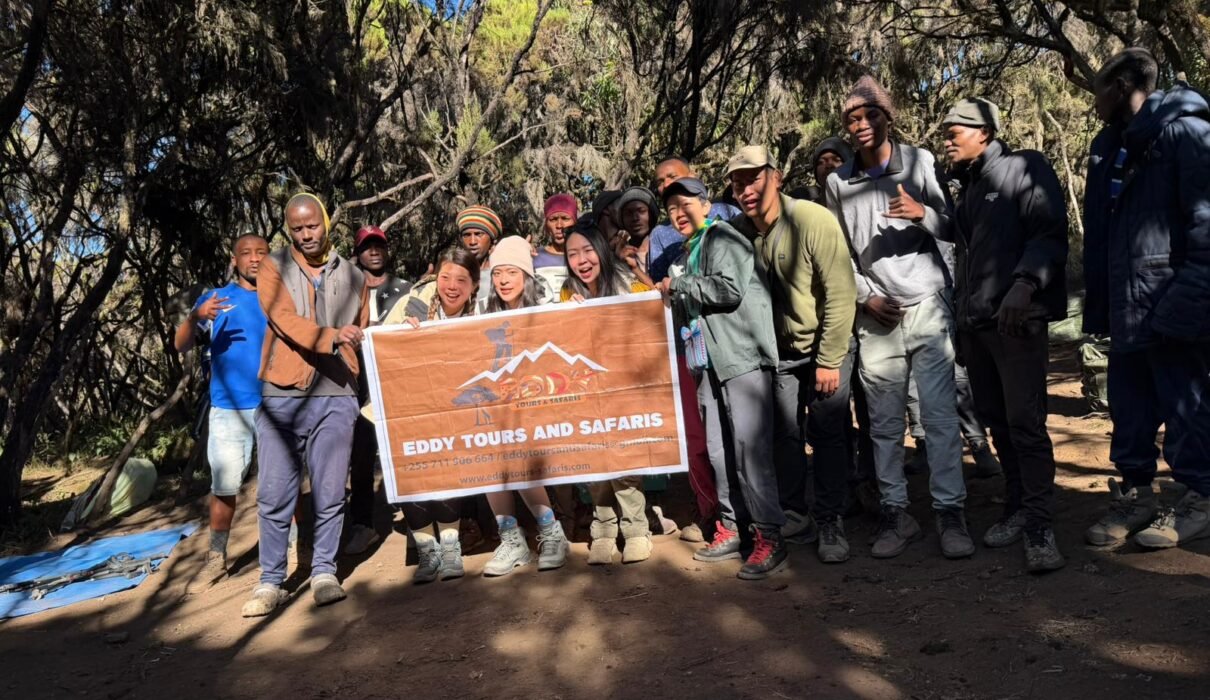
A major positive factor of Climbing Kilimanjaro During the Rainy Season is the dramatic reduction in visitor numbers. Lower traffic on trails decreases noise, congestion and competition for camp facilities. Conservation planning bodies such as Conservation International and public awareness programs supported by the National Geographic Society emphasize that visitor pressure management is critical in fragile mountain ecosystems.
For climbers who value calm environments, fewer groups and more flexible pacing, the rainy period offers a far more peaceful mountain experience.
Climbing Kilimanjaro During the Rainy Season and guide responsibility
Professional leadership becomes especially important during Climbing Kilimanjaro During the Rainy Season. Decision-making under uncertain weather is a key topic in outdoor leadership research published through Nature Research and expedition behavior studies shared on ScienceDirect.
Outdoor safety training models promoted by the National Outdoor Leadership School and technical standards developed by the International Climbing and Mountaineering Federation highlight the importance of conservative pacing, camp management and realistic summit decisions when weather conditions change quickly.
Climbing Kilimanjaro During the Rainy Season and medical readiness
Medical readiness plays a stronger role during Climbing Kilimanjaro During the Rainy Season because cold and moisture can mask early fatigue and reduce appetite. Clinical guidance from Johns Hopkins Medicine and the Cleveland Clinic explains how early symptom recognition allows safe adjustment before problems escalate.
Emergency preparedness principles promoted by the International Federation of Red Cross and Red Crescent Societies confirm that reliable communication, trained guides and evacuation protocols are essential for safe mountain travel in all seasons, especially when weather reduces response speed.
Climbing Kilimanjaro During the Rainy Season and equipment demands
Proper equipment becomes more critical when Climbing Kilimanjaro During the Rainy Season. Wet boots, poorly sealed backpacks and low-quality rain jackets quickly reduce comfort and increase fatigue. Environmental exposure studies available through Frontiers in Physiology show that prolonged cold and damp conditions increase energy expenditure and recovery time.
Professional operators insist on layered clothing systems, waterproof storage and well-fitted footwear. These simple precautions dramatically improve morale and physical performance during wet trekking days.
Climbing Kilimanjaro During the Rainy Season and ethical travel impact
Choosing Climbing Kilimanjaro During the Rainy Season can also support ethical tourism practices. Labour and employment standards promoted by the International Labour Organization and community development initiatives supported by Oxfam International emphasize stable income opportunities throughout the year rather than only during peak seasons.
Supporting responsible operations during quieter periods helps maintain continuous employment for mountain crews and local service providers.
Climbing Kilimanjaro During the Rainy Season with professional local support
The success of Climbing Kilimanjaro During the Rainy Season depends heavily on choosing an experienced local team that understands daily mountain conditions. You can explore professionally designed itineraries through Kilimanjaro climbing programs that prioritize safety, route flexibility and environmental responsibility.
Many travelers also combine their trek with wildlife experiences using Tanzania safari options, allowing them to balance mountain adventure with low-impact wildlife observation.
Who should consider a rainy season climb?
Climbing Kilimanjaro During the Rainy Season is well suited for travelers who value quieter trails, flexible schedules and deeper natural immersion rather than perfect photography conditions. It is also ideal for climbers who understand that weather variability is part of real mountain adventure and who are prepared to adjust expectations when conditions shift.
For honest planning advice and route selection based on your experience level and comfort preferences, you can speak directly with local professionals using local Kilimanjaro consultation support.
Final balance of pros and cons
In reality, Climbing Kilimanjaro During the Rainy Season is neither a mistake nor a guaranteed hardship. The rain brings quieter routes, healthier ecosystems and unique mountain atmosphere, while also demanding stronger preparation, better equipment and realistic expectations. When approached responsibly and supported by experienced professionals, the rainy season becomes a meaningful and often deeply rewarding way to experience Africa’s highest mountain.
If you value calm trails, ethical travel impact and professional guidance, planning your trek with local Kilimanjaro specialists allows you to turn seasonal challenges into a safe and memorable adventure.