
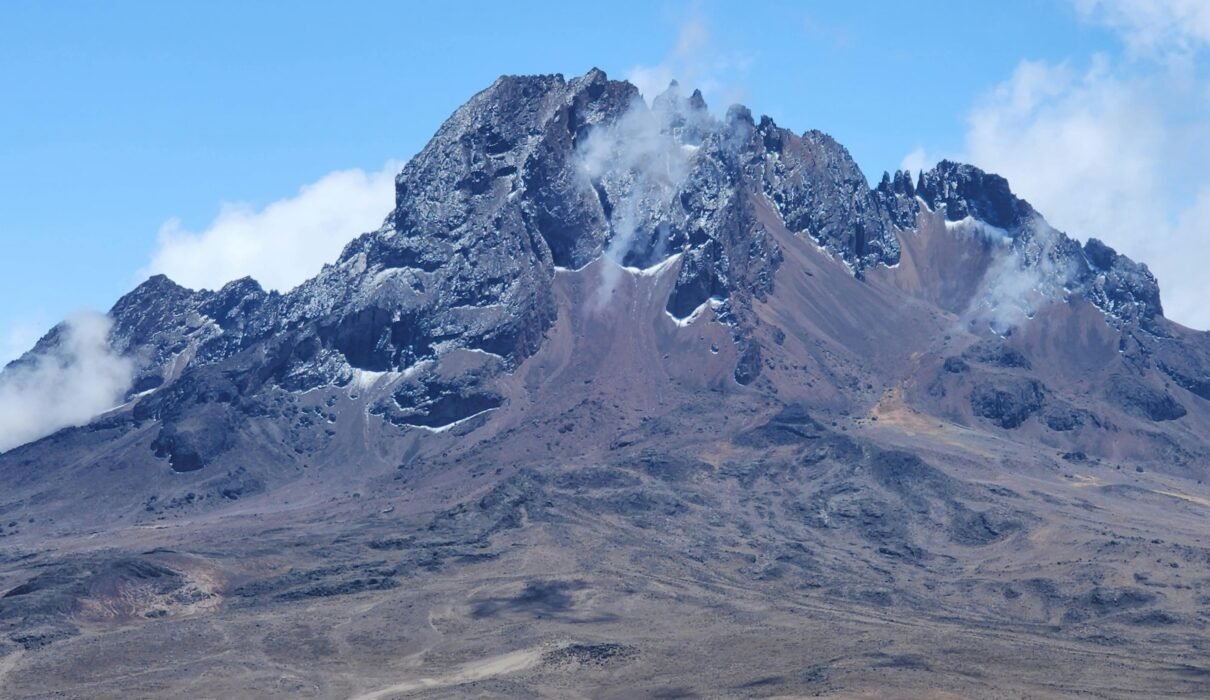
Barranco Wall: What to Expect and How to Climb It is one of the most important questions for trekkers preparing for Mount Kilimanjaro because this dramatic rock face often looks far more dangerous in photos than it truly is in real life. The wall is not a technical climb, but it is a place where confidence, balance, good guidance and respect for the mountain environment make a real difference. Understanding how the wall formed, how your body reacts at this altitude and how professional teams manage safety will completely change the way you experience this famous section of the route.
Many climbers first meet Barranco Wall after a night at Barranco Camp, already tired but excited. The wall rises suddenly in front of you and can feel intimidating. However, when the climb is done slowly and correctly, most people describe it as one of the most enjoyable and memorable moments on the entire mountain. Climbers who prepare with experienced local professionals such as Eddy Tours & Safaris benefit from calm leadership, clear instruction and safe movement strategies that remove unnecessary fear and replace it with steady confidence.
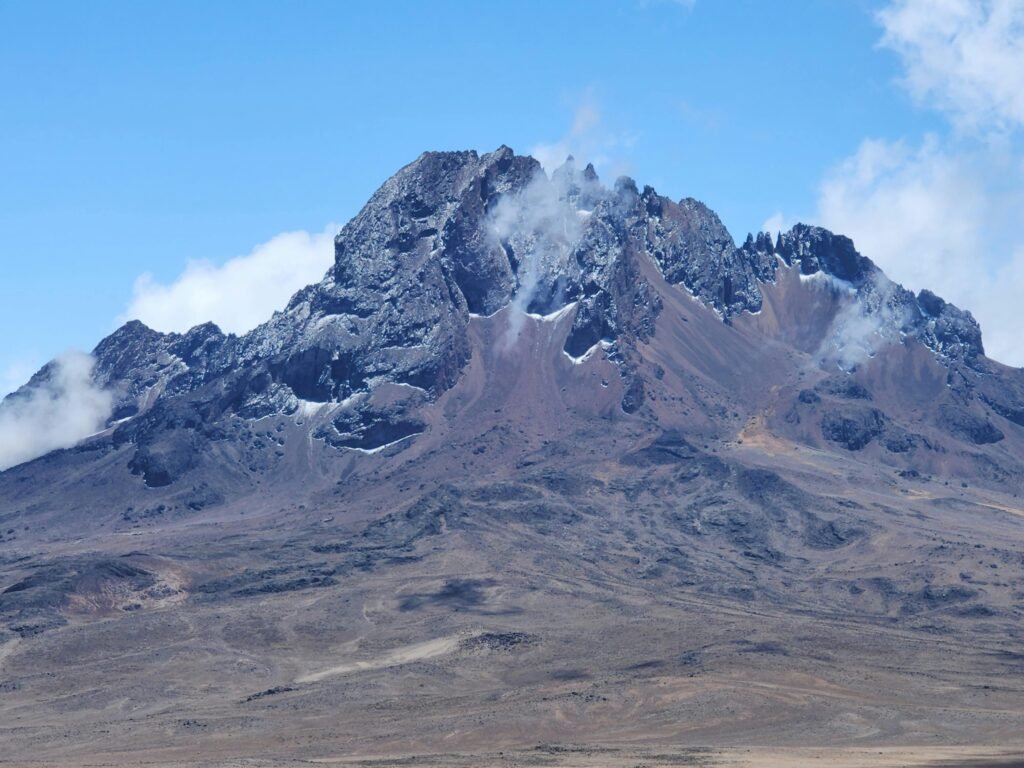
Barranco Wall: What to Expect and How to Climb It from a geographical point of view
To fully understand Barranco Wall: What to Expect and How to Climb It, it helps to first understand how this steep structure fits into the wider landscape of Mount Kilimanjaro. Kilimanjaro is a massive volcanic complex, and the southern slopes are shaped by ancient lava flows, erosion and long-term weathering. Geological research published by the United States Geological Survey and landform studies shared through Nature Research explain how fractured volcanic rock and steep escarpments form natural walls similar to Barranco.
Scientific terrain analysis published via ScienceDirect and geomorphology research in Frontiers in Earth Science show that such formations remain stable when foot traffic is well managed and erosion is controlled. This is why park authorities carefully regulate how climbers move across this section of the mountain.
Barranco Wall: What to Expect and How to Climb It and altitude awareness
Another critical part of Barranco Wall: What to Expect and How to Climb It is understanding how your body behaves at altitude during short but steep movements. Medical research published by the U.S. National Library of Medicine and clinical reviews available through PubMed confirm that oxygen availability decreases sharply as you climb higher on the mountain, even during short physical efforts.
Health guidance from the Centers for Disease Control and Prevention and educational material provided by the International Society for Mountain Medicine show that slow, controlled movement and proper breathing are essential to prevent dizziness, overexertion and unnecessary fatigue while ascending steep terrain such as Barranco Wall.
Barranco Wall: What to Expect and How to Climb It in changing weather conditions
Weather plays a quiet but powerful role in Barranco Wall: What to Expect and How to Climb It. The wall is exposed to wind, rapid cloud movement and strong sunlight. Climate research from NASA Climate and environmental assessments from the Intergovernmental Panel on Climate Change explain how high-altitude terrain experiences fast temperature shifts and variable moisture levels.
Environmental monitoring supported by the United Nations Environment Programme shows that sudden fog, wind or light rain can temporarily change rock friction and visibility. This is why professional guides time the ascent carefully and adjust pacing when conditions change during the morning climb.
Barranco Wall: What to Expect and How to Climb It with safe movement techniques
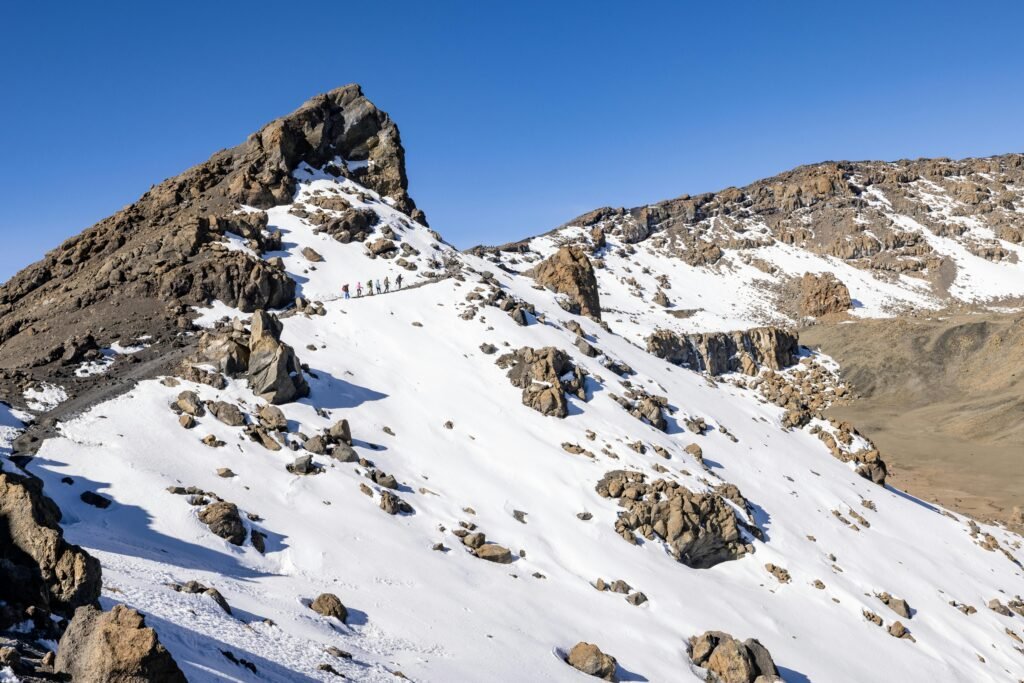
The real practical meaning of Barranco Wall: What to Expect and How to Climb It becomes clear when you start moving. The wall is climbed using hands and feet for balance rather than technical climbing equipment. Outdoor movement and leadership principles promoted by the National Outdoor Leadership School and international mountaineering standards developed by the International Climbing and Mountaineering Federation emphasize three simple rules: keep three points of contact, move slowly and follow your guide’s instructions exactly.
There are narrow sections where groups pause briefly and move one by one. These controlled pauses are not signs of danger but part of good crowd management and risk reduction practices used on popular mountain routes worldwide.
Barranco Wall: What to Expect and How to Climb It and environmental protection
Environmental responsibility is a major part of Barranco Wall: What to Expect and How to Climb It. The alpine zone around the wall is extremely fragile. Conservation organizations such as the World Wide Fund for Nature, the African Wildlife Foundation and Conservation International show that soil disturbance and off-trail movement can permanently damage slow-recovering mountain vegetation.
Scientific mapping and erosion studies conducted by the United States Geological Survey and environmental storytelling projects supported by the National Geographic Society highlight the importance of staying strictly on marked routes while climbing the wall.
Barranco Wall: What to Expect and How to Climb It and mental confidence
Mental preparation is often underestimated in Barranco Wall: What to Expect and How to Climb It. Performance psychology research published through ScienceDirect and behavioural studies from Nature Research confirm that fear of height and visual exposure can influence balance and decision-making even when physical ability is sufficient.
Professional guides are trained to keep communication calm and simple, helping climbers focus on one movement at a time. This structured approach allows people who were nervous at the base of the wall to finish the section with confidence and a strong sense of achievement.
Barranco Wall: What to Expect and How to Climb It and medical readiness
Medical awareness is also central to Barranco Wall: What to Expect and How to Climb It. Clinical guidance from Johns Hopkins Medicine and the Cleveland Clinic shows that early recognition of headache, nausea and unusual fatigue prevents more serious altitude complications later in the day.
Emergency response principles promoted by the International Federation of Red Cross and Red Crescent Societies and the International Red Cross emphasize communication equipment and trained staff as key elements of safe operations in remote terrain such as Kilimanjaro’s climbing routes.
Barranco Wall: What to Expect and How to Climb It for first-time climbers
For beginners, Barranco Wall: What to Expect and How to Climb It often becomes the moment when fear turns into excitement. Public health research supported by the Harvard T.H. Chan School of Public Health and physiological studies published in Frontiers in Physiology confirm that slow, well-paced movement is far more important than previous climbing experience.
Climbers who follow structured itineraries offered through professional Kilimanjaro climbing programs benefit from realistic daily schedules that allow the body and mind to recover before and after the wall section.
Barranco Wall: What to Expect and How to Climb It and porter welfare
Ethical treatment of mountain staff directly affects safety during Barranco Wall: What to Expect and How to Climb It. Labour standards promoted by the International Labour Organization and social protection programs supported by Oxfam International show that healthy, well-supported crews perform better and communicate risks more clearly.
Strong team coordination allows guides, porters and climbers to move smoothly through narrow sections and maintain calm group flow on the wall.
Barranco Wall: What to Expect and How to Climb It and professional planning
Professional planning is one of the most important success factors behind Barranco Wall: What to Expect and How to Climb It. Risk-management frameworks developed by the World Bank Disaster Risk Management programme and university field research coordinated through the University of Oxford research networks demonstrate how controlled access points and trained supervision reduce accident rates in exposed landscapes.
Climbers who rely on experienced local professionals such as Tanzania trekking specialists receive realistic briefings before the climb and practical guidance that reflects real mountain conditions rather than generic advice.
Why this wall becomes one of your strongest memories
In reality, Barranco Wall: What to Expect and How to Climb It is not about fear. It is about learning to trust your movement, your guide and your own calm focus. The wall teaches patience, teamwork and respect for fragile mountain environments in a very direct and powerful way.
If you would like honest local advice and carefully structured itineraries that allow you to enjoy the wall safely and confidently, you can speak directly with experienced professionals through local Kilimanjaro consultation support. A well-guided Barranco Wall climb often becomes the moment when people truly feel connected to Mount Kilimanjaro.