
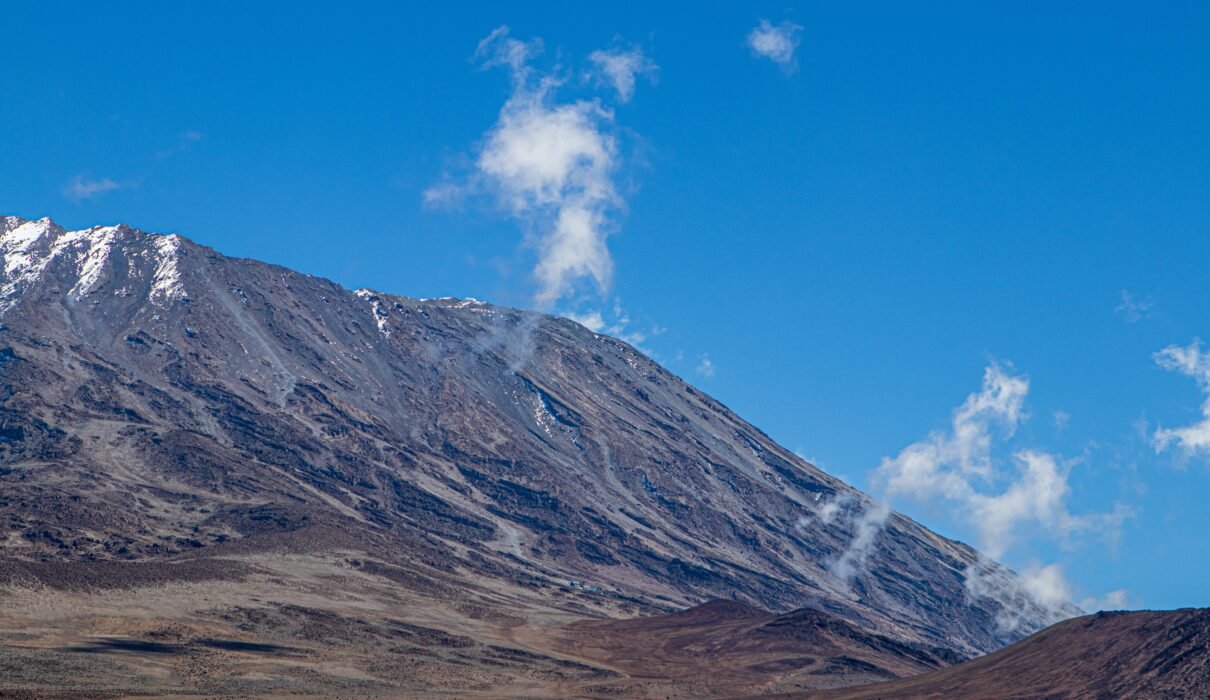
Shira Plateau: Geography and History is one of the most fascinating subjects for travelers and nature lovers who want to understand what makes Mount Kilimanjaro more than just a high peak. Long before the modern climbing routes were created, the wide and open Shira Plateau formed an important part of the mountain’s geological story, ecological development and human interaction with this extraordinary volcanic landscape.
The Shira Plateau is often described as peaceful and open, yet its formation is the result of powerful volcanic activity and long-term environmental change. When you walk across this broad highland, you are moving through one of the oldest and most scientifically important parts of Kilimanjaro. Travelers who explore this area with experienced local teams such as Eddy Tours & Safaris usually gain a much deeper appreciation of how landscape, history and conservation meet in one place.
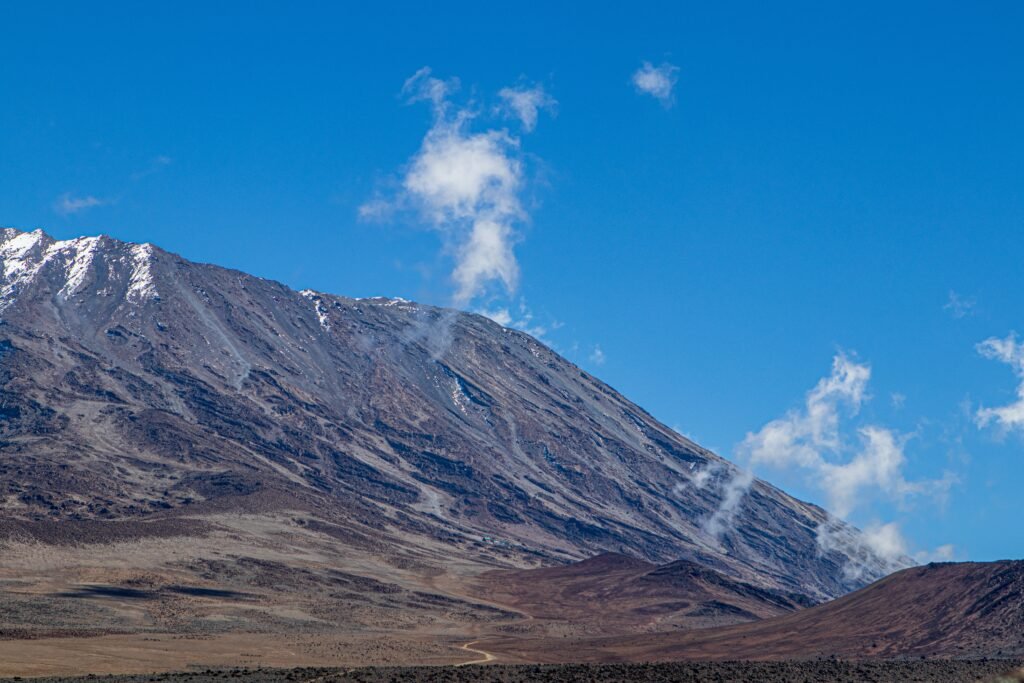
Shira Plateau: Geography and History within the formation of Mount Kilimanjaro
Understanding Shira Plateau: Geography and History begins with the origin of Mount Kilimanjaro itself. The plateau represents the eroded remains of an ancient volcanic structure that existed long before the present summit cone developed. Geological research coordinated by the United States Geological Survey explains how successive volcanic phases created multiple cones, calderas and lava fields that shaped the mountain we see today.
Scientific studies available through Nature Research and ScienceDirect describe how large-scale volcanic collapse and erosion transformed the original Shira volcano into the broad plateau visible today. This makes the Shira Plateau a rare and valuable example of long-term volcanic landscape evolution in tropical Africa.
Shira Plateau: Geography and History and the structure of the plateau landscape
From a physical geography perspective, Shira Plateau: Geography and History is closely connected to the way erosion, lava flows and tectonic stability interact at high altitude. The plateau is characterized by wide grasslands, scattered lava outcrops and gently undulating terrain. Research published through Frontiers in Earth Science shows how volcanic plateaus experience slow but continuous reshaping through wind action, freeze–thaw cycles and surface runoff.
Landform monitoring projects supported by the International Union for Conservation of Nature and land surface mapping from the United States Geological Survey help scientists track long-term stability of fragile high-altitude environments such as Shira. These studies demonstrate why visitor movement must be carefully managed to prevent soil damage and vegetation loss.
Shira Plateau: Geography and History and climate influence
A major part of Shira Plateau: Geography and History is the strong influence of climate on vegetation, water availability and surface conditions. Climate research published by NASA Climate and assessments from the Intergovernmental Panel on Climate Change show that high-altitude ecosystems in East Africa are extremely sensitive to temperature shifts and changing rainfall patterns.
Environmental monitoring programs coordinated by the United Nations Environment Programme demonstrate that altered precipitation cycles influence grass growth and seasonal water channels across the plateau. These climatic pressures are now considered one of the most important drivers of landscape change on the Shira Plateau.
Shira Plateau: Geography and History and its unique ecosystems
The ecological dimension of Shira Plateau: Geography and History is equally important. The plateau forms part of a high-altitude mosaic of moorland and alpine vegetation that supports specialized plant and bird species. Conservation organizations such as the World Wide Fund for Nature, African Wildlife Foundation and the Wildlife Conservation Society emphasize that these ecosystems act as climate buffers and biodiversity reservoirs.
Bird monitoring and habitat studies published by BirdLife International confirm that high-altitude zones such as Shira contribute to regional ecological balance, even when large mammals are rarely present. These ecological connections extend far beyond the plateau itself.
Shira Plateau: Geography and History and early scientific observation
Historically, Shira Plateau: Geography and History has played an important role in early scientific observation on Kilimanjaro. The wide open terrain provided relatively accessible conditions for geological surveys, biological sampling and climatic measurements long before modern trekking infrastructure existed.
Research culture promoted by institutions such as the National Geographic Society and biodiversity assessment frameworks supported by Intergovernmental Science-Policy Platform on Biodiversity and Ecosystem Services continue to use similar open high-altitude plateaus worldwide as natural laboratories for long-term environmental studies.
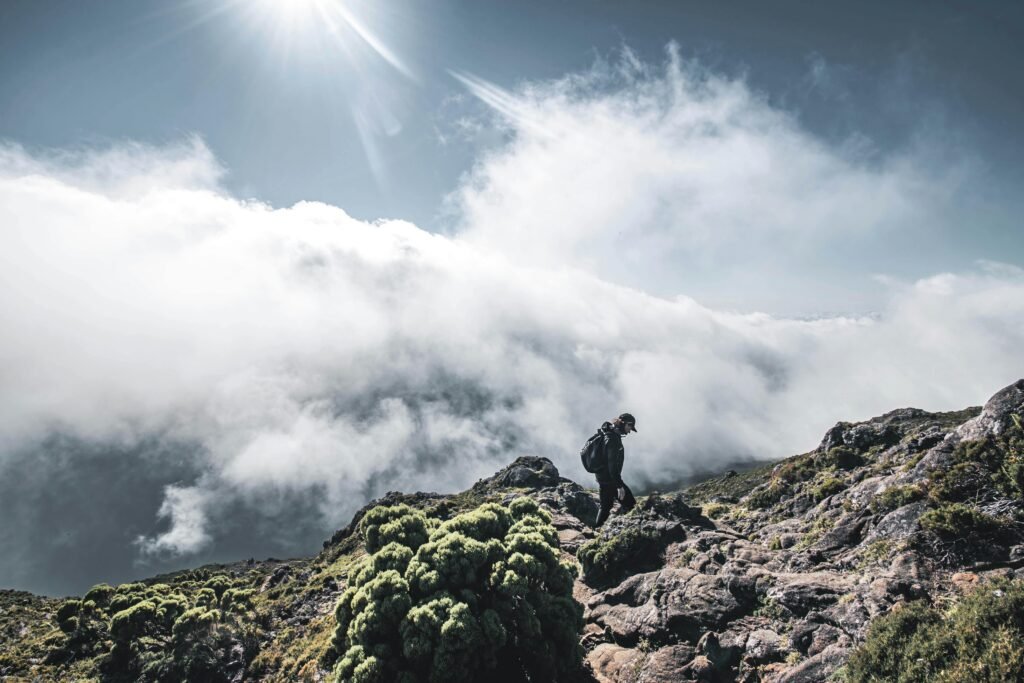
Shira Plateau: Geography and History and human presence
The human dimension of Shira Plateau: Geography and History is closely linked to the broader cultural landscape of Kilimanjaro. For generations, communities living on the lower slopes developed knowledge of seasonal climate patterns, water flow and vegetation cycles connected to the highlands above them.
Cultural heritage and environmental education frameworks promoted by UNESCO and research programs supported by Harvard University research initiatives show how protected mountain landscapes serve as powerful learning environments where history, science and cultural identity intersect.
Shira Plateau: Geography and History and conservation management
Modern conservation management is now a central part of Shira Plateau: Geography and History. Protected area planning frameworks promoted by Conservation International and ecosystem protection guidelines supported by the International Union for Conservation of Nature guide how visitor access, trail placement and camping zones are regulated.
Soil and land-use studies published by the Food and Agriculture Organization confirm that unmanaged foot traffic in alpine grasslands can permanently alter soil structure and vegetation recovery rates. For this reason, strict route planning across the plateau is essential for its long-term protection.
Shira Plateau: Geography and History and scientific research today
Contemporary research continues to expand knowledge of Shira Plateau: Geography and History. Environmental modeling and ecological field studies shared through Frontiers in Environmental Science demonstrate how climate variability, vegetation dynamics and soil moisture interact across tropical plateaus.
These studies are often combined with broader environmental change research published by Nature Research and distributed through ScienceDirect, allowing scientists to compare Kilimanjaro with other high-mountain systems around the world.
Shira Plateau: Geography and History and responsible tourism
Tourism now forms a visible part of Shira Plateau: Geography and History, and its management strongly influences conservation outcomes. Labour and ethical employment standards promoted by the International Labour Organization and community development principles supported by Oxfam International show how fair working conditions strengthen conservation partnerships.
Professional trekking operations designed with environmental limits in mind help protect vegetation, reduce waste and maintain safety standards. Many climbers reach the Shira Plateau through structured itineraries offered by Kilimanjaro climbing programs that respect both environmental and cultural values.
Shira Plateau: Geography and History and safety and health awareness
The high-altitude setting of the plateau makes health awareness another key element of Shira Plateau: Geography and History. Medical guidance from the World Health Organization emphasizes that altitude, temperature and dehydration increase physical stress even on relatively gentle terrain.
Responsible trekking programs integrate health monitoring and pacing strategies that protect both visitors and support teams as they move across the plateau.
Shira Plateau: Geography and History for today’s travelers
For modern visitors, Shira Plateau: Geography and History offers far more than scenic beauty. It provides a rare opportunity to walk across one of the oldest surviving surfaces on Kilimanjaro and to observe how geology, climate and ecology combine to shape a living landscape.
Travelers who explore the plateau with knowledgeable local guides through Tanzania travel specialists often gain deeper insight into how environmental protection and community livelihoods depend on responsible tourism.
Plan your journey across the Shira Plateau with care
Understanding Shira Plateau: Geography and History allows visitors to experience this landscape with greater respect and awareness. Every step taken across the plateau forms part of a wider story of geological time, environmental change and human responsibility.
If you would like personal advice on routes, acclimatization and conservation-focused itineraries, you can speak directly with local professionals through personal travel consultation support. Your journey across the Shira Plateau becomes far more meaningful when guided by knowledge, patience and respect for this remarkable high-mountain environment.