
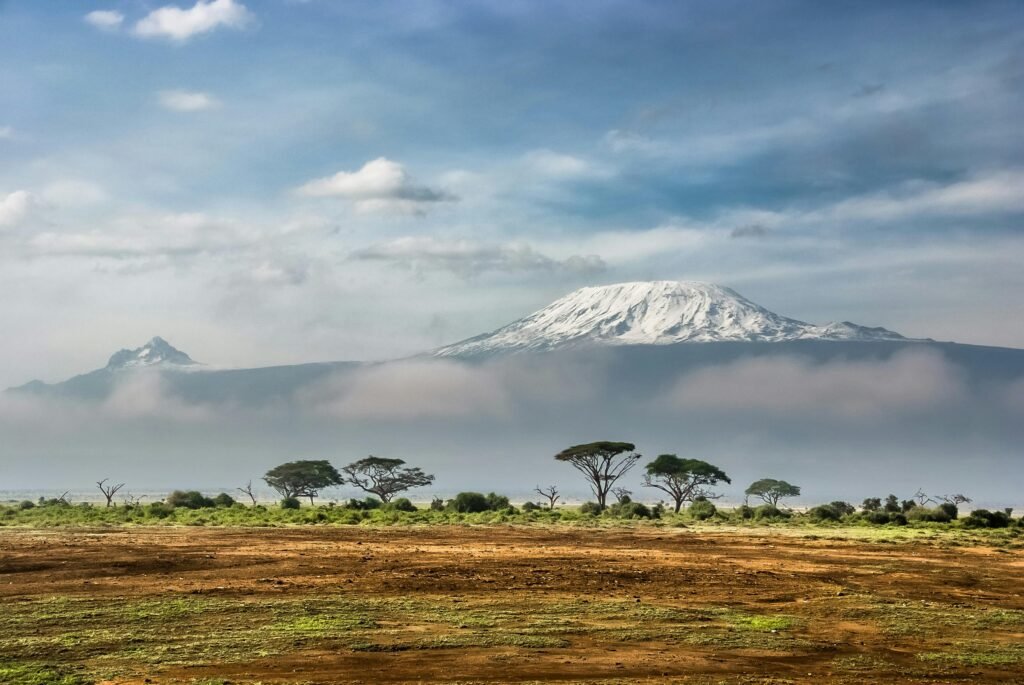
Mawenzi Peak: Kilimanjaro’s Technical Summit is the part of Mount Kilimanjaro that quietly separates normal trekkers from real mountaineers. While most visitors focus only on reaching the highest walking summit, Mawenzi stands sharp, broken and exposed, demanding technical climbing skill, strong decision-making and deep respect for the mountain’s natural forces. This dramatic peak is not simply another viewpoint. It represents the raw and unforgiving side of Kilimanjaro that has shaped scientific research, environmental protection and modern mountain safety practices.
Understanding what makes Mawenzi special changes how you look at the entire Kilimanjaro massif. It also helps climbers choose the right objectives and the right professional support. For travellers preparing a serious mountain experience with trusted local specialists such as Eddy Tours & Safaris, knowing the real story behind Mawenzi creates realistic expectations and safer planning from the very beginning.
Mawenzi Peak: Kilimanjaro’s Technical Summit and its geological origin
The story of Mawenzi Peak: Kilimanjaro’s Technical Summit begins with its violent volcanic birth. Mawenzi is one of the main volcanic cones that formed the Kilimanjaro massif, and its sharp ridges and deeply eroded towers show how intense geological forces shaped the mountain. Long-term volcanic and structural studies published by the United States Geological Survey and academic research shared through ScienceDirect explain how lava flows, collapse events and erosion created Mawenzi’s broken and unstable terrain.
Unlike the smoother walking slopes of Kibo, Mawenzi is built from heavily fractured rock. Research published by Nature Research and geomorphology analysis from Frontiers in Earth Science confirm that steep volcanic spines and exposed ridges are particularly vulnerable to rockfall and weathering. These natural processes are the main reason why Mawenzi is regarded as the technical heart of Kilimanjaro.
Mawenzi Peak: Kilimanjaro’s Technical Summit and extreme terrain exposure
When climbers talk about Mawenzi Peak: Kilimanjaro’s Technical Summit, they are describing narrow ridgelines, steep gullies and unstable rock that require rope skills and precise movement. Environmental risk assessments published by the United Nations Environment Programme show how high-altitude erosion and intense rainfall events increase slope instability in tropical mountain systems.
Geological hazard observations coordinated through the International Union for Conservation of Nature and land surface monitoring supported by the United States Geological Survey show that Mawenzi’s exposed ridges change continuously. Climbers therefore depend heavily on accurate local knowledge and real-time judgement rather than guidebooks alone.
Mawenzi Peak: Kilimanjaro’s Technical Summit and high-altitude physiology
The challenge of Mawenzi Peak: Kilimanjaro’s Technical Summit is not only technical. It is also deeply physiological. Research published through the U.S. National Library of Medicine and clinical field studies summarized on PubMed confirm that oxygen availability drops sharply at the elevations where Mawenzi’s ridges rise.
Medical guidance from the Centers for Disease Control and Prevention and technical explanations provided by the International Society for Mountain Medicine explain that fine motor control, balance and decision-making are directly affected by hypoxia. On exposed ridges like Mawenzi, small errors become serious risks.
Mawenzi Peak: Kilimanjaro’s Technical Summit and climate exposure
The climatic conditions surrounding Mawenzi Peak: Kilimanjaro’s Technical Summit are far more severe than many visitors expect. Climate modelling published by NASA Climate and global assessments by the Intergovernmental Panel on Climate Change show how temperature fluctuations, wind patterns and solar radiation increase rapidly with elevation in isolated mountain systems.
Environmental monitoring supported by the Food and Agriculture Organization also highlights how alpine environments suffer from rapid dehydration conditions that affect both human performance and fragile plant life. Mawenzi’s ridges offer very little shelter, making wind management and clothing systems essential for climbers attempting technical sections.
Mawenzi Peak: Kilimanjaro’s Technical Summit and environmental fragility
The ecological importance of Mawenzi Peak: Kilimanjaro’s Technical Summit is often overlooked. Alpine desert habitats on Kilimanjaro are extremely sensitive to trampling and waste. Conservation organizations such as the World Wide Fund for Nature, the African Wildlife Foundation and Conservation International emphasize that even small disturbances in high-altitude zones can take decades to recover.
Scientific assessments coordinated by the National Geographic Society and biodiversity mapping supported by Wildlife Conservation Society show that limiting access and maintaining strict climbing routes around Mawenzi helps protect endemic plant communities and fragile soil structures.
Mawenzi Peak: Kilimanjaro’s Technical Summit and rescue limitations
Another hard reality of Mawenzi Peak: Kilimanjaro’s Technical Summit is the complexity of emergency response. Unlike the main trekking routes, technical ridges offer limited evacuation options. International emergency response standards promoted by the International Federation of Red Cross and Red Crescent Societies stress that steep terrain dramatically increases rescue time and risk.
Risk management frameworks published by the World Bank Disaster Risk Management programme highlight how terrain access, weather windows and communication systems determine rescue feasibility. For Mawenzi, preventive planning and conservative decision-making remain the most powerful safety tools.
Mawenzi Peak: Kilimanjaro’s Technical Summit and scientific observation value
Beyond climbing, Mawenzi Peak: Kilimanjaro’s Technical Summit serves as an important reference site for scientific research. Geological stability studies, erosion modelling and climate-impact assessments published in Frontiers in Environmental Science and environmental synthesis work from UN Environment Programme depend on protected access to high-altitude zones like Mawenzi.
Academic collaboration supported through Harvard University research initiatives and global knowledge exchange promoted by United Nations Academic Impact highlight how mountain environments provide essential data for understanding climate and biodiversity change.
Mawenzi Peak: Kilimanjaro’s Technical Summit and ethical mountaineering
Ethical practice plays a serious role in how Mawenzi Peak: Kilimanjaro’s Technical Summit is approached. Labour and safety frameworks promoted by the International Labour Organization and community protection programmes supported by Oxfam International show how fair working conditions improve safety culture and communication among mountain teams.
Technical objectives require well-trained support staff, realistic schedules and honest communication about risks. Ethical operators place safety above summit pressure and protect both clients and crew from unnecessary exposure.
Mawenzi Peak: Kilimanjaro’s Technical Summit and professional route planning
Professional planning is essential when dealing with Mawenzi Peak: Kilimanjaro’s Technical Summit. Field logistics and expedition leadership models published by the International Organization for Standardization show how structured operational procedures reduce human error in complex environments.
Climbers who prepare their broader Kilimanjaro journey through professionally designed itineraries such as Kilimanjaro climbing programs benefit from better acclimatisation planning and technical readiness before attempting any advanced terrain.
Mawenzi Peak: Kilimanjaro’s Technical Summit for serious climbers only
For most visitors, Mawenzi Peak: Kilimanjaro’s Technical Summit should remain an object of respect rather than ambition. Research in human performance and risk behaviour published through ScienceDirect shows that overconfidence is one of the leading contributors to mountaineering accidents in technically complex terrain.
Those who still wish to explore technical environments around Mawenzi should work with local experts who understand route conditions, seasonal hazards and rescue limitations. Many climbers consult experienced local professionals through direct climbing consultation support before committing to advanced objectives.
Why Mawenzi remains Kilimanjaro’s most demanding summit
In reality, Mawenzi Peak: Kilimanjaro’s Technical Summit represents the purest expression of Kilimanjaro’s wild character. It stands as a powerful reminder that not every mountain experience should be simplified into tourism. Mawenzi demands humility, preparation and technical respect.
For travellers who wish to combine responsible adventure, scientific understanding and professional mountain support, working with local specialists such as Tanzania adventure planners helps build safe and meaningful journeys that honour both the mountain and the people who protect it.