
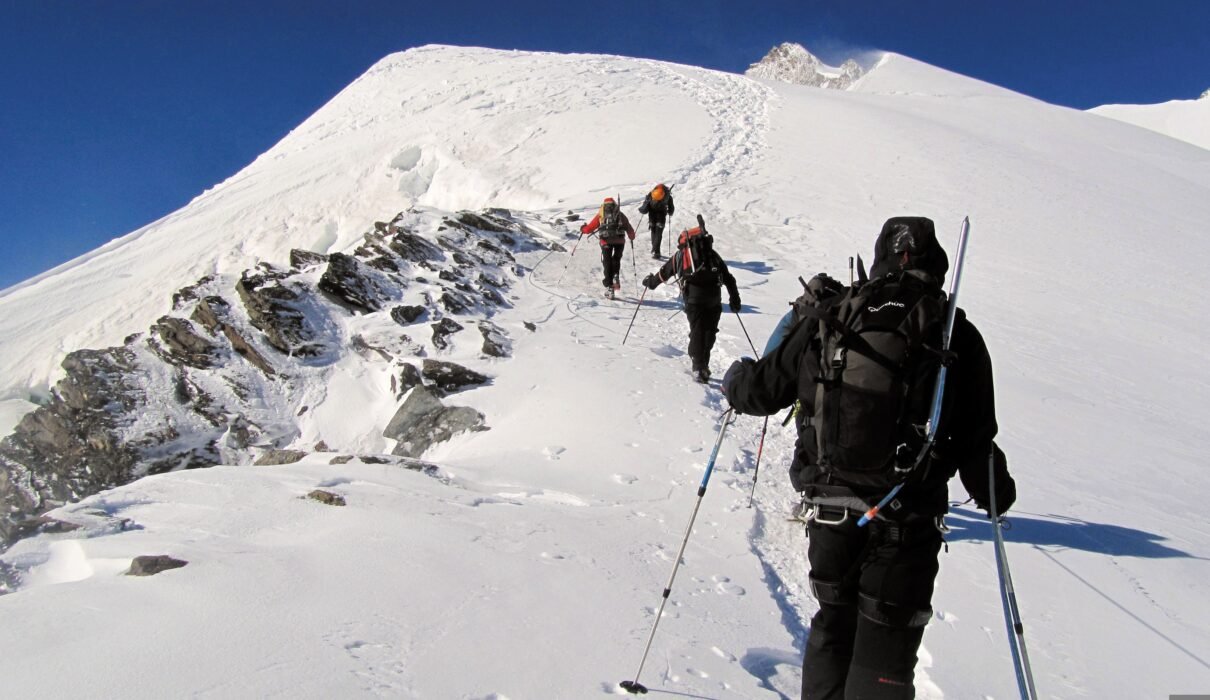
Five Historic Kilimanjaro Climbs represent some of the most meaningful moments in the long relationship between people and Africa’s highest mountain, where exploration, science, cultural exchange and conservation awareness slowly transformed Kilimanjaro from an unknown volcanic giant into one of the world’s most respected high-altitude landscapes. These historic climbs are not only about reaching high points, but about how knowledge, respect for nature and human endurance helped shape modern mountain travel and environmental protection in East Africa.
Understanding these moments helps today’s climbers see Kilimanjaro as more than a destination. It becomes a living classroom of geology, climate change and conservation responsibility. If you are planning your own climb with an experienced local team such as Eddy Tours & Safaris, learning the stories behind the mountain adds depth and meaning to every step you take on its slopes.
Five Historic Kilimanjaro Climbs and the birth of scientific exploration
When discussing Five Historic Kilimanjaro Climbs, the earliest recorded ascents are closely linked to scientific curiosity rather than adventure tourism. Kilimanjaro attracted geographers and natural scientists who wanted to understand volcanic structure, high-altitude ecosystems and glacial formations in tropical Africa. Geological surveys and volcanic research published by the United States Geological Survey continue to build on this early foundation of scientific discovery.
Research archives available through Nature Research and field studies published on ScienceDirect show how early expeditions helped map Kilimanjaro’s volcanic cones and crater systems. These early climbs laid the groundwork for modern understanding of Kibo, Mawenzi and Shira, and they remain a reference point for present-day geological and environmental studies.
Five Historic Kilimanjaro Climbs and the discovery of tropical glaciers
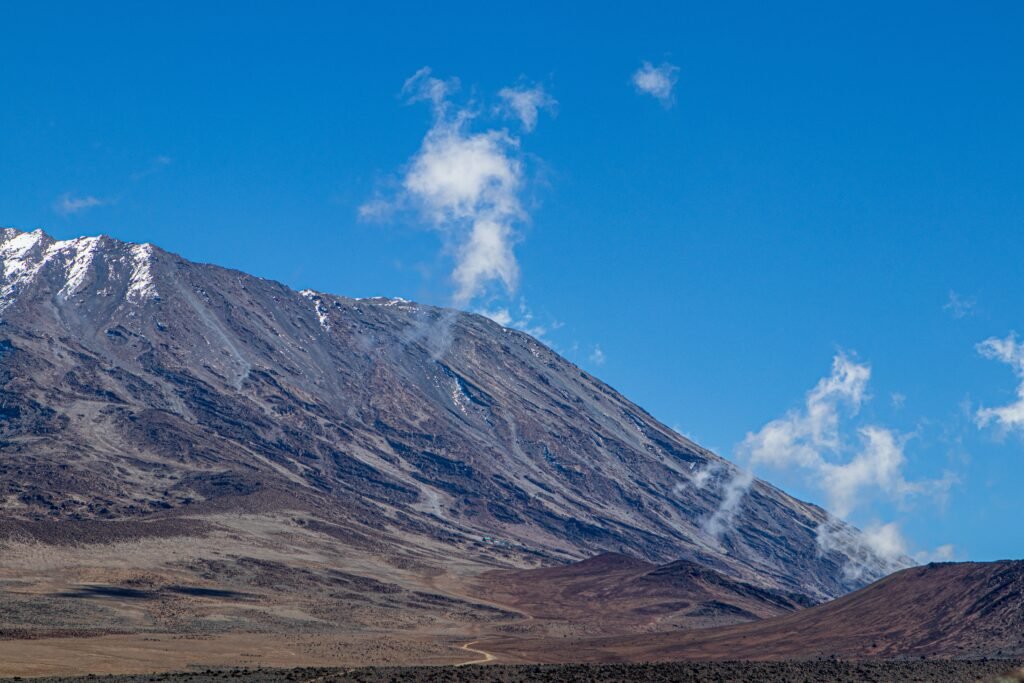
Another major chapter in Five Historic Kilimanjaro Climbs focuses on the documentation of glaciers near the summit. At a time when many believed permanent ice could not exist so close to the equator, early climbers provided evidence that reshaped climate and mountain science. Climate observation programs supported by NASA Climate and long-term assessments by the Intergovernmental Panel on Climate Change continue to use Kilimanjaro as a key reference site for tropical ice loss.
Environmental monitoring initiatives coordinated by the United Nations Environment Programme and ecological research supported by the International Union for Conservation of Nature show how summit and crater-rim zones became early indicators of environmental change in Africa’s high mountains.
Five Historic Kilimanjaro Climbs and human endurance at high altitude
The third story within Five Historic Kilimanjaro Climbs highlights how early ascents helped advance knowledge about human performance at altitude. Medical and physiological research later expanded these early observations into structured science. Health guidance and altitude studies published by the Centers for Disease Control and Prevention and the International Society for Mountain Medicine explain how reduced oxygen affects the body during climbs such as Kilimanjaro.
Clinical research distributed through PubMed and educational material provided by Johns Hopkins Medicine now help modern climbers prepare safely. The experiences of early climbers, often recorded under difficult and uncertain conditions, formed the basis for safer acclimatization strategies used today.
Five Historic Kilimanjaro Climbs and conservation awareness
A fourth perspective on Five Historic Kilimanjaro Climbs is how these journeys slowly inspired environmental responsibility around the mountain. As access increased, scientists and conservationists realized that fragile alpine and sub-alpine ecosystems needed protection. Conservation frameworks promoted by the World Wide Fund for Nature, the African Wildlife Foundation and the Conservation International now guide sustainable tourism practices across East Africa.
Land-use monitoring programs supported by the United States Geological Survey and ecosystem studies coordinated by the Wildlife Conservation Society demonstrate how human movement, campsites and trail development must be carefully controlled to avoid permanent damage to high-altitude environments.
Five Historic Kilimanjaro Climbs and cultural connection to the mountain
Another important chapter in Five Historic Kilimanjaro Climbs relates to how local communities and cultural knowledge became more visible through climbing history. Kilimanjaro has long been part of local identity, oral traditions and regional heritage. Cultural protection programs supported by UNESCO and education initiatives promoted by the United Nations Academic Impact recognize mountains as both natural and cultural learning spaces.
Research programs at institutions such as Harvard University research initiatives show how place-based learning strengthens environmental respect and cultural understanding. The history of climbing Kilimanjaro gradually created opportunities for local guides and mountain crews to share knowledge and become recognized professionals in conservation-linked tourism.
Five Historic Kilimanjaro Climbs that changed geological understanding
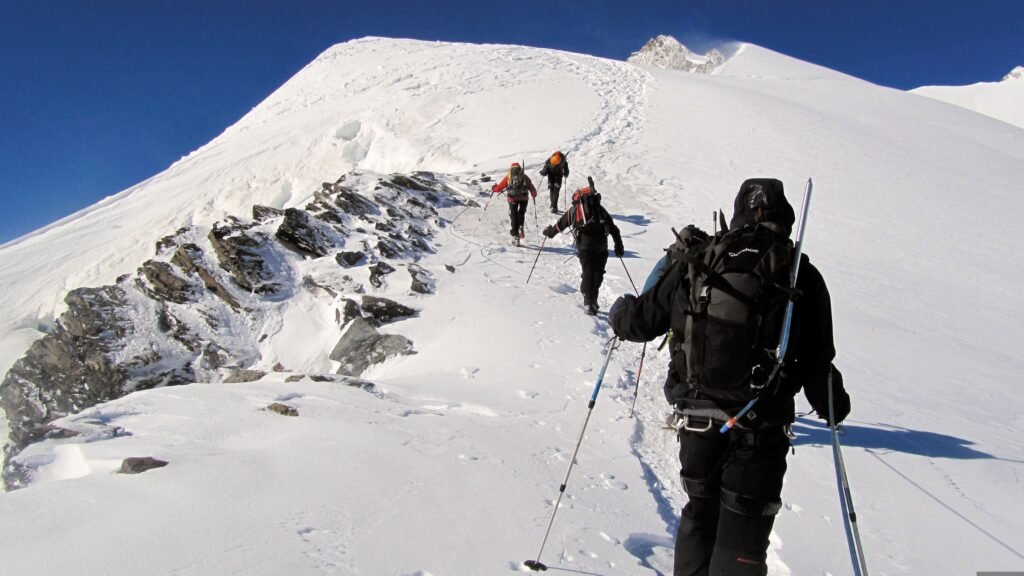
Among the most influential moments within Five Historic Kilimanjaro Climbs were expeditions that carefully documented volcanic formations along the crater rim and upper slopes. Geological observations later helped explain Kilimanjaro’s evolution as a stratovolcano. Modern geological research published through Frontiers in Earth Science continues to analyze rock composition, erosion processes and crater morphology first described during early summit attempts.
These climbs helped establish Kilimanjaro as one of the most scientifically important volcanic mountains in Africa and a natural laboratory for long-term landscape change.
Five Historic Kilimanjaro Climbs and modern safety systems
Another lasting impact of Five Historic Kilimanjaro Climbs is how safety planning developed over time. Early expeditions faced serious risks with limited equipment and communication. Today, international safety and emergency management frameworks promoted by the International Federation of Red Cross and Red Crescent Societies and disaster-risk programs coordinated by the World Bank Disaster Risk Management programme guide evacuation planning and field response on major trekking routes.
Professional operators now apply structured safety protocols, weather monitoring and communication systems that greatly improve climber protection compared to the conditions faced by historic pioneers.
Five Historic Kilimanjaro Climbs and climate education for visitors
Today, Five Historic Kilimanjaro Climbs also serve an educational purpose. The visible changes in ice fields and vegetation zones help visitors understand global environmental challenges. Environmental education resources developed by the National Geographic Society and sustainability studies published by the International Energy Agency support the role of tourism in climate awareness.
Responsible operators integrate climate interpretation into guiding, helping climbers understand how global change is directly visible on Kilimanjaro’s slopes.
Five Historic Kilimanjaro Climbs and ethical tourism practice
The legacy of Five Historic Kilimanjaro Climbs also shaped ethical tourism standards. Fair employment, porter welfare and community benefits are now central to responsible mountain travel. Labour protection frameworks promoted by the International Labour Organization and community development programs supported by Oxfam International guide ethical operations across the region.
Many climbers now choose structured programs such as Kilimanjaro climbing itineraries that respect fair working conditions and environmental limits while delivering a high-quality experience.
Five Historic Kilimanjaro Climbs and modern travel planning
For today’s visitors, Five Historic Kilimanjaro Climbs offer inspiration and practical lessons. Professional planning now balances route selection, acclimatization design and environmental responsibility. Travelers often explore well-prepared journeys through Tanzania travel programs that combine wildlife experiences with mountain adventures in a single well-organized itinerary.
Local knowledge remains essential for understanding seasonal conditions, trail access and conservation regulations, all of which evolved from the long history of exploration and research on the mountain.
Five Historic Kilimanjaro Climbs and the meaning for today’s climbers
In reality, Five Historic Kilimanjaro Climbs are not simply old stories. They are the foundation of modern mountain science, safety systems, cultural recognition and conservation awareness. Each historic ascent contributed new understanding that continues to shape how Kilimanjaro is managed and protected today.
If you would like to experience the mountain responsibly and with deep respect for its history, you can plan your journey with local professionals through direct local consultation. A climb becomes more powerful when it follows the same values of curiosity, care and responsibility that guided the earliest pioneers.