
Lesser-Known Facts About Mount Kilimanjaro often surprise even travelers who believe they already understand Africa’s most famous mountain. Beyond its snowy summit and popular climbing routes, Kilimanjaro holds complex stories of climate change, fragile ecosystems, volcanic history, hidden wildlife corridors and deep cultural importance for surrounding communities. These details are rarely explained during quick travel research, yet they shape how the mountain survives and how visitors should experience it responsibly.
This guide shares real scientific and environmental knowledge behind the mountain, supported by global research institutions and conservation organizations. If you are planning your journey with a trusted local team such as Eddy Tours & Safaris, understanding these hidden realities helps you travel with more respect, deeper awareness and a stronger connection to the landscape you are about to explore.
Lesser-Known Facts About Mount Kilimanjaro and its hidden volcanic story
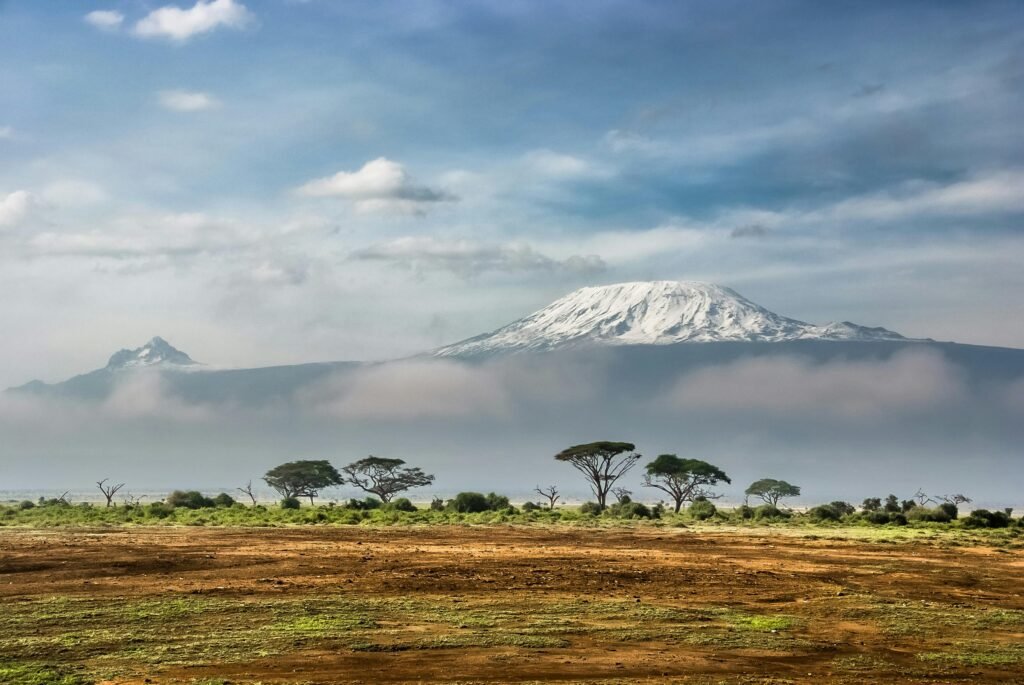
One of the most overlooked Lesser-Known Facts About Mount Kilimanjaro is that the mountain is not a single peak but a complex volcanic system shaped by multiple eruptions and long geological evolution. Scientific research published by the United States Geological Survey explains that Kilimanjaro is formed by overlapping volcanic cones created by separate eruptive phases. This layered structure is still visible in the rock formations and crater systems found near the summit.
Geological studies available through Frontiers in Earth Science and academic platforms such as ScienceDirect show that erosion, lava flows and tectonic forces continue to shape the mountain even today. Understanding this volcanic background helps explain why certain routes feel steeper, why rockfall zones exist and why terrain stability differs between climbing corridors.
Lesser-Known Facts About Mount Kilimanjaro and disappearing ice fields
Among the most important Lesser-Known Facts About Mount Kilimanjaro is the scientific role the mountain plays in global climate observation. Kilimanjaro’s summit glaciers have been monitored for decades as indicators of environmental change. Climate data published by NASA Climate and global assessments from the Intergovernmental Panel on Climate Change confirm that tropical high-altitude ice is extremely sensitive to temperature and precipitation shifts.
Long-term environmental research coordinated by the United Nations Environment Programme and conservation monitoring supported by the International Union for Conservation of Nature highlight that changes around Kilimanjaro’s summit are part of a much larger global climate pattern affecting mountain ecosystems across continents.
Lesser-Known Facts About Mount Kilimanjaro and unique alpine desert ecosystems
Another group of Lesser-Known Facts About Mount Kilimanjaro relates to its little-understood alpine desert environment. This zone appears empty to most visitors, yet it hosts highly specialized plants and microorganisms adapted to intense radiation, cold nights and very limited moisture. Biodiversity studies published through Conservation International and habitat assessments by the World Wide Fund for Nature show that these ecosystems recover extremely slowly after disturbance.
Ecological research supported by the Food and Agriculture Organization explains how soil stability and water regulation in high-altitude zones influence lower forest belts and agricultural areas around the mountain. This invisible ecological connection makes responsible trail use and waste control especially important for climbers.
Lesser-Known Facts About Mount Kilimanjaro and wildlife corridors below the forest line
Many travelers believe Kilimanjaro is only about climbing, yet some of the most meaningful Lesser-Known Facts About Mount Kilimanjaro are found far below the summit. The mountain’s forest and lower slopes form part of wider wildlife corridors connecting surrounding protected areas. Conservation organizations such as the African Wildlife Foundation and the Wildlife Conservation Society show that these corridors support elephant movement, bird migration and predator dispersal.
Bird monitoring initiatives coordinated by BirdLife International and carnivore conservation research supported by Panthera demonstrate that tourism pressure, deforestation and settlement expansion can quietly disrupt these ecological links if not carefully managed.
Lesser-Known Facts About Mount Kilimanjaro and human altitude limits
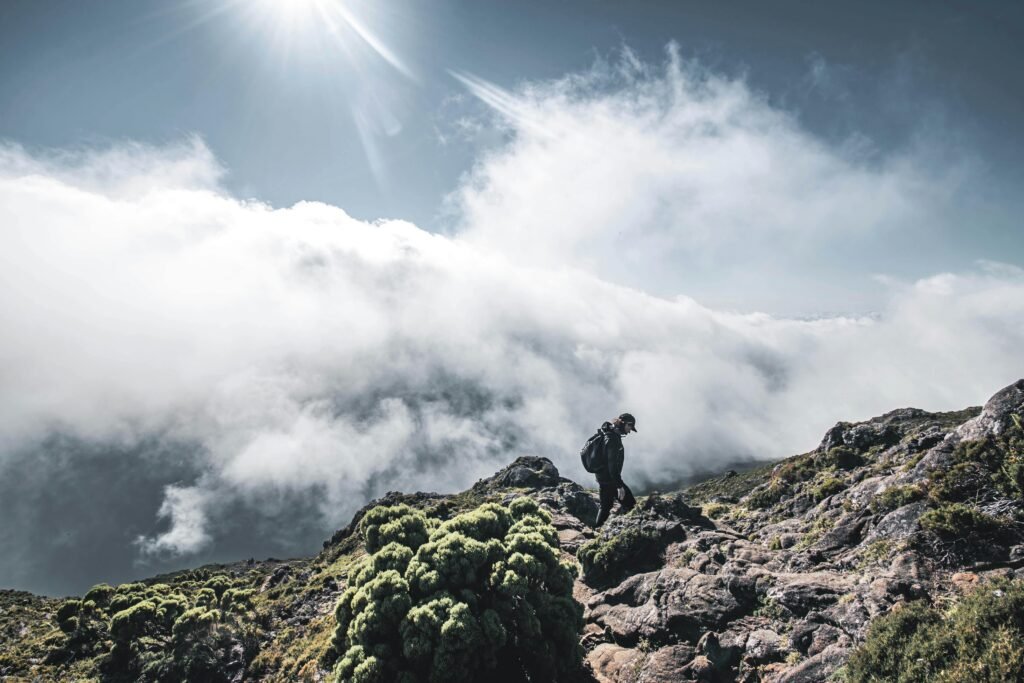
Some of the most personal Lesser-Known Facts About Mount Kilimanjaro involve how the human body responds to rapid altitude gain. Medical guidance published by the Centers for Disease Control and Prevention and research coordinated by the International Society for Mountain Medicine explains that altitude illness is not related to age or fitness alone, but to individual physiological response and ascent design.
Clinical reviews published on PubMed and medical education resources from Johns Hopkins Medicine confirm that slow ascent profiles, hydration management and early symptom recognition remain the most effective tools for successful high-altitude travel.
Lesser-Known Facts About Mount Kilimanjaro and cultural meaning
Another dimension of Lesser-Known Facts About Mount Kilimanjaro lies in its cultural and educational importance. The mountain is part of the identity of surrounding communities who have lived with its presence for generations. Cultural heritage protection frameworks promoted by UNESCO emphasize that natural landmarks also serve as living cultural landscapes, not only tourism destinations.
Educational research programs supported by Harvard University research initiatives and learning networks coordinated by the United Nations Academic Impact highlight how field-based environmental learning strengthens long-term conservation awareness and respect for local traditions.
Lesser-Known Facts About Mount Kilimanjaro and climate-driven vegetation shifts
One of the quieter Lesser-Known Facts About Mount Kilimanjaro is that vegetation zones on the mountain are slowly changing. Environmental monitoring projects supported by the National Geographic Society and ecosystem assessments published by the International Union for Conservation of Nature indicate that plant communities are responding to warming temperatures and altered rainfall patterns.
Scientific publications available through Frontiers in Environmental Science explain how shifting vegetation directly affects insect populations, bird breeding ranges and soil moisture, creating long-term ecological consequences that visitors rarely notice during short climbs.
Lesser-Known Facts About Mount Kilimanjaro and ethical tourism responsibility
Responsible tourism is one of the modern Lesser-Known Facts About Mount Kilimanjaro that deeply affects conservation outcomes. Labour protection frameworks promoted by the International Labour Organization and community development programs supported by Oxfam International demonstrate that fair working conditions for mountain crews directly improve safety, morale and environmental compliance.
Transparency and ethical business standards promoted by Transparency International also help protect travelers from dishonest practices and ensure that conservation fees and park contributions are properly managed.
Lesser-Known Facts About Mount Kilimanjaro and research access logistics
Another rarely discussed group of Lesser-Known Facts About Mount Kilimanjaro concerns how scientific research is carried out in such remote high-altitude environments. Conservation studies and biodiversity surveys published through Nature Research and data platforms such as ScienceDirect rely on carefully controlled access to fragile zones.
Risk-management frameworks developed by the World Bank Disaster Risk Management programme support safe field operations for researchers and conservation staff working in remote mountainous regions like Kilimanjaro.
Lesser-Known Facts About Mount Kilimanjaro and why route choice truly matters
Among the most practical Lesser-Known Facts About Mount Kilimanjaro for visitors is how strongly route selection influences safety, environmental impact and overall experience. Routes differ in erosion risk, wildlife interaction zones and exposure to extreme weather. Climbers who use professionally designed itineraries through Kilimanjaro climbing programs benefit from local knowledge that balances safety, scenery and conservation protection.
For travelers combining wildlife travel with mountain trekking, carefully structured options available through Tanzania safari programs allow visitors to experience the mountain within a broader conservation context rather than as an isolated attraction.
Lesser-Known Facts About Mount Kilimanjaro for responsible modern travelers
Understanding these Lesser-Known Facts About Mount Kilimanjaro changes how people see the mountain. It becomes not just a summit challenge, but a living system shaped by geology, climate, wildlife, culture and human responsibility. Every climber becomes part of that story the moment they step onto the trail.
For personalized advice on responsible itineraries and realistic planning, travelers can speak directly with local professionals through local Kilimanjaro consultation support. Respectful travel decisions protect both your experience and the mountain itself.
Why knowing these facts makes your journey more meaningful
The real value of learning these Lesser-Known Facts About Mount Kilimanjaro is not academic curiosity. It is awareness. Awareness leads to better choices, safer climbs, stronger respect for local communities and real support for conservation work happening quietly behind the scenes.
Your journey becomes deeper when it is guided by knowledge and care. Planning with experienced local professionals ensures that every step you take on Kilimanjaro reflects not only adventure, but responsibility to one of Africa’s most important natural landmarks.