
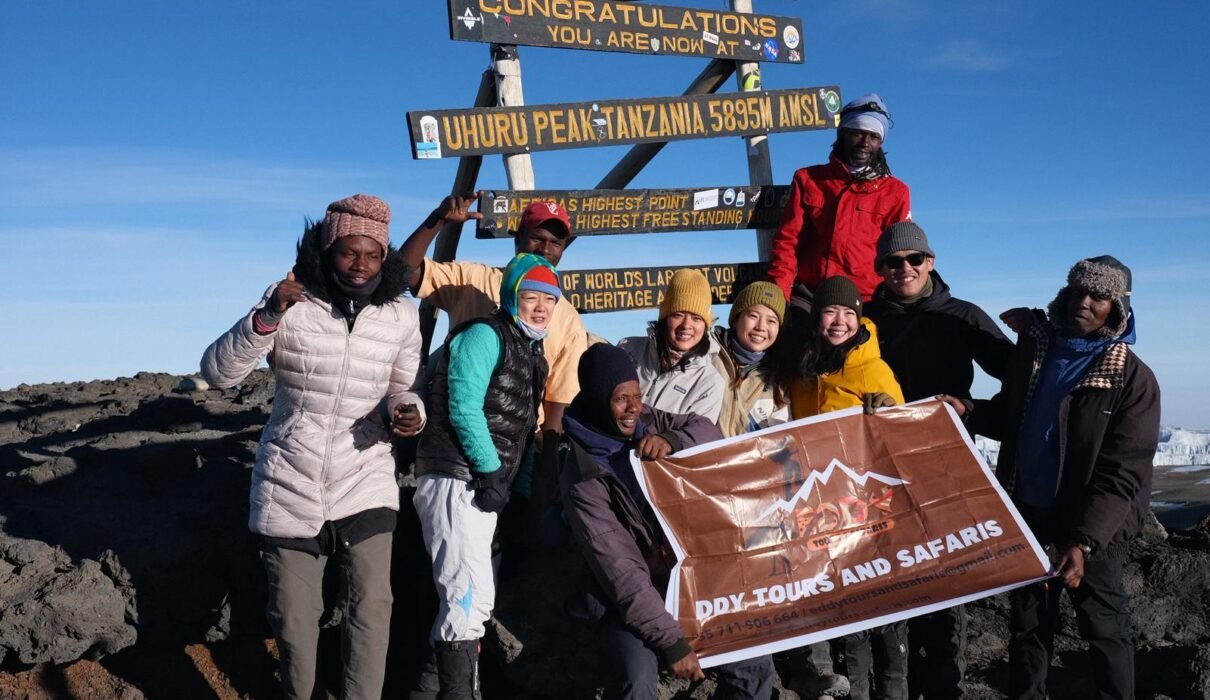
Rongai Route: The Quiet Northern Approach is chosen by climbers who want a calmer, less crowded and more reflective way to experience Mount Kilimanjaro while still following professional safety and environmental standards. This route approaches the mountain from the northern side, close to the Kenya border, offering a very different atmosphere from the busy southern trails that most visitors automatically follow.
For travelers who value silence, open landscapes and steady progress rather than congestion and noise, this route delivers something rare on Africa’s highest mountain. When carefully planned with an experienced local team such as Eddy Tours & Safaris, the journey becomes both physically manageable and emotionally rewarding, especially for climbers who prefer to connect deeply with the environment rather than rush through it.
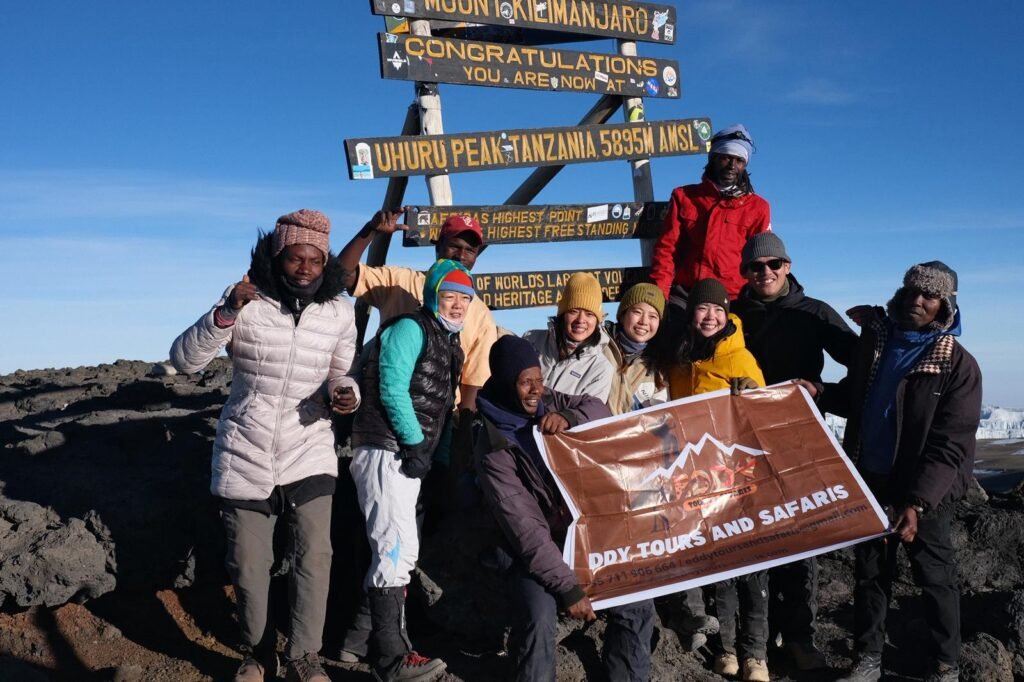
Rongai Route: The Quiet Northern Approach and its unique geographical setting
The defining feature of Rongai Route: The Quiet Northern Approach is its location on the drier and less developed northern side of Mount Kilimanjaro. This side of the mountain experiences different weather patterns and lower visitor traffic compared to the southern slopes. Environmental mapping and land monitoring programs supported by the United States Geological Survey show how terrain structure and slope orientation strongly influence vegetation zones and trail stability.
Large-scale ecosystem and mountain landscape studies published by the United Nations Environment Programme and habitat classification work coordinated by the International Union for Conservation of Nature confirm that northern mountain environments often retain more intact alpine and sub-alpine ecosystems due to lower historical tourism pressure.
Rongai Route: The Quiet Northern Approach and crowd avoidance
One of the strongest reasons people choose Rongai Route: The Quiet Northern Approach is the clear reduction in congestion along the trail. Tourism pressure and visitor density are known to influence environmental degradation and visitor safety. Research on protected area management by Conservation International and visitor impact assessments shared through the World Wide Fund for Nature show that lower traffic routes preserve trail integrity and wildlife movement corridors more effectively.
On the Rongai side, climbers often walk for long stretches without meeting large groups. This creates a quieter pace, better communication with guides and a safer hiking rhythm that supports both physical endurance and mental focus.
Rongai Route: The Quiet Northern Approach and wildlife corridor protection
The northern slopes of Kilimanjaro play an important role in regional wildlife movement. Conservation research from the African Wildlife Foundation and field programs managed by the Wildlife Conservation Society show that wildlife corridors linking forest and savannah ecosystems remain sensitive to infrastructure and heavy tourism development.
By using less crowded access points, Rongai Route: The Quiet Northern Approach contributes indirectly to reduced disturbance of wildlife pathways and vegetation recovery areas that border the mountain’s northern protected zones.
Rongai Route: The Quiet Northern Approach and altitude adaptation
From a medical and physiological perspective, Rongai Route: The Quiet Northern Approach offers a gentler ascent profile compared with some steep southern routes. High-altitude medical research published through the U.S. National Library of Medicine and clinical summaries available on PubMed confirm that slower altitude gain reduces the likelihood of severe altitude-related symptoms.
Guidance from the Centers for Disease Control and Prevention and educational resources from the International Society for Mountain Medicine highlight that proper acclimatization remains the most effective protection against acute mountain sickness, especially for first-time high-altitude climbers.
Rongai Route: The Quiet Northern Approach and climate stability
Another advantage of Rongai Route: The Quiet Northern Approach is its comparatively drier climate. Regional climate observations published by NASA Climate and long-term assessments produced by the Intergovernmental Panel on Climate Change show how wind patterns and rain shadows around large volcanic mountains influence route conditions and trail erosion.
The northern side of Kilimanjaro often experiences more stable ground conditions, allowing safer footing and better campsite durability during much of the trekking season.
Rongai Route: The Quiet Northern Approach and environmental sustainability
Environmental sustainability is a central benefit of Rongai Route: The Quiet Northern Approach. Protected area studies conducted by the National Geographic Society and land-use change research published through ScienceDirect show that dispersing visitor traffic across multiple access routes significantly lowers erosion and waste accumulation in sensitive mountain habitats.
Conservation governance initiatives promoted by the Intergovernmental Science-Policy Platform on Biodiversity and Ecosystem Services also emphasize the importance of controlled tourism flow to protect biodiversity and maintain ecosystem services for surrounding communities.
Rongai Route: The Quiet Northern Approach and safety management
Professional safety management remains essential on Rongai Route: The Quiet Northern Approach, especially because the route operates in quieter and more remote sections of the mountain. Emergency preparedness principles promoted by the International Federation of Red Cross and Red Crescent Societies and operational health guidance published by the World Health Organization underline the importance of communication systems, evacuation planning and medical screening.
When you hike with a professional local operator such as experienced Kilimanjaro climbing specialists, emergency coordination, daily health monitoring and realistic pacing become part of your daily routine rather than last-minute reactions.
Rongai Route: The Quiet Northern Approach and cultural sensitivity
Along the northern access corridor, cultural interaction remains more authentic and less commercialized. Cultural heritage protection frameworks promoted by UNESCO and community research initiatives supported by Harvard University research programs highlight how respectful engagement strengthens local identity and community-based conservation.
Using routes that involve local logistics and staffing allows communities to benefit directly from tourism income while maintaining social dignity and traditional livelihoods.
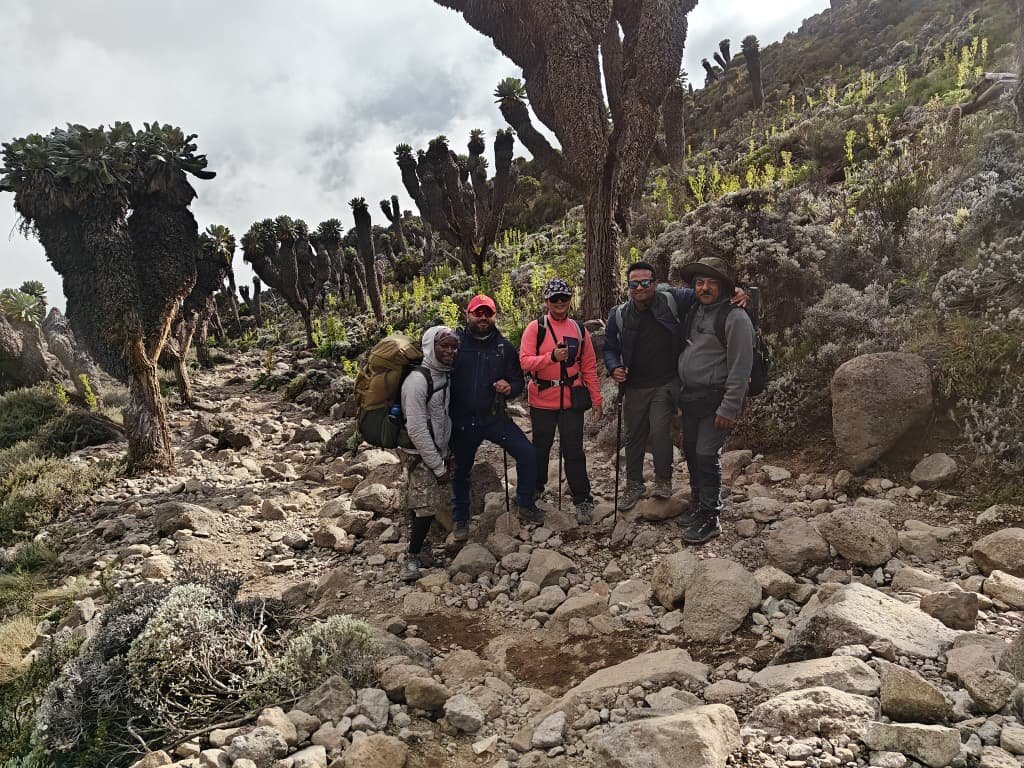
Rongai Route: The Quiet Northern Approach and scientific observation
High-altitude environments such as those accessed by Rongai Route: The Quiet Northern Approach are important for scientific observation. Ecological monitoring and biodiversity studies published through Nature Research and mountain environment research hosted by Frontiers in Environmental Science rely on controlled human access and minimal environmental disturbance.
Lower visitor density makes it easier for researchers and conservation teams to continue long-term monitoring of vegetation change, soil stability and climate indicators.
Rongai Route: The Quiet Northern Approach and porter welfare
Ethical operations strongly influence the experience on Rongai Route: The Quiet Northern Approach. Labour protection principles promoted by the International Labour Organization and community development programs supported by Oxfam International show that fair working conditions improve health, safety and team coordination in remote mountain environments.
When porters and guides work under proper conditions, the entire expedition becomes safer, better organized and more respectful for everyone involved.
Rongai Route: The Quiet Northern Approach and first-time climbers
For many beginners, Rongai Route: The Quiet Northern Approach provides a less intimidating introduction to high-altitude trekking. Physiological studies published by Johns Hopkins Medicine and public health research shared through the Harvard T.H. Chan School of Public Health confirm that gradual exposure, controlled exertion and hydration significantly improve overall trekking outcomes.
The calmer pace and reduced crowd stress allow first-time climbers to concentrate on breathing rhythm, posture and communication with their guide team.
Rongai Route: The Quiet Northern Approach and route planning strategy
Route planning is one of the most important success factors on Rongai Route: The Quiet Northern Approach. Risk management studies supported by the World Bank Disaster Risk Management program and university field research networks such as the University of Oxford research initiatives emphasize structured access control and professional supervision in remote landscapes.
Climbers who use professionally structured itineraries through trusted Tanzania travel specialists benefit from accurate campsite selection, flexible pacing and better coordination between mountain and safari logistics.
Why Rongai Route feels different from the moment you start
What makes Rongai Route: The Quiet Northern Approach emotionally unique is the immediate sense of space and silence. You hear the wind across open slopes, watch clouds drift below your path and move through landscapes that feel untouched by mass tourism. This atmosphere encourages reflection, patience and deeper personal connection with the mountain.
Many climbers describe this route as calmer and more balanced, particularly during the early days when energy management and psychological comfort play a major role in later summit success.
Plan your climb with professionals who know the northern side
A successful journey on Rongai Route: The Quiet Northern Approach depends on local experience and real-time mountain knowledge. Northern access logistics, border-zone coordination and campsite management require operators who work regularly in this part of Kilimanjaro.
If you would like tailored guidance, ethical operations and carefully paced itineraries, you can speak directly with local professionals through personal climbing consultation support. Your northern approach becomes safer, quieter and far more meaningful when it is planned by people who understand this route deeply.